Quick Take: What makes packaging design actually effective and not just pretty?
When creating a customized packaging design for your brand, consider these factors:
Product protection: Your packaging must protect products in storage and during shipping.
Communicates your brand identity: Customers should recognize your brand within seconds of seeing the packaging.
Drives shelf/screen differentiation: Your product packaging should stand out on store shelves, social media, and online marketplaces.
Encourages social sharing: Your packaging design should create an unboxing experience customers would want to share online.
Improves usability and customer experience: Packaging should be intuitive and easy to open.
Survives production: Premium packaging design should be practical to manufacture and pass prototyping and sampling before production.
Not long ago, product packaging was just that – packaging. Sure, you had a few forward-thinking brands that dressed up the box or the bag their wares came in, but it was few and far between. For most brands and their products, the outer package was simply a vessel meant to protect the contents as they traveled from warehouse to customer.
However, with the rise of ecommerce and social media, that container has taken on new meaning. In some respects, product packaging might even be just as relevant as the items it carries.
But why does it matter? And more importantly, how do you and your brand design eye-catching (and at the same functional) product packaging that stands out from an increasingly crowded marketplace?
Read on to learn more about the process, tools, and best practices for creating packaging that helps your brand stand out.
What Is Packaging Design & Branding?
Packaging design is the process of creating product packaging that is aesthetically pleasing, informative, and functional. A well-designed packaging container protects its contents and makes it easy to store or display them on a product stand or store shelves, all while attracting consumers’ attention and reinforcing your brand identity.
Packaging design is more than just aesthetics because it can also be a conversion tool, but most brands tend to underinvest in it. Well-designed packaging can help you improve conversions, boost brand recognition, and attract new customers.
Effective packaging design balances functionality, usability, and visual appeal, so your product can be shipped safely and efficiently while also drawing consumers’ attention to your brand.
Branding vs. Design
Branding is about defining your company’s identity, including its voice, personality, positioning, and priorities.
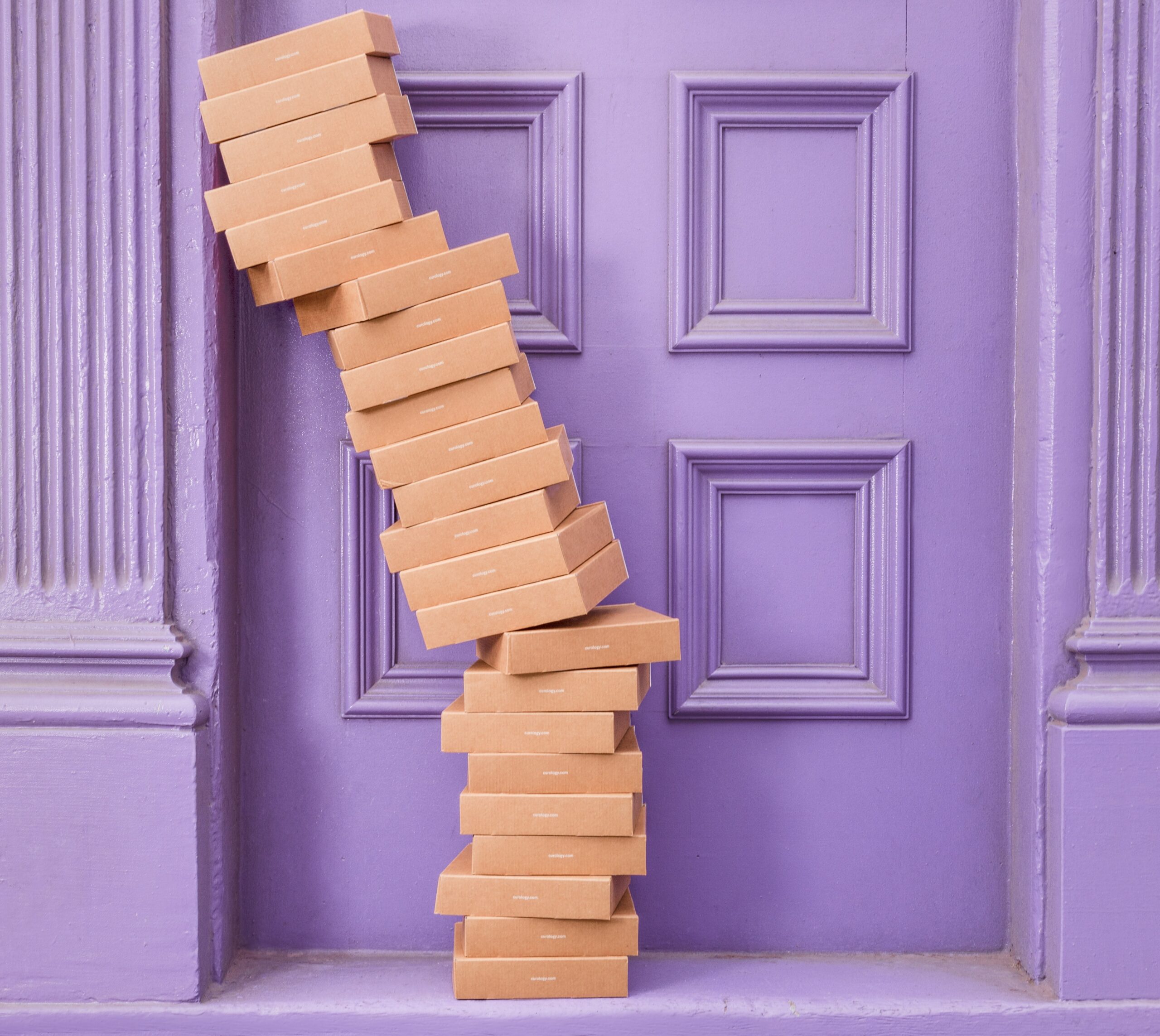
In e-commerce packaging, the container is often the first and only physical interaction a customer has with your brand.
Unlike in retail, where customers can see, touch, and compare products on store shelves, ecommerce brands rely on the package arriving at the customer’s doorstep to make a lasting impression. That unboxing moment can reinforce trust or diminish your brand’s impact. In 2023 alone, unboxing videos generated 12.5 billion views on YouTube.
Structural packaging design also shapes perceived value. Premium finishes, durable materials, and unique design choices can make products feel more valuable before customers even use them. Small touches like custom inserts or a personalized message can create a memorable experience that encourages repeat purchases and brand loyalty.
Why Packaging Design Matters
Packaging design matters because it impacts product protection, customer perception, and brand visibility. Quality packaging protects the contents inside. A product arriving safely and intact at your customer’s doorstep reduces the likelihood of returns and improves customer satisfaction.
Packaging as a Marketing Channel
With the rise of ecommerce and social media, packaging has evolved from being just a protective container to becoming an extension of a brand. Packaging design can improve brand trust and loyalty, drive sales, encourage repeat purchases, and draw in new customers. According to a survey, 72% of consumers admit that packaging design often influences their decision when choosing a product to buy.
Generic or poor custom packaging design can leave a negative first impression before customers even see the product they ordered. In contrast, effective custom packaging design helps make your brand more memorable.
Consumers are looking for an experience. A thoughtful unboxing experience can also strengthen your marketing. Excitement, premium presentation, and small details encourage customers to record the unboxing process and share it online. This creates user-generated content that expands your brand’s reach.
Ecommerce drives much of the sentiment. Shopping now is less about window shopping at a mall and more about endless hours of online research. Time on screen comparing products and brands. Reading blogs and reviews. Trying stuff on in augmented reality. Sharing the whole experience with everyone they know – and a lot more people they don’t.
If you don’t believe us, a trip down the unboxing rabbit hole on YouTube should be convincing enough.
Aside from the novelty of watching other people open their purchases for all the world to see, the packaging is just one more piece of the expanding product lifecycle.
For a large portion of the population, it’s no longer enough to find something you want, buy it, and be happy with your purchase. People want to take a journey with the brands where they spend their hard-earned dollars.
Considering the moment of unboxing is the singular touchpoint between brand and consumer for an ecommerce transaction, well, the customer wants that moment to matter.
Social Media & Packaging
Packaging matters because it’s an extension of your brand. More than providing your customers with a worthwhile experience, great packaging can influence potential customers’ purchasing habits.
Stop and consider where your products and the package they arrive in might land:
On someone’s kitchen counter while they host some friends or family.
On somebody’s desk who prefers their orders be shipped to their office.
On a person’s Instagram or Twitter feed or their Facebook page.
On a YouTube unboxing video.
Let’s say five people are in that first scenario. Ten people see the box at the customer’s office. One hundred folks catch the Instagram post. As for YouTube. Well, you get the idea, killer product packaging design leads to social media shareability and increased awareness for your products.
Do you think those people would be impressed with a shoddy outer shell? Or would something with a bit more cohesion go farther in attracting their attention?
Packaging that reflects a strong brand reflects a company that thinks about how its brand is perceived – a brand that puts effort into creating a strong customer experience in every detail.
In other words, regardless of anyone who suggests otherwise, people do in fact, judge a book by its cover. All. The. Time.
Packaging is just as much your book cover as your logo, website, advertising, and product themselves.
Unboxing videos have become a popular social media trend, especially on platforms like TikTok and Instagram. Just check out these stats:
Typing #unboxing in Instagram’s search bar will pull up over 10.8 million results.
Looking up unboxing videos on YouTube by popularity shows that some videos have amassed hundreds of millions of views.
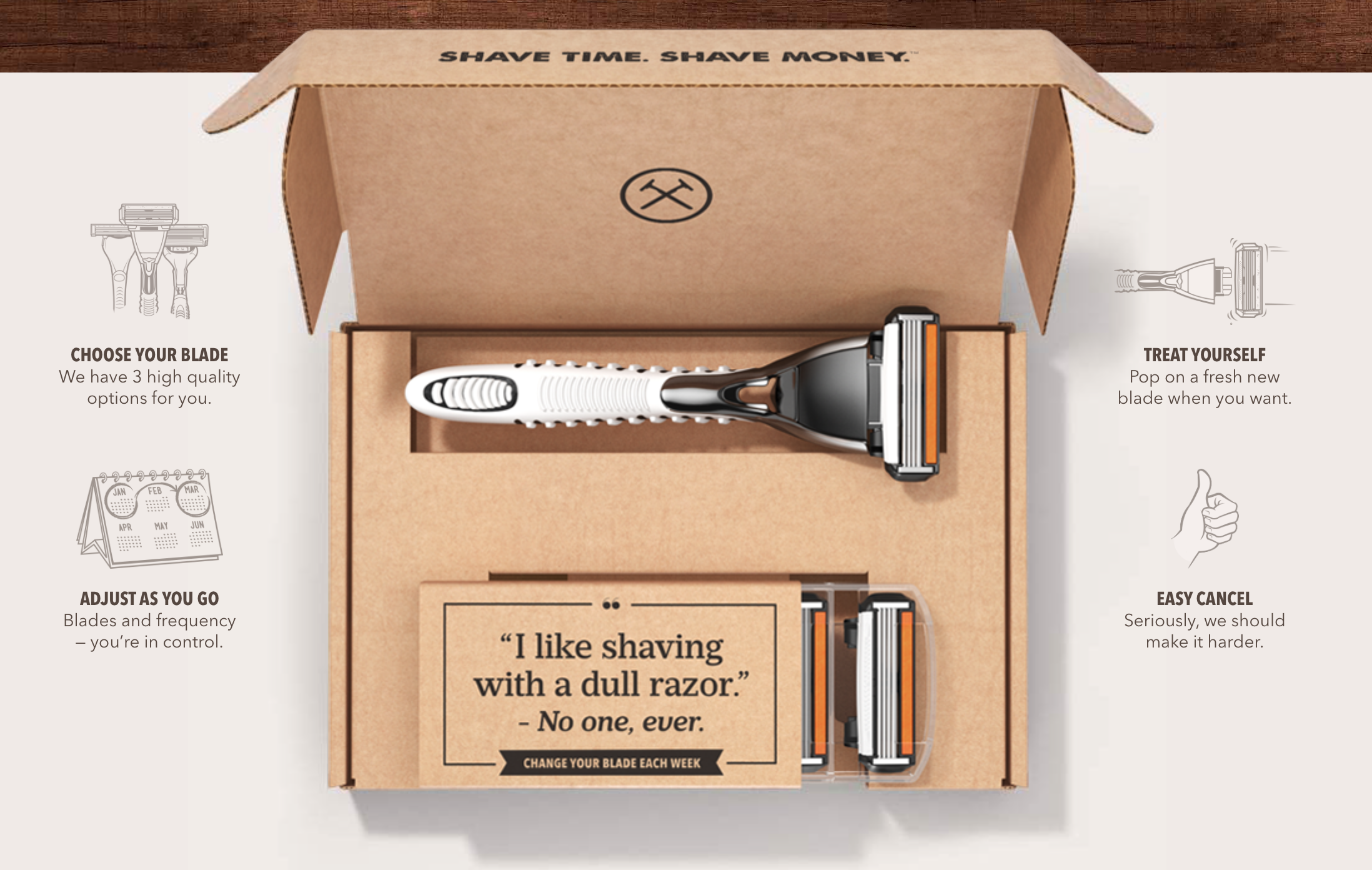
Visually appealing product packaging gets shared on social media because people like sharing their positive experiences. Adding details like custom inserts, layered reveals, and personal touches can give your product packaging a premium feel. Other design choices include branded tissue paper and stickers or structural surprises, such as magnetic closures or hidden compartments.
Brands are increasingly embedding smart technology into packaging to enhance consumer engagement through interactive experiences such as dynamic QR codes that connect customers to digital content. At the same time, accessible design features, including high-contrast labels, help improve usability for visually impaired consumers while creating a more inclusive packaging experience.
When customers film themselves unboxing a product, they’re taking time and effort to showcase the product, often without any prompting from sponsors. Unboxing videos let people share their satisfaction with a purchase while also giving the featured brands exposure and free advertising.
Key Takeaway
Packaging is no longer just about keeping the products inside it safe. Product packaging has evolved from being a simple container to being a part of the product lifecycle and your brand strategy.
Packaging Design Process
The design phase is where you explore layouts and concepts that reflect your brand and appeal to your target audience.
Unless you or someone on your team has design experience, we suggest working with a professional designer. Packaging designers help simplify the process and refine your packaging.
1. Design Brief
What’s your product? Who’s your target audience? What goals do you want to accomplish with your packaging design?
Defining your goals, brand guidelines, and requirements ensures the packaging aligns with your brand direction. Creating the design brief can take about one to two weeks to finish.
2. Concept Development
This involves developing initial sketches, exploring structural design options, and translating your brand identity into packaging concepts. It’s about defining the visual direction and messaging of your packaging. Concept development can take about a week, though it may take longer if you need to make revisions.
3. Dieline & Layout Design
A dieline is a 2D template used for mapping out the design of a physical package to make sure that it has the correct layout and dimensions before going into production. It essentially marks where the package will be folded and cut.
In this stage, your design is applied to a digital mockup of the packaging container to plan the placement of text, graphics, and logos to make sure everything fits correctly. This phase takes about a week.
4. Proofing Stage
Reviewing digital mockups of your design allows you to identify and catch errors early on before production. Proofing can take a few days or longer, depending on the revisions and adjustments needed.
5. Sampling & Prototyping
This stage involves testing the physical sample to make sure the custom packaging design works in real form. Samples and prototypes are used to check fit, print quality, and durability before moving into production. This phase can take about a week.
6. Final Production
This is the final step in the process, where the approved design moves into mass production. The print-ready files are sent to the manufacturer for bulk printing. This step also includes ongoing checks to ensure consistency and quality across all units.
Packaging Design Dos and Don’ts
While there’s no single formula for success, following key dos and don’ts in custom packaging design can help you avoid common mistakes and improve your overall design.
Dos
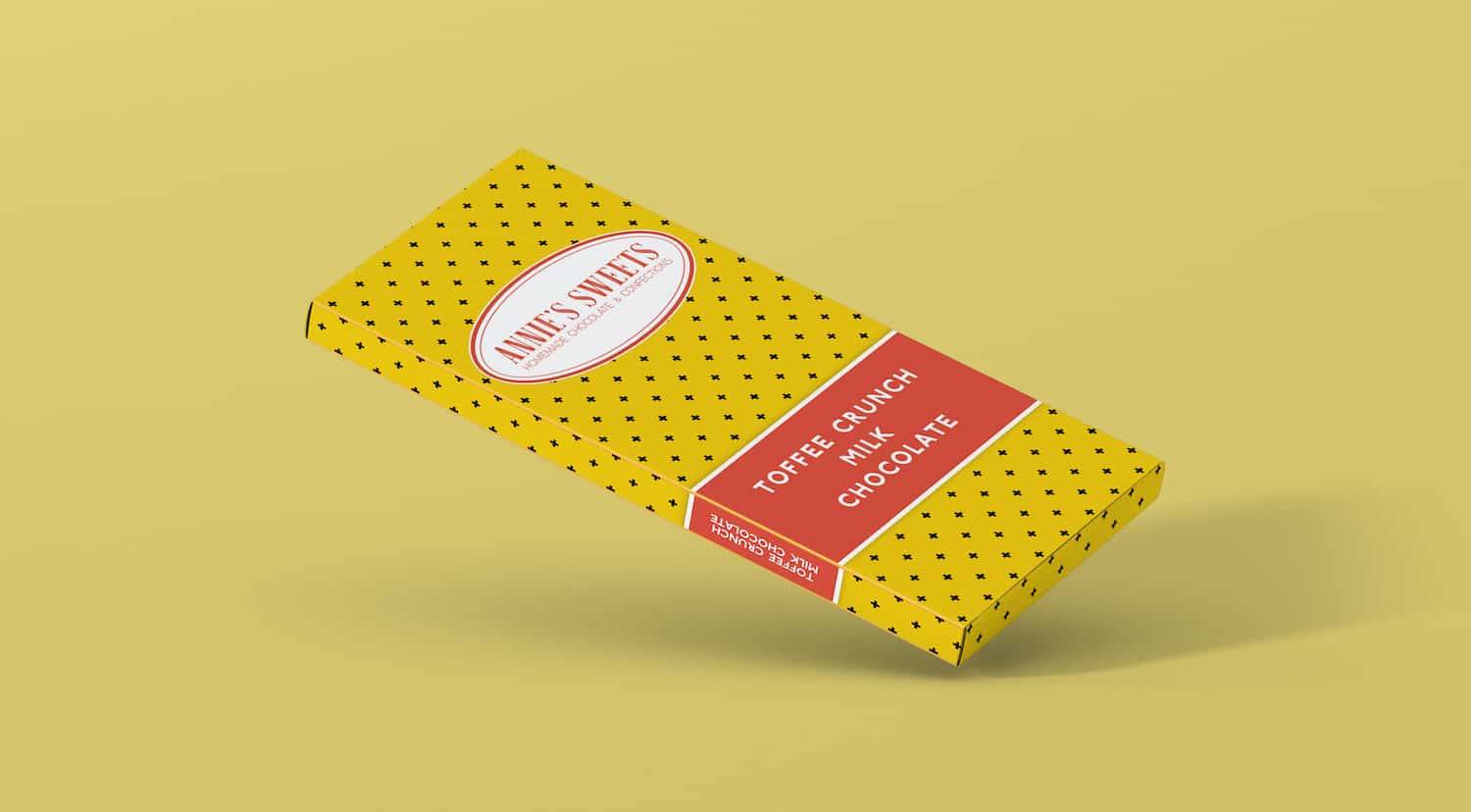
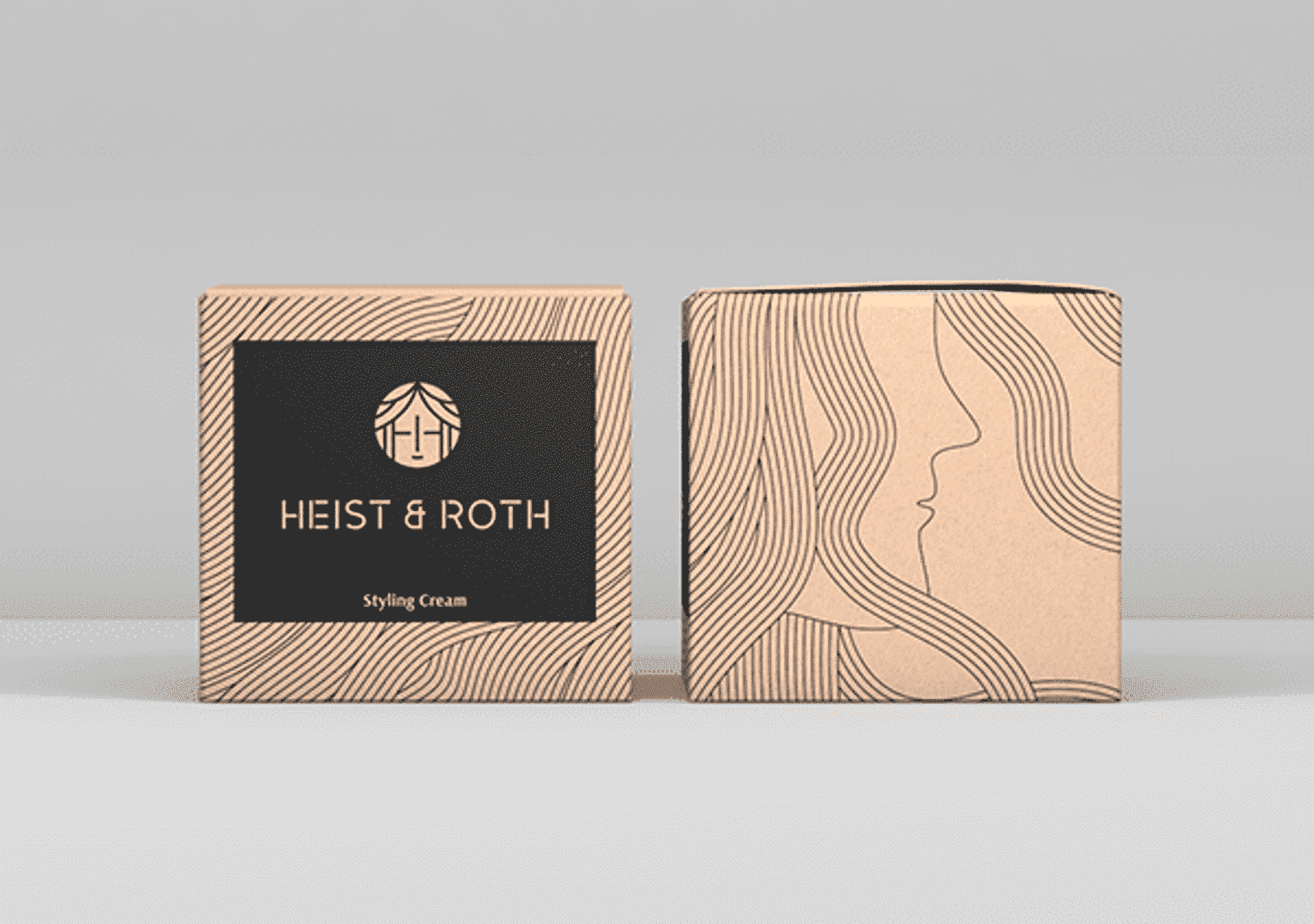
Keep packaging branding consistent. Use signature design elements like specific color palettes and fonts to maintain brand consistency.
Design for your target audience. Customize your packaging according to what your customers notice and value.
Use high-quality images and typography. The graphics, images, and text should be clear and readable.
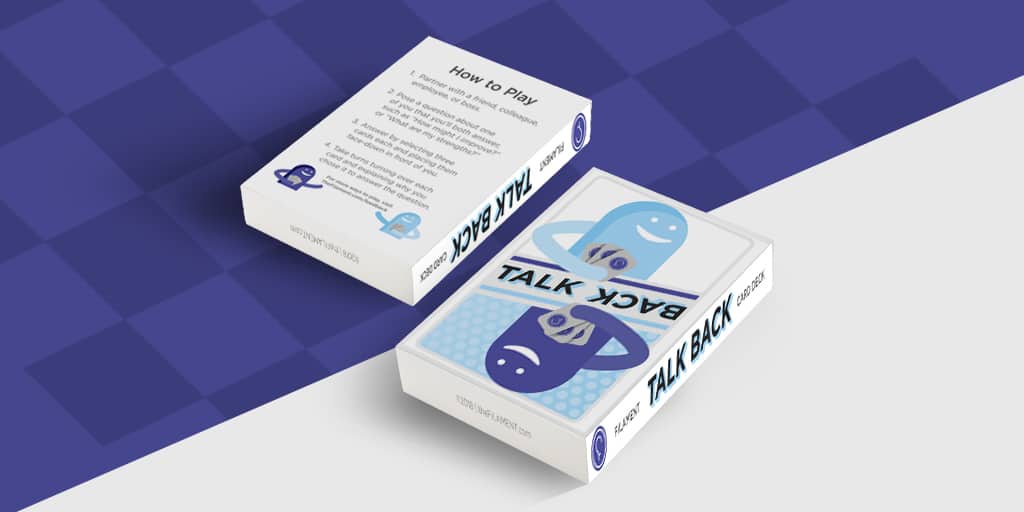
Consider functionality and usability. Making sure that your packaging is durable and easy to open can improve the customer experience.
Don’ts
Overcrowd the design. Applying too many design elements can make the retail packaging layout look too busy and distracting.
Ignore readability. Important information, like instructions for preserving shelf life or product freshness, should remain clear and easy to read.
Choose aesthetics over durability. Don’t prioritize appearance at the expense of the packaging’s durability.
Forget compliance requirements. Follow relevant legal and industry standards for your product category.
Brand Identity for Packaging
Today, packaging is one of the most visible elements of a brand. Packaging for marketing translates brand identity into practical design decisions that guide every visual choice on the package.
Core Branding Elements
Brand identity is built using various elements that communicate your brand’s personality:
Logo Placement: Your brand logo is the most recognizable aspect of your brand’s visual identity. A customer should be able to identify your brand at a glance just by spotting your logo on the packaging.
Color Palette: A consistent signature color palette strengthens brand personality and improves long-term recognition.
Typography: Having a selection of signature fonts and typefaces helps you communicate your brand’s unique values and characteristics.
Consistency Across Packaging
Branding consistency in custom packaging design isn’t just about ensuring that you’re using the same signature logo, colors, and typefaces. There should also be consistency in what goes into the box and the delivery.
When shipping your products, make sure that the container, labels, and add-ons like packaging inserts and stickers all complement each other. Having a consistent packaging experience can make your products more memorable, which also helps you maintain brand recognition.
If your design is inconsistent, it can confuse customers and weaken brand identity.
Emotional & Psychological Impact
According to the ARCH College of Design and Business, elements like color, typography, shape, and texture can convey unique personality traits that consumers will associate with your brand.
Colors can set an immediate tone for your brand. For instance, bright colors convey playfulness and youthfulness, while neutral colors like black and white are considered luxurious or minimalist.
Typography can also communicate personality. For example, serif typefaces signal professionalism, while script is used for conveying elegance.
Packaging Design Software & Tools
This section covers some of the tools you can use to make your packaging design in-house.
Beginner-Friendly Tools
If you’re new to custom packaging design, use tools that simplify layout creation and editing. Canva, for example, is a strong starting point for simple packaging designs. Its drag-and-drop features make it easy to move design elements around.
Professional Design Tools
If you have some design experience, you can use a tool like Adobe Illustrator. It’s best for creating vector-based designs, handling color separations for printing, and preparing print-ready PDFs for packaging production. Adobe Illustrator is commonly used by graphic designers in the packaging design industry.
Dieline & Packaging-Specific Tools
Tools for Creating and Editing Dielines
Preparing a dieline helps designers and manufacturers ensure proper layout, folds, and alignment in 3D form.
Esko ArtiosCAD and Arden Software Impact are two commonly used packaging design software. Both programs allow you to make and edit dielines. They offer features like 3D prototyping and visualization for packaging designs.
When to Work with Professionals vs. DIY
Packaging design is more complex than 2D creative projects like posters and banners. It often requires sampling and prototyping to test feasibility.
Tools like Canva and Adobe Express can work for quick and simple designs. But if you want to test how feasible your design is for production, you’ll need to be familiar with the packaging design process. Budget planning and material sourcing are two other important considerations.
If you have the skills to manage the creative process, prototyping, sourcing, and production, DIY may work. Otherwise, working with a professional designer can give you a more reliable outcome.
You can hire a freelance designer on platforms like Upwork or Fiverr, or you can consult with a packaging manufacturer like Refine Packaging.
How to Choose the Right Tool
Here are a few factors to consider when choosing the right design tools:
Skill level: If you’re a beginner, a tool like Canva might be your best option for simple designs and intuitive editing. But if you have more experience, you can use a program like Adobe Illustrator.
Design complexity: For simple packaging, Canva works well. But for more detailed or technical designs, try Adobe Illustrator or CorelDRAW.
Budget: How much are you willing to invest in your brand’s custom packaging? Some tools like Canva and Adobe Express offer free features, but programs like Illustrator may require a subscription.
Designing for Print: What You Need to Know
Here’s everything you need to know when preparing packaging designs for print.
CMYK vs. RGB Color Modes
RGB stands for red, green, and blue, while CMYK stands for cyan, magenta, yellow, and black. These color modes are both used in printing, but which one you’ll use depends on your final product.
RGB is used for screen-only designs and can display a wider range of bright colors, but most of these colors can’t be reproduced in print. That’s why CMYK is recommended for printing. Using the wrong color mode can result in dull or inaccurate colors in your final packaging.
If your design will be used both on screen and in print, you’d typically have two versions of the design: one using RGB and the other using CMYK.
Bleed, Trim, and Safe Zones
Printers and manufacturers use bleed, trim, and safe zones to account for deviations that may happen during the cutting process.
Bleed: The bleed is the area all around the edges of your design that will be trimmed off. Standard bleeds are generally .125″ (or 1/8″) all around.
Trim: The trim is the very edge of the final printed design. Avoid placing elements too close to the trim in case they get cropped off when the printed design is cut to its final size.
Safe zones: This is the inner margin area that’s guaranteed not to get cropped off. Make sure your important design elements are within this zone, including your logos, graphics, and important text.
Resolution and File Formats
The best way to ensure your designs turn out clear and crisp when printed is to use the right resolution setting. Resolution measures how many dots or pixels fit into one inch, also known as dots per inch (DPI). The standard resolution for printing is 300dpi for sharp, high-quality packaging prints.
Some of the file formats commonly used in printing include PDF, JPEG, PNG, and TIFF. Many professional printers will prefer a print-ready PDF, but you can also check with your chosen printing shop if they have other preferred file types.
A print-ready PDF is a flattened (meaning all layers are merged into a single layer) file with the correct dimensions, color mode, and resolution. It ensures the printer receives a production-ready version of the design without missing assets or layout shifts.
Common Print Mistakes to Avoid
Watching out for these common packaging printing mistakes can help you avoid packaging waste as well as wasted time and resources:
Low-resolution images: Happens when files are designed below print standards or scaled up incorrectly. This can cause graphics and images to appear blurry or pixelated. Always design at 300dpi to avoid this.
Incorrect color mode: Choosing the wrong color mode affects how the colors of your design will look when printed. CMYK is typically the preferred color mode for print because colors tend to look dull when printed with the RGB color mode. For print production, make sure to design in CMYK.
Misaligned dielines: Caused by incorrect template setup or ignoring printer specifications. This can cause miscropped layouts or inaccurate folding. Before exporting files, verify dieline alignment.
Failing to prototype: Skipping physical sampling leads to costly errors. Always test a physical sample before full production.
Balancing Design, Cost, and Functionality
With custom packaging design, the goal is to create packaging that aligns well with your product, branding, budget, and business goals.
How Design Choices Impact Pricing
Here are a few factors that can impact the overall cost of producing custom packaging:
Materials
Packaging materials are often the biggest cost drivers in packaging design, and the pricing can vary widely depending on the materials you choose. For example, using corrugated boxes can be more cost-effective than rigid boxes.
Size and Structure
Larger boxes mean more materials used for each box and higher shipping costs. Custom structures can also raise production costs due to added manufacturing complexity.
Design Complexity
Simpler concepts, like designs that use a more limited color palette, will be cheaper to print compared to detailed graphics using a wide range of colors.
Finishes and Add-ons
Packaging finishes and add-ons like foil and embossing can make your design more visually appealing and create a premium or luxurious feel. But they can add to production costs.
Packaging inserts can also raise production costs, but they can improve protection and are sometimes necessary. Inserts like foam, cardboard, and tissue paper can help protect fragile products like wine bottles or smartphones.
The bottom line is, the more complex and customized your design is, the higher the packaging costs will be, so every detail you include should serve a clear purpose.
Choosing Finishes Wisely
Matte laminations create a soft, premium look, while gloss makes colors appear more vibrant. Specialty finishes like foil or embossing are great for adding perceived value to your packaging, but they can also increase production costs.
Aligning Design with Budget and Business Stage
Great custom packaging design isn’t about investing in the most expensive packaging material choices or the most complex designs. It’s about choosing solutions that match your budget and brand positioning.
For small business owners, clean, consistent, and cost-effective packaging is often more sustainable than complex designs that strain budgets.
Packaging Design Trends
Custom packaging design trends come and go, but not all trends are worth following. Adopting trends without considering brand alignment can weaken how your packaging design communicates your brand to consumers.
Minimalist packaging
Minimalism is a stripped-down aesthetic that embraces the concept of “less is more.” It uses clean, simple designs instead of loud visuals. It helps brands stand out through clarity and restraint.
Sustainable design aesthetics
With consumers now more environmentally conscious, sustainable materials in packaging design are actually becoming more of an expectation rather than a passing trend. A 2023 report by NIQ revealed that shoppers look for products that align with their values and that 92% of shoppers say that sustainability is important to them when choosing a brand.
Sustainable practices in packaging design often include recyclable packaging, reduced waste materials, and reusable packaging solutions like returnable containers or refillable formats. These are often paired with natural, earthy tones like green, brown, and beige to signal eco-friendliness.
Sustainable packaging is increasingly being produced from renewable materials such as agricultural waste, while mono-material packaging structures improve recyclability by making it easier for products to be sorted and processed within existing recycling systems. For example, Calyx Containers uses reclaimed ocean plastic for sustainable packaging.
Interactive and experiential packaging
Interactive and experiential packaging is designed to be experienced, not just opened. Experiential packaging turns a routine delivery into something that customers remember and often share. It’s also a win-win for both customers and brands. Customers are happier and more satisfied with their purchase, while brands get free marketing when their customers share unboxing videos.
Custom Packaging Design & Branding with Refine Packaging
Most custom packaging design fails not because the concept is bad, but because the design doesn’t survive the production process. If you need help ensuring that your design can make the journey from concept to production, our team at Refine Packaging can be your design and production partner. We help turn your packaging design ideas into packaging that actually works in production.
We cover end-to-end design support, offering guidance throughout the entire packaging design process, from concept and dieline creation to final production. Our designers and printing professionals can help bring your artistic vision to life, so you can wow your customers with packaging design that protects and leaves a lasting impression.
We can make custom boxes tailored to your brand identity while ensuring consistent design across boxes, inserts, and add-ons. Our high-quality printing options include matte, gloss, soft-touch finishes, foil stamping, and embossing, which help improve brand perception.
We can help you with dielines and prepare print-ready files, making sure color, resolution, and setup are correct before anything goes to print. We also offer prototyping and sampling, providing physical samples to validate your design before mass production and ensure quality.
With scalable solutions for every business stage, we support both startup-friendly options and advanced customization for established brands.
Contact us today for a free consultation on your custom packaging design project. We can connect you with a live customer support representative who can tell you what’s possible within your budget.
How to Create a Packaging Design That Converts (Step-by-Step)
1. Define Your Brand and Audience
Clarify who your target audience is and what your packaging should communicate about your brand.
2. Choose Packaging Structure and Materials
Pick packaging materials and a structure that effectively protect your product and align with your brand positioning.
3. Design Using the Right Tools
Use tools that match your design needs and production requirements.
4. Test with Samples
Prepare physical prototypes of your packaging concept and test its quality, durability, functionality, and its overall design.
5. Optimize Based on Feedback
Refine your design based on team feedback.
6. Finalize for Production
Prepare your finalized design for production. Export it in the correct print-ready format required by your printer.
Conclusion
Packaging design is a process that blends branding, functionality, and strategy. Understanding the full packaging design process, especially sampling and prototyping, helps ensure timely production, better results, and fewer errors along the way.
Packaging design costs can vary widely, depending on design complexity, materials, and who you work with. Hiring a freelance designer, for example, can cost $25-$45 per hour, while agencies may charge $150-$200+ per hour.
Some packaging manufacturers offer design support as part of their services, which can help lower upfront costs while ensuring production-ready results.
How long does packaging design take?
Packaging design typically takes a few weeks to a few months, depending on design complexity. A straightforward design project can be finished in about 4-8 weeks, but complex projects can take 2-4 months or more.
Can I design my product’s packaging myself?
Yes, especially for simple projects. For more complex packaging, working with a professional helps ensure that your design meets print requirements, dieline accuracy, and production constraints.
What file format do printers need?
Printers typically prefer print-ready PDF files, but you can also check with your chosen printer if they have other preferred file formats. Need a custom dieline? Use our dieline request form and we’ll send you a custom made dieline for free.
Alex Jasin is a Co-Founder and CMO at custom packaging box company, Refine Packaging. Thousands of companies including T-Mobile, Adidas, MetLife, Pandora, Marriott Hotels, and small businesses nationwide choose Refine Packaging for their custom boxes and wholesale product packaging needs. Recognized as a published thought leader by Dieline, Business Insider, and Entrepreneur, Jasin works tirelessly to help companies create eye-catching custom shipping boxes that stand out from the crowd. Jasin also serves as a consultant for a Blackstone-backed digital marketing agency in New York, where he works with Fortune 500 clients such as Ferrari, Allstate and Wells Fargo.






 Asif Muhammad
 Amanda Jane Rivera
 Alex Jasin

.svg)
Share