Since a packaging’s look and durability influence marketability, choosing from popularcustom box printing options is crucial for brands.
Each type of printing process suits a specific context and lead time. Your selected technique will affect how your design appears on specific packaging materials and the final product.
We’ll take you through the most popular printing methods forcustom boxes. This guide will discuss when to use each approach, pricing as your quantity grows, and how to prepare artwork for high-quality printing.
Why Quality Matters in Custom Box Printing Options
Your product’s packaging is often the first physical point of contact the public has with your brand. That link makes its print quality a crucial element in your product design. Here’s how it broadly impacts the overall product experience:
First Impressions
Multiple brands compete for attention, whether on a physical shelf or a shopping app. High-quality packaging enables your product to stand out.
In stores, consumers associate sharp and vibrant packaging with premium-grade products. Well-defined fonts, logos, and colors convey professionalism—and reliability. Meanwhile, blurry text and faded colors suggest a low-quality product.
Forecommerce sales, high-resolution printing helps ensure that the product you ship to your customers matches what they saw on your company’s online store. Doing so can spare you from negative feedback, whether on your shopping platform, social media, or an external review site.
Robust printing should withstand handling, shipping, and shelf display. Once you’ve studied your custom box printing options, your chosen method should retain your brand colors through proper ink adhesion. No smudging, fading, cracking, or peeling—problems that should be avoided for labels with pertinent data like barcodes, product info, and customer details. Preventing ink migration or its transfer onto products is a safety requirement for pharmaceutical and food packaging.
Consistency is another feature of long-lasting printed packaging, as emphasized by the ISO 9001:2015 industry standard.
Long-Term Cost Efficiency
High-quality custom-printed packaging is initially more expensive per unit than generic alternatives. But since it accurately captures your brand identity, you can enjoy immediate and long-term savings, as there’s no need to replace any rejected or defective stock.
Meanwhile, quality printed materials last longer and support faster production when your chosen substrate is compatible with production machinery. Quick-drying inks (such as water-based inks and UV curable inks) and simplified graphics can reduce possible wastage, especially on highly porous materials like kraft paper that tend to absorb more ink.
Well-printed and secure packaging can also reduce reputational damage and costs resulting from complaints or return requests due to poorly made product boxes.
Overview of Common Printing Methods for Custom Boxes
In the packaging industry, the most common custom box printing options are digital printing, offset printing, and flexographic printing.
As you’ll see in the table below, each printing method has distinct setup requirements, production workflow, print quality, and efficiency outcomes.
Digital Printing
Offset Printing
Flexographic Printing
Ideal For
Short runs, prototyping
Premium retail packaging
Shipping and corrugated boxes
Speed
Quick turnaround and fast setup for short runs
Moderate setup time, but swift once production begins
Extremely fast continuous printing
Print Quality and Limitations
For complex graphics with gradients and photo-quality images; less efficient for specialty finishes
For fine brand-critical details and color accuracy
For large colored areas and bold graphics on corrugated packaging; flexographic printing packaging is less suited for photographic images and complex design
Material Compatibility
Paperboard, some corrugated, but may require surface coating for more vibrant colors
Coated paperboard and smooth folding cartons; less common for corrugated material
There’s no “best” approach because when it comes to custom box printing options, each serves a unique purpose. Your optimal choice will depend on your required volume, preferred material, and packaging design.
Digital Printing
This method doesn’t involve the plates or films used in traditional printing. Instead, complex graphics and photographic images from a digital file get transferred from a computer or mobile device to the printer.
Digital printing has become a favorite among startups and small to medium-sized enterprises (SMEs) because it allows them to order in smaller quantities. The technique offers flexibility for customization and on-demand printing, making it ideal for seasonal packaging and prototyping.
Businesses often use digital printing when:
Ordering small volumes
Early delivery is required; without plates, the turnaround is faster due to shorter preparation time.
Changes in design elements are needed between production batches to match different market segments or “limited edition” products.
A2025 Smithers report showed that comparing digital vs offset printing packaging, the former is gaining ground, with a 4.8% annual growth rate expected until 2029.
Offset Printing
Inoffset printing, your artwork or image and text are transferred (offset) from a plate—usually a thin metal or polyester sheet—onto a rubber roller and then onto the packaging material.
It achieves high-resolution and uniform colors across high-volume production runs through two factors: highly controlled ink density across metal plates and the intermediate step (“rubber blanket”), which enables the ink to spread more evenly across a material’s surface.
Due to its superior image quality, this technique suits products with stringent brand identity standards (cosmetics, electronics, and luxury consumer goods) requiring high-end carton packaging.
Among the custom box printing options, offset printing delivers the strongest results for:
Photographic images and complex brand color palettes
High-resolution graphics and fine image detail
Coated and large-format sheets
When deciding between digital vs offset printing packaging, consider your order size and image precision needs. You can expect faster turnaround with digital printers for smaller runs. Meanwhile, you can rely on the color consistency of offset printing for large runs.
Flexographic Printing
Flexography features flexible printing plates (clichés) to apply liquid ink to porous and non-porous substrates, such as labels, foils, and corrugated packaging. It can print on uneven surfaces, including flexible packaging—such as plastic films for food labels, wrappers, and stand-up pouches—and metallic surfaces.
Flexo printers operate at higher speeds than offset printers. They can print on material measuring up to600 meters long per minute, according to GlobalVision. The secret lies in their use of fast-drying inks, unlike offset printing, which uses oil- or solvent-based inks that take longer to dry.
The flexographic printing packaging technique initially involves higher setup costs due to the plates. Clichés are plates made of rubber, but customizing them requires specialized labor, from ink calibration to mounting on printing cylinders.
Their durability allows reuse for thousands of times, reducing long-term costs. Their quick, high-output production and color consistency across thousands of units make flexographic production a go-to among large-scale shipping box manufacturers.
Of all the custom box printing options, flexographic printing is typically best suited for:
Packaging designs with limited color variations and simple graphics
Situations requiring fast printing for high-volume packaging
Choosing the Right Printing Method for Your Packaging
When selecting a printing technique, consider your packaging material, layout, and your business’s long-term needs. These factors will help you balance quality with quantity and design modification.
Production Volume
Order quantity is one of the first factors to consider when choosing a printing approach. If you’re launching a new product and testing the market, start with short runs (fewer than 500 units/pieces). This allows you to assess packaging performance before ordering larger quantities. If you expect demand to grow, higher-volume printing is ideal for established product lines, as it meets consistency and efficiency goals.
The volume you set also affects the preparation time required before printing. For instance, plate-based technologies, such as offset and flexographic printing, require setup steps before actual production.
If you’re planning long-term distribution, ordering large volumes will lower the cost per unit because setup expenses will be spread across more pieces. That’s why order size is a critical factor when considering digital vs offset printing packaging because the latter becomes significantly more cost-effective at higher volumes.
Design Complexity and Print Quality Needs
When it comes to custom box printing options, each technique prints colors and detailed graphics uniquely. For example, offset printing can accurately reproduce photographic and complex images or patterns for large orders. It can also accommodate various finishes, such as embossing, soft-touch lamination, and hot foil stamping.
If you only have a small order and update your design regularly, digital printing is a better option. Meanwhile, flexographic printing is a low-cost choice if you want to print custom corrugated packaging with minimalist (only one to two colors) but vibrant logos.
Prototyping
Prototyping or requesting a sample of your custom packaging allows you to evaluate color accuracy, layout clarity, product fit, and durability before committing to large-scale production.
Digital printing is ideal for prototype-making among printing methods for custom boxes, as you don’t have to spend on new printing plates when revising designs.
Sustainability and Material Compatibility
When choosing sustainable materials for custom packaging, you have to ensure they can withstand the rigors of printing. Coatedcardboard absorbs ink differently fromkraft paper and corrugated cardboard. Although the surfaces of eco-friendly materials create a textured and more natural look, coated surfaces support more detailed graphics. Each material also interacts differently with printing plates. Being aware of this difference will help you determine the right combination to turn your branding goals into reality.
Sustainability isn’t just about using responsibly sourced materials. They also involve selecting water and vegetable-based inks and coatings and maximizing recycling opportunities.
Scalability
As your business grows, the print quality of your custom boxes should stay consistent as your requirements — including order volume — evolve. Find a printer that can work with you on small and large batches, as well as a selection of box sizes for say, seasonal bundles. If possible, the printer should offer various custom box printing options.
Digital printing is advisable when you’re starting or running a small business and require fewer than 500 units of packaging. You can transition to flexographic printing packaging once your needs rise to 500 to 5,000+ units to reduce unit costs and ensure consistent print quality.
Custom Boxes Cost and Volume Considerations
The final price per box depends on several factors, primarily setup costs and order quantity. Expenses will rise even for the most economical printing method when you place a larger order. A detailed understanding of the dynamics among design files, machine preparation, and volume will help you plan your budget accordingly.
Setup Costs
Before production begins, printers using various custom box printing options must set up their machines to ensure color alignment. They include design proofing, machine calibration, printing plate creation, and die cutting or cutting the box shape, which can extend lead time.
For plate-based printing, box manufacturers run test prints to fine-tune ink levels and ensure the design appears correctly on your packaging material. Finishes (coating and lamination) require separate production processes and equipment.
These steps end up with small amounts of material waste. That’s why setup is more cost-effective at large volumes.
Unit Cost at Different Production Volumes
Based on economies of scale, the production cost for each custom box declines as the order size increases. That’s because the fixed setup fee spreads across more units for all custom box printing options.
Finishing Techniques That Enhance Printed Packaging
Custom boxes technically don’t require finishes to function. But they provide protective layers that help maintain precise print quality during storage and shipment. A2023 Online Labels research revealed that up to 44% of consumers associate premium printed materials with higher product value.
Here are common finishes for custom box printing options based on their sensory effect:
Shine and Visual Contrast
These finishes can make small details and thin lines in logos or product names more eye-catching.
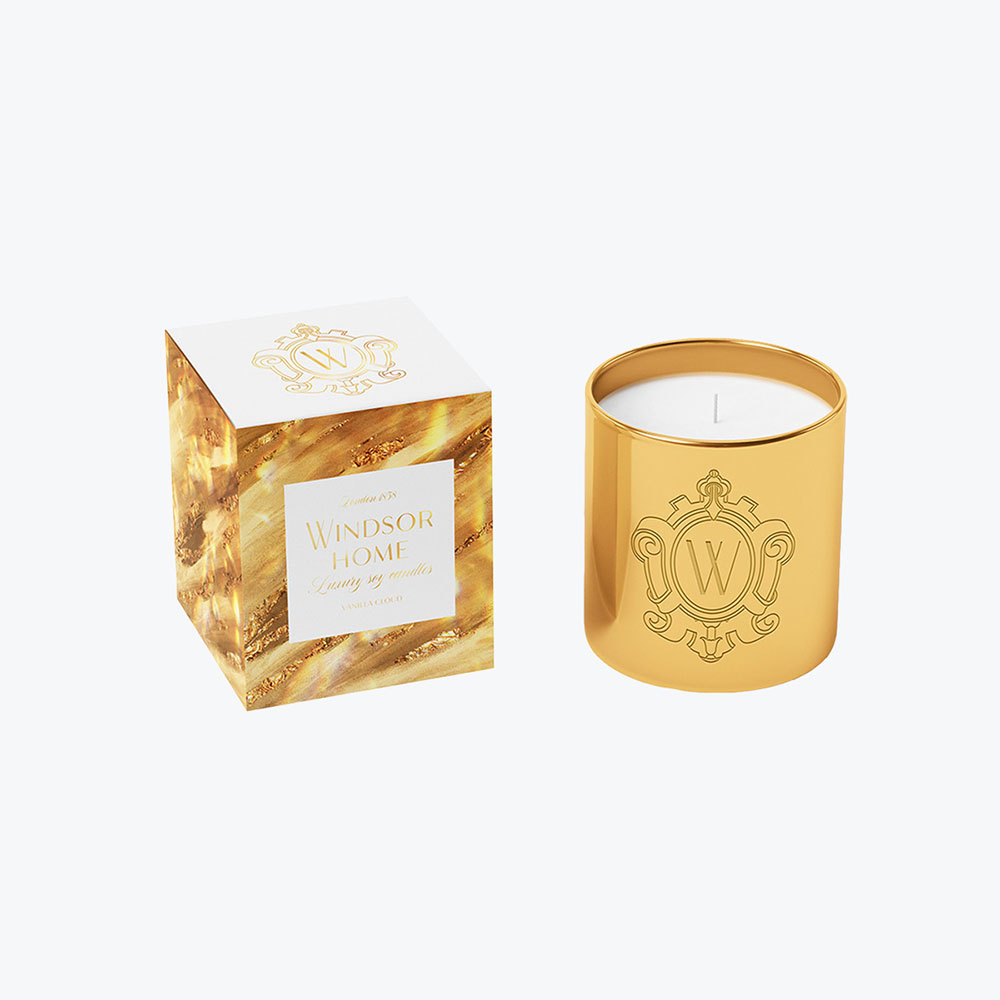
Foil stamping creates a metallic or matte (for pigment foils) effect on specified portions of a surface. The reflective or opaque foils “pop” on dark or matte backgrounds, respectively. They can easily provide a premium finish to kraft paper packaging.
Spot UV (ultraviolet) coating creates a smooth and glossy finish, providing a subtle contrast to soft-touch or matte backgrounds.
Note: Custom packaging can feature both finishes. For instance, a gold foil for the logo and spot UV for patterns create a multi-sensory experience.
Texture and Tactile Experience
Textures can prompt feelings of pleasure or comfort. This association not only improves engagement and product recall. It also gives consumers a sense of ownership, which economists call the “endowment effect,” which can motivate them to buy.
Embossing causes a design element (such as the logo or product name) to appear raised or protruding. Meanwhile, debossing produces a recessed or sunken effect. Both techniques add three-dimensional texture. Because debossing “presses in” chosen elements, this effect is advisable for more intricate artwork and requires rigid, thicker materials than embossing jobs.
Soft-touch lamination applies a thin matte film on a carton board (paperboard) using heat and pressure. The resulting finish is more velvety thansoft-touch coating, which is less rubbery than film. The robust barrier it offers against scuffs and moisture makes it ideal for e-commerce packaging.
Note: Soft-touch laminated surfaces can be enhanced with embossing or debossing, foil stamping, and spot UV printing.
Surface Protection and Durability
Like soft-touch lamination, the finishes below are typically “flood” or full-surface applications that improve resistance to wear and tear.
Aqueous coating is the most common coating choice, especially for flexographic printing packaging. This water-based finish is less glossy than UV but more resistant to cracking when folded. It’s available in glossy and satin (matte) variants.
Varnish coating is also a clear liquid application, but unlike aqueous coatings, varnish can be applied in spot applications. You can choose from several options: gloss varnish, matte varnish, or satin varnish.
Modern, water-based, and UV-cured varnishes are preferred over traditional solvent-based varnishes, as the latter can turn yellow over time.
Between digital vs offset printing packaging, UV lamination and varnishes work better on the former. Meanwhile, offset printing excels in foil stamping, aqueous coating, embossing/debossing, and spot UV, even on uncoated paper.
Best Practices for Print-Ready Packaging Designs
For your envisioned design to come to life accurately, it’s essential to understand your supplier’s requirements. For all custom box printing options, these essentials include preparing your design file and checking the material and ink colors they’ll use. The following steps can help you transition smoothly from method selection to actual printing for consistent printing output without delay.
Use High-Resolution Artwork
Because your brand design will be printed across a large surface, saving your artwork file in high resolution will prevent pixelation once on the material. The standard resolution across printing methods for custom boxes is 300 DPI for photographic images. Meanwhile, the standard format is vector files, such as PDF (most requested), AI (Adobe Illustrator), and EPS (Encapsulated PostScript). These formats allow scaling (from labels to shipping boxes) without losing quality.
Get Your Brand Colors Right in CMYK
While theRGB color mode is for websites and digital displays,CMYK is used in commercial printing. RGB, which uses light to create colors for screens, appears duller on print. For critical elements like your company logo, usePantone or spot colors for exact color matching and to ensure consistency.
Align Artwork with Die Lines and Include Bleed
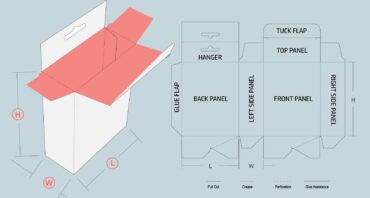
Across custom box printing options,die lines indicate where the machinery will slice through your material (cut line) and where it will be folded and glued to form a box. Ensure your logo and important text are at least 5mm inside fold lines, so they won’t be creased or cut off during folding.
Also, provide an adequate bleed area extending outside the cut line — 3mm to 5mm on all sides of your file. This will avoid unsightly white borders or slivers or unprinted space along box edges.
Avoid placing design elements on folds and glue flaps to ensure they won’t be partially hidden during assembly. When your packaging printer provides a template for your box, don’t change its proportions.
Do a Press Check or Request a Proof to Review Printing Compatibility
Making changes once production begins is difficult, so do a “press check” or visit your printer to verify whether the design you laid out in your software translates well on the physical material. Better yet, request a printed proof — a step we recommend for all custom box printing options.
Ensure the material your printer will use matches the stock you specified. Examine whether it supports your product’s needs, particularly thethickness and overall structure. Also, verify whether your printing approach can render your company’s brand colors and design on the selected surface.
Getting Your Packaging Design Ready for Production
When choosing custom box printing options, branding is only half of the equation for success. That involves aligning your design choices with the right materials, printing method, and finishing technique.
The other half will depend on working with a trusted printer that not only delivers results consistently but also scales with you. Seasoned packaging manufacturers can guide you through design, proofing, and packaging file preparation for production.
Contact our team of packaging specialists atRefine Packaging, we help businesses do that as well as evaluate custom box printing options and finishes, so your concept translates accurately from digital artwork to finished custom boxes.
Amanda is a professional writer and brand strategist at Refine Packaging who is based in Los Angeles, California. With a background in writing and journalism, Amanda entered the manufacturing industry 6 years ago to explore her unique passion for beautifully conceptualized packaging. With years of packaging experience, Amanda has a deep understanding about how brand psychology and box design trends impact emotions and desired actions. When she’s not writing, Amanda can be found snuggling her two Beagles or outdoors sipping on sparkling white wine.






 Alex Jasin

 Amanda Jane Rivera
 Asif Muhammad
 Erica Campbell

.svg)
Share