Custom box design mistakes rarely happen because businesses don’t care about packaging. I’ve seen brands invest heavily in marketing and product development but overlook the fundamentals of packaging design, which is often the first touchpoint customers have with a product. These common packaging mistakes happen because packaging decisions are often rushed or treated as an afterthought.
But product packaging does far more than just hold an item. It protects the product, communicates your brand identity, enhances brand reputation, shapes the customer experience, and even influences shipping costs and supply chain efficiency. A poorly designed box can undermine all of those things at once.
Effective packaging design is both practical and strategic. It should protect the product during shipping, present the brand clearly, and help customers understand what they’re buying within seconds.
Below are common box design errors I see repeatedly in custom box design, and how businesses can avoid them.
Why Custom Box Design Requires Careful Planning
Most people think of custom box design as a creative exercise. Pick some colors, add a logo, use some cool fonts, and call it done. But packaging sits at the intersection of several business functions at once, including graphic design, structural engineering, supply chain logistics, and brand strategy.
That complexity is exactly why mistakes happen. A decision that looks fine from a design standpoint might create serious problems in manufacturing. Dimensions that seem reasonable on screen can fail in a real-world drop test. A material chosen for its look might be completely wrong for the product’s weight or the shipping environment it’ll face.
Planning matters because packaging design decisions are rarely reversible once production begins.
Reprints are expensive, and replacing damaged shipments impacts your margin. Meanwhile, rebranding packaging mid-cycle can disrupt your supply chain and confuse your target audience. There are cases, though,per Dr. Cheryl Robinson, where rebranding packaging can benefit your business, and that is when your packaging design needs to align with consumer preferences.
Good planning means involving the right people early. Your structural requirements, print specs, and sustainability goals all need to be aligned before a single element is finalized. When those conversations happen late (or don’t happen at all) that’s typically when the costliest packaging design mistakes slip through.
Custom Box Design Mistakes That Hurt Your Branding
Your packaging can make or break a customer’s first impression of your brand. That means bad package design doesn’t just look unprofessional — it also actively damages your credibility with potential customers before they’ve even opened the box.
Overcomplicated Graphics in Product Packaging
One of the most common custom box design mistakes I see is overloading packaging with too many visuals.
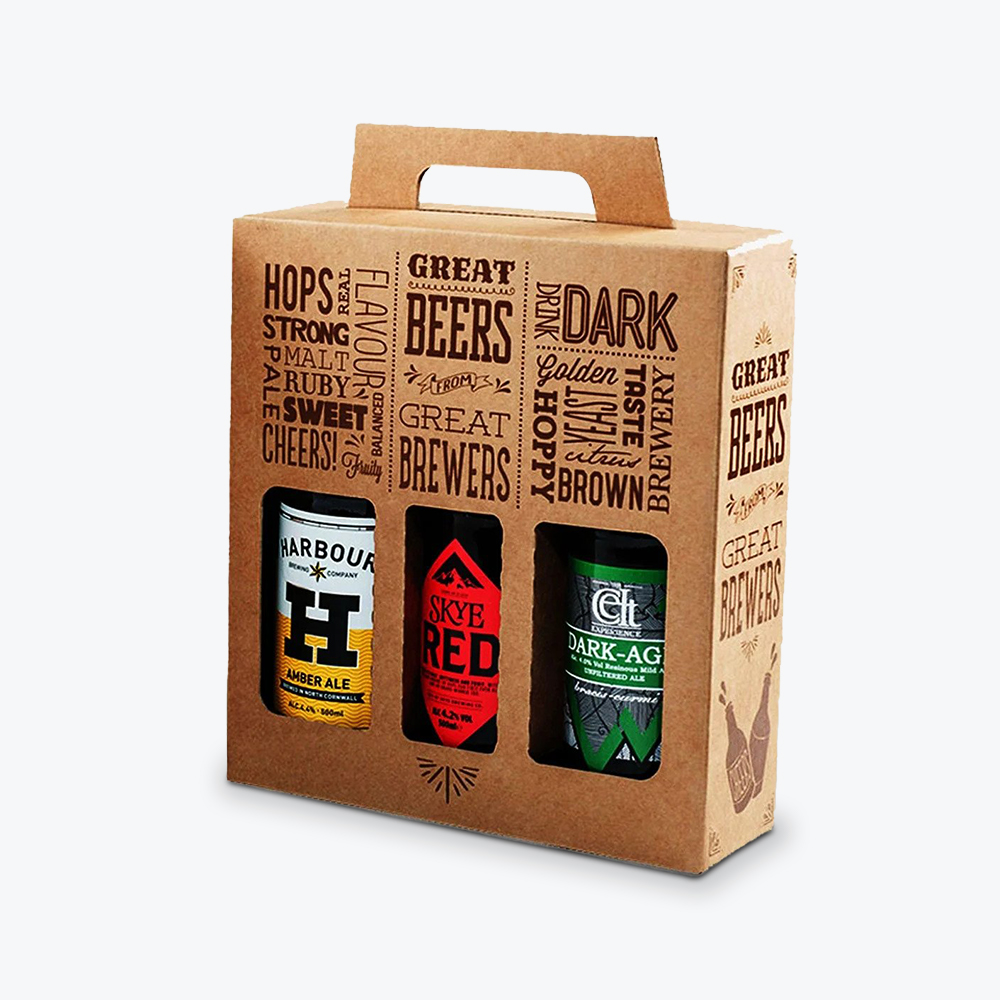
It’s understandable that brands want to stand out, but having too many graphics, colors, and text often creates the opposite effect.
Instead of enhancing visual appeal, cluttered designs:
Make packaging hard to scan
Hide key product information
Dilute brand identity
Confuse customers
For instance, in digital environments, visual clutter can do more harm than good.
Astudy published in the International Journal of Research in Marketing found that incorporating multiple visual elements into your design can be counterproductive. That’s primarily because design elements like pictographs or animation have distinct effects that can potentially counter each other. So, instead of having your brand identity or message enhanced by these visuals, they might affect how viewers process your design and hamper packaging effectiveness.
Another important thing to consider when creating packaging is how your visuals or design can potentially impact how customers perceive brand authenticity.
Package design elements, such as shape and color, shape consumer perceptions.Research published in the Journal of Business Research reported that when a brand leverages a simple packaging design, consumers tend to see the brand as authentic. However, it’s worth noting that this so-called “simplicity effect” will depend on how familiar customers are with the brand.
Astrong packaging designuses a clear visual hierarchy, allowing customers to immediately understand what the product is, who it’s for, and why it matters.
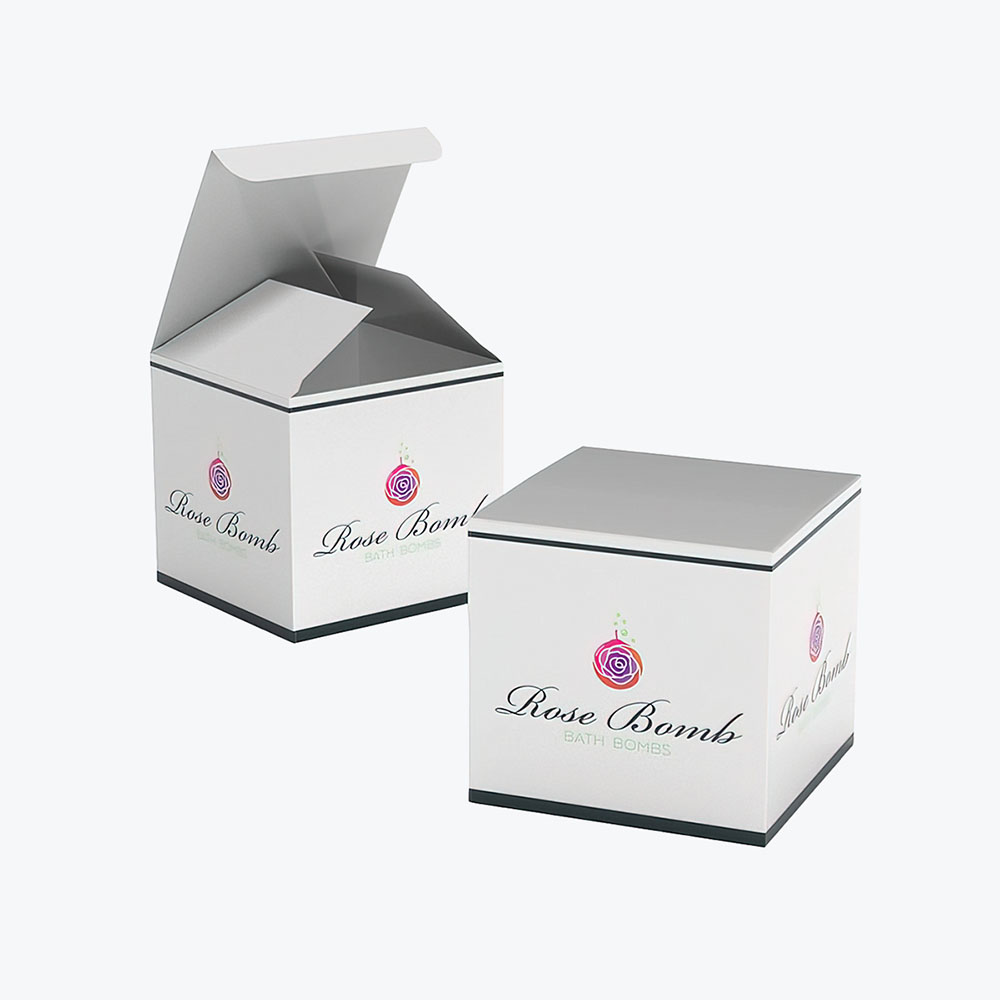
Using white space strategically is one of the simplest ways to improve clarity. It allows important elements, such as your logo or product name, to stand out without competing for attention.
Ignoring Brand Colors and Fonts
Inconsistent branding is another mistake that weakens packaging effectiveness and can lead to lost revenue.
Your packaging strategies should focus on reinforcing your brand’s image, not contradicting it. When colors, fonts, or logo placement vary from one product to another, it becomes harder for customers to recognize your brand.
This can happen when:
There are no clear brand guidelines
Multiple teams handle design without coordination
Aesthetic trends are prioritized over consistency and functionality
When customers fail to recognize your brand, it can have negative repercussions for your business.According to Kadence International, failing to build brand awareness can lead to reduced sales, difficulties in differentiating your brand from others, challenges in building customer loyalty and attracting new customers, and potentially negative brand perception.
Strong branding relies on repetition and familiarity. Consistent use of colors, typography, and layout helps build customer trust and improve recognition on shelves or online listings. Even small inconsistencies can reduce perceived value, especially in competitive markets.
Structural and Measurement Errors
Even the most visually impressive packaging fails if the box can’t perform its primary job: protecting what’s inside.
Wrong Dimensions
Incorrect sizing is one of the most expensive packaging design mistakes businesses make. Boxes that are too large lead to:
Increased shipping costs due to dimensional weight (DIM weight)
More filler material and unnecessary waste
Higher storage costs
Boxes that are too small create even bigger problems, such as:
Product compression or damage
Reduced protection during transit
Poor presentation upon arrival
Usingright-sized packaging is critical for both cost efficiency and product safety. It ensures that your products fit securely while minimizing wasted space, and helps you save on shipping costs by cutting DIM weight charges.
Not Accounting for Product Protection
Prioritizing aesthetics over product protection is also a common mistake. A package that looks impressive on a shelf but fails during real-world shipping damages customer perception fast.
Choosing flimsier packaging materials, like single-walled cardboard, can lead to structural failure for heavier items. Material selection needs to happen early in the design process, not after the visuals are already finalized. Inadequate product protection leads to product damage, spoilage, and higher return rates, all of which affect your bottom line.
Investing inhigh-quality materials suited to your product’s requirements can save money in the long run by reducing product loss and avoiding damage to your brand reputation.
Printing and Material Mistakes
Even a great design can go sideways in production. Using low-resolution graphics is a surprisingly widespread issue. Submitting artwork at 72 DPI instead of print-standard 300 DPI results in pixelated, unprofessional-looking boxes that undermine your brand on contact. Always confirm resolution and file format requirements with your packaging partner before sending final files.
Using low-quality materials to cut costs is equally damaging. Here, true cost effectiveness in packaging isn’t about choosing the cheapest option but about choosing the best packaging materials for your specific product, weight, and target audience. With food products, for example, the right packaging materials can help create an environment that’s conducive to preservation and allow for easier product quality checks,per Inline Plastics.
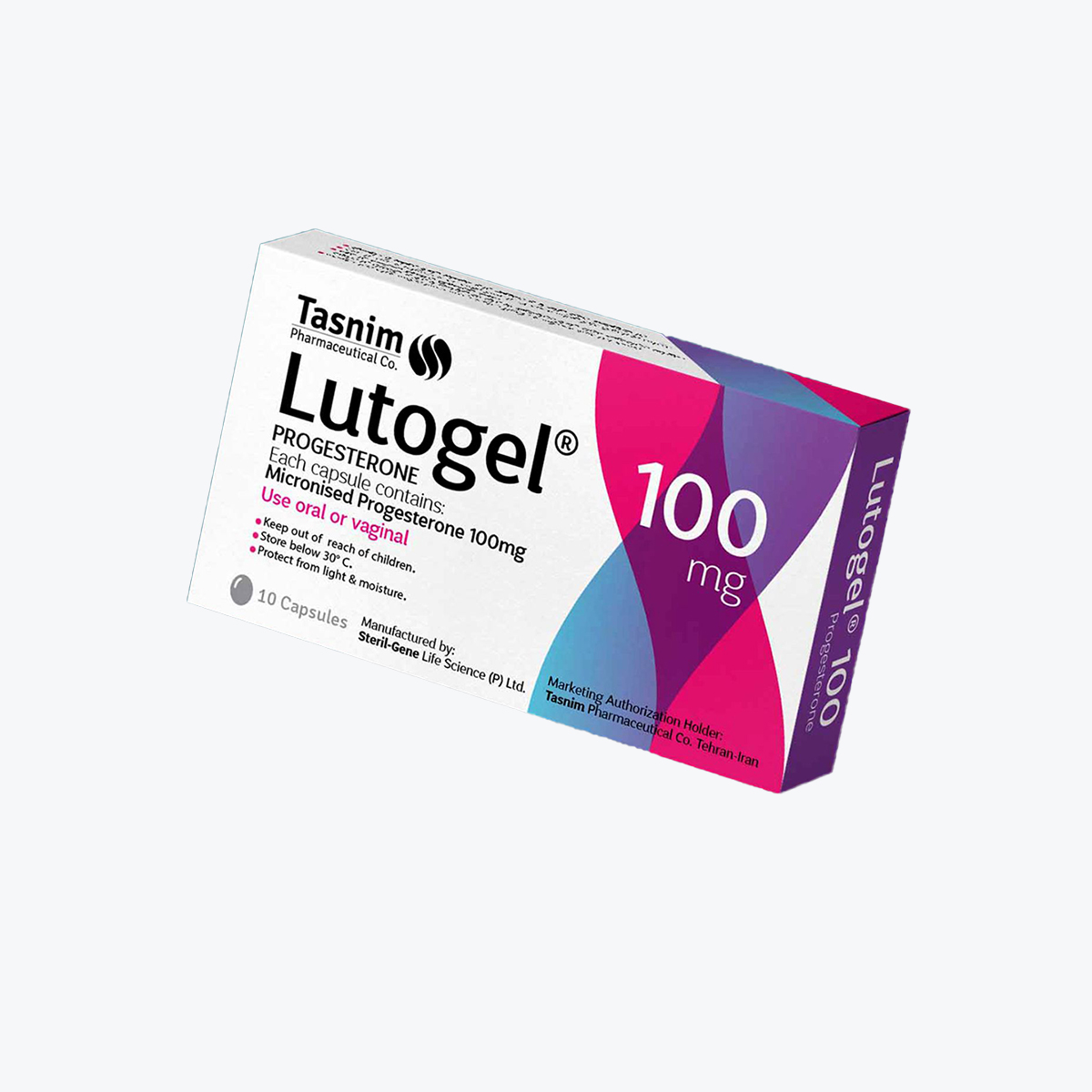
Don’t overlook safety warnings and product details on yourlabels either. Failing to include or follow required regulatory information, such as theFDA’s Cosmetic Labeling Requirements, can expose your business to legal liabilities and reputational damage that no amount of good design can fix.
Finally, skipping proper testing before mass production is the most preventable mistake of all. Functionality testing and prototyping let you identify flaws while they’re still inexpensive and relatively easy to correct.
Testing iterations has also gotten quicker and easier with the advent of AI tools and virtual prototypes.Packaging World reported that virtual testing can help you iterate quickly, and often at lower costs.
How to Avoid These Common Packaging Mistakes
Most of these custom box design mistakes can be avoided with the right processes in place. Here’s a straightforward framework to consider:
Do your research first. Conduct market research to understand your target audience, competitor packaging, and industry expectations before opening a single design file.
Define your brand guidelines. Lock in your colors, fonts, imagery, and messaging so every design decision is consistent and intentional.
Prioritize dimensions and materials early. Work with your structural team or packaging partner upfront to confirm product size, weight, and theright packaging materials for your needs.
Use high-resolution artwork. Always design at 300 DPI and confirm the specs with your printer before submission.
Prototype before you produce. Order physical samples and conduct functionality testing before committing to a full production run.
Prioritize sustainability. Incorporatingsustainable packaging practices, such as using biodegradable materials, recycled content, andminimalist designs, can help reduce environmental impact while enhancing brand reputation with eco-conscious consumers. Per McKinsey, products with sustainability-related claims have anaverage of 28% cumulative growth compared to products that don’t make such claims. The survey also found that there are groups willing to pay more for sustainable packaging options.
Proofread everything. Check every line of body text, product detail, and safety information on your final proof before approving it to protect your brand and ensure consumer safety.
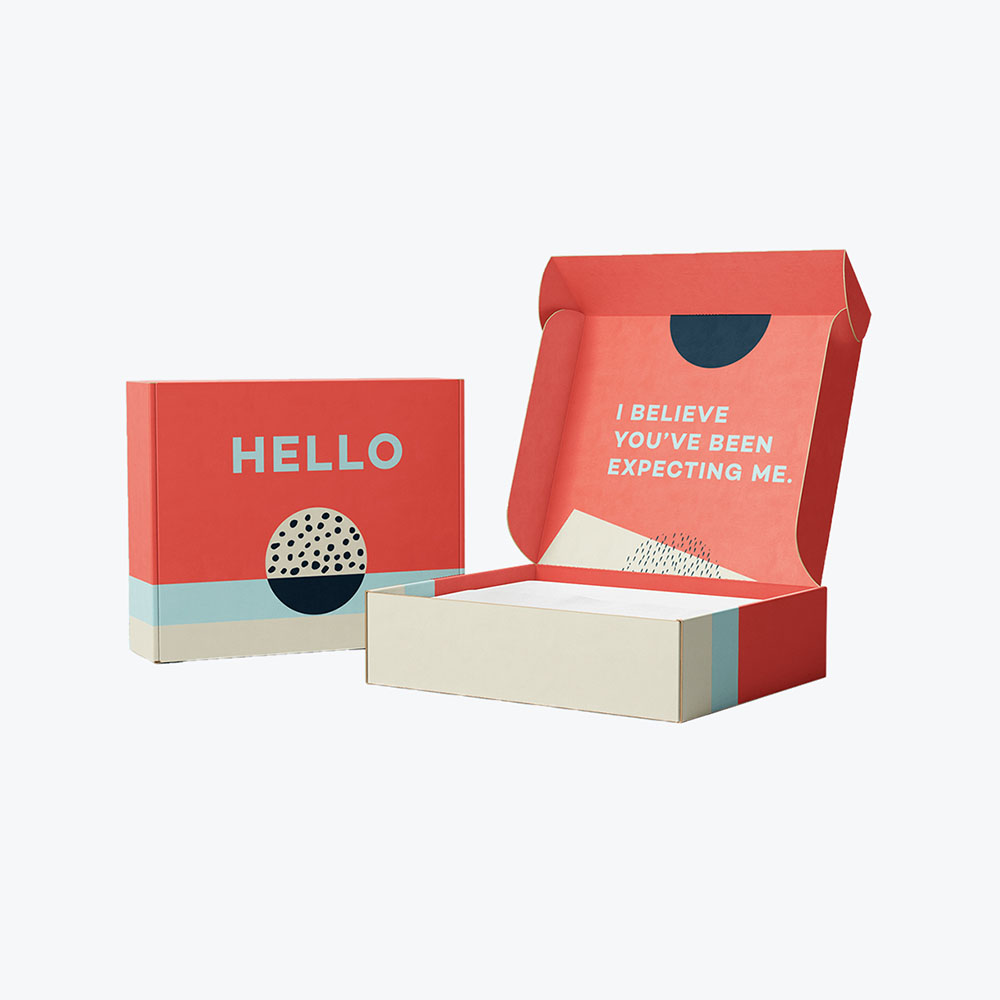
Neglecting theunboxing experience is one final oversight worth addressing head-on. Resealable closures, easy-open features,personalized inserts, delightful add-ons like samples, and thoughtful interior presentation all reflect directly on your brand.
Rare Beauty, for example, through itsMade Accessible Initiative, has designed product packaging that’s easy to use and offers a secure grip. Companies are also focusing on designing packaging that’s more suitable for older individuals,reported Packaging Digest.
Final Tips Before Ordering
Before you place your order, run through this quick checklist:
Are your dimensions confirmed against actual, physical product measurements?
Have you proofed all text for accuracy, including critical information and safety warnings?
Does your design follow a clear hierarchy that guides the consumer’s eye naturally?
Are you using high-quality materials appropriate for your product’s weight and fragility requirements?
Does your packaging reflect your brand values and genuinely speak to your target audience?
Have you ordered a physical prototype for thorough testing before mass production?
Custom box design is one of the highest-impact decisions you’ll make for your product’s market performance. By avoiding these common packaging mistakes, from wrong dimensions and poor material selection, to cluttered graphics and ignored sustainability considerations, you give your brand a real and lasting competitive edge.
Customer satisfaction starts long before they open the box. Invest in thoughtful, well-executed packaging, and it pays dividends in stronger brand identity, customer trust, and long-term growth, all while nurturing your customers’ emotional engagement and loyalty to your brand.
Ready to get it right the first time? Explore Refine Packaging’s custom box solutions and work with a team that understands both the creative and structural demands of packaging that performs. Contact us today torequest a free quote orget a free sample kit.
Alex Jasin is a Co-Founder and CMO at custom packaging box company, Refine Packaging. Thousands of companies including T-Mobile, Adidas, MetLife, Pandora, Marriott Hotels, and small businesses nationwide choose Refine Packaging for their custom boxes and wholesale product packaging needs. Recognized as a published thought leader by Dieline, Business Insider, and Entrepreneur, Jasin works tirelessly to help companies create eye-catching custom shipping boxes that stand out from the crowd. Jasin also serves as a consultant for a Blackstone-backed digital marketing agency in New York, where he works with Fortune 500 clients such as Ferrari, Allstate and Wells Fargo.








 Alex Jasin

 Amanda Jane Rivera

 Asif Muhammad
 Erica Campbell



.svg)
Share