Packaging design ideas are easy to find. Scroll for 10 minutes on TikTok or Instagram, and you’ll see minimalist boxes, luxury packaging, bold food packaging, clever labels, and unboxing videos that make tissue paper look like a main character.
But inspiration is only the first step. Turning that idea into packaging that ships correctly, prints accurately, fits your product, and converts customers is the hard part.
A great-looking box still has to protect the product, support your brand strategy, make sense for your budget, and work across the real world of storage, shipping, retail shelves, and e-commerce packaging. A design can look beautiful on a mood board and still fail if the colors shift in printing, the logo disappears at first glance, or the box gets crushed before it reaches the customer.
Good packaging does more than wrap a product. It shapes how customers see your brand before they touch what’s inside. For small businesses, it can create trust. For premium packaging, it can justify a higher price point. For lifestyle products, cosmetics, accessories, food, or consumer goods, the right design can create a memorable unboxing experience that customers want to photograph, share, and remember.
In this guide, we’ll look at practical packaging design ideas, current packaging design trends, and best practices for creating packaging that feels intentional from the first glance to the unboxing moment. We’ll compare minimalist packaging and luxury packaging, cover practical packaging design trends, and show how to improve the unboxing experience.
Why Creative Packaging Design Matters More Than Ever
Creative packaging does more than just hold a product – it grabs attention, communicates your brand story, and drives customer loyalty. In competitive markets, unique packaging can be the deciding factor for purchase, especially with online unboxings and social sharing on the rise.
Grabs attention on shelves and in unboxing videos
Builds brand identity through design, color, and materials
Enhances perceived value with premium presentation
Encourages repeat purchases through memorable experience
Boosts word-of-mouth and social media visibility
A crowded marketplace makes packaging work harder. Whether you sell food, cosmetics, accessories, lifestyle products, or e-commerce products, your box may be the first real interaction a customer has with your brand. Before they read the product details or try what’s inside, they’re already making assumptions based on the packaging design.
That’s why packaging design ideas should connect directly to brand strategy. A clean, minimalist box may signal simplicity and trust. A textured rigid box with foil stamping may communicate premium quality. A bright food packaging design with abstract patterns may help a product stand out at first glance. None of these choices are random. They tell customers what kind of brand they’re buying from.
Packaging also works like a visual marketing tool. The colors, logo, labels, materials, printing quality, and unboxing details all help customers understand the product before purchase. In retail, that can influence shelf appeal. In e-commerce, it can shape the unboxing experience and determine whether the package feels worth sharing in unboxing videos or behind-the-scenes videos.
Sustainability matters, too. McKinsey’s 2025 global consumer research found that some consumers are still willing to pay more for sustainable packaging, although price sensitivity remains real. For brands, that means sustainability has to be balanced with durability, cost, and actual packaging materials. A compostable film, reusable container, recycled cardboard box, or natural fiber-based solution only works if it protects the product and fits the business model.
In short, packaging design affects how customers see the product, how they feel during the unboxing moment, and whether the brand looks credible enough to purchase from again.
Popular Packaging Design Styles
The best packaging design ideas usually start with a clear brand position. Before choosing colors, finishes, or materials, ask: What should customers feel at first glance?
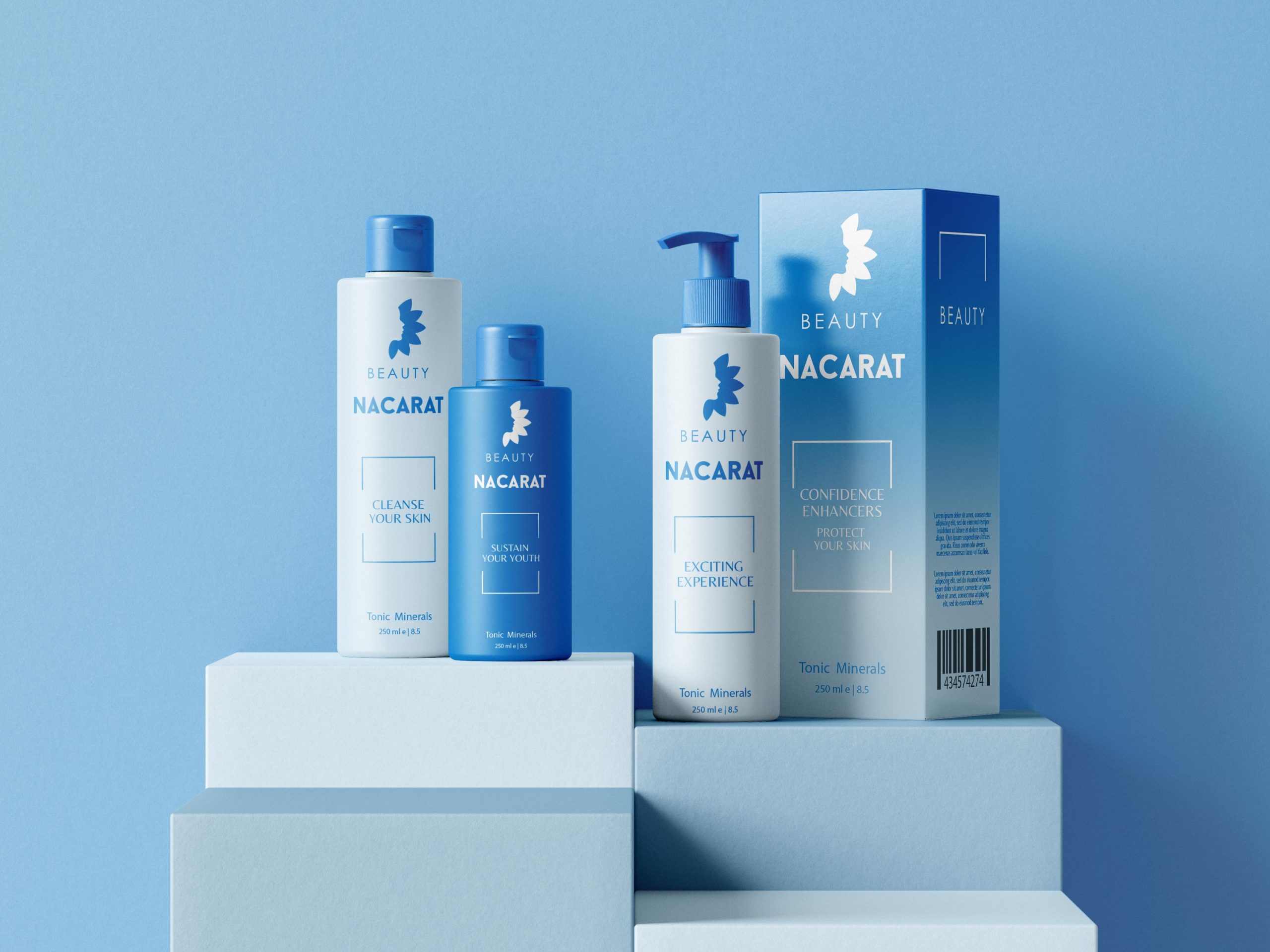
Minimalist Packaging Design
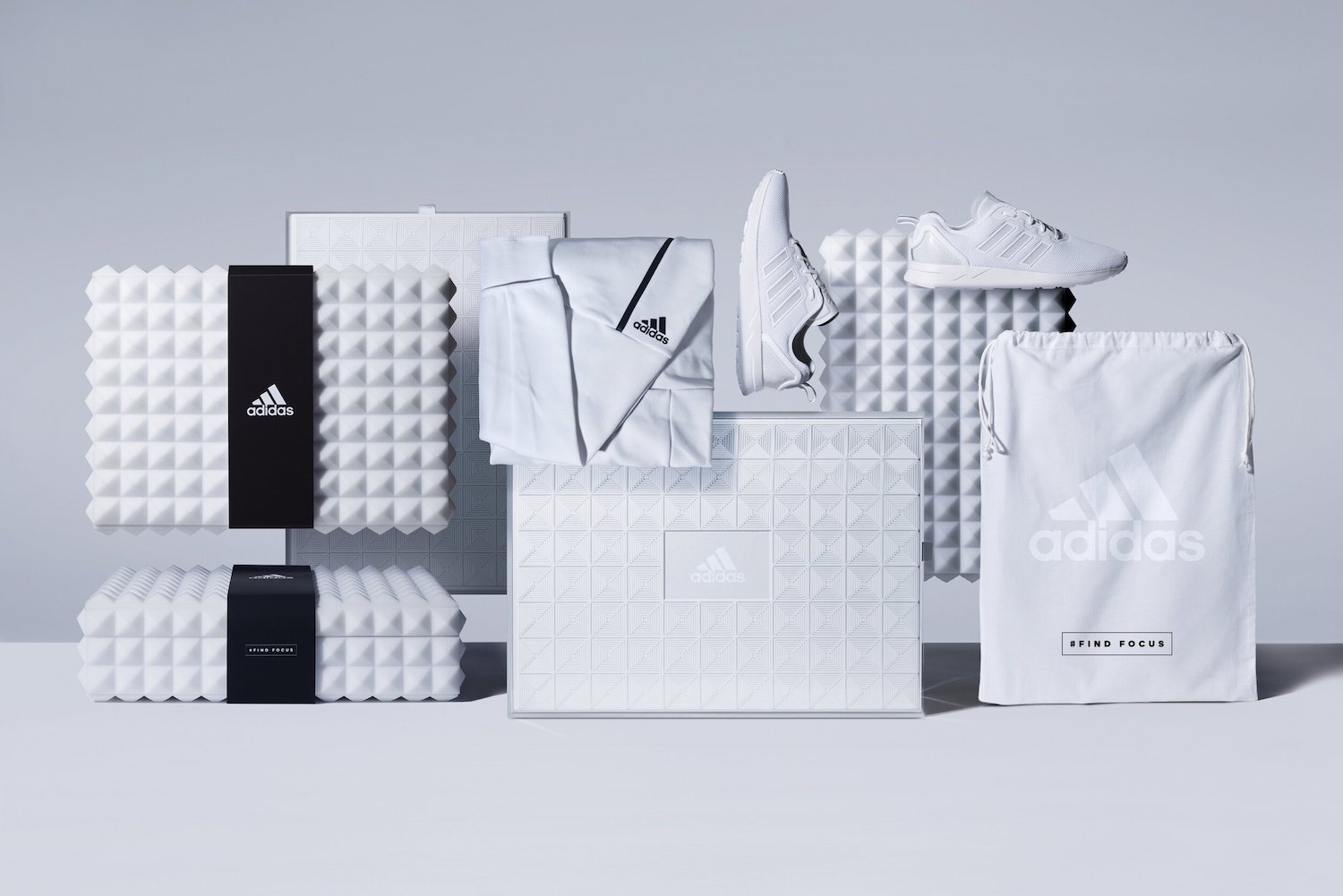
Minimalist packaging uses clean layouts, limited colors, simple typography, and plenty of white space. It puts the focus on clarity, not clutter.
This style often works well for:
Skincare, wellness, and supplements
Premium basics and lifestyle products
Candles, home goods, and modern accessories
DTC brands that want a clean, trustworthy aesthetic
The cost depends on the material and finish. A simple folding carton with one or two ink colors can be cost-effective, but minimalist doesn’t always mean cheap. Premium paper, embossing, soft-touch coatings, or a rigid box can quickly raise the unit cost.
Luxury Packaging Design
Luxury packaging uses premium packaging materials, rich color palettes, texture, and finishes like foil stamping, embossing, debossing, spot UV, magnetic closures, or thick rigid boxes. The goal is to create a high-end feel before the product is even opened.
This style often works well for:
Cosmetics and fragrance
Jewelry and watches
Premium food, wine, or specialty gifts
High-end electronics and lifestyle products
Luxury packaging usually costs more because it often requires thicker materials, more production steps, premium finishes, and higher-touch assembly. A rigid luxury box can cost 3-5x more per unit than a simple folding carton, so this style makes the most sense when the product price and brand strategy support it.
Bold and Vibrant Packaging
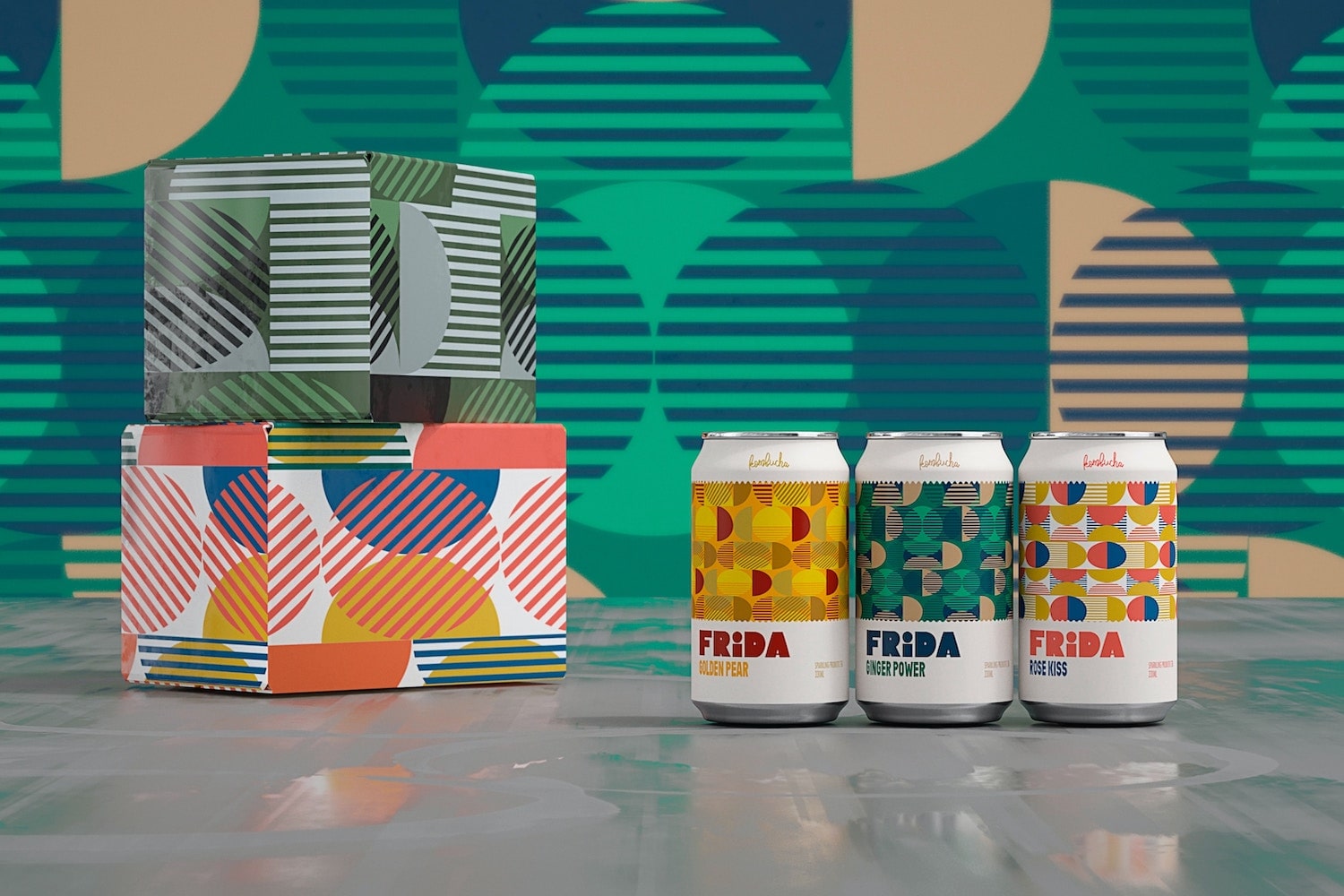
Bold packaging design ideas use bright colors, strong graphic design, abstract patterns, playful typography, and high-contrast printing to stand out fast. It’s built for attention, especially in busy retail or social media feeds.
This style often works well for:
Youth snack brands and beverage brands
Streetwear, accessories, and lifestyle products
Limited-edition product lines
Trend-driven food, beauty, or wellness launches
Cost can stay moderate if the structure is simple and the main investment is printing. However, complex artwork, specialty inks, and multiple finishes can push the price higher.
Eco-Friendly and Natural Packaging Design
Eco-friendly packaging often uses kraft materials, cardboard, natural fibers, recycled paper, earthy colors, and simple labels. The style leans into authenticity, sustainability, and a more human touch.
This style often works well for:
Organic food and natural beauty brands
Sustainable products and refillable goods
Handmade items, small businesses, and craft brands
Brands focused on recycling, reusable packaging, or compostable films
Kraft and recyclable paper-based materials can be cost-effective, but sustainable packaging isn’t automatically the cheapest option. Materials, coatings, durability needs, and supply chain availability all affect the final cost.
Minimalist vs. Luxury Packaging
Both minimalist packaging and luxury packaging can feel premium, but they get there in different ways. Minimalist design creates confidence through restraint. Luxury design creates value through materials, finishes, and detail.
Choose minimalist packaging when your brand is built around clarity, simplicity, sustainability, or modern essentials. Choose luxury packaging when the product price, customer expectation, and unboxing experience need to feel more premium.
Packaging Design Trends Worth Considering
Not every trend calls for a redesign. The best packaging design trends are the ones that affect cost, customer experience, sustainability, or how the package performs after purchase.
1. Sustainable packaging materials
Sustainability is still one of the biggest packaging decisions for brands, but it has to be practical. Brands need to balance sustainability, durability, and cost instead of choosing materials only because they sound eco-friendly.
This trend can include recycled cardboard, natural fibers, reusable containers, compostable films, reduced-plastic structures, or right-sized boxes that cut waste.
Packaging innovation continues to prioritize sustainability, with brands adopting eco-friendly materials such as seaweed-based films and compostable inks alongside mono-material designs that improve recyclability and simplify the recycling process.
2. Unboxing-first design
The unboxing experience is no longer just a bonus for luxury brands. An e-commerce packaging reportfound that packaging choices can affect repeat purchase behavior, especially when customers see too much packaging or poor-fit packaging as wasteful.
The unboxing experience has become a powerful extension of the customer journey, helping bridge the gap between online and in-store shopping while strengthening brand loyalty through thoughtful, personalized touches such as handwritten notes. Premium packaging, including smaller, luxury-focused designs that emphasize mindful consumption, further elevates the experience, and with unboxing videos generating 25 billion views in 2023, packaging has become an influential marketing and brand-building tool.
3. Interactive packaging
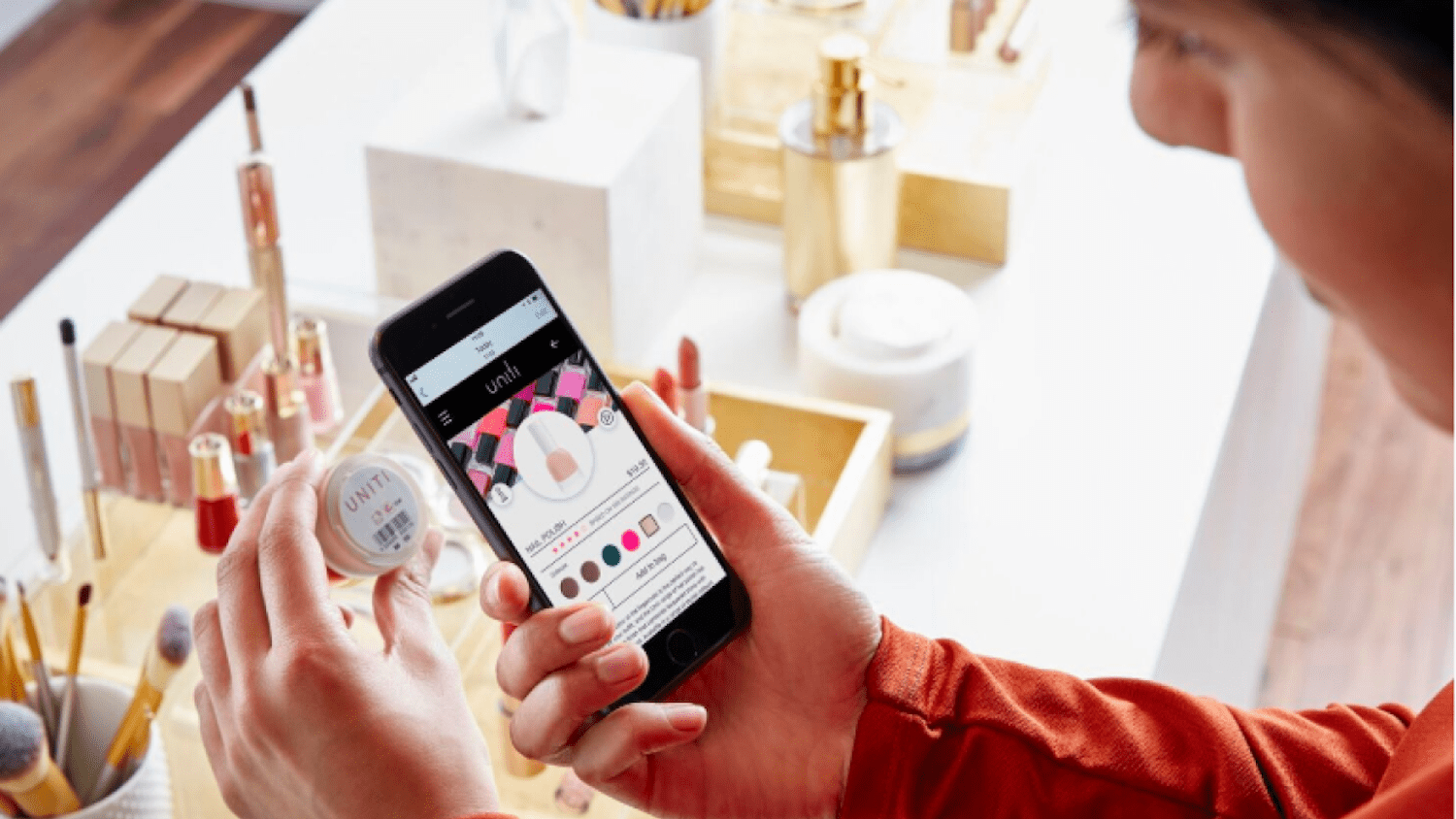
Interactive packaging uses technology to connect the physical box with digital content. That might mean QR codes that lead to behind-the-scenes videos, product tutorials, recycling instructions, loyalty offers, augmented reality features, or brand storytelling.
This is useful when the package needs to carry more information than the label can handle. Food brands can link to ingredient sourcing, while cosmetics brands can share usage tips.
Smart packaging enhances customer engagement by integrating technologies such as QR codes and NFC chips that connect consumers to interactive digital experiences. At the same time, AI is transforming packaging design by accelerating development, personalization, and creative workflows.
16 Creative Packaging Design Trends
With in-store shopping still widely restricted, today’s package designers and brand owners are working hard to give customers an immersive brand experience they can enjoy anywhere. Creative packaging design is still powerful, influencing 81% of consumers to try something new and 52% to switch brands. Why? Observers say that designs are shifting from a commercial look to a more creative, artistic approach.
For more packaging ideas, here are 16 of the most popular current trends in brand packaging design:
1. Protective Solutions
With customers conscious about protection amid viral contamination risks, marketers and shippers are expected to prioritize protective packaging. Examples of these are hygienic sleeves for canned drinks and antibacterial surface coatings, such as Touchguard for carton boxes. Because paper-based products are made of porous materials, they’re considered less hospitable to viruses compared to plastic and glass.
Meanwhile, as a growing number of brick-and-mortar stores shift their operations online, they’re expected to partner with a creative packaging designer to safely ship their unusually shaped products to customers, as in the case of plumbing supplies.
2. Sustainability
A growing number of companies are looking at product packaging materials that are not just recyclable but also require less energy to produce. Additionally, some brands are responding to calls for non-plastic alternatives that can be repurposed.
Carton designs are a popular option and can become an essential backbone branding element, with 73% of consumers considering the material as sustainable packaging. Eco-friendly packaging also affects consumer perception, with over 40% stating that such package types evoke “premium-ness.”
3. Miniature Formats and Tiny Patterns
From food to cosmetics to coffee packaging, brands are trying to lure shoppers through miniature portions or versions of their products. Small and compact that can fit in your pocket or bag is a great example of packaging that’s perfect for travel. Affordability is another high selling point of these portable products.
Also, small and intricate illustrations and patterns symbolizing the packaging’s contents will replace the former trend of having overwhelming images on the package.
4. Simple Geometry
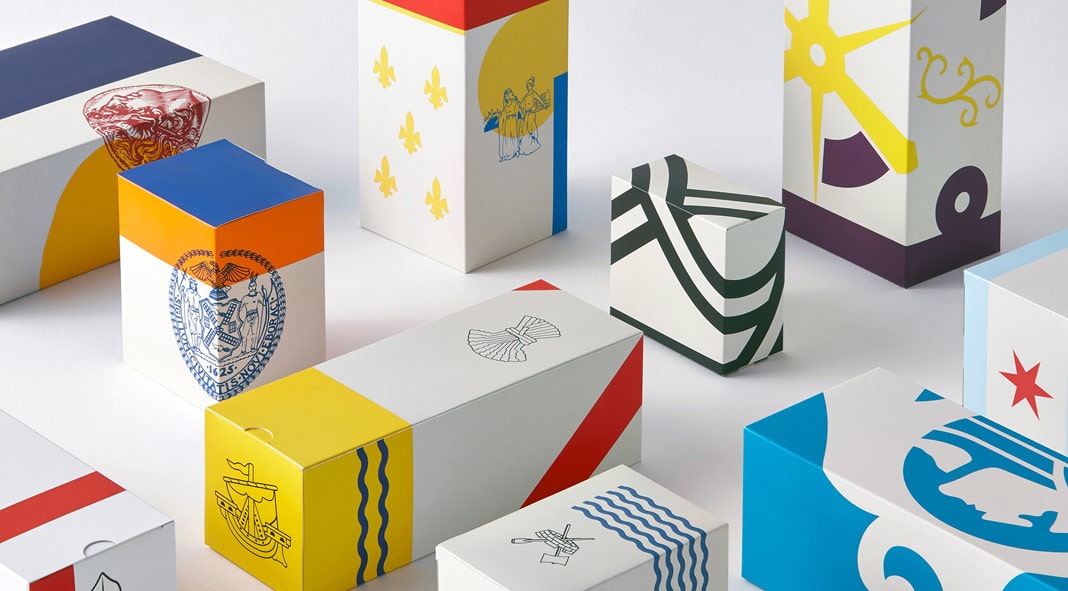
Customers can expect businesses to incorporate abstract designs – simple but bold colors, fluid shapes, sharp angles, and clean lines—into their packaging design elements to create an impact.
5. Solid Colors
Brands are also using the power of color psychology, incorporating one bright and bold color with big typography (although slim fonts may also work) into their packaging design projects. In some cases, the use of an unconventional shade can quickly direct the shopper’s eyes to the copy.
The right combination of color and font style powerfully invokes a certain mood or feeling. How text styles and colors correlate also builds up excitement for seeing the product contents. Up to 90% of consumers’ perceptions regarding a brand are based on colors.
6. Color Blocking and Gradients
Color blocking is putting together two or three different colors—opposing or not under one tone. Instead of straight-edged boxes of color, you’ll find random-looking blobs, uneven shapes, and flowing lines.
This technique is found in the product packaging and logo design of many organic brands, which uses contrasting, nature-inspired colors.
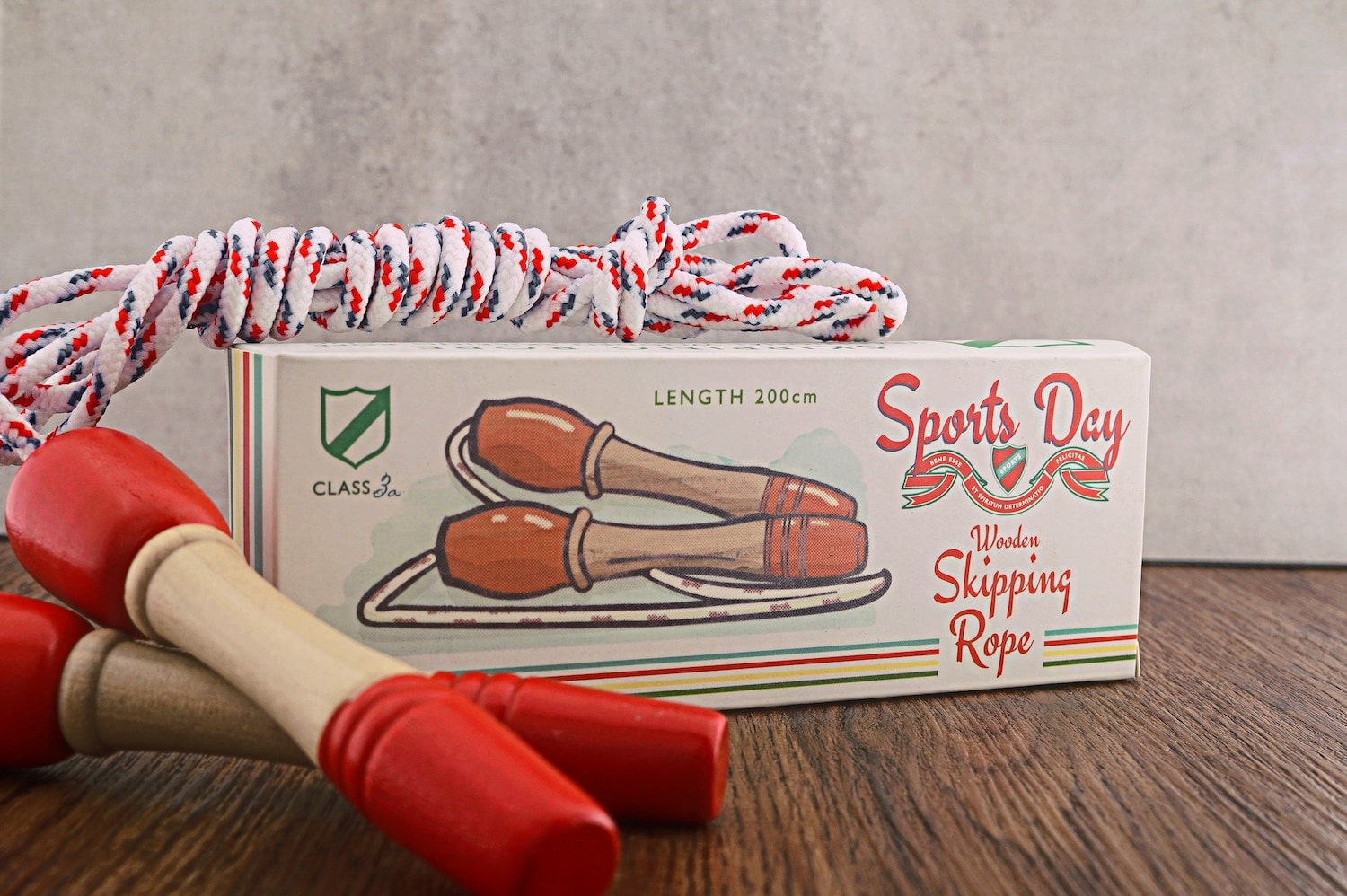
7. Vintage
With this trend, not only do parts of a packaging—logos, fonts, and colors—look old-school (19th to 20th century), but the entire material, label, and sometimes even the shape looks vintage
You can use this creative packaging approach to conjure nostalgia or to create a sense of longevity and proven quality. Products can also acquire an air of luxury through the use of traditional lettering, motifs, and a retro color palette.
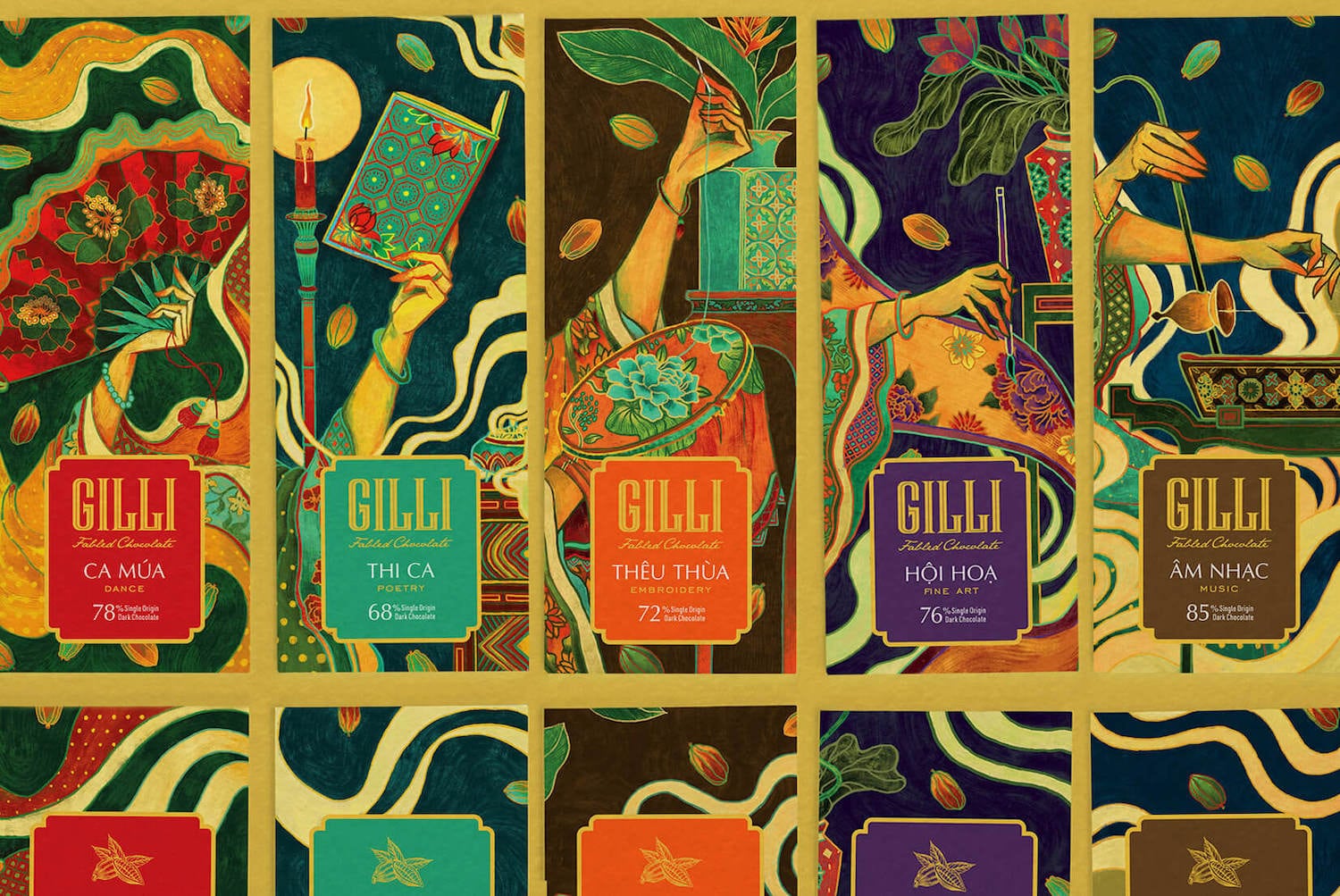
8. Fine Art
Creative packaging design experts also draw inspiration from the realistic portraiture or abstract paintings of the Old Masters as well as fluid art techniques. Popular designs try to capture the effect of freshly poured resin and textures on newly painted canvas or long-dried oil paintings.
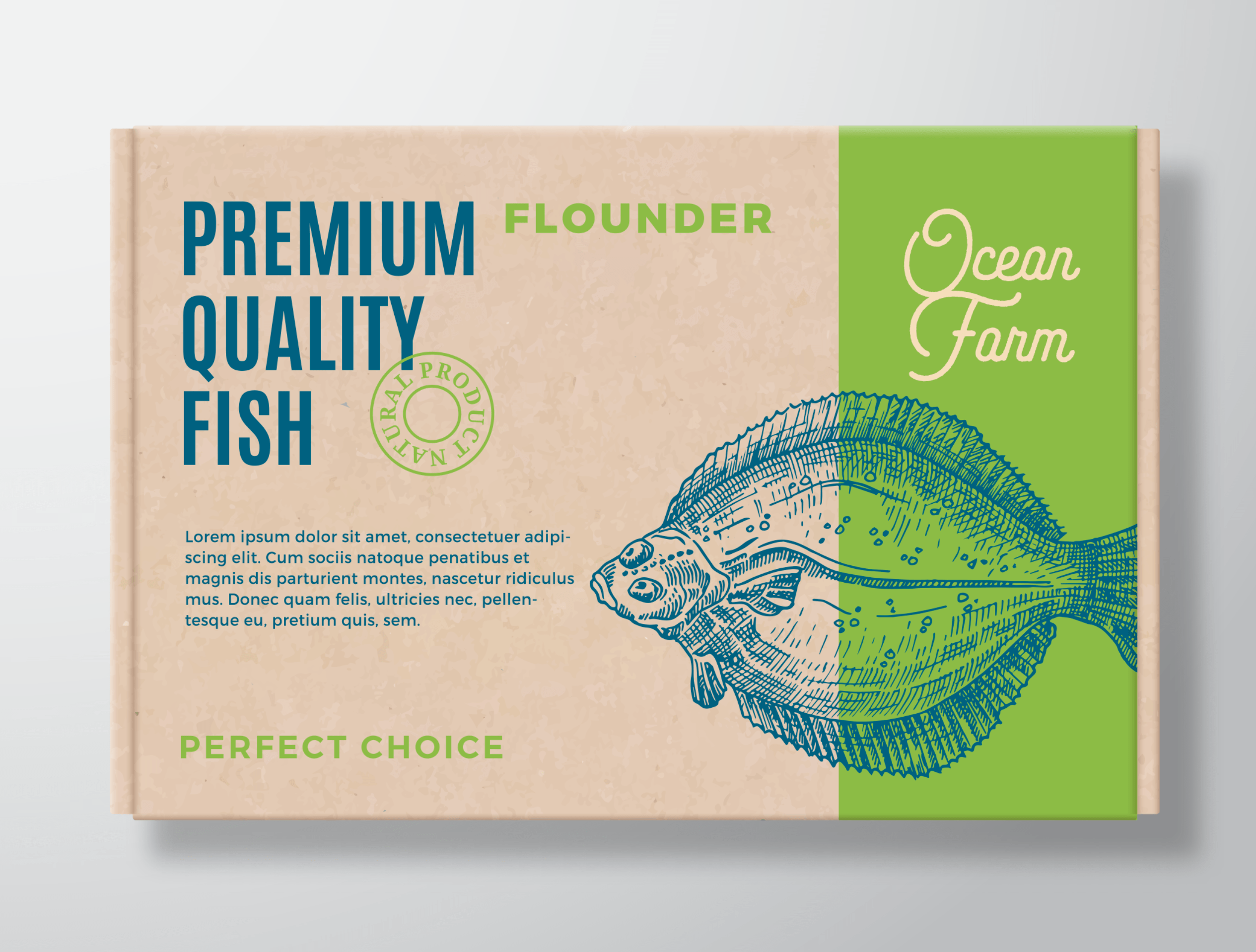
9. Anatomical and Technical Drawings
This refers to detailed pencil or ink-drawn illustrations that are reminiscent of books with yellowed paper found in museums or the library’s archive section.
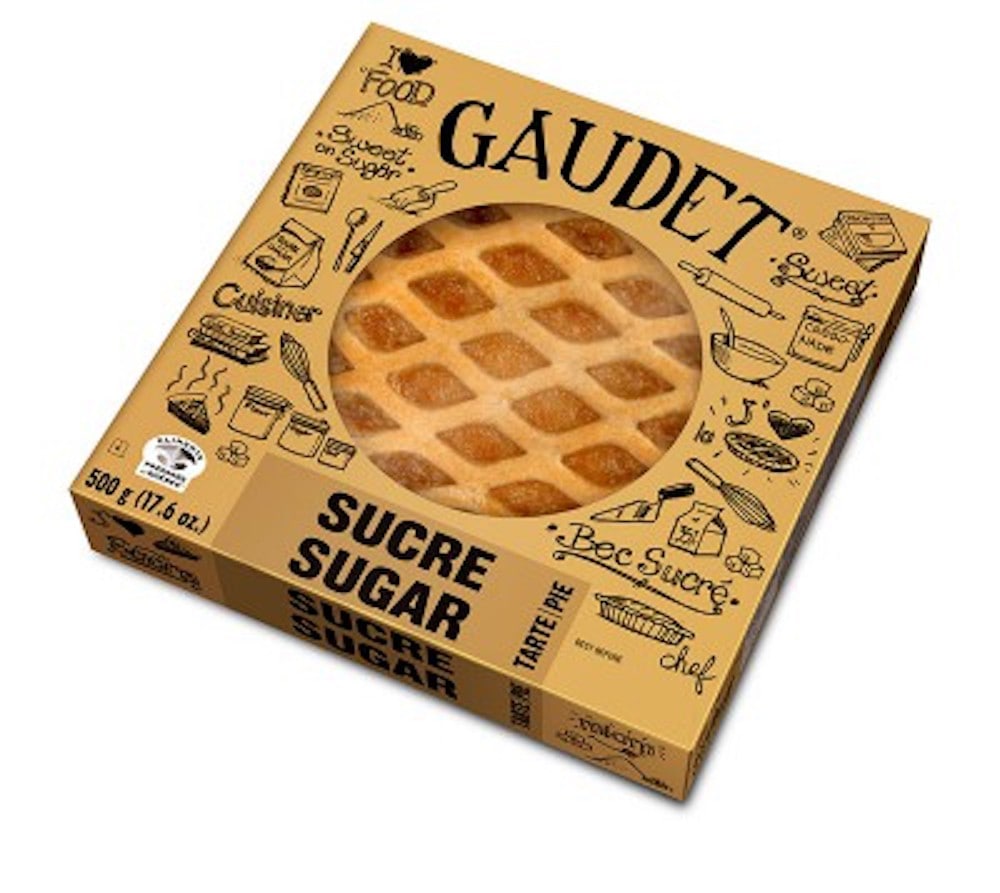
10. Transparency and Windows
To achieve the opposite effect of solid color packaging, you can use see-through materials, so buyers will know exactly what they’re getting. You can also opt for a package design or style that incorporates windows to give customers a glimpse of your product. Revealing packaging can dispel doubts that shoppers may have about the content’s freshness and safety.
11. Flat Illustrations
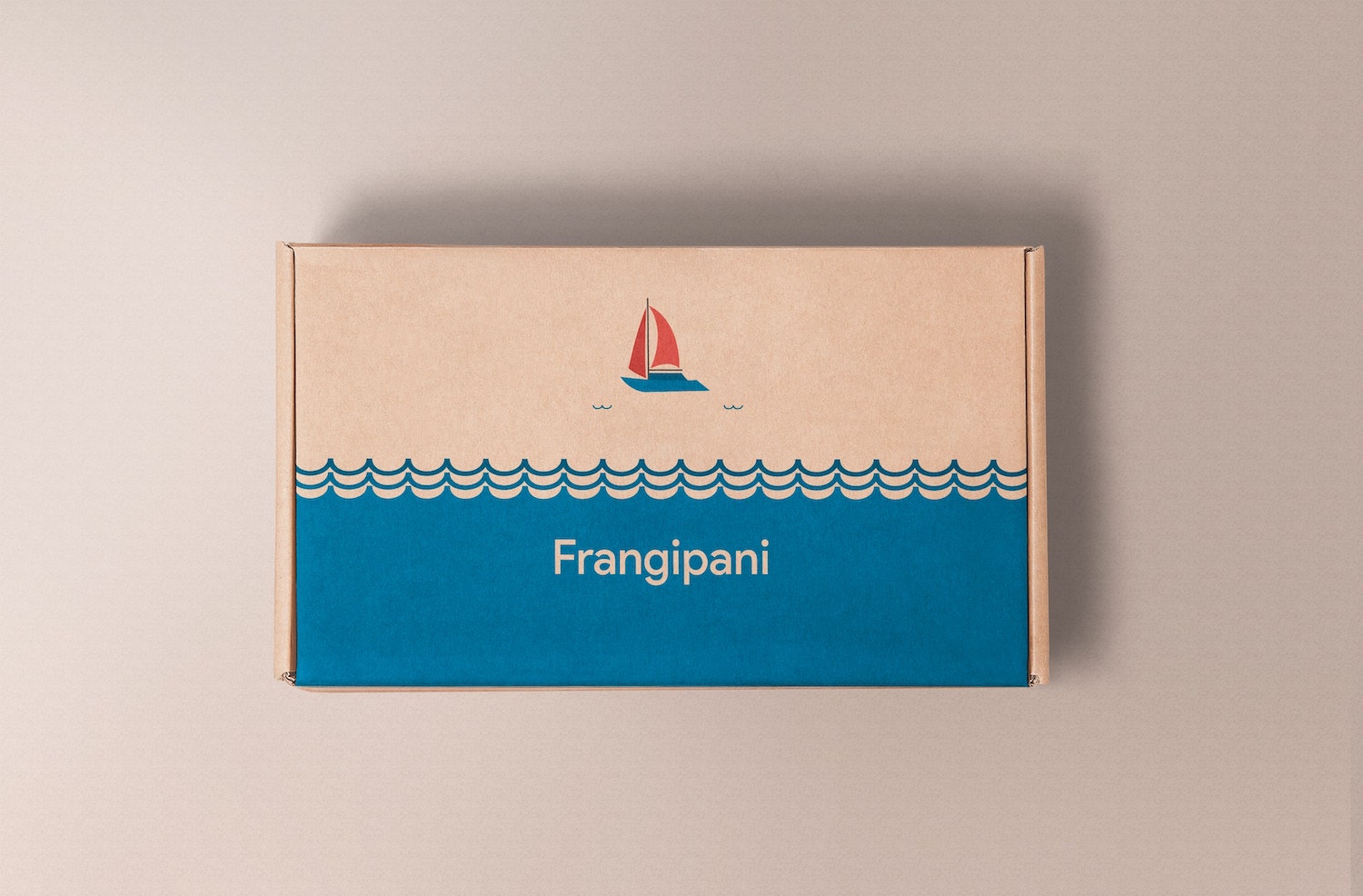
Flat illustrations use two-dimensional drawings with simple, minimalist shapes and bright colors. The absence of shadows makes the elements appear clean and sharp.
12. Soft, Natural Colors
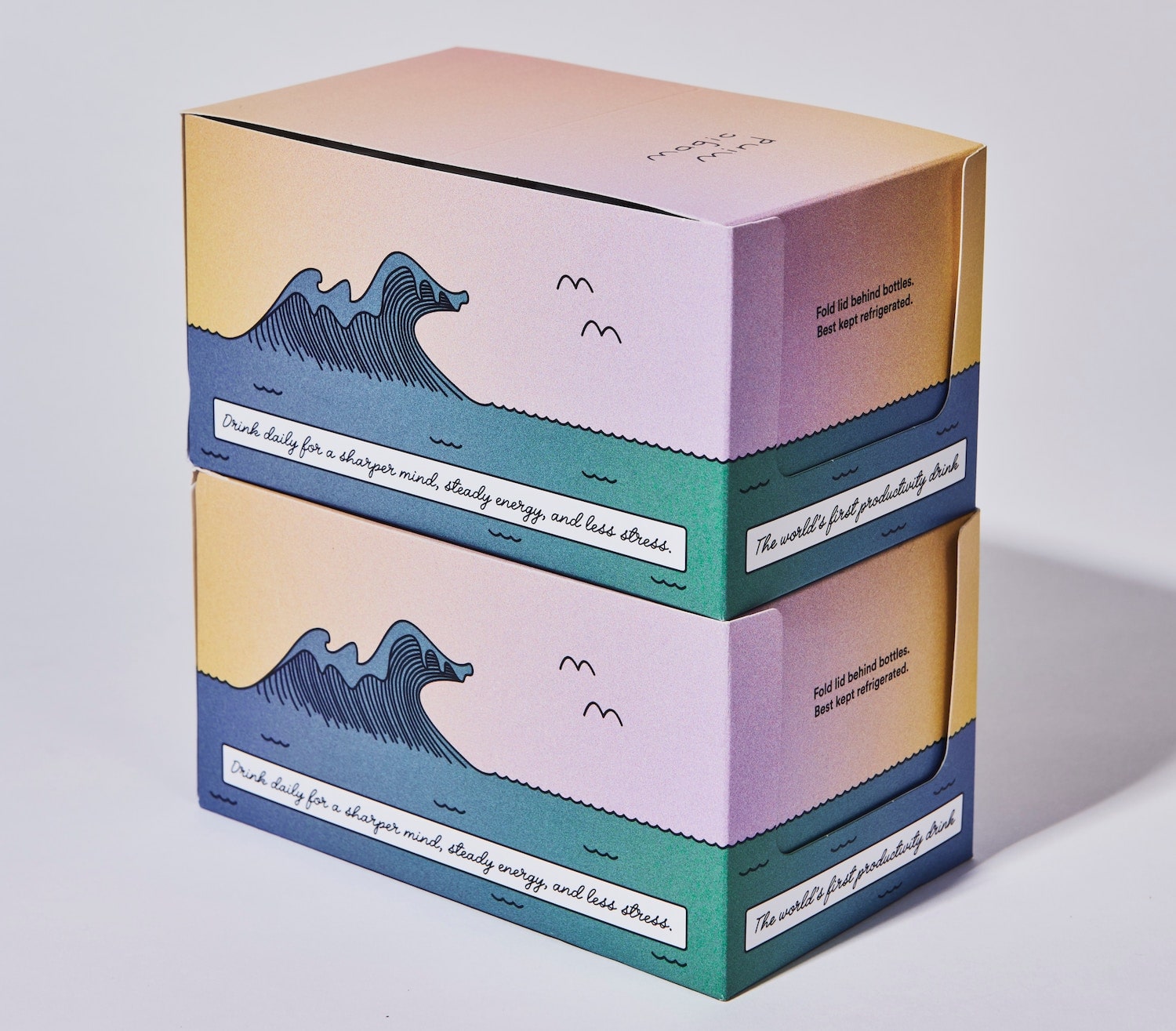
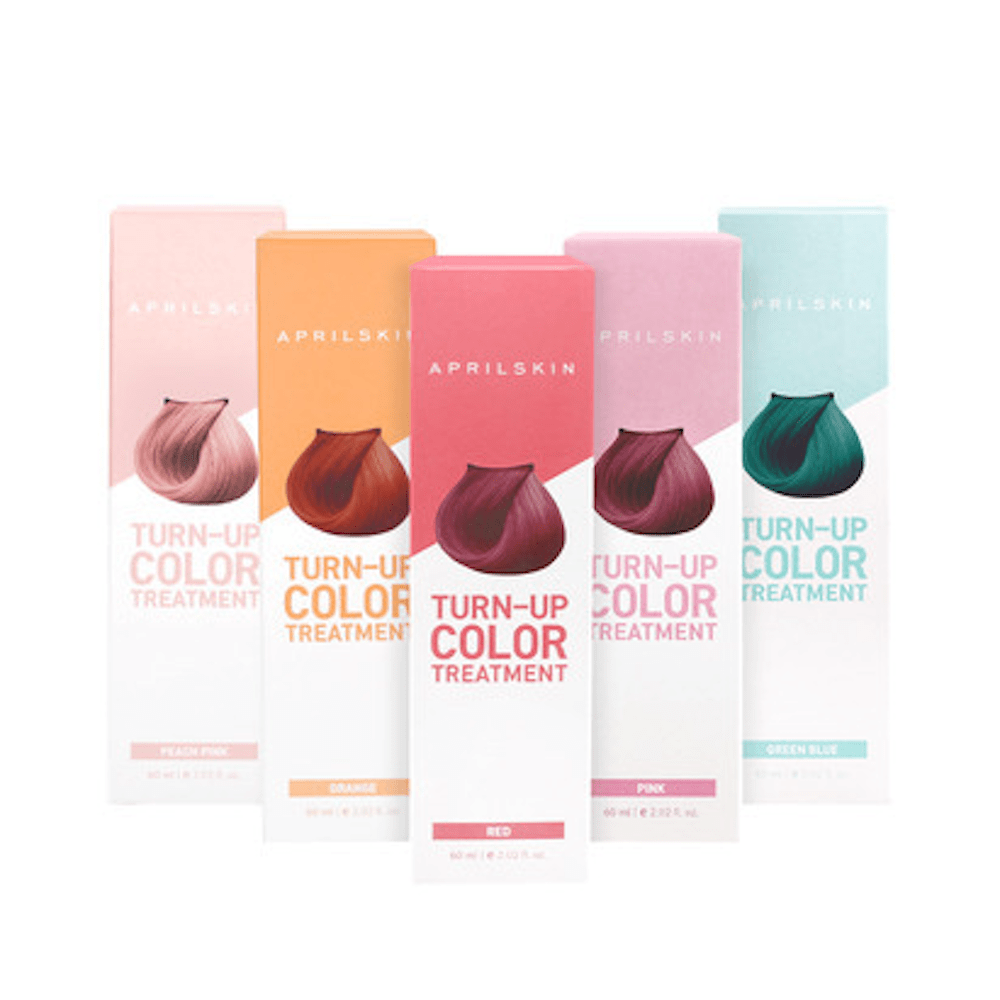
Soft pastel hues can be visually refreshing. Colors and textures resembling stone, foliage, and nature are great packaging design inspirations with a calming effect. Throw in some contrasting elements to add inspiration to your gentle color palette.
13. Storytelling
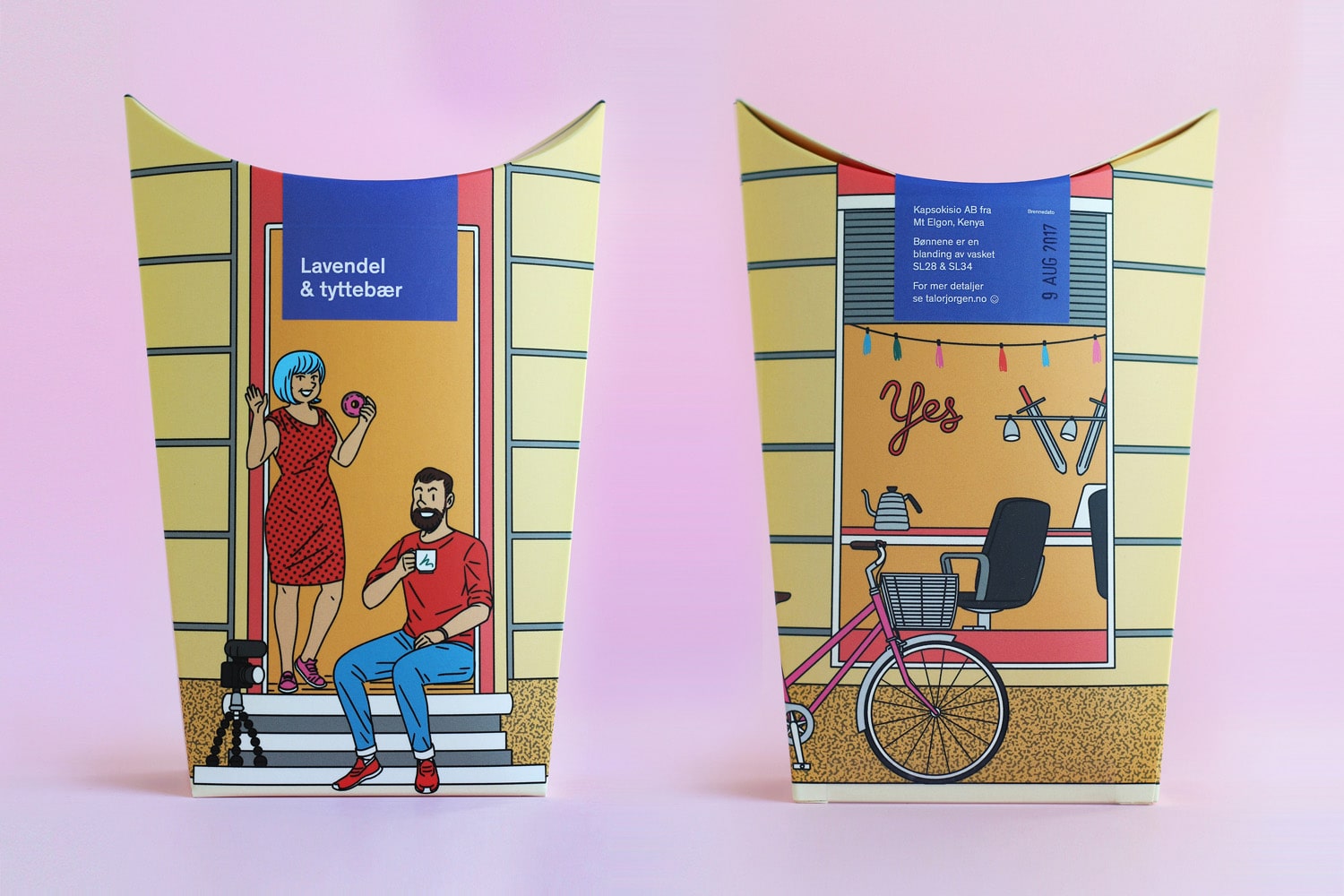
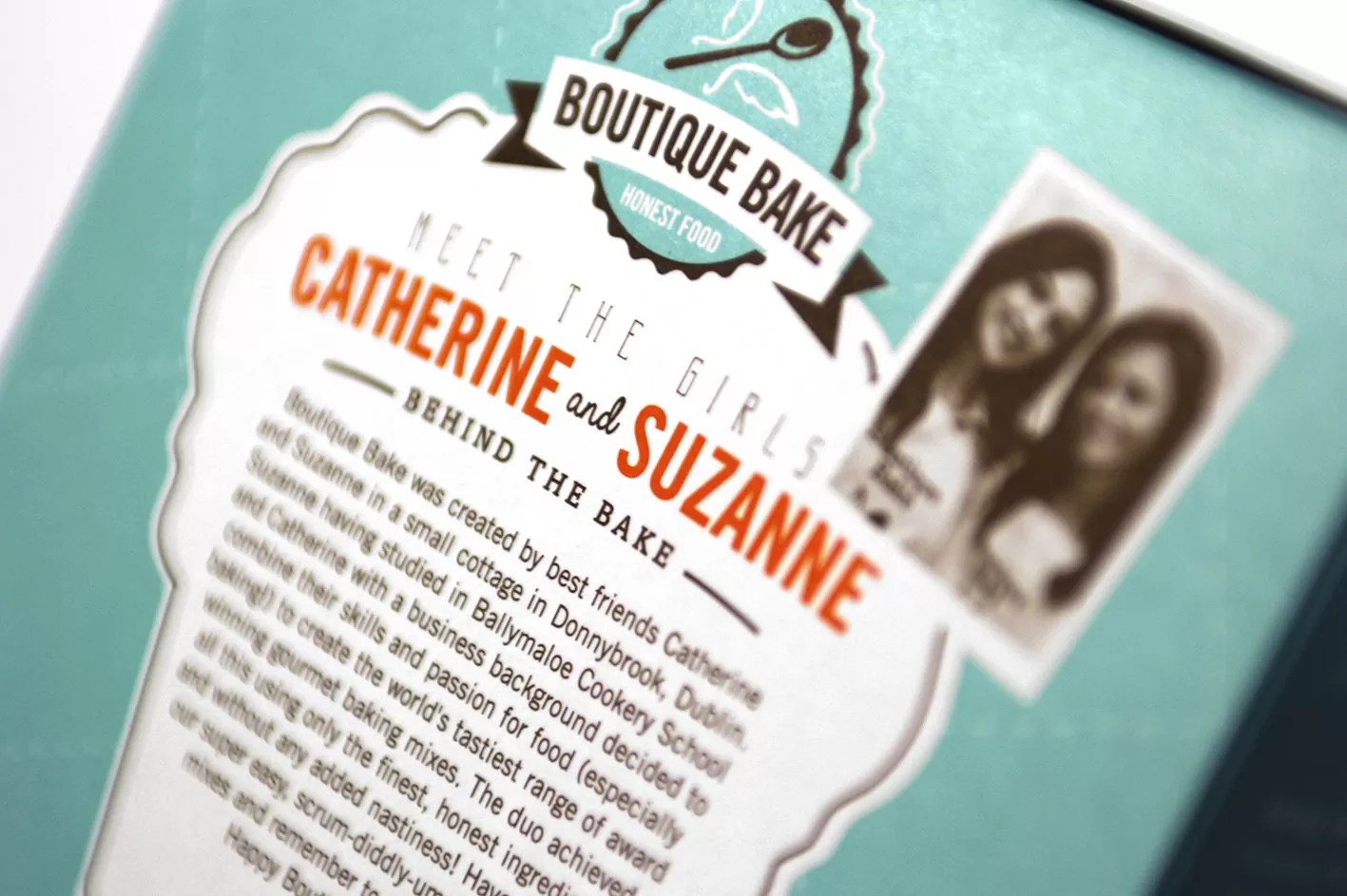
Brand mascots can tell the story of a business, many times doing the job faster and in a more engaging way. Many companies have presented their characters in cartoon form, turning their unique packaging ideas into what look like panels of a comic book. A business can also share its history or values through a series of illustrations on its package design to bond better with its customers as part of a unified brand strategy.
14. Experimental Fonts
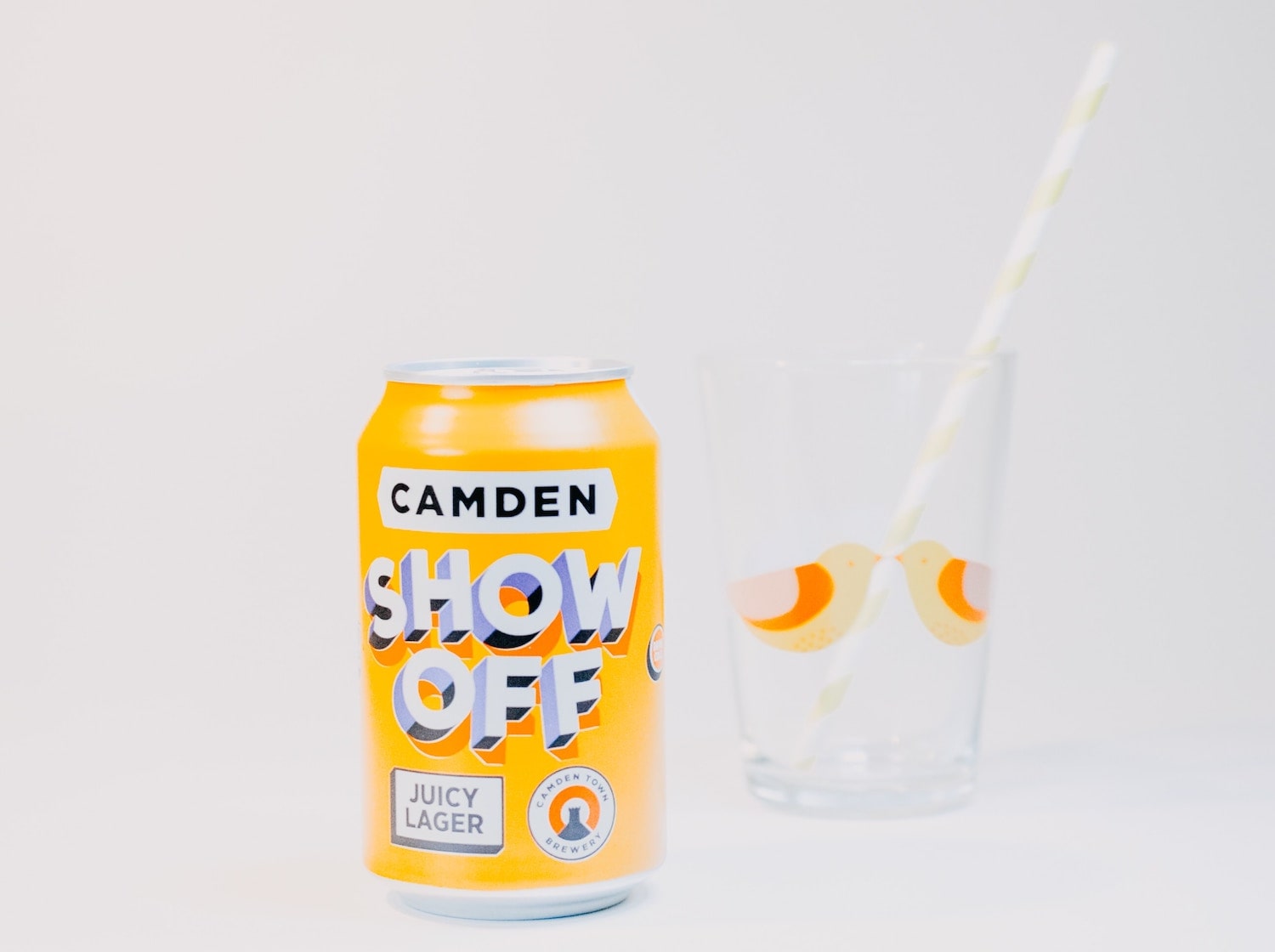
Bold fonts are taking the place of images to grab attention. Many packaging designers will experiment with 3D fonts and typefaces with gradients.
But at the same time, buyers are also more likely to warm up to products with fonts that are easy to read, even from a distance. Clear typography helps customers decide more quickly, allowing them to shop faster during in-store trips.
15. Textures
The power of sensation has been used in marketing as far back as the 1930s, when psychologist and design consultant Louis Cheskin coined the term “sensation transference.” He said that perceptions are directly related to aesthetic design.
Brands targeting a higher-end market aren’t only aiming for visual identity but also a tactile experience to reinforce luxury values. An embossed treatment, gold and silver foil, smooth and glossy finishes, or velvety surfaces are classic examples.
Offering a positive tactile experience is also applicable for non-premium items, particularly packaging designs for products made for children or the elderly. Depending on one’s target age bracket, packaging designs should be convenient to handle besides looking fun or safe.
16. Tech Integration
Fun and unique packaging and labels can become customer engagement tools by featuring interactive content that shows off moving visuals, games, and more using augmented reality. But these cool packaging ideas aren’t just out to entertain the tech-savvy crowd—the elements should still support the product or brand’s story and purpose.
Companies can design these phone-scannable labels to animate your logo and label elements or give more information about a product, whether it’s behind-the-scenes production, directions for use, special product features, or how to enjoy promos. The inclusion of QR codes can also support the ongoing campaign for contactless transactions.
Also referred to as connected packaging, this modern packaging design is expected to grow 7.4% until 2027
Where to Find Packaging Design Inspiration
Before you look for inspiration, define your brand position and price point. Style follows strategy. A beautiful packaging idea won’t help much if it doesn’t fit your product, budget, customers, or shipping needs.
Look for inspiration in three places:
Online platforms: Instagram, Pinterest, and unboxing videos can show how brands use color, labels, tissue paper, printing, and the unboxing experience in the real world.
Competitor research: Study top brands in your niche, then look for gaps. Are they all using minimalist packaging? Is there room for a bolder, more playful design?
Retail shelves and product lines: Walk through stores and pay attention to what stands out at first glance. Notice the materials, logo placement, typography, durability, and how similar products are grouped.
The goal is to collect enough inspiration to understand what feels right for your brand, then turn that idea into packaging that can actually be produced. That means asking questions like:
Why does this logo placement work?
Would this color still stand out on a shelf?
Does the box style match the product’s price point?
Could this design survive shipping, printing, and handling?
A 2024 arXiv paper from Cornell University on brand visibility in packaging found that logo placement, visual attention, and surrounding design elements can affect how packaging draws attention. That’s a useful reminder that inspiration should be filtered through practical design choices, not copied one-to-one.
Packaging Design Best Practices
Good packaging design has to do several jobs at once. It needs to look like your brand, explain the product clearly, protect what’s inside, and create a strong unboxing experience without making production harder than it needs to be.
Keep branding consistent. Your packaging should feel connected to the rest of your brand, from your website and social media to your product lines and retail display. Use consistent colors, logo placement, typography, labels, and tone so customers recognize the brand at first glance.
Prioritize clarity and readability. A beautiful box still needs to communicate quickly. Make sure product names, ingredients, instructions, size, scent, flavor, or key benefits are easy to read. This matters even more for food packaging, cosmetics, and consumer goods, where customers compare several options in seconds.
Design around function first. Packaging should protect the product, fit the item properly, and be easy to open. Sometimes the smartest detail is a clean opening tab, a snug insert, or tissue paper that keeps the product in place without creating a mess.
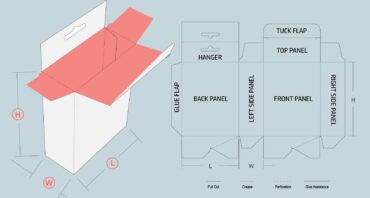
Respect print and production limits. Every packaging idea eventually has to fit a dieline. That means your graphic design needs to work with folds, cuts, glue areas, bleed, coatings, and packaging materials. A logo that looks perfect on screen may land awkwardly on a crease if the dieline isn’t considered early.
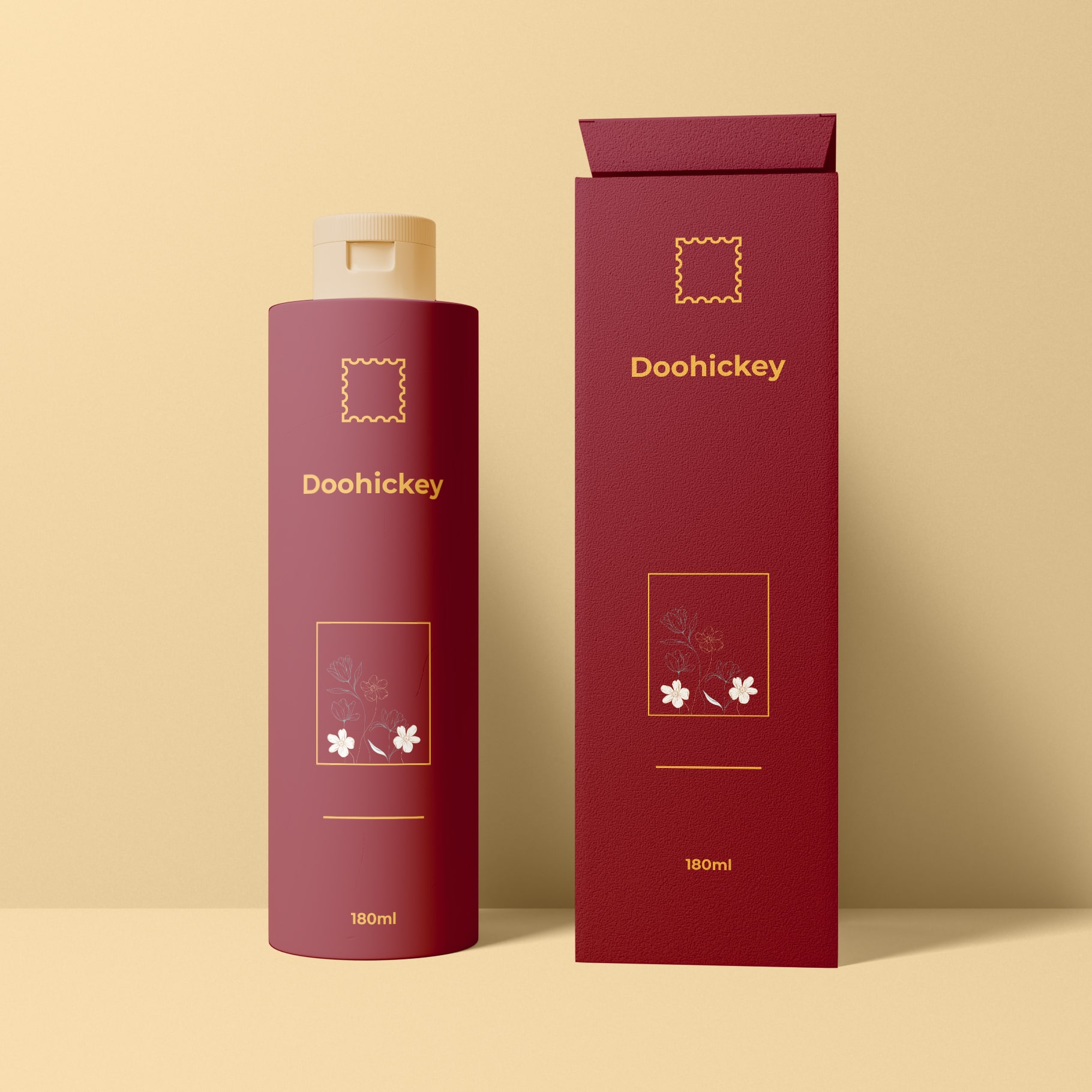
Choose materials and finishes with purpose. Matte lamination, foil stamping, embossing, and soft-touch coatings can strengthen the overall design, but they should support the brand strategy. Use premium touches where they add value, not just because they look good in a mockup.
Design the customer moment. Think about what customers see first, what they touch, what they remove, and what they might share. The best packaging design ideas connect the outside of the box, the inside structure, and the unboxing moment into one smooth experience.
Common Packaging Design Mistakes
Even strong packaging design ideas can fall apart if the design doesn’t match the product, customer, or production process. Watch out for these common mistakes:
Overdesigning the layout: Too many colors, labels, patterns, and messages can make the box hard to understand. If customers can’t tell what the product is at first glance, the design is doing too much.
Ignoring the target audience: A playful, neon design may work for a youth snack brand, but not for premium skincare. Packaging should match what your customers expect from the product and price point.
Choosing trends over brand identity: Trends like augmented reality, abstract patterns, or bold typography can be useful, but only if they support the brand strategy. A trend should improve the packaging design, not replace the brand.
Forgetting shipping conditions: A box can look beautiful in a mockup and still fail in transit. Premium packaging that gets crushed, scuffed, or damaged before delivery hurts the unboxing experience and the customer’s trust.
Not testing before production: Colors can shift from screen to print, foil stamping may not register cleanly, and inserts may fit differently than expected. Samples help catch these issues before a full production run.
How to Turn Inspiration Into a Real Packaging Design
Inspiration is useful, but it needs to become a box that can be printed, folded, shipped, and opened without drama. Here’s the practical process:
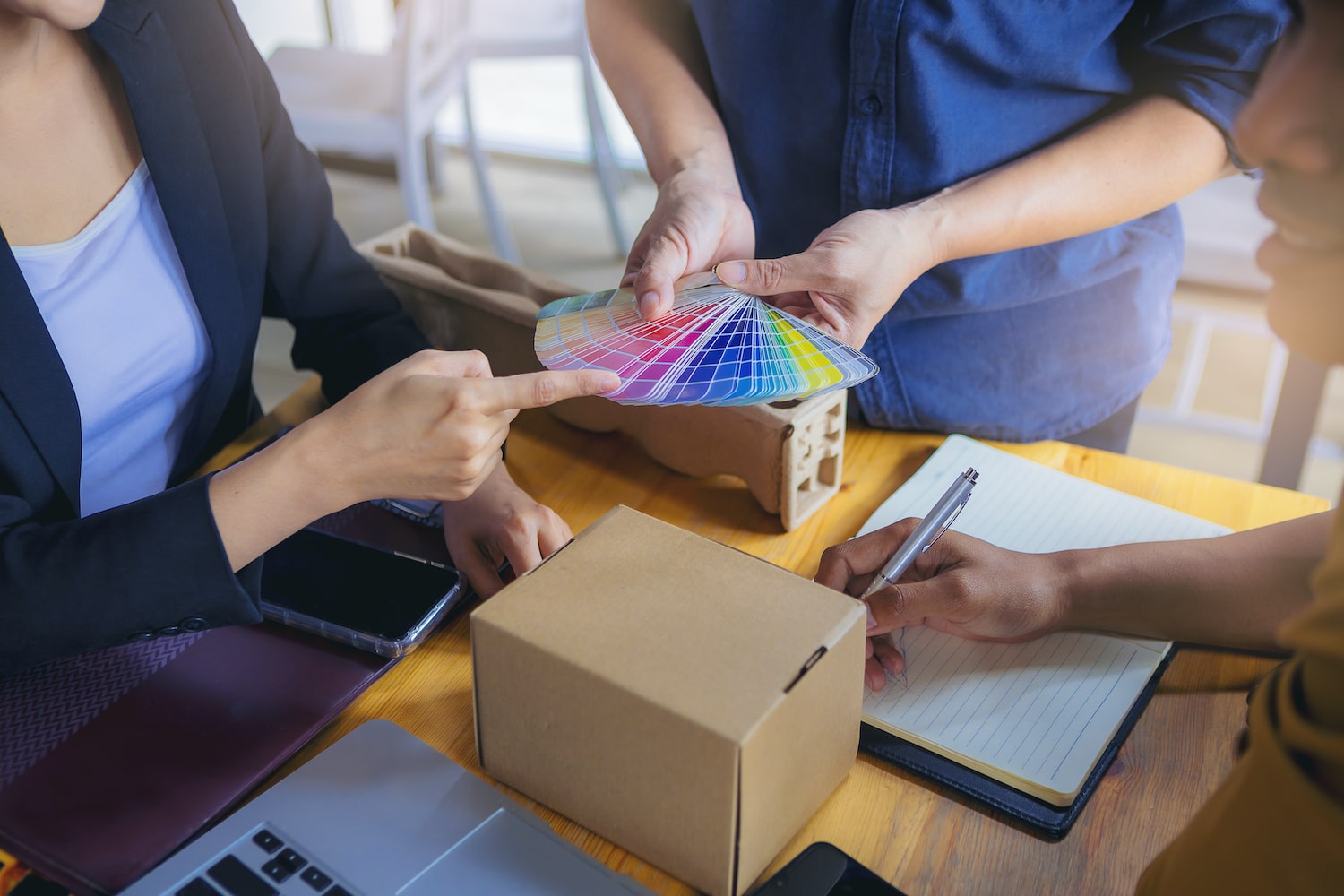
Define your brand and audience. Decide who you’re trying to reach, what price point you’re supporting, and what the packaging should communicate. This is where many brands get stuck because they like several styles at once. Refine Packaging experts can help you better align your packaging choices.
Choose a design direction. Pick the style that fits the product: minimalist packaging for clean and modern brands, luxury packaging for premium products, bold packaging for trend-driven lines, or sustainable packaging for eco-conscious customers. For brands struggling to choose between styles, our team can recommend packaging solutions suited to their product and goals.
Match the idea to the materials. A kraft design, rigid box, cardboard mailer, or reusable container will each change how the final packaging feels. Brands often struggle to balance budget with quality and sustainability. Our team can provide guidance to help you select suitable size, material, and style options.
Apply the design to a dieline. Turning flat dielines into 3D packaging can be complex. This is where Refine Packaging can help translate the creative idea into a production-ready structure.
Test with samples. Review the print quality, logo placement, box fit, inserts, tissue paper, and unboxing moment before approving the full order. It’s easy to overlook subtle issues in structure, finish, or user experience. At Refine Packaging, we can supply physical samples so you can evaluate the materials and finish.
Refine before production. Adjust the artwork, materials, finishes, or structure based on the sample. Small changes at this stage can prevent expensive problems later. For some brands, it can be difficult to decide which changes improve quality and which are just unnecessary revisions. Our team can provide support for feedback and adjustments before the final production.
Bringing Your Packaging Design Ideas to Life With Refine Packaging
Every brand has a moodboard, but very few have a production-ready dieline that matches it. That’s where Refine Packaging helps. Our team translates packaging design ideas into custom boxes that can actually be printed, produced, shipped, and used by customers without the idea falling apart in the real world.
Whether your brand needs minimalist packaging, luxury packaging, bold food packaging, or sustainable e-commerce packaging, Refine Packaging can help with the materials, sizes, finishes, and structure behind the design. That includes folding cartons, mailer boxes, rigid boxes, cardboard packaging, labels, inserts, tissue paper, and other details that shape the final unboxing experience.
Premium finishing options like matte, gloss, and soft-touch coatings, along with foil stamping, embossing, and spot UV, are available. Solutions are also built to scale, accommodating both startups and established brands.
Refine Packaging can help with structural support, dieline guidance, sampling, and prototyping. That means you can test the design before committing to full production and catch issues caused by incorrect assumptions, such as expecting screen colors to match print but seeing darker results.
Gather your inspiration and define what you like about it.
Clarify your brand style, audience, and price point.
Choose the right materials, structure, and finishes.
Apply the design to a production-ready dieline.
Test the box with a sample or prototype.
Refine the details before final production.
Conclusion
Great packaging design balances creativity and strategy. Inspiration should lead to intentional choices, not a box that looks good online but fails in print, shipping, or customer experience.
Not always. Minimalist packaging can be cost-effective if it uses simple materials and printing, but premium paper, rigid boxes, embossing, or soft-touch coatings can still raise the price.
What packaging design style is best for my brand?
It depends on your product, audience, and price point. Wellness brands may lean minimalist or eco-friendly, while luxury beauty brands may need premium packaging.
Why should I order a packaging sample?
A sample helps you check the structure, print quality, colors, materials, and unboxing moment before full production. It helps you catch problems before they become expensive.
Asif Muhammad is a Co-Founder and Partner at the custom packaging box company, Refine Packaging. Recognized as a recommended packaging firm by Shopify and 99designs, thousands of companies nationwide choose Refine Packaging for their custom boxes and wholesale product packaging needs – including T-Mobile, Adidas, MetLife, Pandora, and Marriott Hotels. Asif’s leadership in the manufacturing industry stems from a mission to make the custom packaging process easier for businesses of all sizes. With 10+ years of packaging and engineering experience, Asif is uniquely suited to help companies think outside the box to create memorable retail packaging.







 Alex Jasin
 Erica Campbell

 Amanda Jane Rivera

.svg)
Share