In product-based businesses, delayingstartup packaging decisions to the final stage of product development can lead to rushed choices with serious consequences. With no time to measure and test boxes, packaging may end up oversized or lacking in stacking strength and damage control.
In an interview with Food Navigator USA, packaging strategistGreg Lawson said that when packaging is a “downstream execution task,” problems are likely to occur as pressures from timelines, rising costs, and compliance arise.
This guide breaks down thebranded packaging process into nine steps, which will take you from idea validation to optimization and scaling.
Step 1: Validate Your Product Idea
This step involves verifying market demand for your product and determining how to create packaging and sell goods in a way that generates a profit margin. Failing to plan for market fit can be fatal to businesses, ranking second on CB Insights’ list of “top 9 reasons startups fail,” after capital shortfall.
Age, income levels, education, location, and pain points shape consumer expectations. Match your eCommerce packaging decisions to the demographics you’re aiming for. Budget-conscious shoppers typically prioritize cost-efficiency and functionality while premium shoppers value luxe presentation and a multi-sensory experience.
Research the standard packaging in your niche by visiting in-person storefronts and online marketplaces similar to your product-based business. Take note of the most commonly used packaging formats – their structure, shape, and style. Also, observe the extent to which they use eco-friendly materials.
Product-Based Business Considerations
Launching a product-based business requires a detailed business plan to guide development, attract investors, secure funding for startup costs and initial inventory, and analyze unit economics to establish profitable pricing.
A minimum viable product (MVP) enables faster market entry and customer feedback, while successful products can generate passive revenue through 24/7 sales. Compared with service-based businesses, which generally have lower startup costs and minimal overhead but fluctuating revenue tied to client projects, product-based businesses often face greater customer support demands related to returns and warranties.
Understand Packaging Requirements Early
Most importantly, understand your packaging requirements early. More than three-quarters of participants in aGoodfirms survey have already acknowledged that the product is the primary factor in branded packaging design selection.
When calculating startup packaging expenses, factor in materials for custom packaging boxes and inserts or fillers, design, printing, minimum order quantities (MOQs) required by your printer, storage, and shipping charges.
Step 2: Define Your Brand and Positioning
You need a cohesive strategy to make your product-based business easy to recognize and remember.
Keep your logo, typography, and colors (visual identity), as well as brand purpose and unique selling point (core narrative), uniform across multiple products. Your price point and target demographic also help set you apart from other products.
Your product-based business model should influence your packaging strategy as much as your branding does. This model refers to the method your company uses togenerate revenue, and the ideal packaging varies for each model. They include:
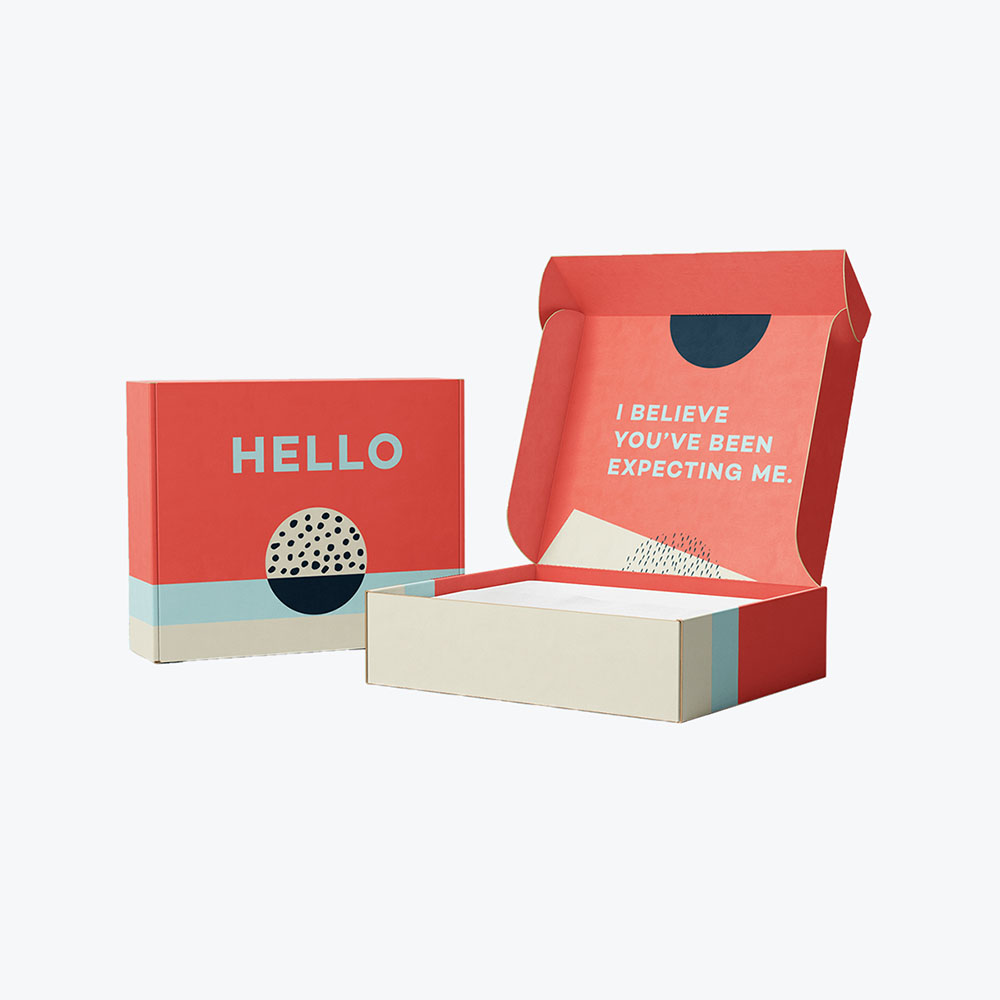
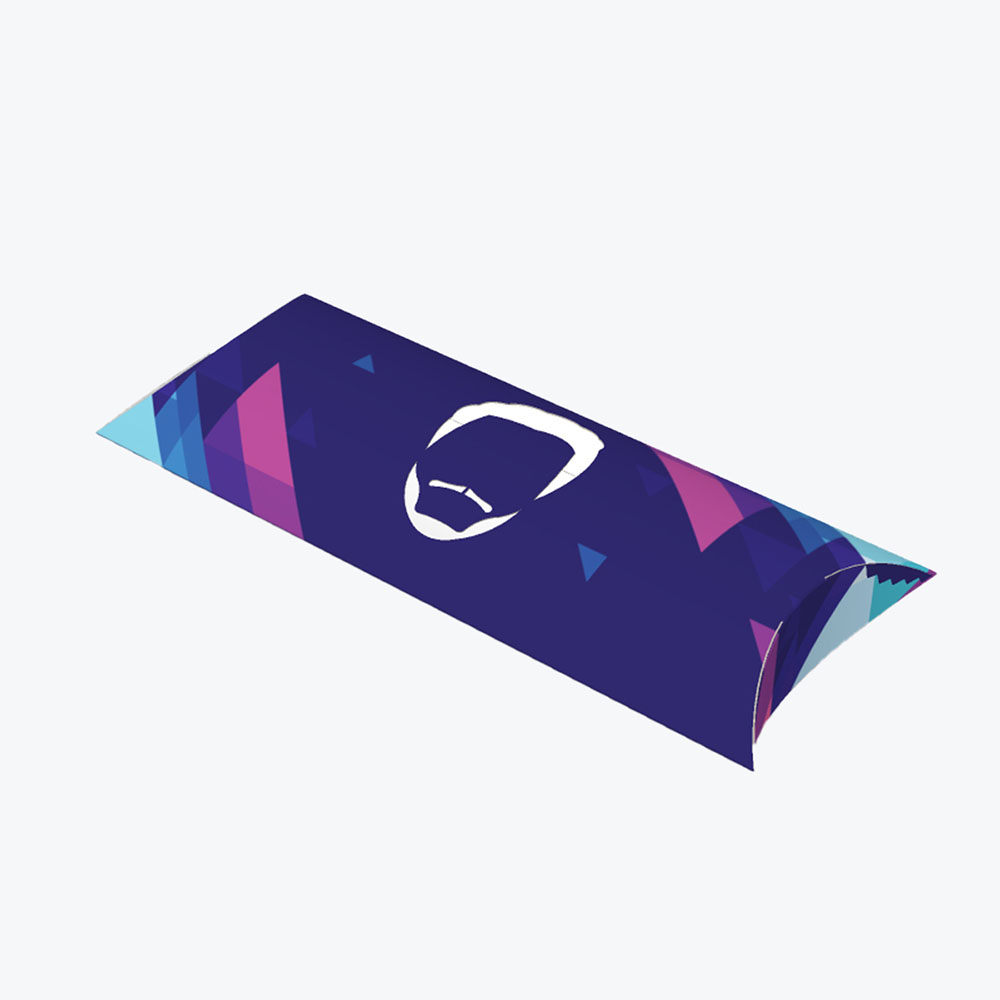
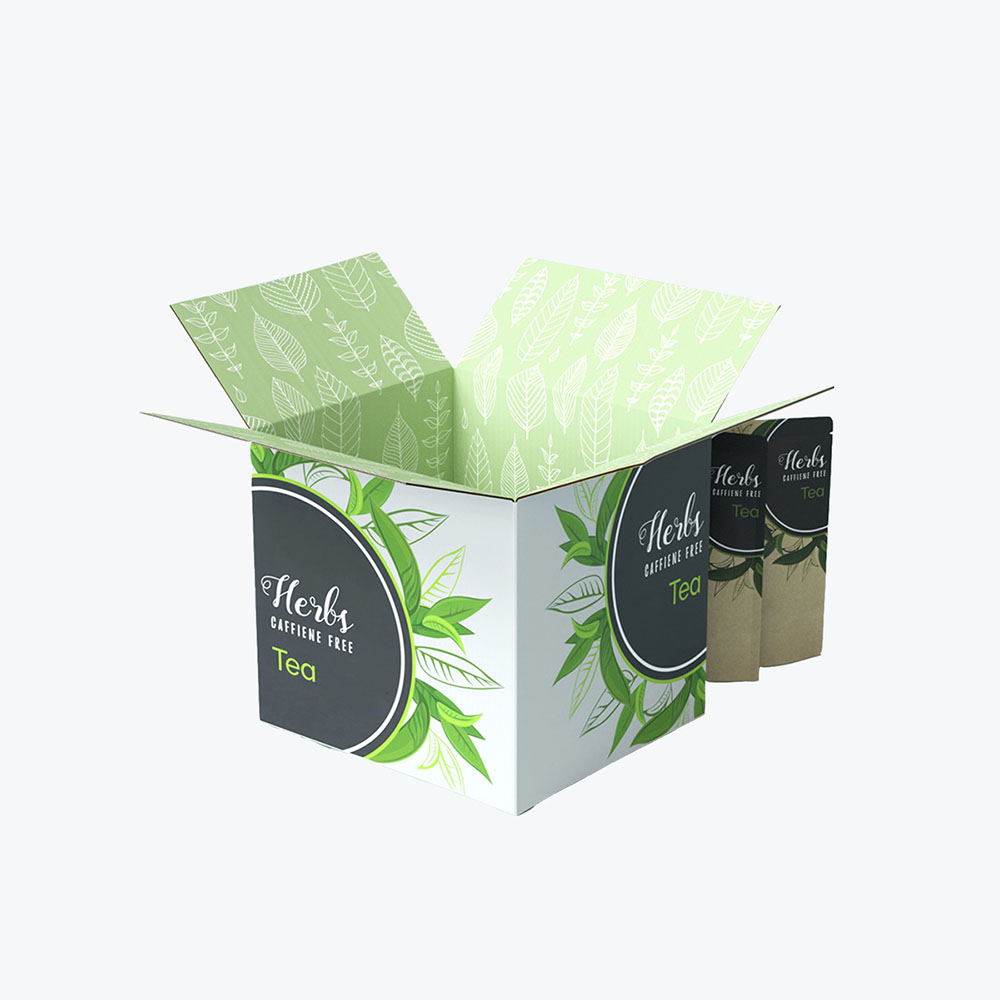
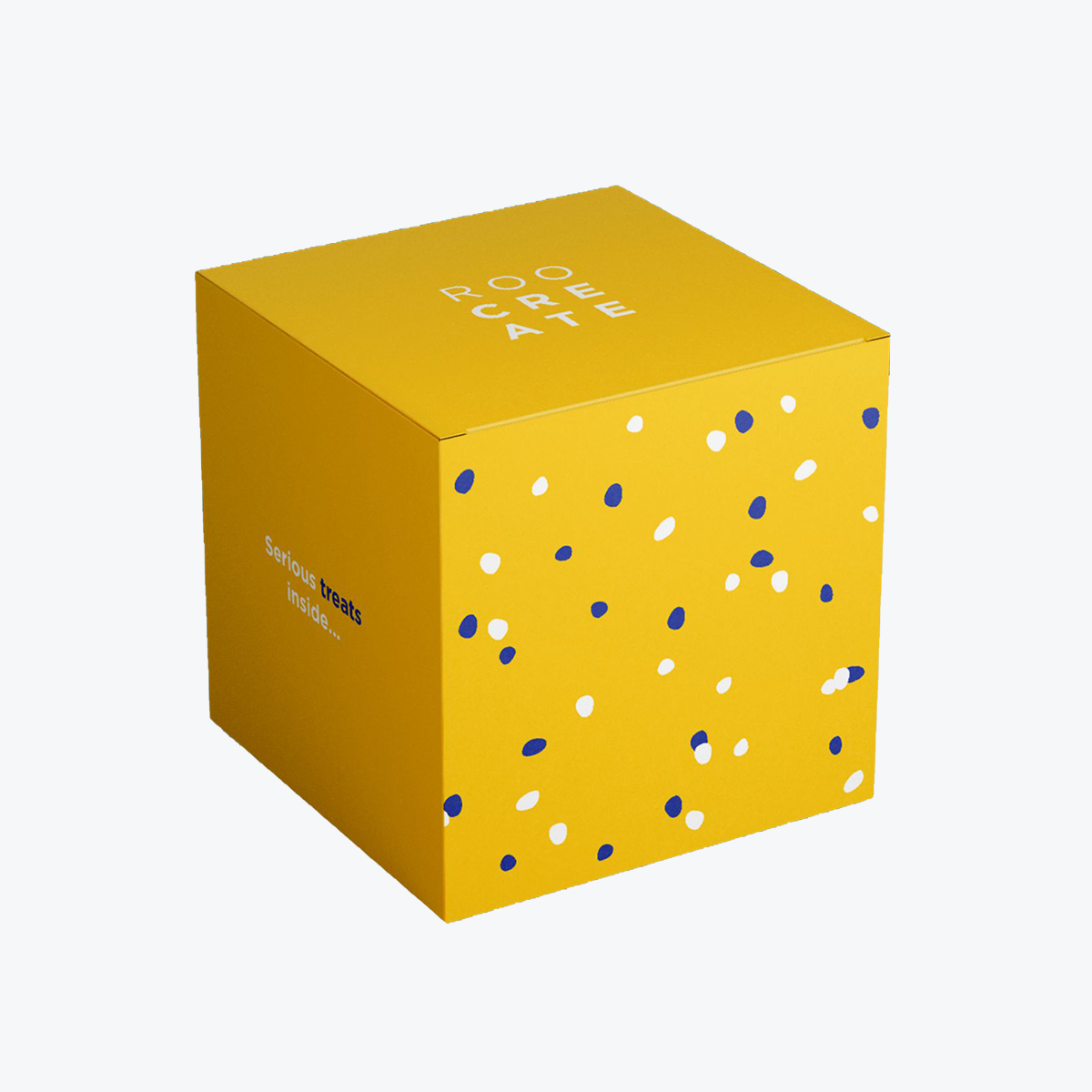
Direct-to-customer (brand manufactures their products):mailer boxes, which can feature luxe polish for premium products, and branded inserts
Amazon: durable shipping boxes with labels for compliance
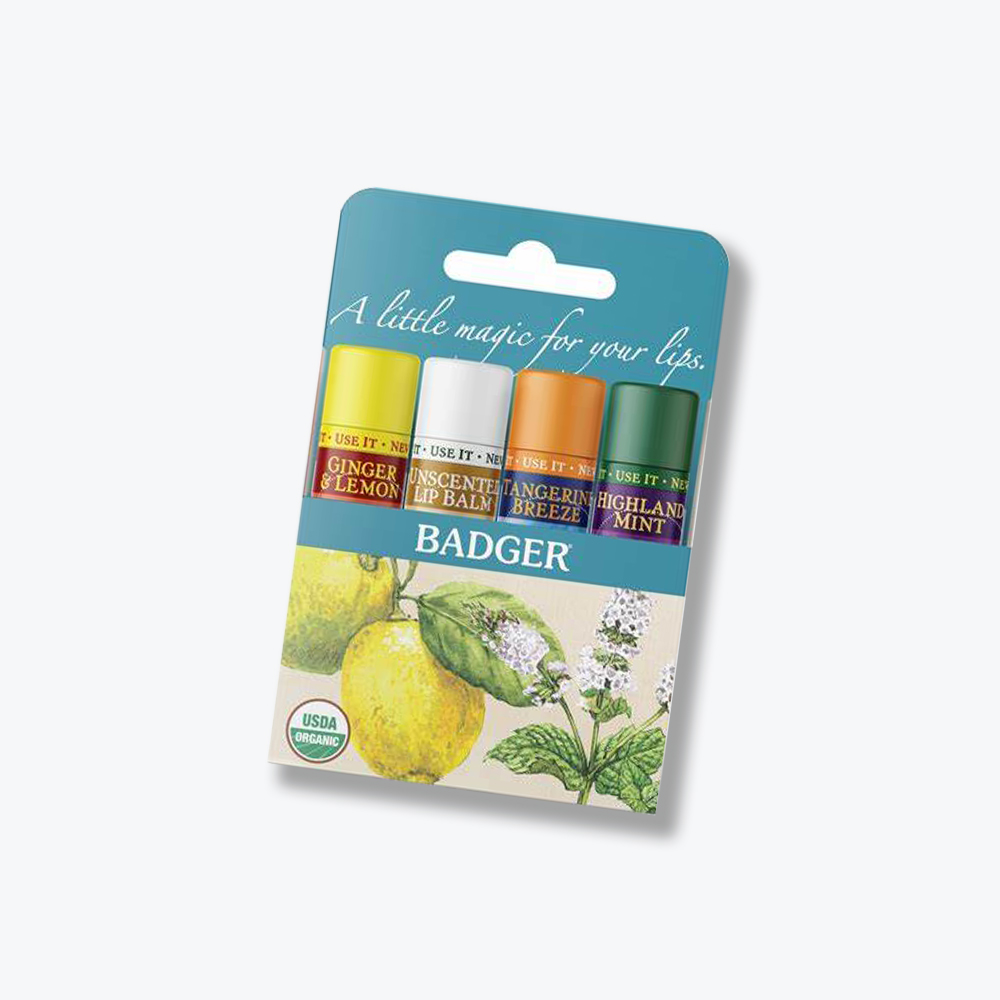
Retail: compact packaging anddistinct labeling to support shelf visibility
Subscription:corrugated eCommerce packaging or sturdy boxes with built-in lids and die-cut inserts to keep them from shifting during transit; consistent design as they arrive on a recurring schedule; product information and subscriber engagement cards for a personal touch
As mentioned earlier, different consumer segments define “great packaging” uniquely. Choose packaging materials,printing techniques, structural design, and fulfillment methods that will satisfy your segment’s definition. Those qualities can include ergonomics and memorable unboxing experiences.
Paper-based packaging solutions remain a favorite, given that 52% of North American consumers prefer to receive their online purchases this way, according to theTwo Sides 2025 Trend Tracker for the US and Canada. The dominance of box and carton packaging is expected to continue in 2026, according to a forecast byFortune Business Insights.
Step 3: Choose the Right Packaging for Your Product
Evaluate your product’s needs ahead ofselecting the right packaging. Knowing your product’s characteristics will help determine the material and design that will provide protection and shipping efficiency.
Your budget can limit or broaden your options for materials, printing methods, and design customization. Your chosen mix should balance cost-efficiency, protection, and brand alignment.
E-Commerce Packaging and Shipping versus Retail Requirements
eCommerce packaging should withstand various stages of handling.For products to be displayed at in-person locations, branded packaging should meet retail standards, such as shelf presentation and product information visibility.
Packaging Types for New Product-Based Businesses
Packaging Type
Best for
Startup Benefit
Mailer boxes
eCommerce
Branding and product protection
Folding cartons
Retail
Shelf appeal
Corrugated boxes
Shipping
Durability
Pouches
Food, powders, or lightweight retail items
Lightweight, flexible packaging
Pre-selection Checklist
These four questions summarize what you need to consider before finalizing your decision:
Where will customers receive the product?
How fragile is it? Or how much protection does the product need?
How will you store and ship the product?
Will this packaging fit your budget and the goals of your product-based business?
Step 4: Design Packaging That Supports Your Launch Goals
It’s time to make your startup packaging vision tangible. The design should communicate fundamental product information, use appropriate materials, arrive intact after transit, and delight customers when they receive and open the packaged products.
What Your Packaging Should Communicate
Besides your product name and description (weight and volume of contents), other pieces of information should appear on your branded packaging as part of trade and safety standards.
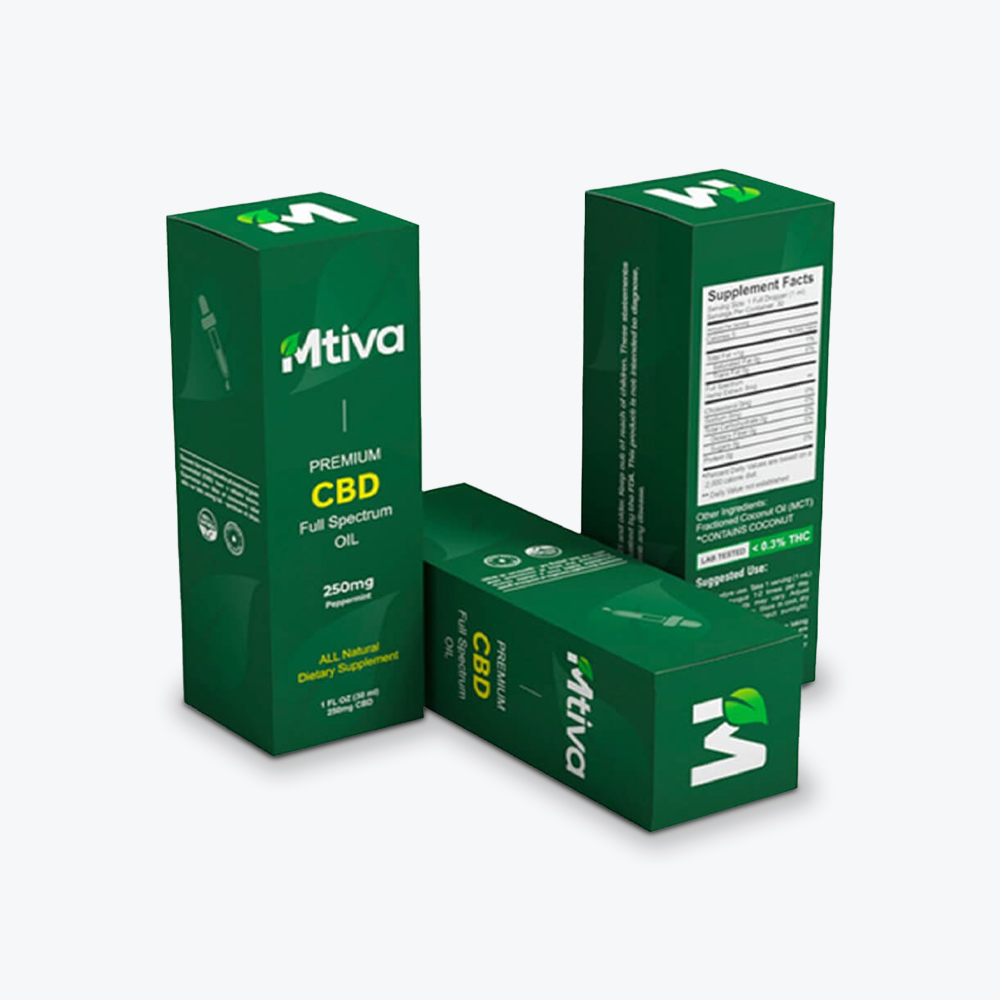
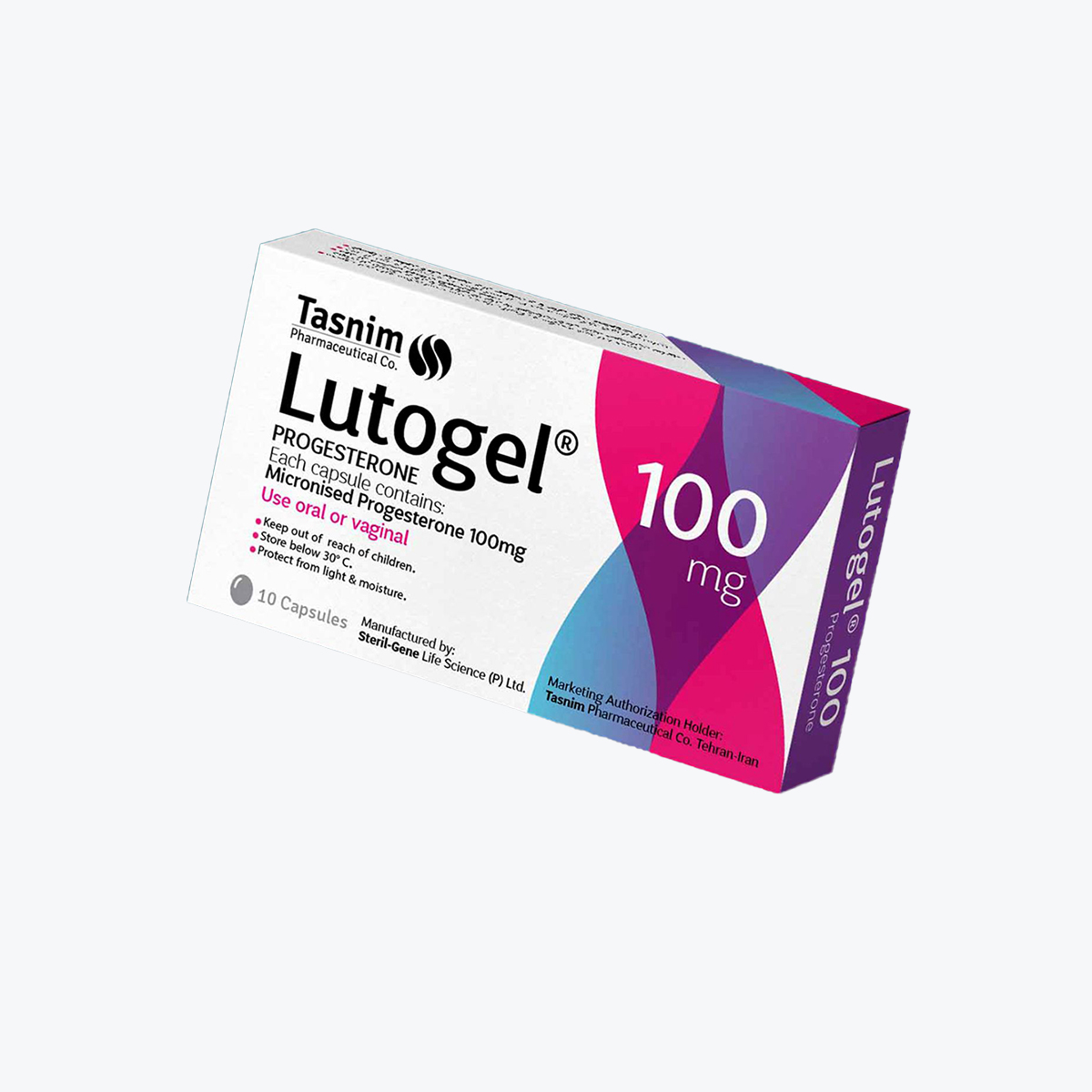
They include usage instructions, health (dosage instructions and allergen declarations) and toxicity (for household chemicals) warnings, and product traceability (expiration dates andmanufacturer contact details). InPwC’s “Voice of the Consumer 2026,” clear information is among the top five consumer priorities when choosing service- or product-based businesses.
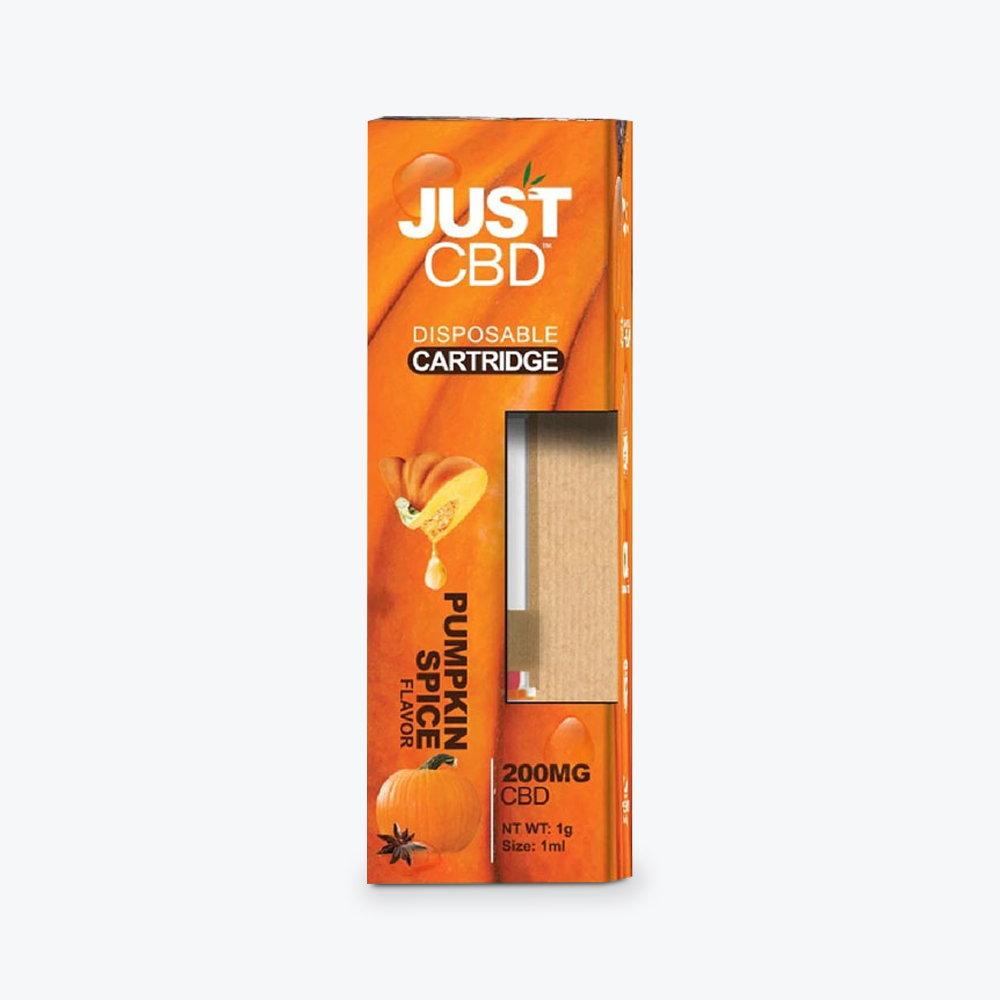
To conform with logistical realities, make sure your color choice and layout allow for barcodes. Also, the eCommerce packaging design should account for storage, retailer, and shipping guidelines. You may opt for transparent elements so shoppers can see the product inside when appropriate for your category.
Materials and Finishes
You canselect from various materials and finishes to enhance the look and feel of your startup packaging. Your protection requirements, budget, brand positioning, and sustainability choices will determine the most suitable combination of paper stock and finishing technique.
If your brand focuses on sustainability, explore compostable packaging materials such as unbleachedKraft paper and other plant-fiber substitutes. Paper-based containers give structural support and extended shelf life to edible packaging, which is made of safe-to-eat materials, such as seaweed and starch.
Sustainable packaging options continue to expand, with home-compostable bags made from plant-based materials such as PLA, compostable packaging designed to break down without harming the environment, and aluminum bottles offering an infinitely recyclable, carbon-neutral packaging solution.
Creating a Memorable Unboxing Experience
Visually consistent and professionally presented branded packaging strengthens brand identity, making it inviting to capture on camera and share online, widening brand exposure. According to50 Fold’s Unboxing Satisfaction Score, 40% of satisfied customers share their unboxing experience on social media, which can, in turn, boost revenues by 40%. Even minimalist packaging can drive loyalty and sales as consumers can easily find your core message.
Step 5: Packaging Recommendations by Product Category
Below, we’ll show you how the packaging principles discussed so far can apply to the most popular product-based business startup categories:
Clothing Brands
As demand for sustainable packaging grows, clothing brands are challenged to reduce the use of fillers and plastic or non-compostable materials. Optimizing size or using packaging that fits the product closely helps you avoid unnecessary dimensional weight charges.
Some sub-categories, specifically athleisure and activewear, require puncture-resistant, breathable shipping packaging. These qualities prevent mildew buildup resulting from humidity. More companies are using paper mailers in place of traditional ones made of plastic. Data from Grandview Research shows that the paper segment cornered over 53% of the worldwide mailer packaging market revenue share in 2025.
When to upgrade: Poly mailers are commonly used to ship lightweight apparel, T-shirts, activewear, sleepwear, and undergarments. Upgrade to eCommerce packaging boxes for premium apparel, luxury fashion, and gift-oriented boxes for additional protection and better presentation in unboxing experience videos.
Typography-first identities, logos, stickers, and custom tissue paper are some minimalist branding elements brands use to create a professional look without overcomplicating branded packaging.
Beauty and Skincare Products
Product protection and eco-consciousness are the top priorities ofbeauty and skincare brands. Their high global waste output puts them under intense scrutiny for environmental impact.
First, finalize your formula’s exact viscosity or thickness and ingredient list to determine precise startup packaging design needs. If you useglass containers for your liquid product, preventing breakage is another consideration. Leak-resistant closures, inserts, and dividers can secure primary containers.
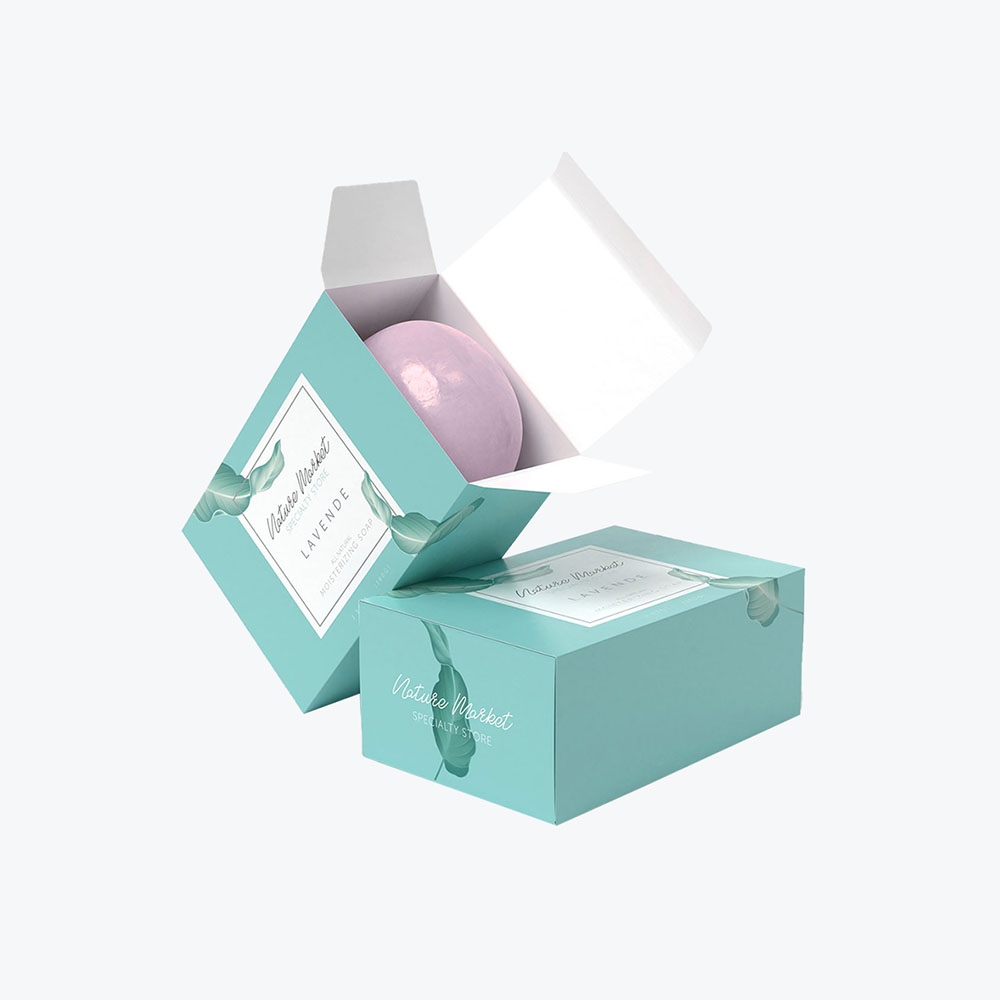
At the same time, show how your product-based business values transparency and customer confidence through professional labeling and a select finish.
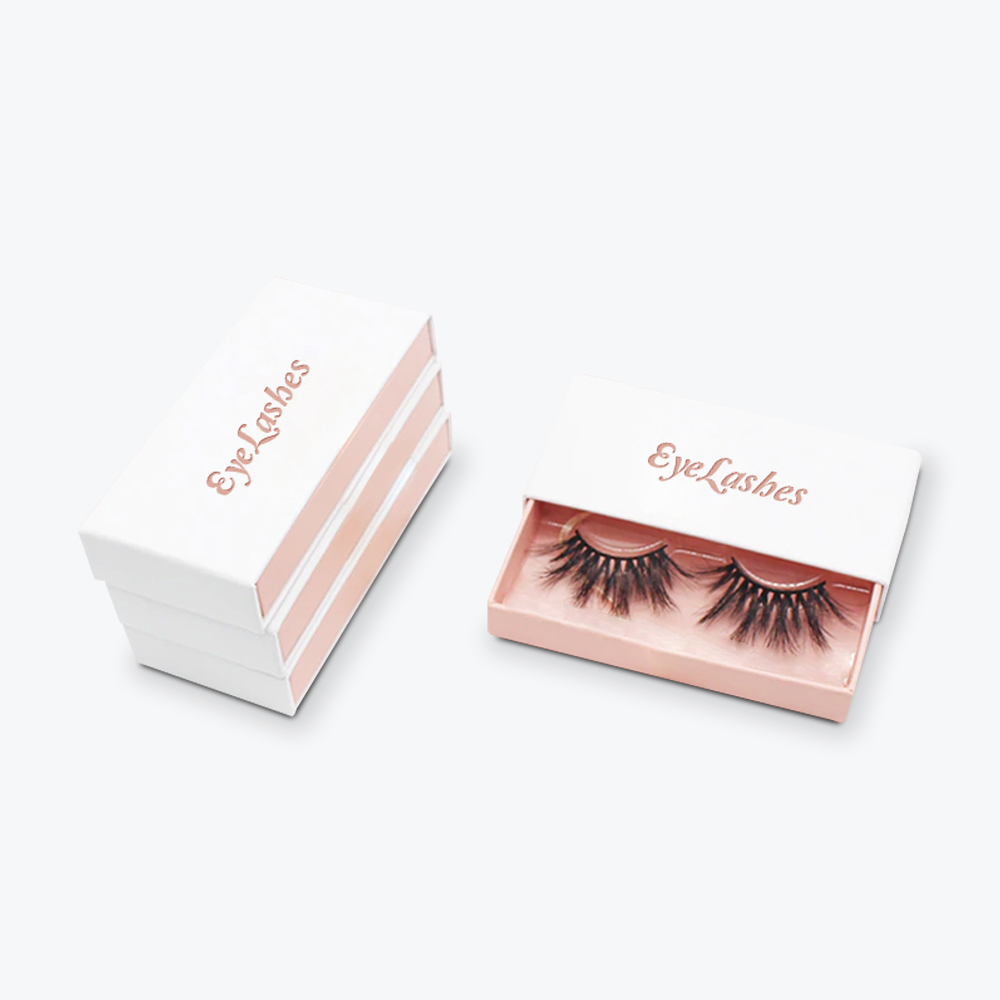
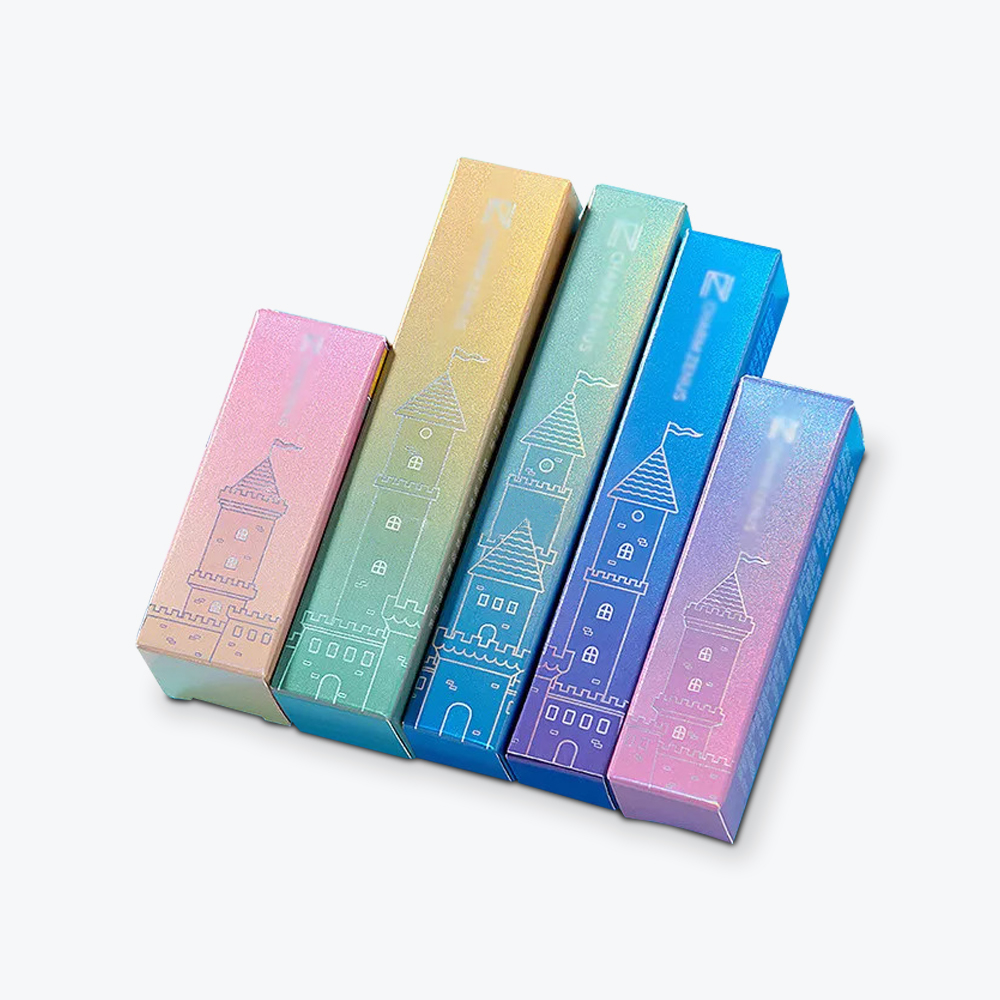
When to upgrade: When preparing for retail distribution or premium brand positioning in this ultra-competitive market, you can enhancebeauty or cosmetic packaging through a high-end finish, such as foil stamping or soft-touch coating.
Food Products
Food packaging needs to keep its contents fresh while meeting environmental standards and offline or online retailer specifications. Sealing methods for products, such as bread and produce, help maintain internal humidity levels. Reusable packaging can work in some refillable product categories.
Other products, such as chips, crackers, powdered milk, and spices, require vapor barriers to prevent air from reducing their crunch, hardening content, or clumping them together.
“Lightweighting” and right-sizing can help reduce shipping costs for bottle products and prevent items like chocolates and pastries from shifting during delivery. Some paper suppliers, likeBillerud, estimate a 10% reduction in packaging weight by switching to lighter but durable substitutes.
Depending on what your product-based business sells, industry regulations require packaging to clearly indicate ingredients, nutritional information, allergen declarations, and other warnings. Edible packaging is becoming a zero-waste option for some drink mixes and self-serve condiments.
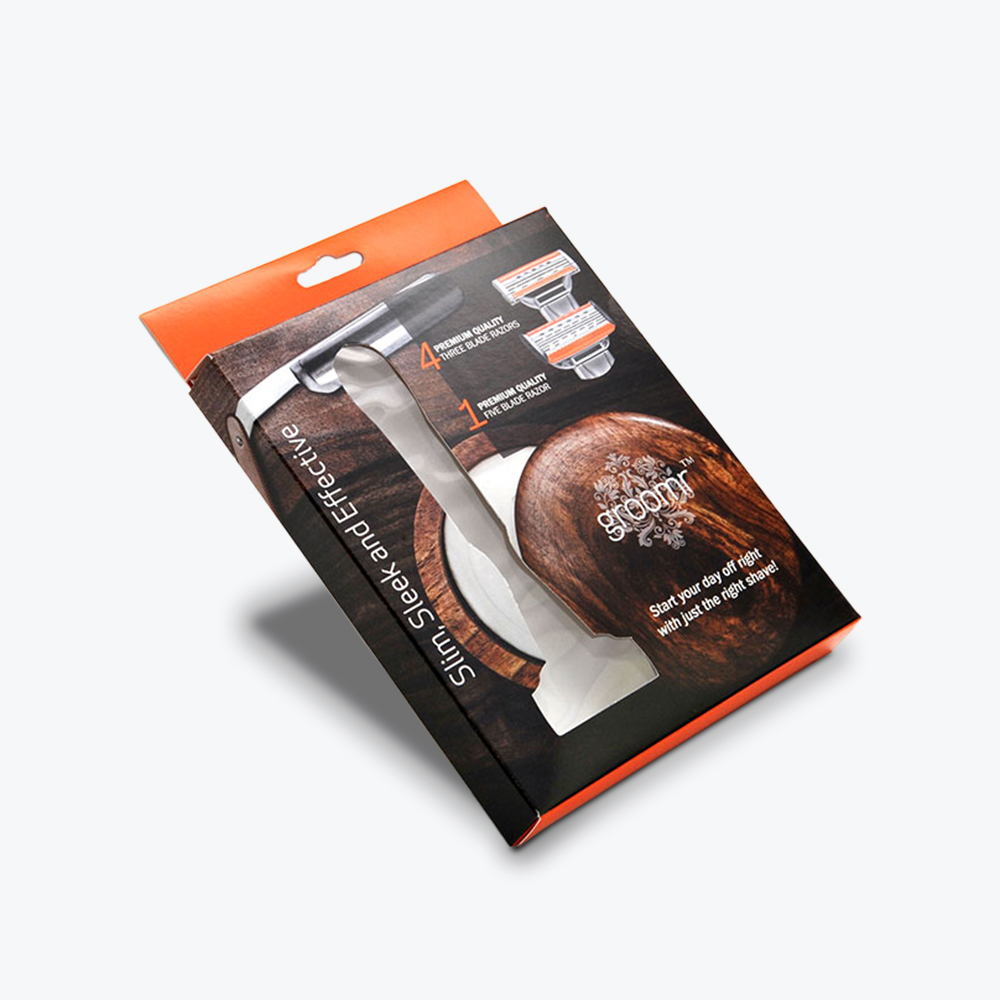
When to upgrade: For expanded distribution or specialty products, layered brandedpackaging and corrugated boxes can prevent crushing and preserve shelf stability. Integrating smart features, such as QR codes, allows expiration date tracking and provides safe handling tips. For retail shops,folding cartons with display windows can showcase colors and texture, building customer trust.
Candles and Fragile Products
These delicate items can be vulnerable to deformation and breakage during transit. Candles can melt or warp in hotter climates when packed in standard mailers without thermal protection. Fragile items may sustain damage if the box corners collapse during stacking.
Insulated box liners can stabilize internal temperature. In addition, producing custom die-cut inserts and edge padding can secure items in place and keep them away from thecandle box walls.
Replace plastic bubble wrap with expandable honeycomb paper or any paper-based void fill. Choose an eco-friendly product gift box that’s separate from your eCommercepackaging box for the carriers.
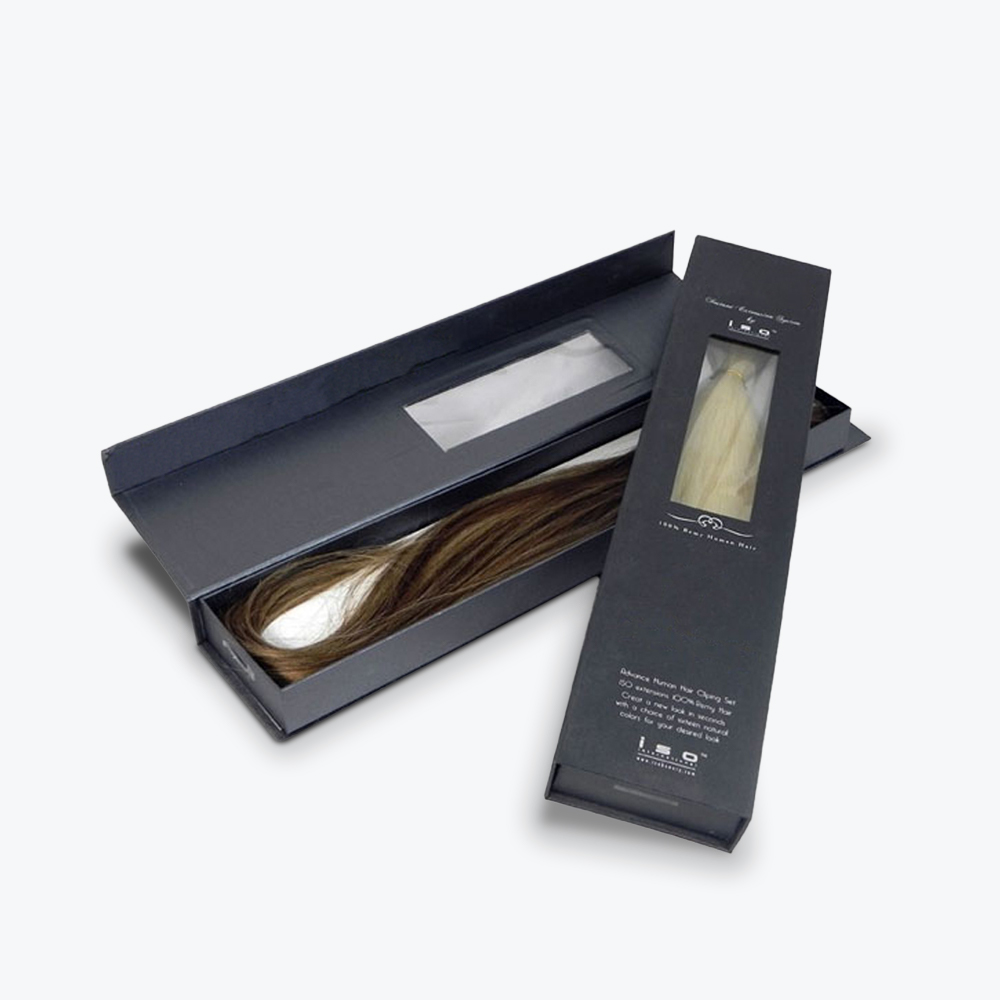
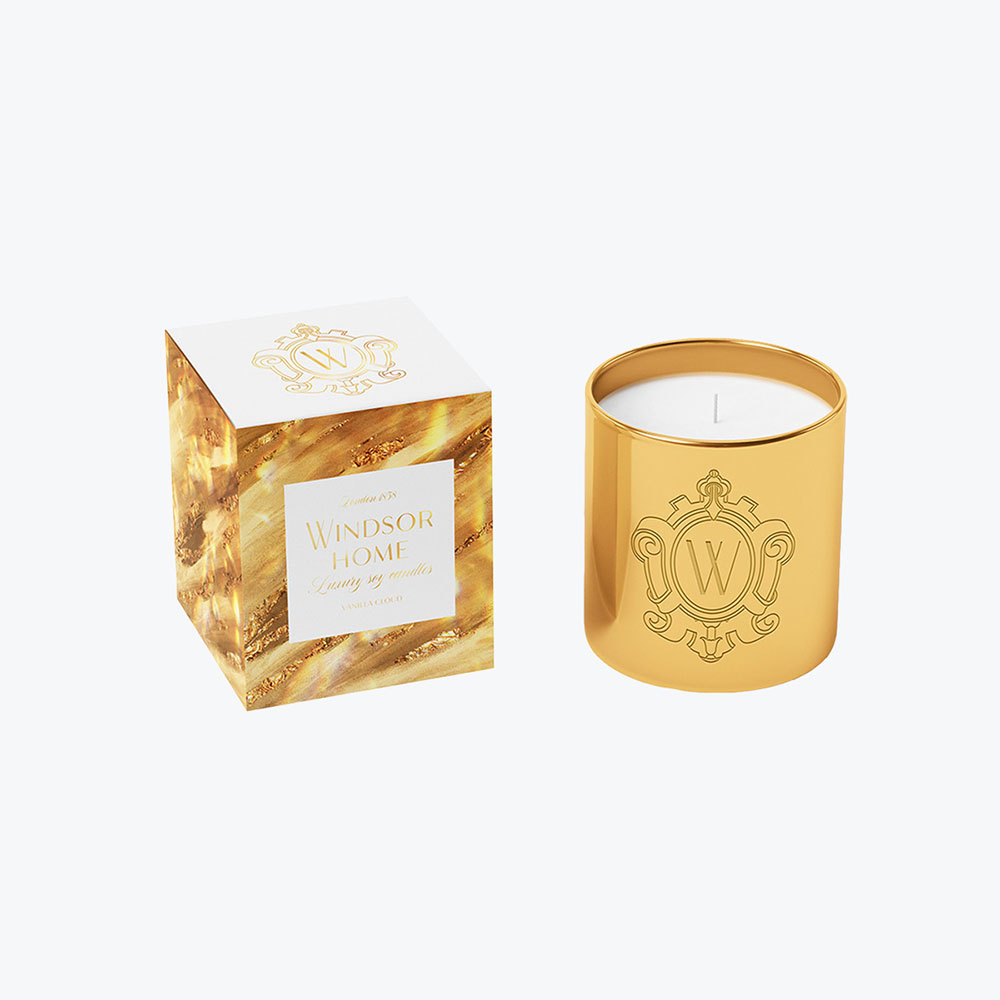
When to upgrade: Consider double-wall corrugated packaging with inserts when shipping glass jars. You may also place premium candles and gift sets in luxury rigid boxes with removable lids, inlays (velvet or foam), and foil-stamped branding for an unforgettable unboxing experience.
What Changes as Your Product Line Expands
As your business expands its product range, you may need various sizes of custom packaging boxes and inserts. You’re also likely to take stock of a wider inventory and comply with new storage requirements.
Document startup packaging specifications from the start. This data is a useful reference when adding new products. Also, check that your design or packaging system and box printer-supplier can produce at higher volumes. Ask them about lead times or the duration of production as your custom packaging orders scale.
Branded packaging manufacturers start production based on MOQs. Although some box makers offer low MOQs, you can avoid being stuck with unusable inventory due to wrong sizing or printing byasking for a physical sample or prototype before committing to full production.
Make sure the product fits snugly inside to reduce the chances of damage during shipping. Check the color and print accuracy. These elements can look different when printed on the material than when displayed on screen. Don’t wait for buyers to expose mistakes or inefficiencies in videos about their unboxing experience.
Test the Entire Customer Journey
Putting your packaging through simulated real-world conditions helps you determine how it will perform from warehouse storage and packing toshipping and customer delivery. A successful outcome assures safe delivery throughout the process.
Product-based business founders should conduct a shake test and a waist- or shoulder-high drop test to make sure there’s no movement and that the internal cushioning properly absorbs impact. When selling through retailers, conduct a compression test by stacking dummy boxes or evenly distributed dead weights on your custom packaging boxes.
For product-packaging compatibility, your startup packaging should hold up to oil- or acid-based contents.
Here’s a quick checklist you can use during your sampling and packaging testing stage:
Does the product fit securely inside?
Is the print quality consistent with expectations?
Has the packaging survived the handling and transit simulations?
Will the eCommerce packaging arrive looking professional and ready for customers based on testing?
By uncovering issues that may not be apparent during a simple visual inspection, your product-based business can avoid possible compliance recalls and thrill the end consumer. In some companies, artificial intelligence is being used to analyze packaging performance data so improvements can be made more quickly.
Step 7: Set Up Shipping and Fulfillment
With strategic design and testing, your startup packaging will align with your expectedlogistics and fulfillment costs. Standardized packaging will reduce the labor, operational, and material expenses of your product-based business. Easy assembly and folding speed up packing time.
For this reason, limiting the number of box styles or sizes to just three to five helps control costs as you receive more orders.Right-sizing custom product packaging from the start can also minimize or eliminate the need for void fill while still maintaining internal stability.
Preparing for Returns
Plan your return policy early, as they incur processing and reverse logistics costs.Kissmetrics pegs costs from 5% to 10% for beauty items and from 25% to 40% for apparel. Use dual peel-and-seal trips, so customers can reuse the sameeCommerce packaging for returns. Also, have clear return instructions or a dedicated portal to retain customer loyalty.
Step 8: Launch Your Product
Launch day is the culmination of your marketing and product distribution efforts. To make it successful and secure momentum, follow these three steps:
Coordinate Packaging With Your Launch Campaign
Synchronize your marketing calendar and startup packaging production timeline. Licensed surface pattern designerRebecca Woolbright recommends that “final assets” or packaging components be completed and delivered about two weeks ahead of your launch date. That coverscustom boxes, mailers, inserts, shipping cartons, and protective materials. With that buffer, your campaign content and fulfillment schedule stay aligned.
Create a Positive Unboxing Experience
Design an eye-catching logo or inner lid that encouragessocial sharing and reinforces your brand image. Use a layered presentation to create suspense before the buyer sees the product. Print and include inserts bearing easy-to-read care instructions and next-purchase discount codes to encourage repeat purchases.
These tactile elements can support email, SMS, and app reminders to reorder and build loyalty for your product-based business.
Learn From Your First Customers
Monitor user-generated content to spot any confusing elements or structural flaws. Also, track your customer support channels for any questions or complaints about product usage or missing parts. Their input will allow you to adjust your product oreCommerce packaging design or setup guides.
Set up a post-purchase or post-delivery mail sequence wherein you request buyers to name the top value drivers and pain points of your product.
Step 9: Optimize and Scale
The post-launch phase is a time for learning how to sustain growth, preserve profit margins, meet rising consumer demand, and even detect revision needs for your branded packaging design. Discover how you can improve business efficiency and customer experience through feedback and operational data.
Gather Customer Feedback
Post-purchase survey results and early adopter online/email interviews provide customer insights that a packaging test can’t reveal. Check for recurring rather than isolated comments on your community channels and videos showing unboxing experiences before deciding to make any design changes.
Reduce Costs Without Sacrificing Quality
After establishing early demand, you can make someadjustments to lower costs for your product-based business without a major redesign. Return to your supplier with information about your expected sales volume for the first few months and negotiate pricing for bulk orders.
You can also standardize box sizes, simplify inserts, remove unnecessary finishes, or choose a lighter material that still offers product protection. Changing your protective fill with inserts to lower dimensional-weight charges will also help.
Scale Your Packaging Strategy
An increase in sales will mean changes in your startup packaging requirements. They can include more variations and larger production runs. You may later expand to sell through local retailers or even overseas.
Review your packaging processes regularly to reassess materials, suppliers, and assembly steps, possibly standardizing packaging where practical. You can then scale packaging alongside your business so that it doesn’t become an operational bottleneck.
Common Mistakes When Starting a Packaging Strategy
Some new product-based businesses can make packaging decisions that create unnecessary challenges and increase overhead. Knowing these common pitfalls can help avoid causing friction and damaging trust.
1. Investing Too Much Too Soon
Avoid committing to massive print runs just to secure a lower unit price.Small businesses should be wary of this, as you may end up shelling out for more units than you actually need.
Only order a manageable initial quantity to test market reception and recover upfront investment on design and inventory. You can upgrade your eCommerce packaging and consider premium finishing after validating sales demand.
2. Prioritizing Appearance Over Function
Attractive branded packaging is useless if your buyer receives damaged goods or a diminished quantity. Conducting thorough market research and consumer testing will help you create packaging that suits your product, target audience, and sales channel, and allow time for any design upgrades.
3. Overlooking Operational Costs
Complex design and non-standard dimensions can slow down assembly and increase shipping costs. Consult packaging and printing specialists early to know how yourbox idea or choice will impact the budget of your product-based business for storage, logistics, and distribution.
4. Skipping Packaging Testing
Without ordering physical prototypes and testing them with actual products, you risk improper product fit, unreadable barcodes, and inaccurate closures. Verify durability issues before launch day to provide unboxing experiences that stimulate repurchases.
Launch Your Product-Based Business with Refine Packaging
A product launch is a big project that requires you to plan and make decisions with many people. The strategies in this guide walk you through box style selection to planning for future growth.
To apply the principles effectively, you need a seasoned packaging partner to help you choose from options that align with your products. Refine Packaging supports new brands in navigating their strategy execution and avoiding mistakes in the process.
Packaging Solutions for New Product-Based Businesses
With our low MOQs, you can get branded packaging without incurring excess inventory costs. You can order smaller batches without compromising premium features, including sustainable material options,foil stamping,embossing, and other customization options.
Expert Guidance From Concept to Launch
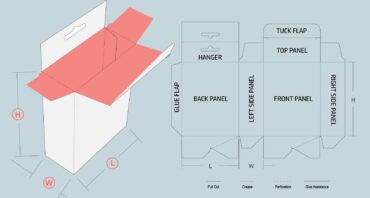
Get additional context on box styles, materials, product protection, and branding from our packaging specialists. They can clarify details from the concept phase to the physical launch, including terms such as ink coverage anddielines. We can also help you adjuststartup packaging product sizes to cut fulfillment and shipping fees.
Packaging That Grows With Your Business
As customers order more and sales increase, you can rely on Refine Packaging to help you transition to massive but cost-effective bulk orders. We offer quick turnarounds for your convenience and long-term scalability.
If you’re figuring out how to create packaging for your first product or improve an existing strategy,Refine Packaging can help you act more decisively. Speak with one of our packaging experts to request a quote,order sample packaging, or get guidance on a scalable solution for your product-based business.
Step-by-Step Product Launch Checklist: From Idea to Launch
Validate your product idea
Define brand
Choose packaging
Design packaging
Test with samples
Set up shipping
Launch and optimize
Build Your Product-Based Business on a Strong Packaging Strategy
To succeed with your product launch, you’ll have to know where to focus your efforts and how to manage each step of the process.
You’ll need to put considerable planning into your packaging. How you decide on materials, testing method, shipping, and marketing approach will reflect on your brand and affect sales and future growth.
Taking a long-term view of your packaging and getting expert guidance when necessary will help open new opportunities for your product-based business way beyond your launch.
Amanda is a professional writer and brand strategist at Refine Packaging who is based in Los Angeles, California. With a background in writing and journalism, Amanda entered the manufacturing industry 6 years ago to explore her unique passion for beautifully conceptualized packaging. With years of packaging experience, Amanda has a deep understanding about how brand psychology and box design trends impact emotions and desired actions. When she’s not writing, Amanda can be found snuggling her two Beagles or outdoors sipping on sparkling white wine.








 Alex Jasin
 Asif Muhammad


 Erica Campbell

.svg)
Share