Packaging samples are one of the smartest ways to catch problems in your production process.
If you know how to request packaging samples the right way (and how to review them with care) you can check structure, sizing, materials, print placement, and overall usability before you commit to a bulk order. That matters because once a packaging job moves into full production, small issues like the wrong box depth, weak board stock, or misaligned artwork can become very expensive very quickly.
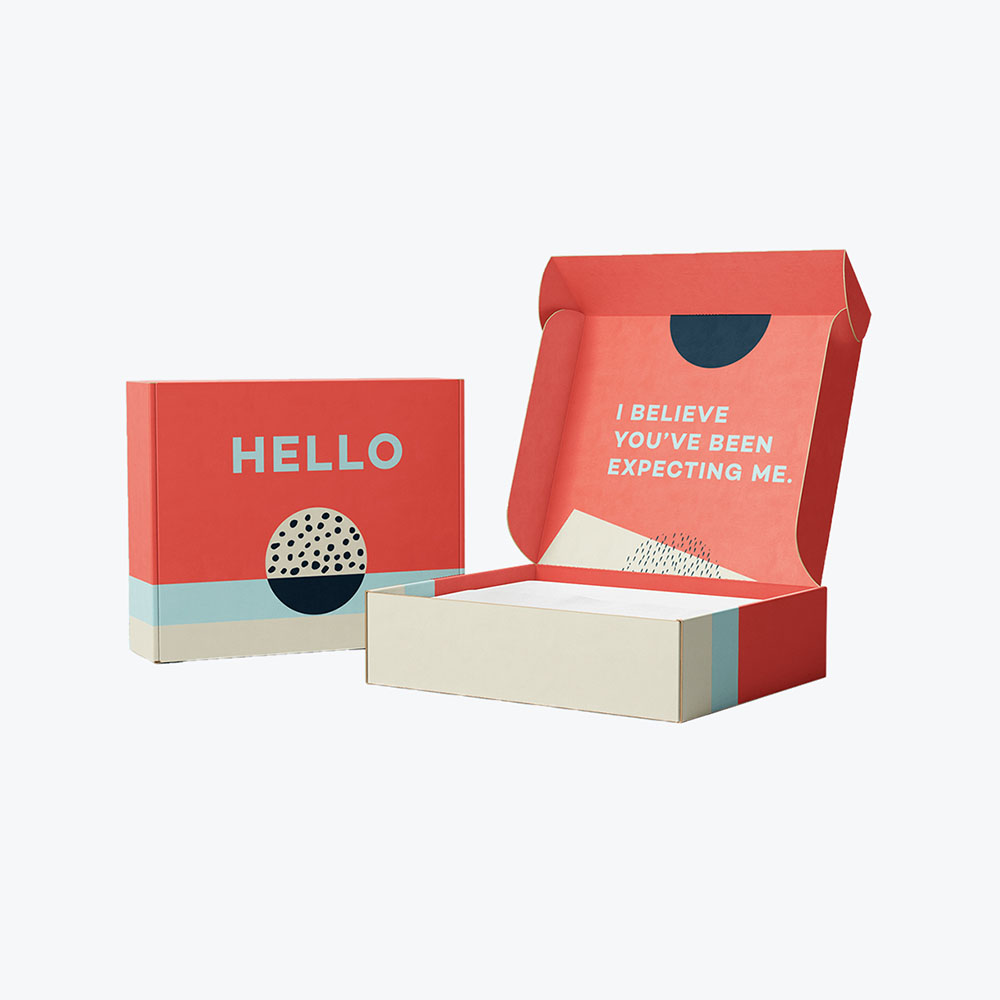
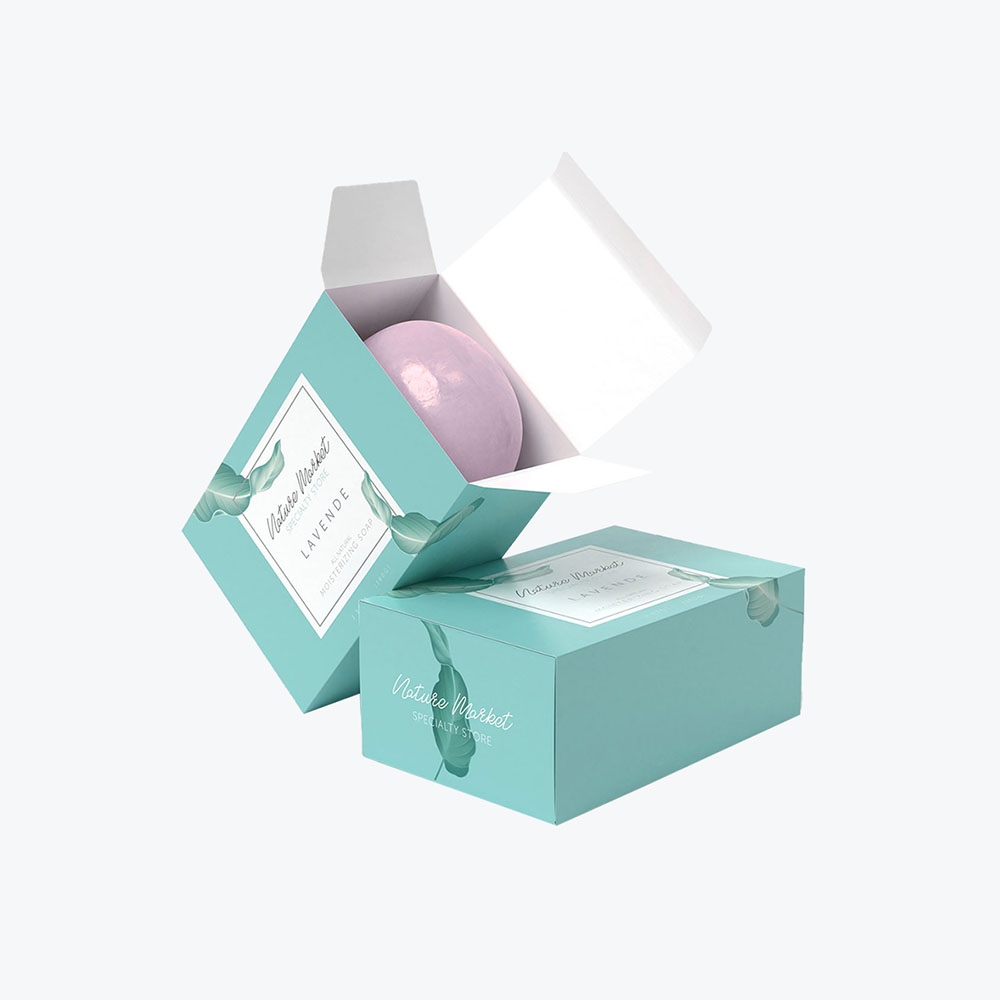
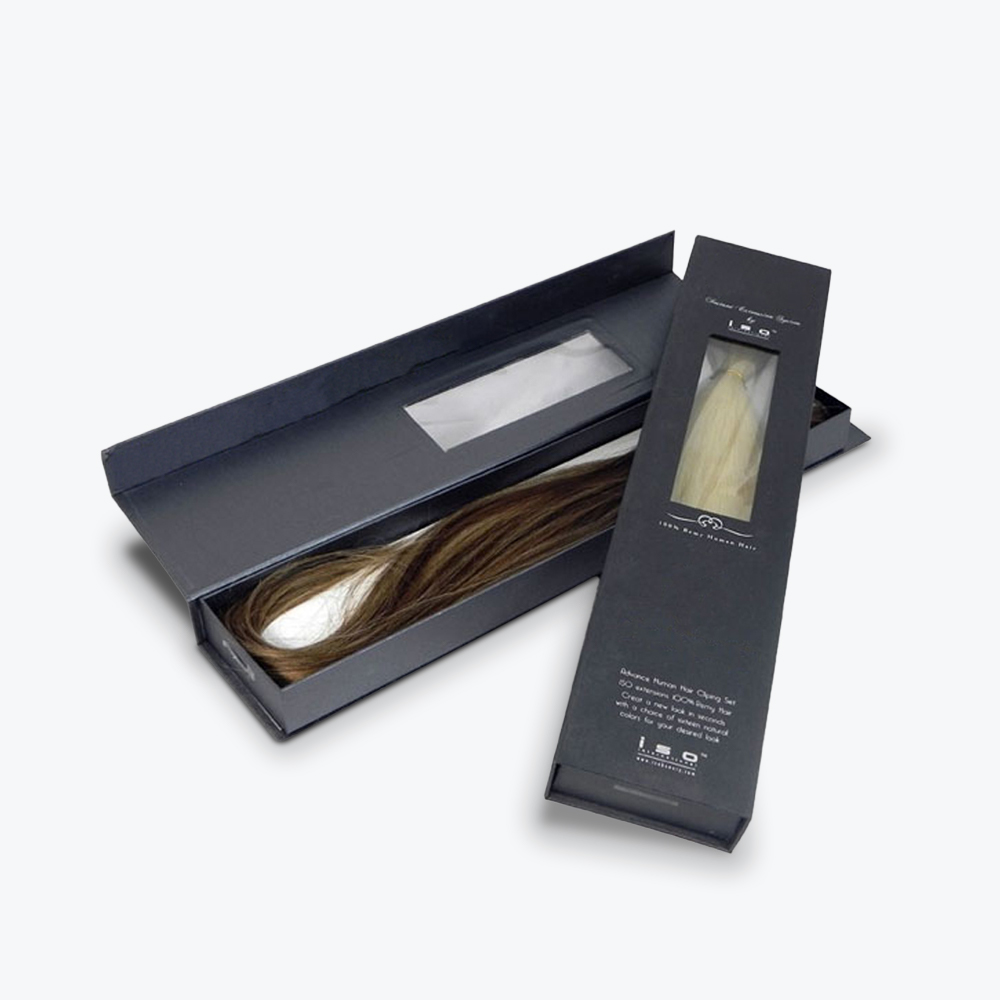
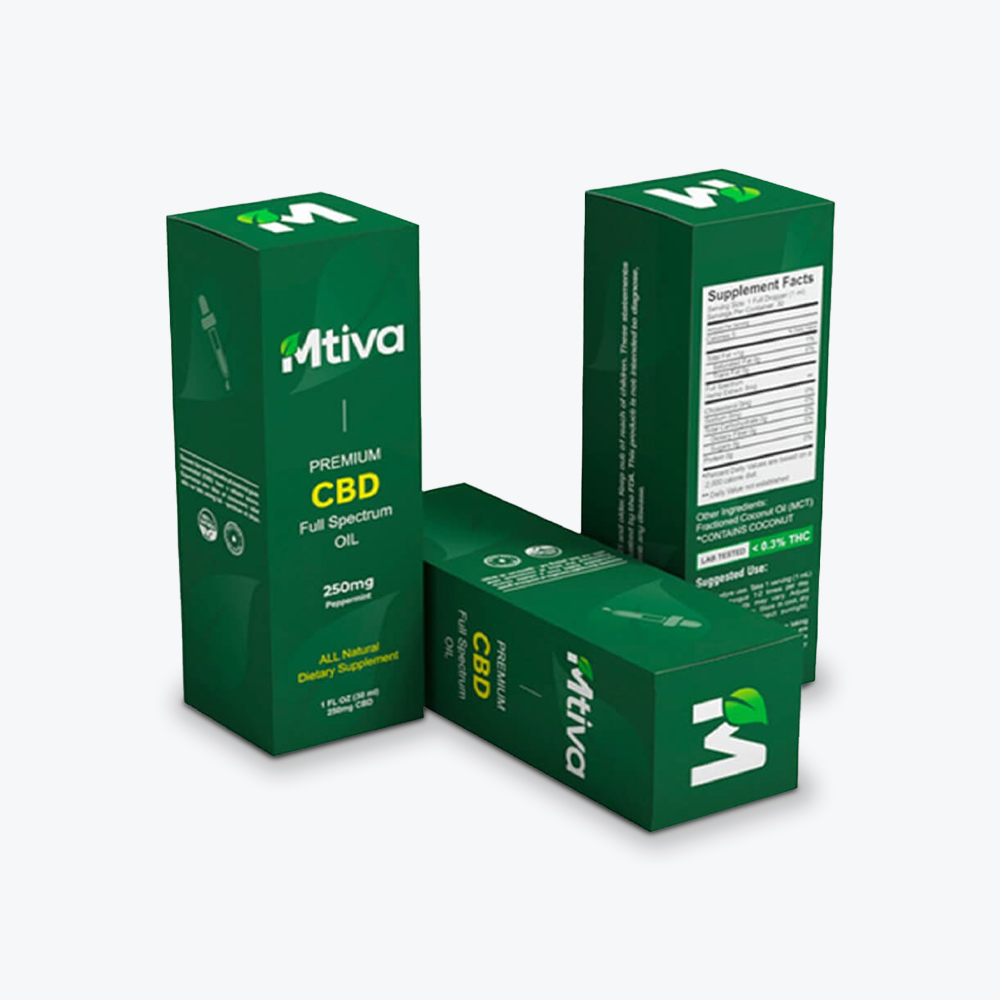
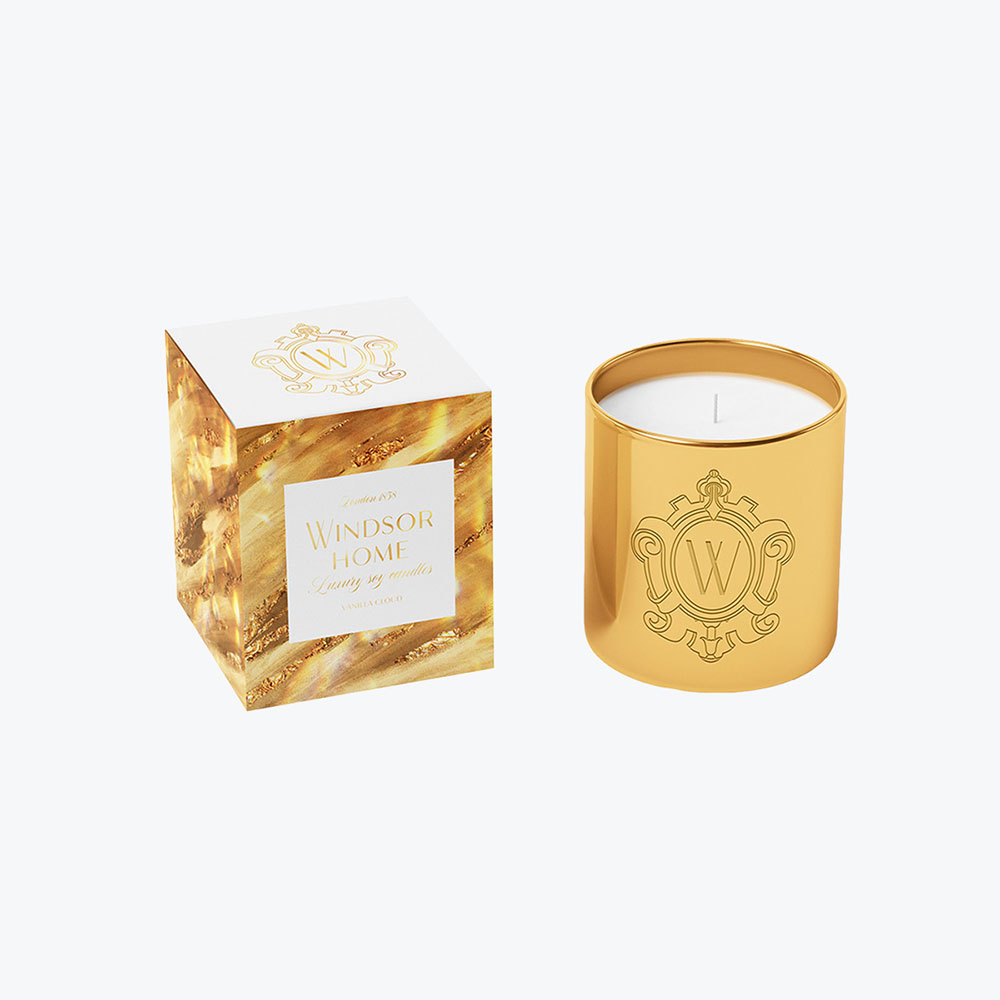
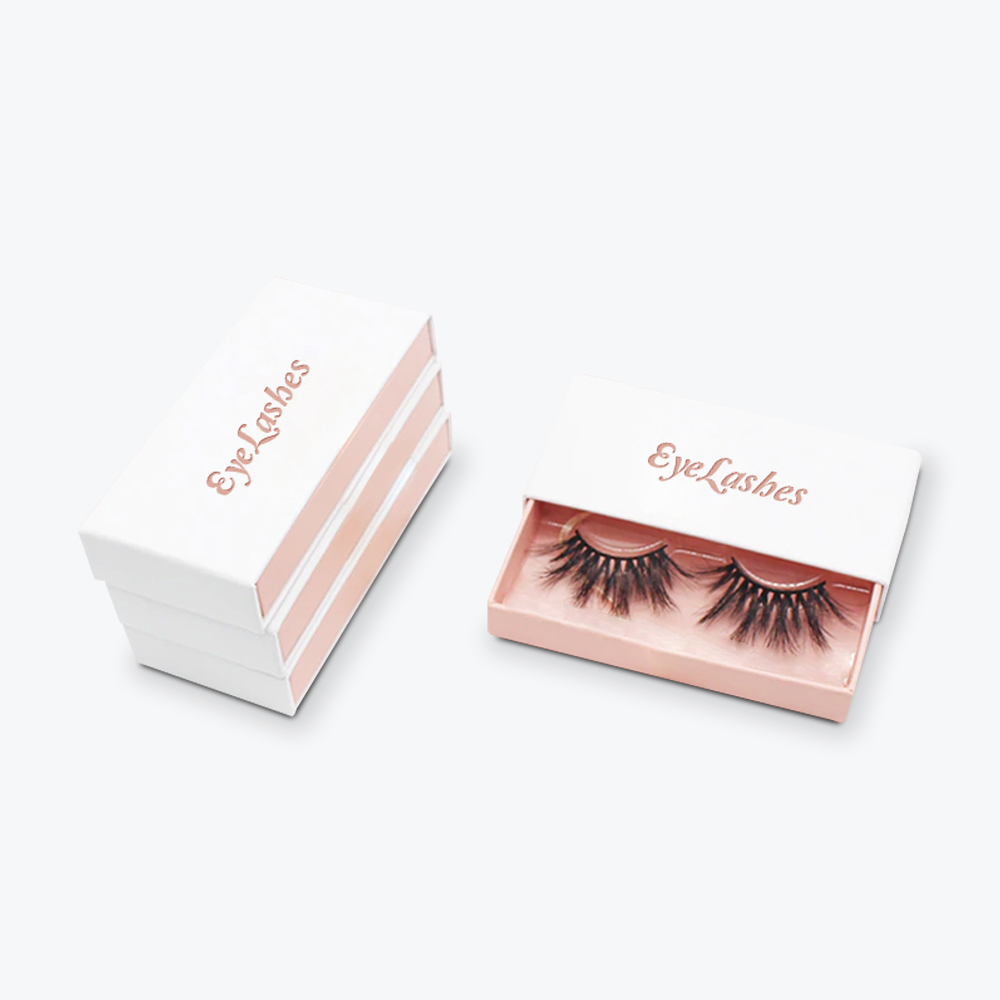
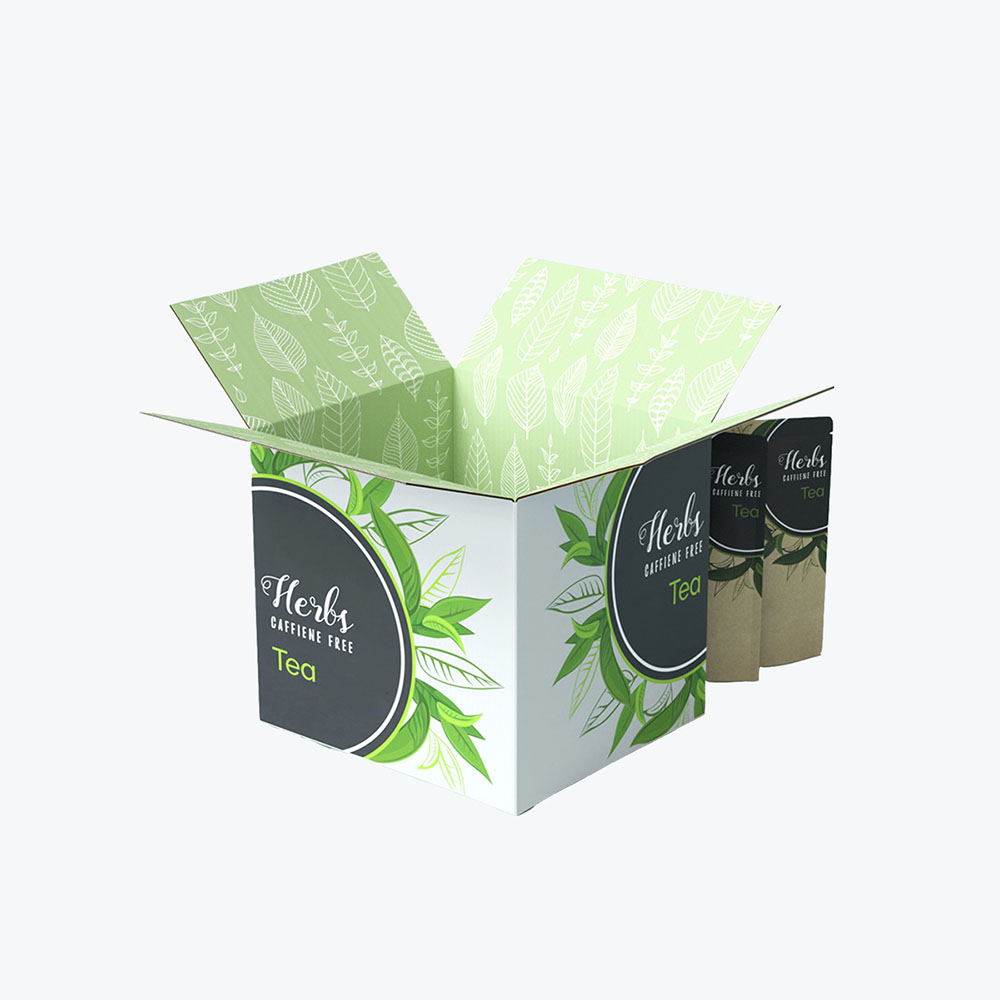
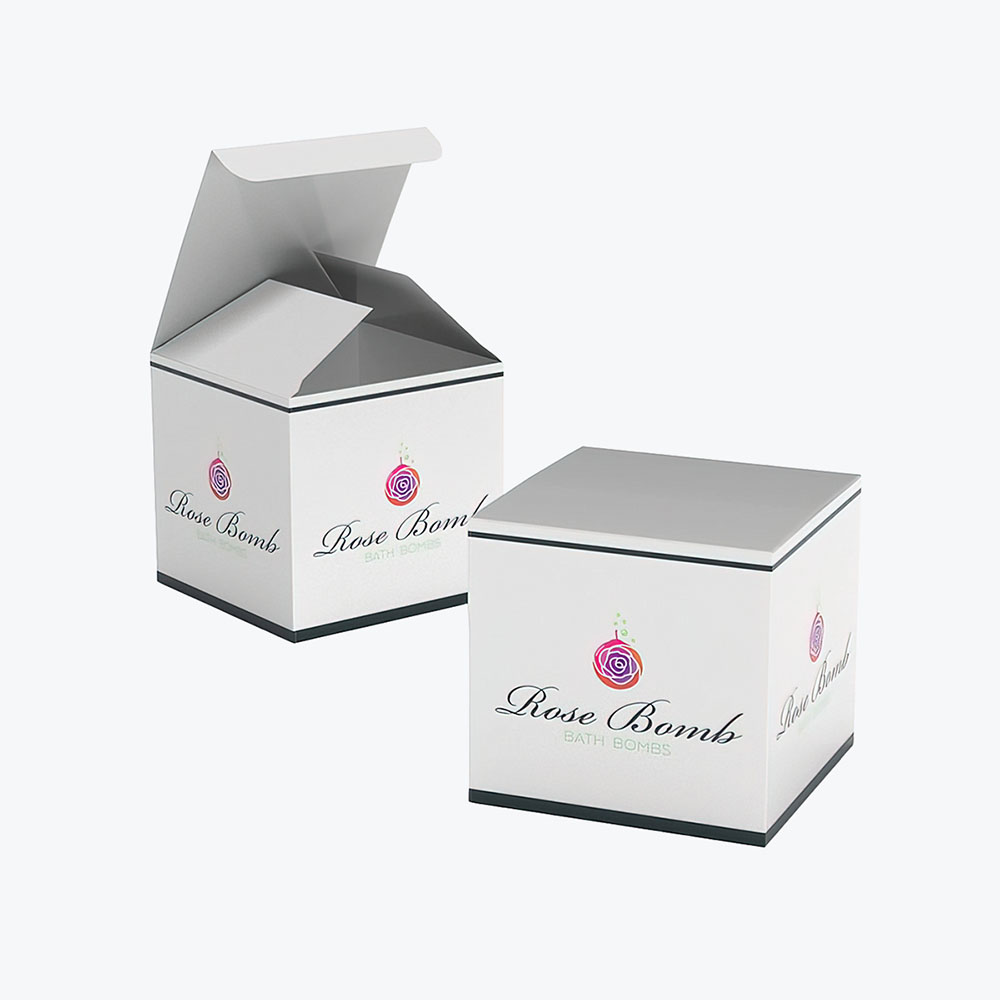
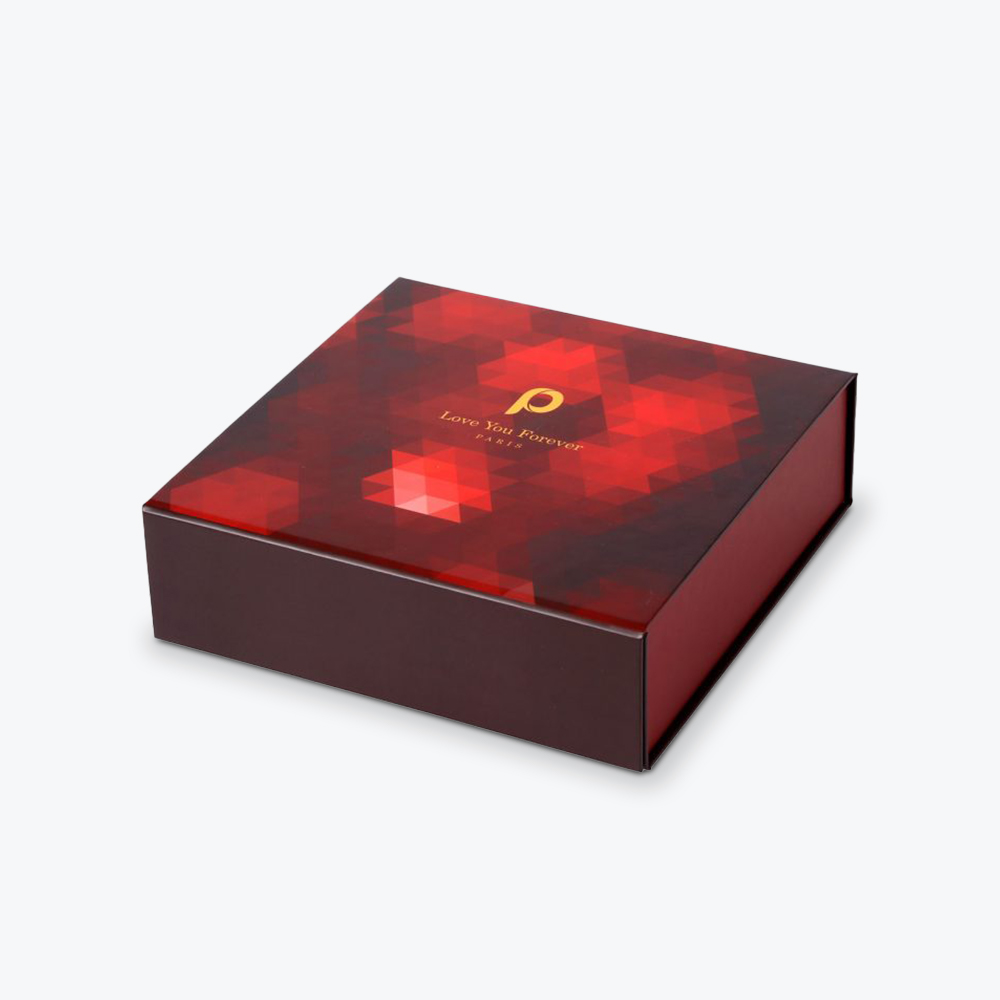
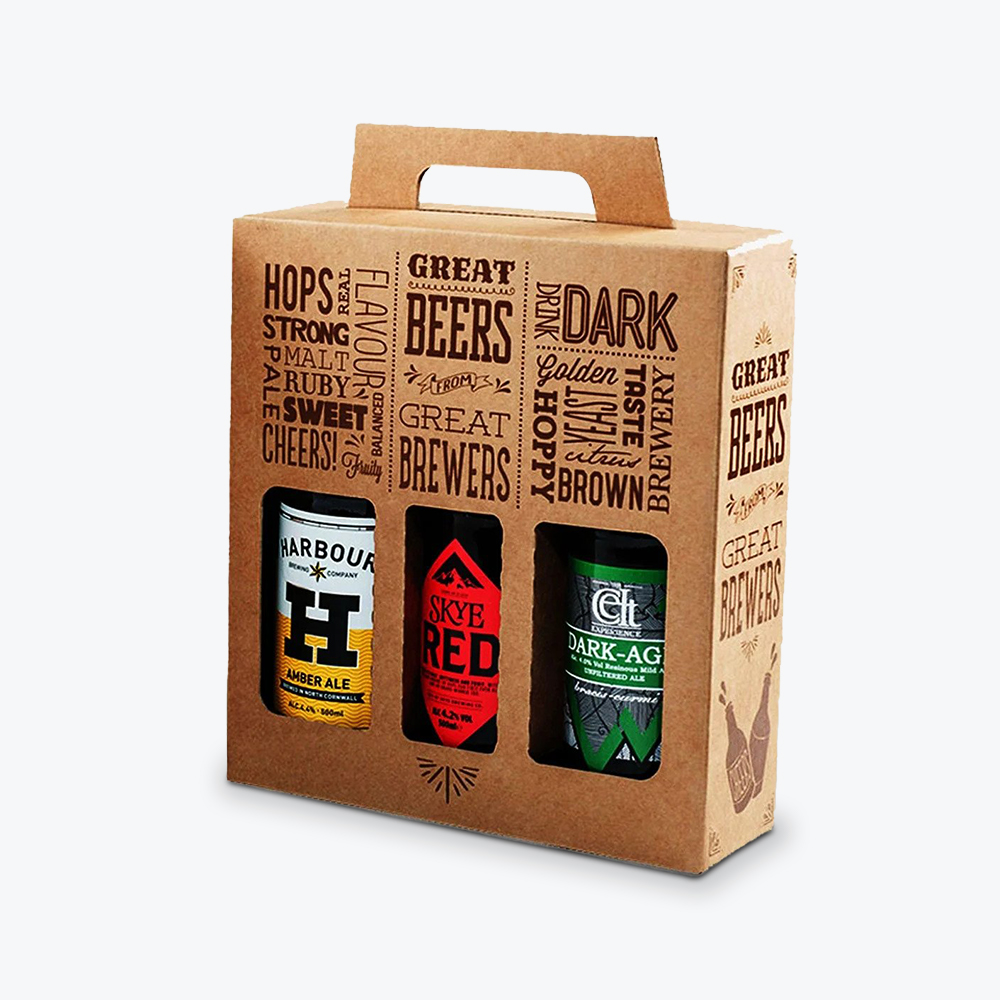
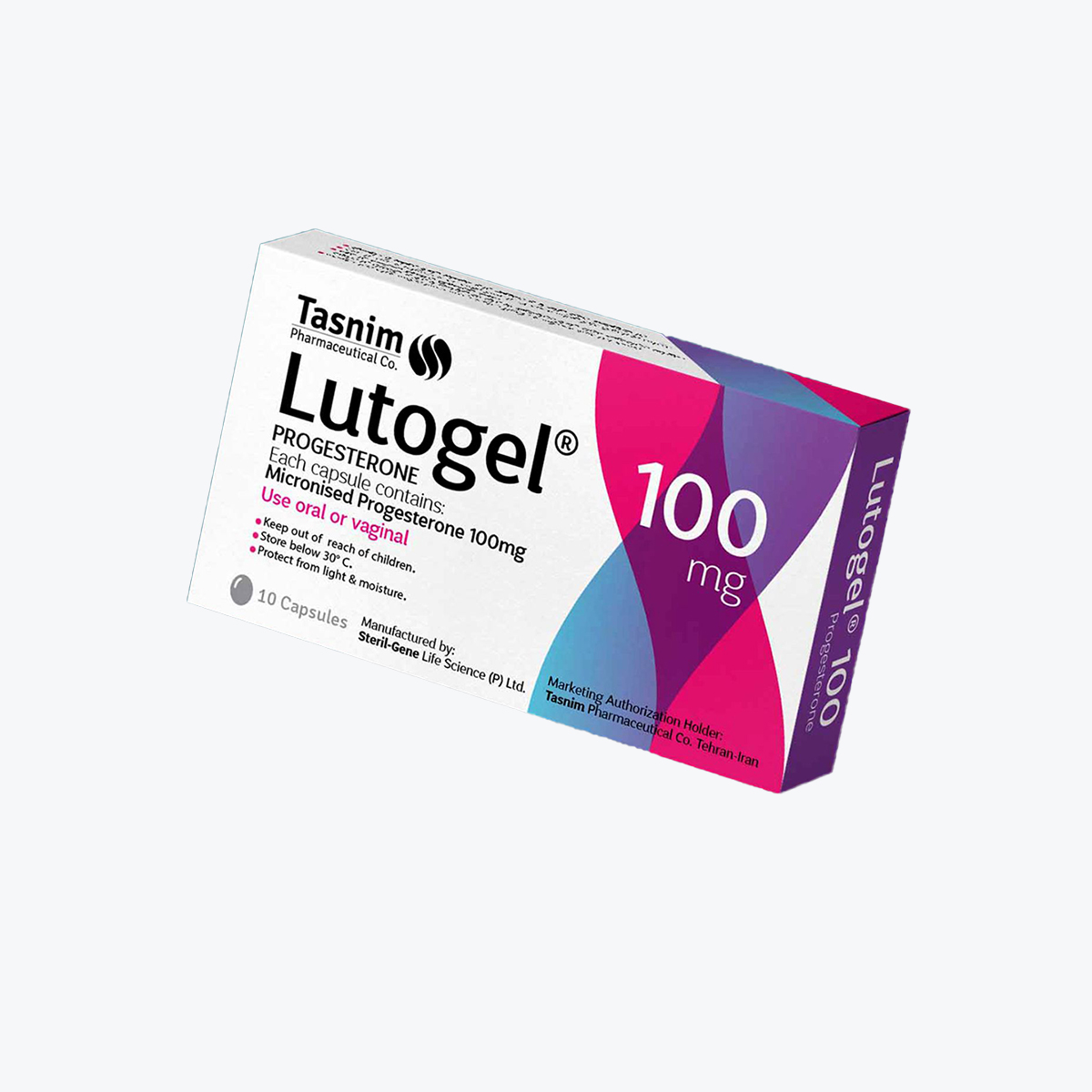
A good packaging sample helps you test how the package actually performs in real life. You get to see shipping boxes, paper bags, rigid mailers, mailer boxes, or a custom product box and examine their design. Samples are a key quality control step that can differentiate the brand experience for potential customers and help you avoid costly mistakes.
That’s also why the packaging sample approval process matters.FedEx notes that package testing helps confirm whether packaging will adequately protect contents in transit, whileISTA explains that pre-shipment testing of boxes gives companies a better understanding of packaged-product performance before launch.
Why Packaging Samples Matter
Packaging is a major touchpoint, and it’s your only marketing tool with a 100% open rate. Say you’re a small business owner looking to invest in your product packaging. You may not necessarily have the time or budget to spare in printing out different kinds of packaging, and issues in production can become a heavy extra cost.
This is an advantage for businesses ordering custom box samples for the first time. It’s one thing to approve artwork on a monitor. It’s another to notice that the boxes’ insert is too loose, the corrugated cardboard or kraft exterior feels too thin, or the closure doesn’t open the way you imagined.
verify that the size is correct and the product fits the box properly
assess the design’s artwork, print quality, color placement, and finish before committing to production
compare materials like kraft, corrugated cardboard, or paperboard side by side (especially if your product box is made from recycled materials)
test whether the box feels sturdy enough for shipping and handling
check whether the package supports the kind of unboxing experience your brand wants to create and your customer wants to receive
make sure internal stakeholders all have access to the same version (especially of the product box artwork) before approval
Packaging samples can also be made from post-consumer recycled materials, and many eco-friendly packaging options are often recyclable. Gray poly mailers are a popular, recyclable color choice for eco-friendly packaging that complements branding and sustainability efforts. Additionally, you can utilize shipping carrier supplies to obtain free standard shipping boxes for testing packaging durability.
That last point matters more than people think. One of the easiest ways packaging projects go sideways is poor version control—different stakeholders checking different artwork files, old comments resurfacing, or someone approving the wrong draft for a product box. The advantage of a packaging sample approval process is that it creates one final design or version that production teams can use with confidence and order future packaging.
Types of Packaging Samples You Can Request
Not all packaging samples serve the same purpose, which is why it helps to know what you’re asking for before the process starts. Some samples are meant to help you assess artwork and layout, while others are designed to examine the physical structure, fit, and overall usability of the box. Understanding the difference makes it much easier to request the right sample at the right stage before moving on with the rest of the process.
Digital Proofs
Digital proofs are usually the first checkpoint in a packaging project. They let you review structure, artwork placement, colors, text hierarchy, and sample kit before a physical sample is produced. You can easily upload artwork or design files to a digital platform, allowing for straightforward submission, version control, and collaborative review among team members. This is where teams catch issues like a logo sitting too close to a fold line, copy landing in the wrong panel, or a design that looks good flat but awkward once wrapped around a box.
This kind of workflow shows up in Apple’s environmental reporting. Apple notes that its packaging design process includes supplier-specific packaging data and CAD design drawings, along with detailed material information that pushes for transparency. It’s how commercial giants like Apple stay consistent in their designs around the world.
For smaller brands, the same principle applies even if the process is simpler. A digital proof is the fastest way to confirm that the box looks right before you spend money on a physical sample or a bulk run. It’s especially useful when multiple stakeholders are involved, and you have to go through an artwork approval process (especially for custom printed materials) and multiple comments.
Physical Prototypes
A physical prototype benefits the process one step further. Instead of looking at the packaging on a screen, you get to hold it, assemble it, and check the fit. This is where you deal with factors like board strength, insert fit, opening experience, finish quality, compliance, and whether the overall package design actually feels right. For custom box samples, mailer boxes, or rigid mailers, it’s also where you get to see whether your vision was correctly executed.
One of the clearest public examples of physical prototyping comes from Coca-Cola. The company’s contour bottle (which is one of the most recognizable packaging designs in the world) started as a submitted bottle prototype that was reviewed and selected before becoming the production standard. More recently,Coca-Cola also publicly discussed their new version of their packaging, producing hundreds of prototype bottles made from 100% plant-based content before commercial scale-up.
Even the most iconic brands do not jump straight from idea to mass production without testing physical samples for their projects first. Packaging samples help you move beyond “it looks good on screen” and actually know that their packaging can survive shipping and works how they need it to.
What to Look for When Reviewing a Sample
A good test of your packaging samples includes checking how the packaging works, how to wrap your product, and how well the packaging holds up. Here, be as thorough as possible.
Start with fit. The product should sit properly inside the box without being too loose or too tight. If you ordered custom box samples, check whether the insert holds the item securely and whether there is enough protection for shipping and handling. If you ordered paper bags, make sure the material used (like kraft or corrugated cardboard) is durable enough to withstand transport and the size can accommodate a big order.
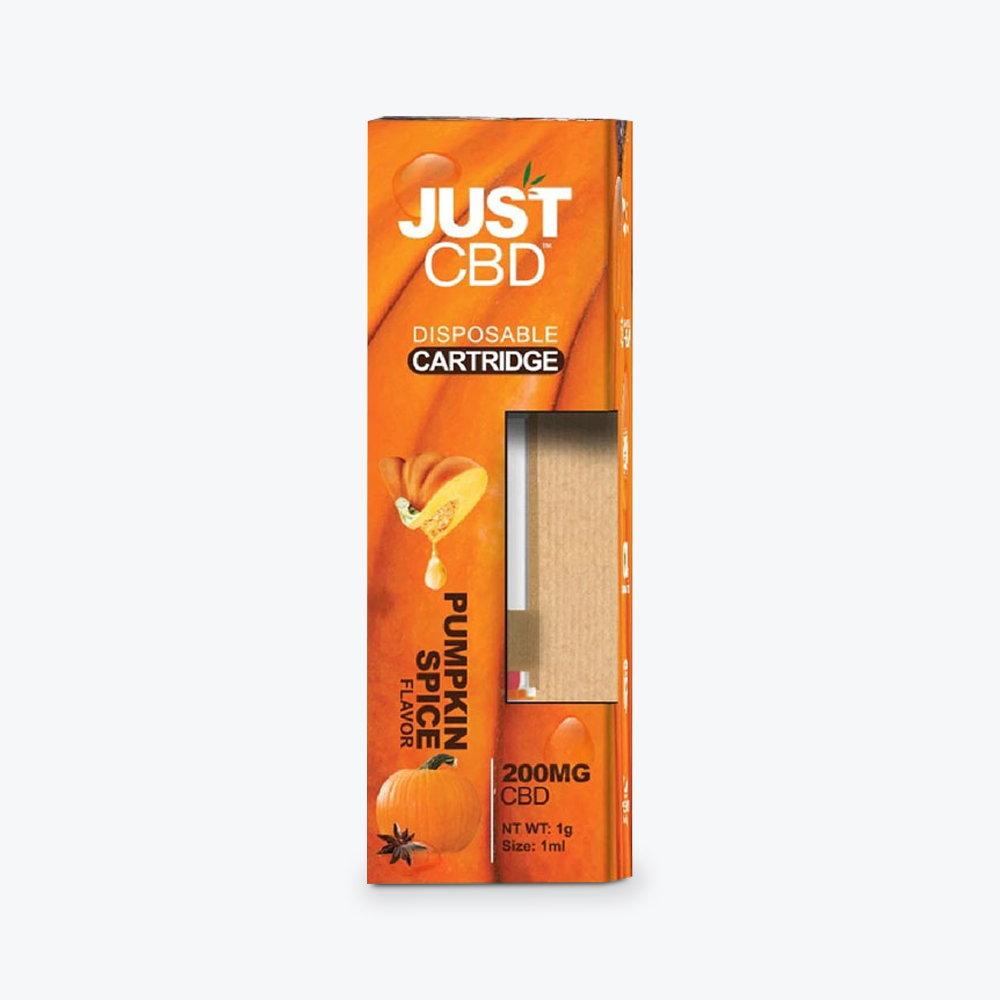
Then, look at print and construction. Check the color, logo placement, text clarity, folds, glue lines, edges, and overall finish. Good packaging samples should help you catch both visual and structural issues before they turn into expensive production problems.
Here’s a simple way to look at packaging samples without overcomplicating it:
Examine the fit with the actual product inside.
Check print quality, colors, and text placement, especially if custom printed.
Look at the size, folds, corners, and structural strength.
Open and close the box more than once to see how it performs.
Ask whether the sample reflects the brand experience you want to deliver to customers.
If you are reviewing custom box samples with a team, make sure all stakeholders are looking at the same version and that all legal bases are covered. That alone can save you from a lot of confusion for a later stage, where more quantities are produced.
How to Provide Feedback and Approve Production
The easiest way to delay production is to give vague feedback. Comments like “make my custom printed rigid mailers pop more” or “this feels off” aren’t very useful to a supplier. Clear feedback is what keeps the packaging sample approval process moving.
Instead, be specific (especially when working with custom printed shipping boxes). If the box feels too large, say exactly where the fit is off. If the color looks wrong, note which panel of your product box or element needs adjustment (and provide the correct color code, if possible). If a flap closes awkwardly, explain what happens when you test it. You can even send in a video to identify exactly what the problems are. The more precise your notes are, the easier it is for the packaging team to revise the sample correctly.
A good rule here is to separate feedback into three groups:
Structural feedback: fit, insert placement, board strength, closure, assembly, ease of access for product
Functional feedback: unboxing experience, storage, stacking, shipping practicality, workflow for production
This is also the point where teams should tighten up the packaging sample approval process internally. One person should collect feedback, confirm final revisions, and give the official go-ahead. If too many people are sending separate comments at once, errors happen fast and costs go up.
If your team is still learning how to request packaging samples in an efficient way, this is a good place to improve the workflow. The clearer the review and approval process is, the easier every future order becomes.
Final Checklist Before Ordering
Before you move from packaging samples to full production, pause and do one final review. This last check is what helps you avoid preventable errors and make sure your legal bases are covered. Use this checklist before signing off:
Confirm that the approved sample matches the final artwork files and structure of the design.
Make sure the product fit has been tried with the real item, not just estimated measurements.
Double-check the size, artwork approval process, materials, finishes, inserts, and any special add-ons.
Review all spelling, logo placement, copy, and contact details one last time.
Confirm quantities, lead times, and final production specs in writing.
This final review matters because once production starts, changes become slower, more expensive, and much harder to manage. Knowing how to request packaging samples is only half the job. The other half is knowing how to review them properly and move through a clean packaging sample approval process with confidence. Strong custom box samples can help you catch issues early, protect your budget, and make sure the final packaging feels as polished as your product.
If you’re ready to move from sample review to production, you can request a free quote from Refine Packaging and get our expert help in turning your approved packaging into a finished order and a marketing touchpoint your customers will be more than happy to pay for.
Erica is a professional writer and brand strategist at Refine Packaging who is based in Denver, Colorado. With a background in writing and journalism, Erica entered the manufacturing industry 8 years ago to deepen her passion to demystify difficult packaging concepts. With years of in-the-field printing experience, Erica is uniquely suited to help unpack the custom packaging process for beginners looking for an impactful box style that resonates with their target audience. When she’s not writing, Erica can be found with her nose in a fantasy novel or climbing The Rocky Mountains (and sometimes, doing both at the same time).







 Alex Jasin

 Amanda Jane Rivera

 Asif Muhammad
 Erica Campbell



.svg)
Share