When business owners start comparing mailer boxes vs shipping boxes, it often happens when the shipping bill lands on their desk.
Many SMBs pick mailer boxes initially because they look clean and help highlight the brand. But when they calculate dimensional weight, suddenly the shipping costs become a concern. Others play it safe with shipping boxes, adding extra packaging or padding to give the product enough protection.
To make the right choice between mailer boxes vs shipping boxes, it helps to break down how each box type is built, how it handles shipping stress, and what it communicates about your brand.
What Are Mailer Boxes?
If you’ve packed fulfillment orders for a while, mailer boxes are those packaging formats that you may have reached for without thinking too much. Mailer boxes are made from corrugated board, shipped flat, and fold into shape in just seconds.
Most custom mailer boxes share key design and structural details:
Tab locking lids that secure the box without tape or extra sealing.
Side dust flaps to keep the edges closed and add extra protection.
Layered corrugated board to keep the box sturdy while staying lightweight.
The combination of these structures results in efficiency, especially when you’re assembling dozens of orders in a row.
Mailer packaging may reach $64.87 billion by 2034, reflecting how widely these boxes are used in e-commerce and subscription models.
One reason mailer boxes show up so often in eCommerce has to do with product fit. Their shape works well for small or delicate items (like cosmetics, apparel accessories, or stationery) that don’t need large void spaces around them. A tighter interior reduces movement during transit and usually means less filler material inside the package.
There are different kinds of mailer boxes. For eCommerce, it’s usually the brown kraft mailers since they can hide scuffs and shipping marks better than lighter finishes.
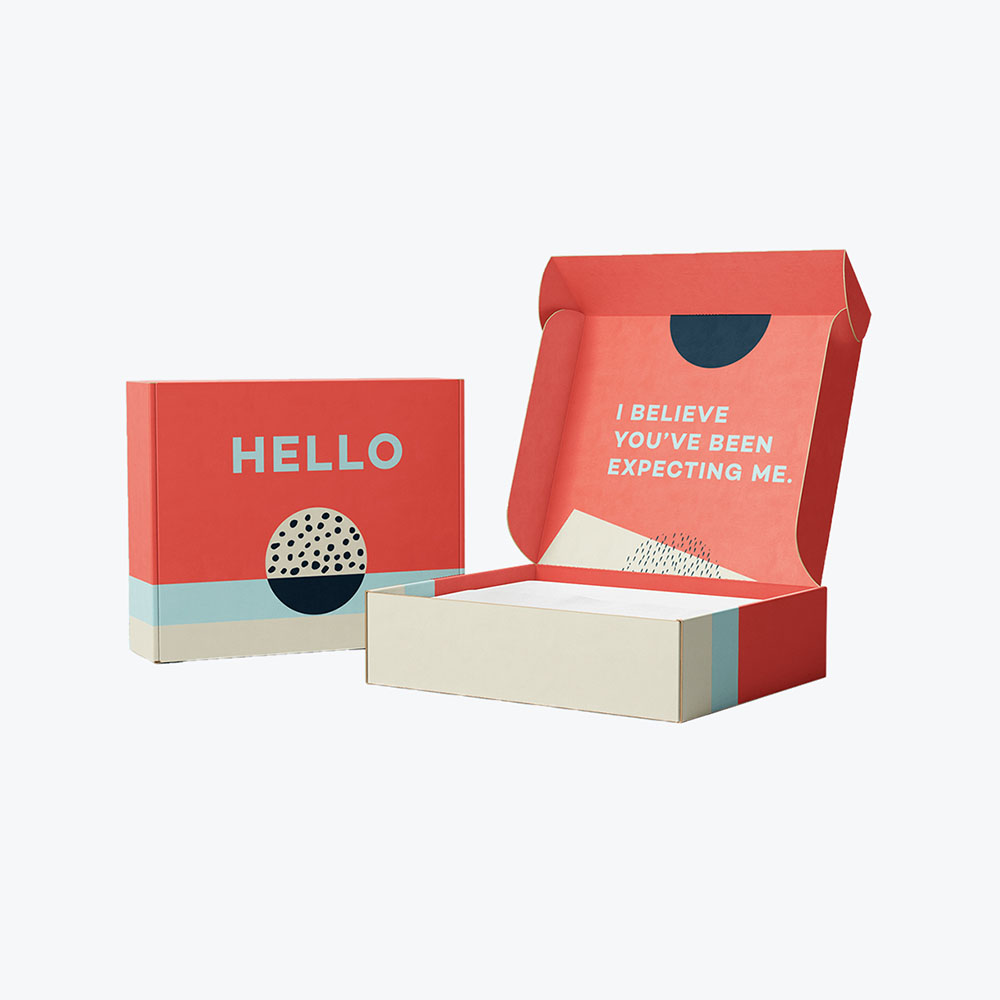
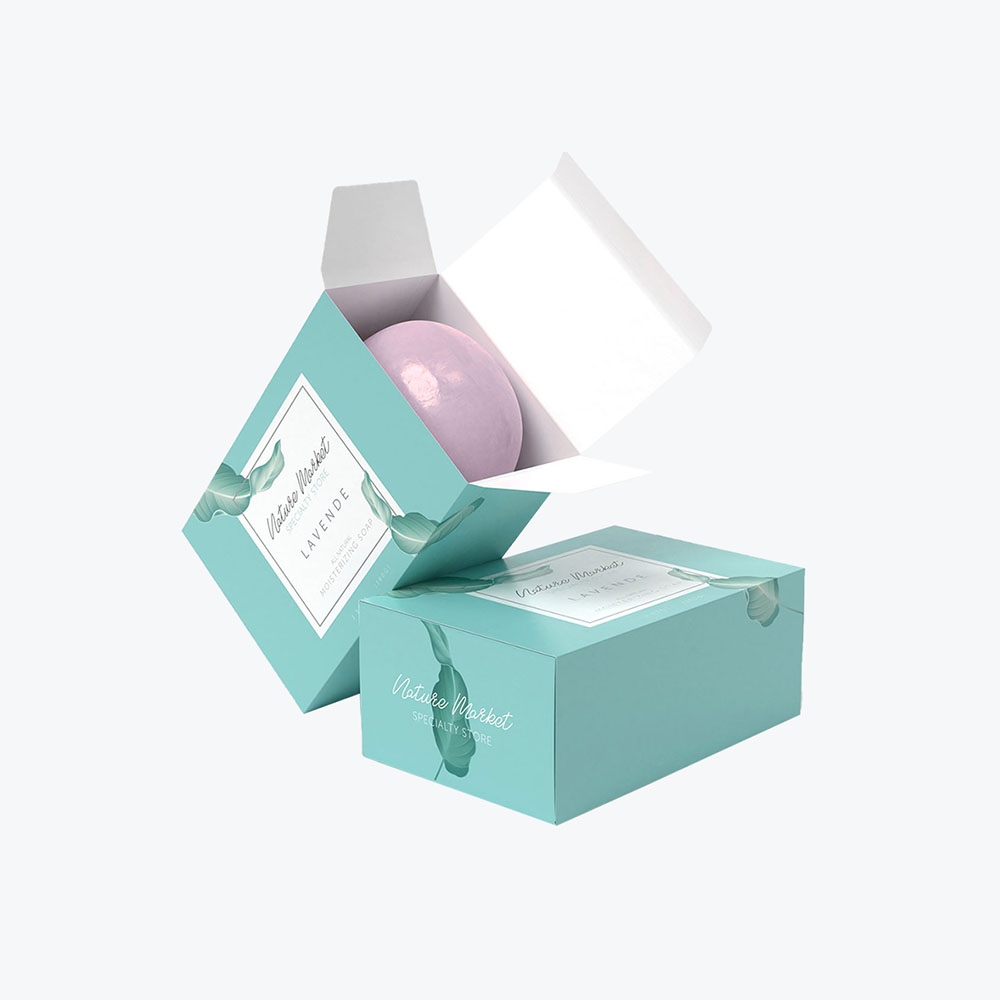
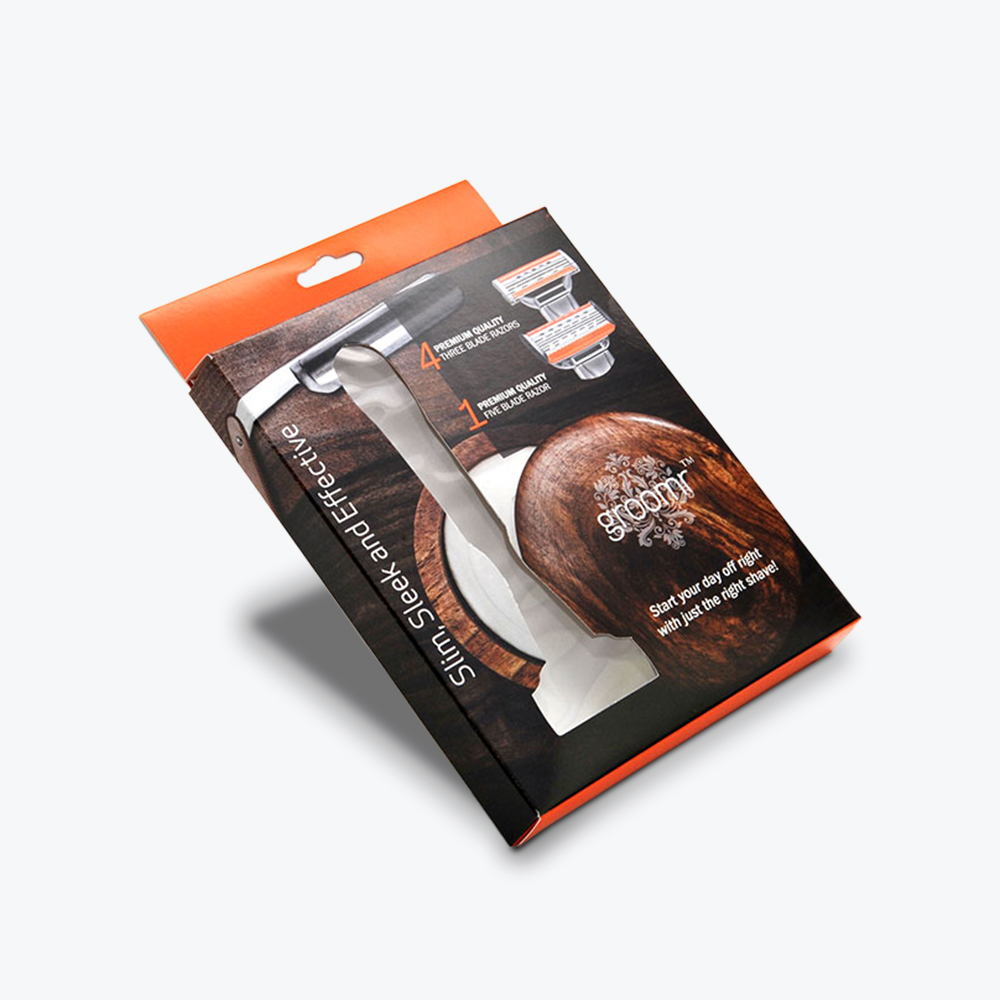
Other brands lean into full-color interiors for subscription boxes, where the box looks premium, and the packaging itself becomes part of the product reveal. In retail, custom-printed display mailer boxes open for shelf presentation while still functioning as protective custom boxes during shipping.
What Are Shipping Boxes?
When you say shipping boxes, most would think about the plain brown cartons rolling through fulfillment lines, and they’re not wrong. Between mailer boxes vs shipping boxes, shipping boxes are considered the standard. They are built for protection more than aesthetics. These corrugated boxes can take pressure, long travel routes, and the occasional drops during shipping.
Most shipping boxes have practical traits noticeable right away:
Strong corrugated board walls to hold heavier items or large parcels.
Interior space for bubble wrap or padding for shipping fragile items.
Flaps are meant for quick tape closure and a secure seal.
Predictable standard sizes that fit warehouse shelves and pallets.
Carriers like UPS move an absurd number of packages every day, and the handling isn’t gentle. Shipping boxes slide across conveyor belts, get stacked fast, then sit under other cartons in the back of a truck. That’s why shipping boxes rely on thick corrugated boards — it takes the pressure so the product inside doesn’t.
Size plays a bigger role here. Carriers don’t always charge based on weight alone. Sometimes it’s the space the box takes up, which is where postage calculations and dimensional rules start creeping in. Shipping boxes that are a little too large can push the shipment into a higher rate bracket, even if the contents are lightweight.
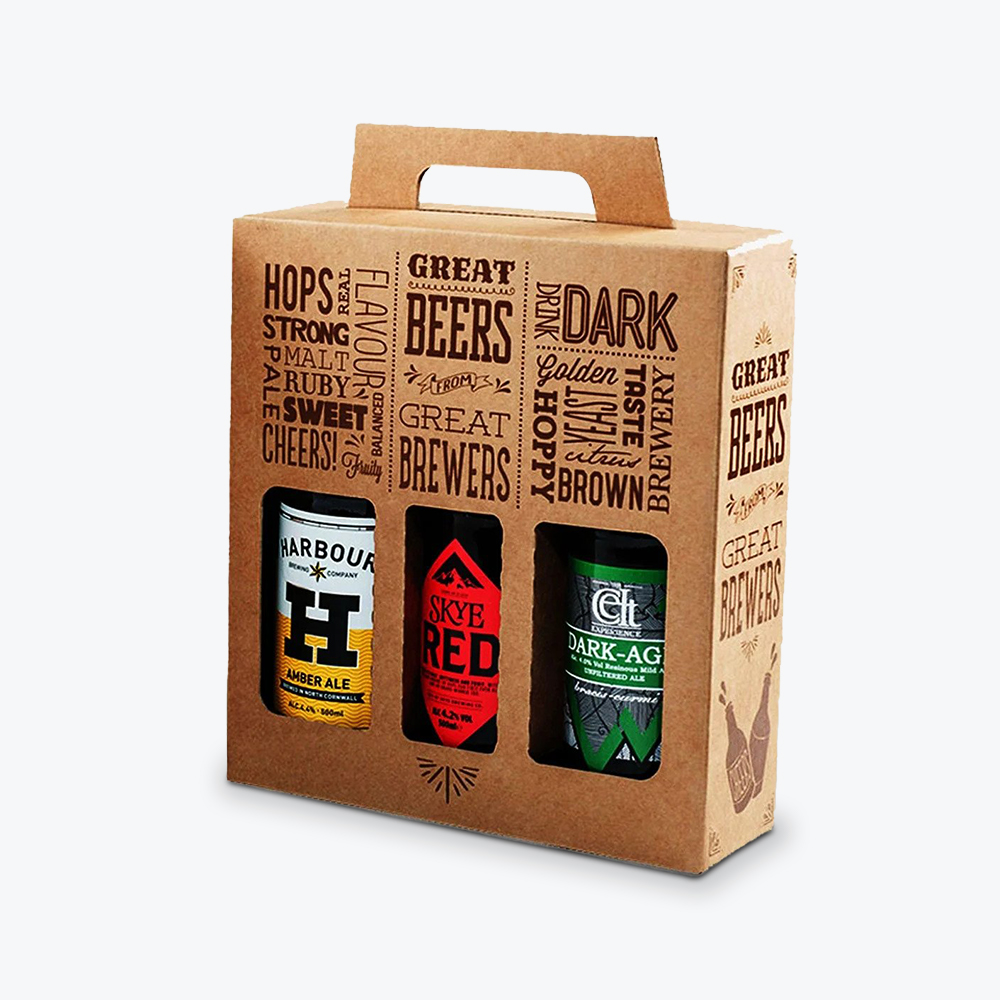
Standard sizes for shipping boxes exist for a reason. Warehouses stack pallets floor to ceiling, and odd box dimensions create wasted gaps fast. Most operations stick with basic shipping boxes because they move easily through packing lines and pallet stacks. Some companies go more specific. Breweries, for example, often ship bottles in custom beer shipping boxes where the inserts keep glass from knocking together during transit.
Weight changes things, too. Once cartons start carrying heavier items, companies often switch to full overlap shipping boxes because the flaps double up and reinforce the top and bottom panels. Day-to-day warehouse shipments usually stay with RSC shipping boxes. They fold fast, take tape cleanly, and workers can assemble them almost without looking once they’ve packed a few hundred orders.
Once you start packing orders regularly, the difference between mailer and shipping boxes becomes obvious: one focuses on presentation, the other on survival during shipping.
Mailer Boxes vs Shipping Boxes: Materials and Strength
New business owners typically frame mailer boxes vs shipping boxes as a design choice. But if you ask experienced entrepreneurs, they’ll say think about it in terms of what fails first.
The WHAT (material) matters, but so does the HOW (packaging material behavior) once it leaves the packing table. Both box styles rely on corrugated board, yet the way that board handles pressure can be very different.
Here’s a short comparison of the key differences between mailer and shipping boxes in terms of material, compression, protection provided, and internal space.
Feature
Mailer Boxes
Shipping Boxes
Material
Lighter corrugated board
Thicker corrugated board
Compression
Moderate
More durable under stacking
Protection
Works for small items
Better for heavier items
Interior space
Tighter fit
Room for cushioning
Mailer-style packaging works fine for small items – those that aren’t carrying much load. Problems start showing up when those boxes get stacked under other cartons in transit. The board can flex, corners soften, and the structure loses some of its sturdy feel. That doesn’t mean the box is poorly made; it just means the format wasn’t designed to support heavier items or bulky ones sitting on top of it during long shipments.
Packing teams usually notice another issue pretty quickly: too much empty space inside a box. The extra room sounds harmless until the product starts to move. That’s when fragile items rub against the walls or collide with the padding meant to protect them. Having the right size carton reduces that movement. It also cuts down on unnecessary fillers, which means less waste.
There’s also the environmental side of the conversation. A 2025 assessment reported that corrugated packaging performs roughly 57% to 110% better in carbon footprint, air quality impacts, and fossil fuel consumption. That means, when a business chooses the right size box for the job, corrugated packaging provides reliable protection and quality with less environmental impact.
Branding and Unboxing Experience
Once small business owners start paying attention to presentation, custom mailer boxesusually enter the conversation. A shipping carton does its job quietly; a custom mailer box opens differently. All the lid lifting, panels showing becomes part of the unboxing experience, not just a layer of protection.
That’s where custom printed surfaces start doing real work. With digital CMYK printing, layered ink is applied directly to the board to create sharp, full-color designs. Darker colors sometimes leave a slight sheen, which helps a logo stand out. A lot of brands leave the outside simple and place the graphics inside the box instead. The reveal happens after the package is opened, which feels more intentional.
A few small details tend to change how the branded box “interacts” with customers:
Interior artwork that appears only when the lid opens.
Logo placement on the inside flap rather than the outer panel.
Heavier ink coverage for a slightly more premium feel.
Inserts or printed cards are used inside subscription boxes.
You see this approach a lot in influencer mailers and product launches. Some brands digitally print box designs and build campaigns around one-of-a-kind custom retail packaging boxes or PR packages crafted to be opened on camera.
Custom shipping boxesend up doing part of the marketing work. MNTN Research reports that 62% of viewers watch unboxing videos when researching a product.
Custom Shipping Boxes: Which Box Type Is Best for Your Business?
Deciding between mailer boxes and shipping boxes depends on what you need. A lot of small business owners focus on the box style first, but the bigger question is how that box behaves once orders scale. A packaging format that works for ten shipments a week may not hold up once a business starts moving hundreds of packages, and the costs of custom shipping boxes stack up.
Here are practical checks when choosing the right box type for your business:
Compare product size and weight before committing to a box style.
Look at shipping costs based on dimensional weight rather than product weight alone.
Order a test quantity first, so packaging inventory doesn’t pile up.
Ask suppliers about production time before placing a large order.
Calculate the total cost of materials, filler, and shipping together.
You don’t have to pick one format forever. Choose the setup that helps your business run efficiently and save money as orders grow.
Final Thoughts: Mailer Boxes vs Shipping Boxes
The difference between mailer and shipping boxes usually comes down to what helps your business ship efficiently while keeping products safe. Both formats serve a role in custom packaging, especially as companies grow and shipping needs change.
Before committing to a large quantity, it helps to request samples and test how the packaging performs with real orders. Many businesses start with a small first order before making a bigger purchase decision. For companies exploring packaging options,Refine Packaging can help guide that process.
Erica is a professional writer and brand strategist at Refine Packaging who is based in Denver, Colorado. With a background in writing and journalism, Erica entered the manufacturing industry 8 years ago to deepen her passion to demystify difficult packaging concepts. With years of in-the-field printing experience, Erica is uniquely suited to help unpack the custom packaging process for beginners looking for an impactful box style that resonates with their target audience. When she’s not writing, Erica can be found with her nose in a fantasy novel or climbing The Rocky Mountains (and sometimes, doing both at the same time).










 Alex Jasin

 Amanda Jane Rivera

 Asif Muhammad
 Erica Campbell



.svg)
Share