If you’re losing money on damaged shipments or packaging that does little for your brand, this guide to custom boxes is for you.
Moving from standard shipping supplies to custom packaging and branded packaging can improve both product protection and presentation.
Instead of forcing products into generic containers, custom boxes and custom packaging boxes are designed around each item. That often means a better fit, less wasted space, and fewer products shifting during transit.
Quick Take: What exactly is a custom box, and is it worth it for my business?
A custom box is a packaging made for a specific product rather than a standard stock size. The goal isn’t just branding. A better-fitting box can reduce movement during shipping, improve protection, and eliminate the need for extra filler materials.
Many businesses invest in custom packaging because it can help:
Create a more polished unboxing experience
Reduce wasted space and excess packing materials
Increase brand visibility throughout the delivery process
Improve protection during shipping
Support sustainability goals by using materials more efficiently
Cost is usually the first concern, and that’s understandable. Custom packaging often costs more upfront than stock boxes. The calculation changes when shipping efficiency, product damage, packing materials, and customer experience are factored in.
Ready to see the numbers? Request afree quote now to see what custom packaging solutions make sense for your product and budget.
What Are Custom Boxes and Custom Product Packaging?
A stock box works for almost anything. Custom boxes and custom packaging are made for a specific purpose. These custom packaging products are tailored around the product’s dimensions, shipping needs, and branding goals. When you choose custom packaging boxes, you control every detail:
the exact inside size
the strength of the material
how it opens
the outside design
This tailored approach turns simple boxes into custom packaging and custom product packaging that protects your products during shipping and helps promote your brand.
The 4 Main Types of Packaging Products
“Packaging” is a massive umbrella term, but most custom product packaging falls into one of four categories:
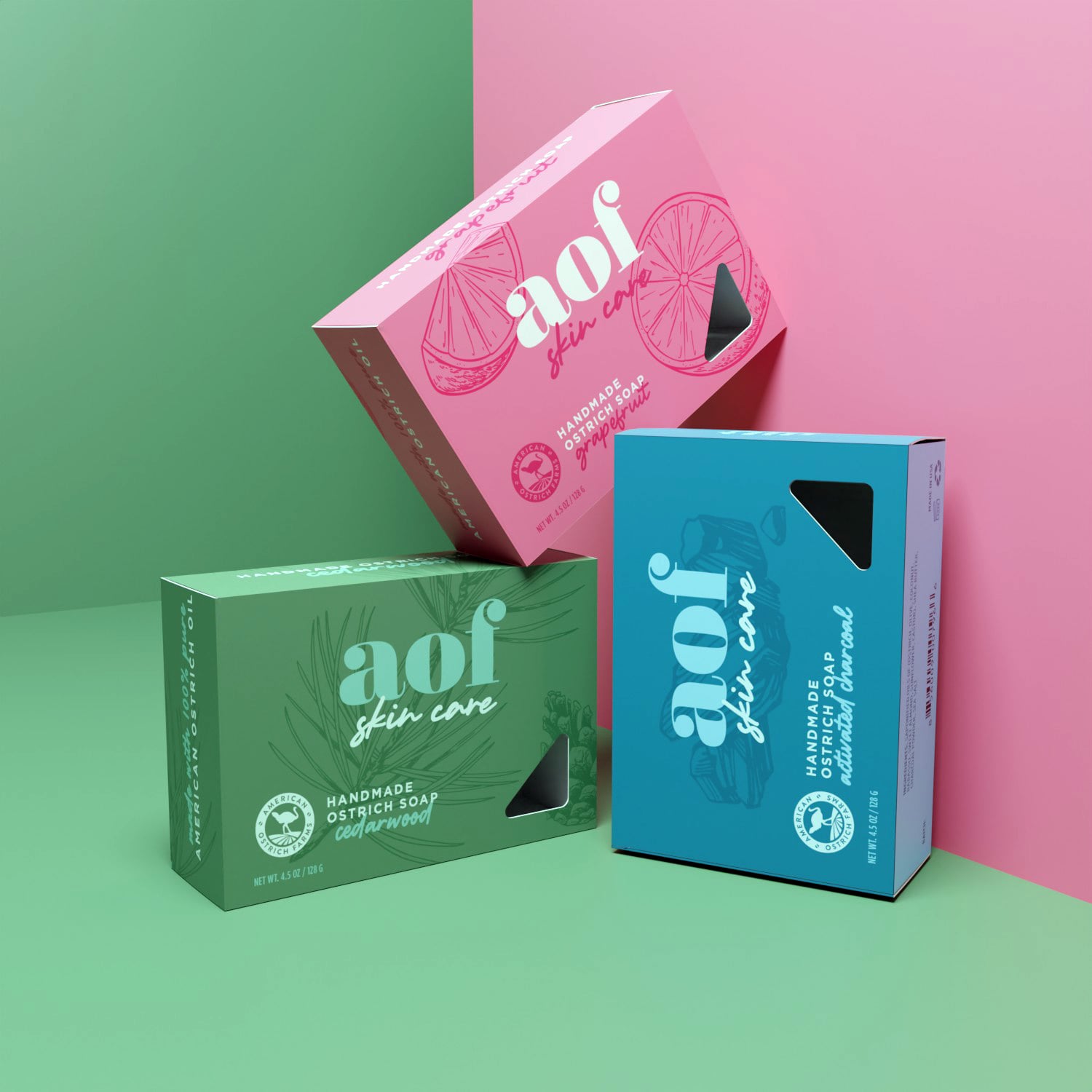
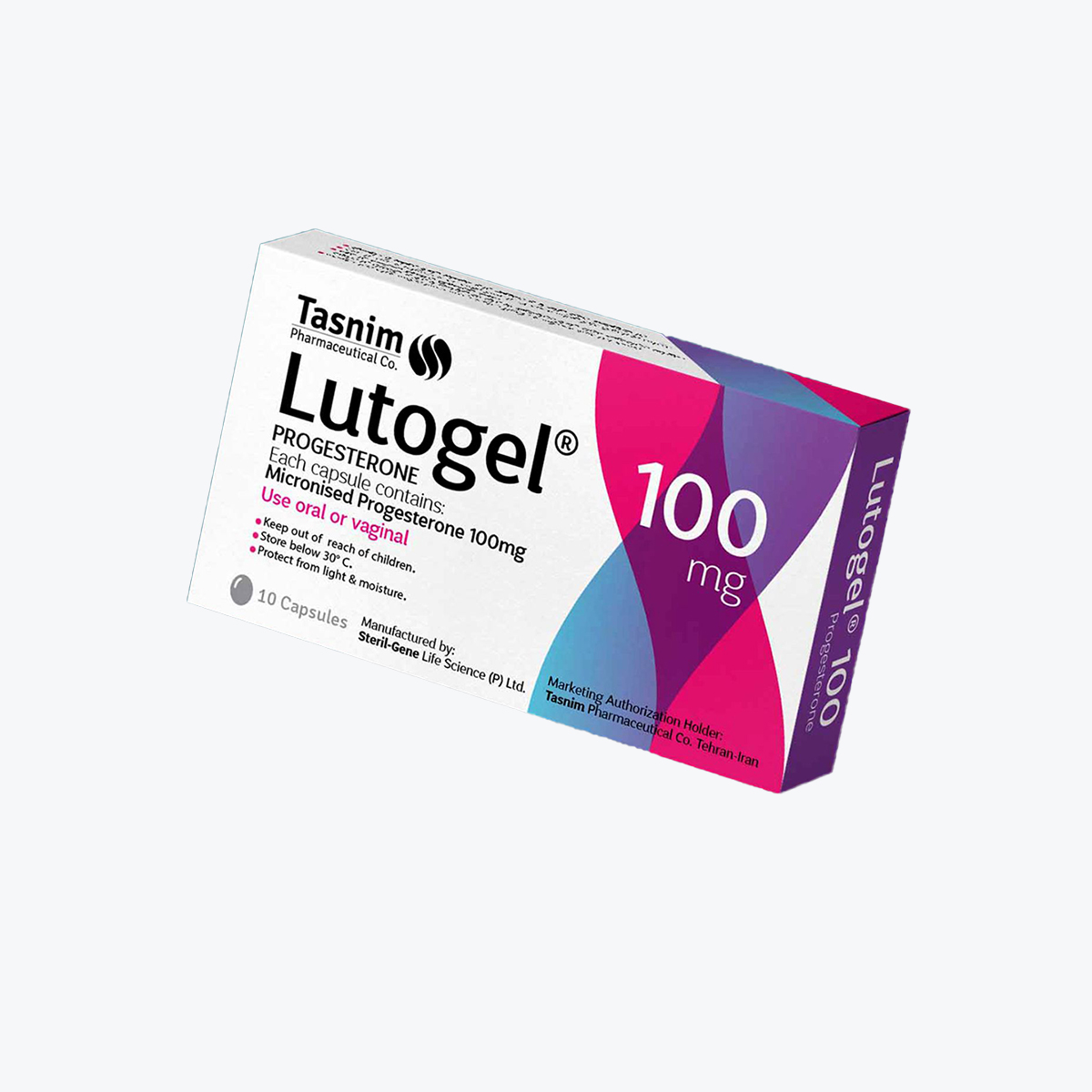
Product Boxes: These are the boxes you see on store shelves, typically encasing skincare products, tech gadgets, or cosmetics. They are thin, crisp, andpolished folding cartons. They look chic but can be easily crushed if you send them through the mail as is.
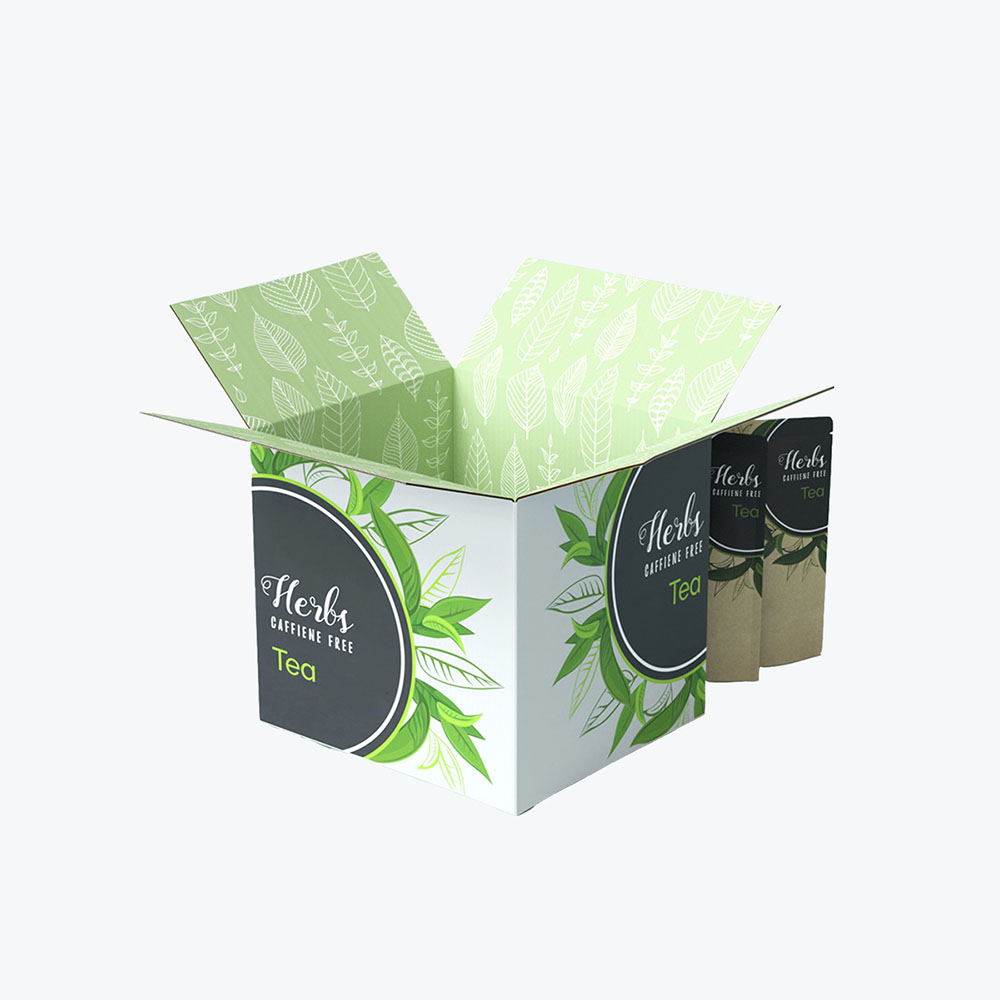
Shipping Boxes: These are thecorrugated mailers and RSCs, also known as the heavy lifters in custom shipping boxes for eCommerce brands. If you have an eCommerce brand, you have these shipping boxes. They use fluted, layered corrugated cardboard to withstand rough handling and settings.
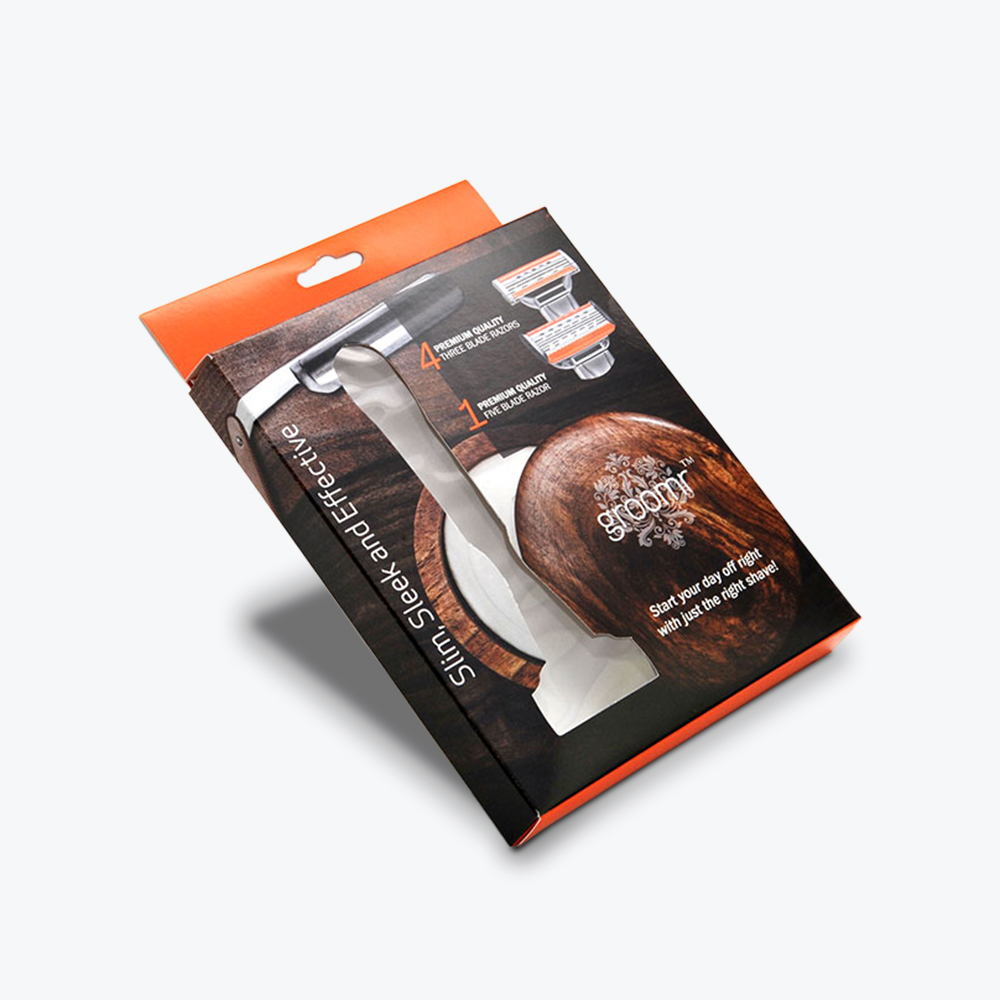
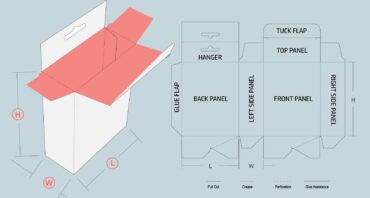
Retail Packaging: This is about the brick-and-mortar storefront experience. We’re talking about counter display units,custom product sleeves that slide over generic containers, or hanger boxes that clip onto retail racks to catch a shopper’s eye as they walk past.
Inserts and Protective Packaging: Instead of cheap plastic bubble wrap, these arecustom foam or molded cardboard trays that keep your product from rattling around. It makes the unboxing feel premium and actually prevents fragile items from breaking in transit.
The Structural Shift: Stock vs. Printed Stock vs. Fully Custom
Choosing between stock packaging, custom printed boxes, and fully customized packaging comes down to balancing budget, lead time, and branding flexibility. To help you plan, here is a comparison of regular utility boxes versus custom packaging boxes that give a better return on investment:
For many eCommerce businesses, the package is the only thing customers ever physically touch. They can’t visit a showroom to touch, smell, taste, or feel the product. The box often ends up doing more of the brand-building work than people realize, especially in competitive product packaging environments.
1. Branding and Customer Experience
You can spot some companies from a mile away without even looking for a name. Take T-Mobile. You see that bright magenta cardboard sitting on a neighbor’s doorstep, and your brain immediately connects the dots. That’s visual shorthand.
It’s not just a gut feeling, either. A Journal of Product & Brand Management study found that packaging shapes how people view bothproduct quality and brand personality. Adding your logo and investing in custom printed packaging, utilizing a consistent color palette, and ditching plain brown cardboard ensures customers remember who you are.
Broken inventory is a nightmare. The real reason most brands upgrade to custom packaging isn’t just aesthetics – it’s because standard, off-the-shelf boxes leave too much empty space inside.
Industry data shows that shipping damage accounts for about1% to 3% of all eCommerce returns, making strong eCommerce packaging essential. That sounds small until you’re the one paying for return labels, shipping out replacements, and dealing with angry emails. When custom boxes are designed around a product’s dimensions, there’s less space for items to move during transit. Inserts add another layer of protection, particularly for fragile products.
3. Differentiation in Competitive Markets
A great box won’t save a bad product, but custom printed boxes completely change how that product is perceived when it arrives. The product is still the main focus, but the packaging gives it a better introduction.
Your box also spends a surprising amount of time around other packages. It’s stacked next to Amazon orders, subscription boxes, and products from competing brands. A recognizable design makes it easier for people to remember where it came from.
4. Impact on the Unboxing Experience and Retention
If your customer opens the box and it feels like unboxing a gift, that leaves a good impression. Macfarlane’s Unboxing Survey found that 56% of online shoppers saidbranded packaging encourages them to buy from that retailer again. It turns a one-off transaction into actual customer retention.
Strong branded packaging increases the likelihood that customers share their experience online. Unboxing videos pull billions of views across TikTok, Instagram, and YouTube. Aclean, thoughtful presentation that shows you actually cared about how the item arrived is usually enough to land your brand in reviews, customer social posts, and repeat orders.
Choosing your packaging materials matters just as much as what you print on the outside. Pick something too flimsy, and your product arrives in pieces. Pick something too heavy, and you’re throwing money away on dimensional weight shipping fees. You have to find the sweet spot where protection, weight, and presentation align.
Corrugated Boxes
Mostcorrugated boxes don’t look particularly complicated from the outside. Cut one open, though, and you’ll find a wavy layer (fluting layers) sandwiched between two flat sheets of cardboard. That’s the part doing most of the work. It helps the box maintain its shape and reduces the risk of products being crushed or damaged in transit.
If you’re shopping for these, you’ll see an “ECT rating” (Edge Crush Test) stamped on the bottom. It measures how much pressure the walls can take before buckling. For your standard eCommerce shipments under 30 pounds, a32 ECT box is usually the most practical choice – tough enough to handle a rough delivery route without blowing out your margins.
Paperboard (Folding Cartons)
Paperboard orfolding carton is a single layer of compressed wood pulp. It’s lightweight and easy to print on. It’s also the go-to when appearance matters. Cosmetics, supplements, perfumes, and small electronics often use paperboard because it can handle detailed graphics and sharp text. The tradeoff is strength. It looks great on a shelf, but you’ll want to pack them inside a sturdier outer box for transit.
Kraft Packaging
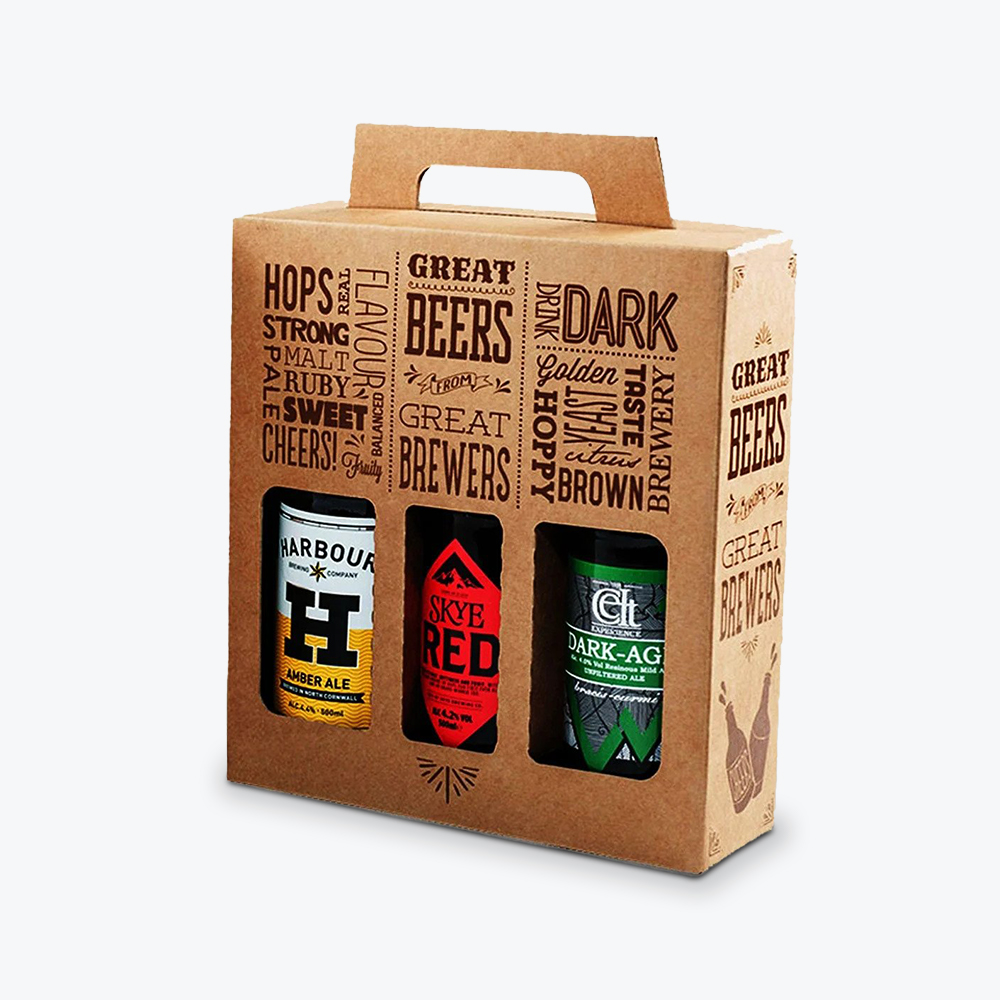
Kraft packaging has become a popular choice for brands that want a more natural/neutral look. It keeps its familiar brown color because the paper isn’t heavily bleached during production. Customers often associate Kraft packaging with simpler materials, less processing, and a moreeco-friendly approach.
Kraft is also tougher than many people expect. The material resists tearing well and holds up nicely for everyday packaging applications. It’s a favorite for apparel brands, subscription boxes, and artisanal products where a clean aesthetic is part of the brand’s identity.
Chipboard (Folding)
If you’ve bought a pair of shoes or opened a cereal box, you’ve seenchipboard in action. Chipboard is often the budget-friendly option in the packaging world. It’s made from recycled paper that’s compressed into a sturdy board. It’s not shipping-box sturdy, but it does a good job of providing structure when products don’t need much protection.
No packaging material wins in every category. Most businesses end up weighing the same few factors: strength, print quality, sustainability, and cost. Here’s how these custom box materials compare.
Material
Product Weight
Printability
Sustainability
Cost Tier
Corrugated
Heavy
Good
High
$$-$$$
Paperboard
Light
Excellent
High
$$
Kraft
Light to Medium
Good
Excellent
$$
Chipboard
Light
Good
High
$
How to Choose the Right Material
There isn’t a single material that works for every product. What makes sense for a skincare brand may be completely wrong for a subscription box company. A few factors usually narrow the options pretty quickly.
Based on Product Weight
If the item is lightweight, it doesn’t need the same protection as something bulky or delicate. That’s why heavy items generally use corrugated packaging. The additional structure helps the box keep its shape and handle more stress during transit. For lighter products, paying for extra protection you don’t need can increase packaging costs without adding much value.
Shipping Requirements
When the package leaves your care, will it travel across the country? Sit in multiple warehouses? Get squashed under dozens of other packages? Fragile items need stronger packaging solutions, especially when they’re moving through complex shipping networks. Major carriers such as UPS recommend selecting packaging based onshipment weight, fragility, and transit conditions.
Branding Goals
Some brands prioritize shelf appeal, while others prioritize packaging that reflects the brand’s values. A natural kraft finish and a glossy retail carton can create very different expectations, even when the product inside is the same. The materials you choose can reinforce a more premium image, support sustainability efforts, or create a consistent look across your product line.
Budget
The cheapest box isn’t always the cheapest decision. Saving a few cents on materials can disappear quickly if products need extra protection or arrive damaged. Production volume matters too. Depending on the packaging format, a higher minimum order quantity can sometimes lower the cost per unit enough to change the math entirely.
Box Styles Encyclopedia
Some box styles use standard templates, while others are die-cut to fit a product more precisely. That choice influences everything from protection and storage to how your customer’s first impression of your product.
Type
Best For
Typical Use Case
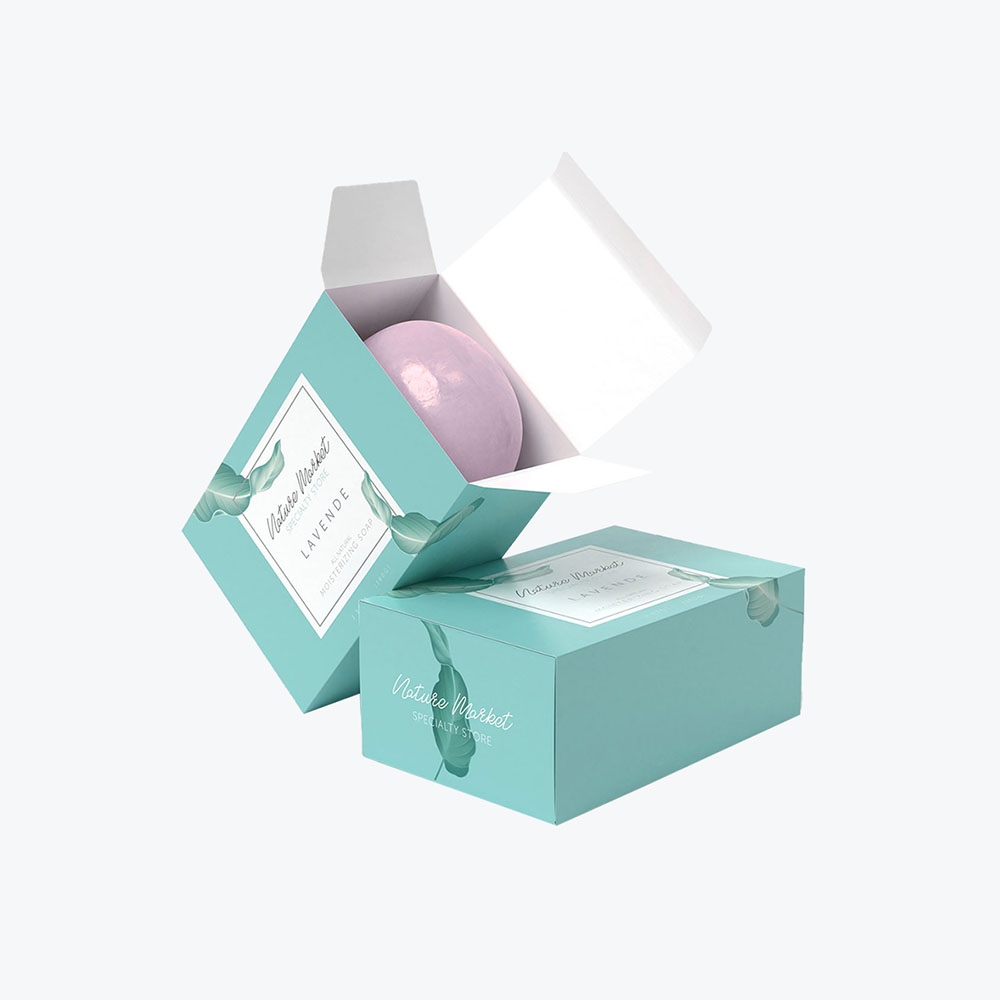
Tuck-end boxes
Cosmetics, supplements, tech accessories, tin candles
Signature line gift boxes and premium retail packaging
Display boxes
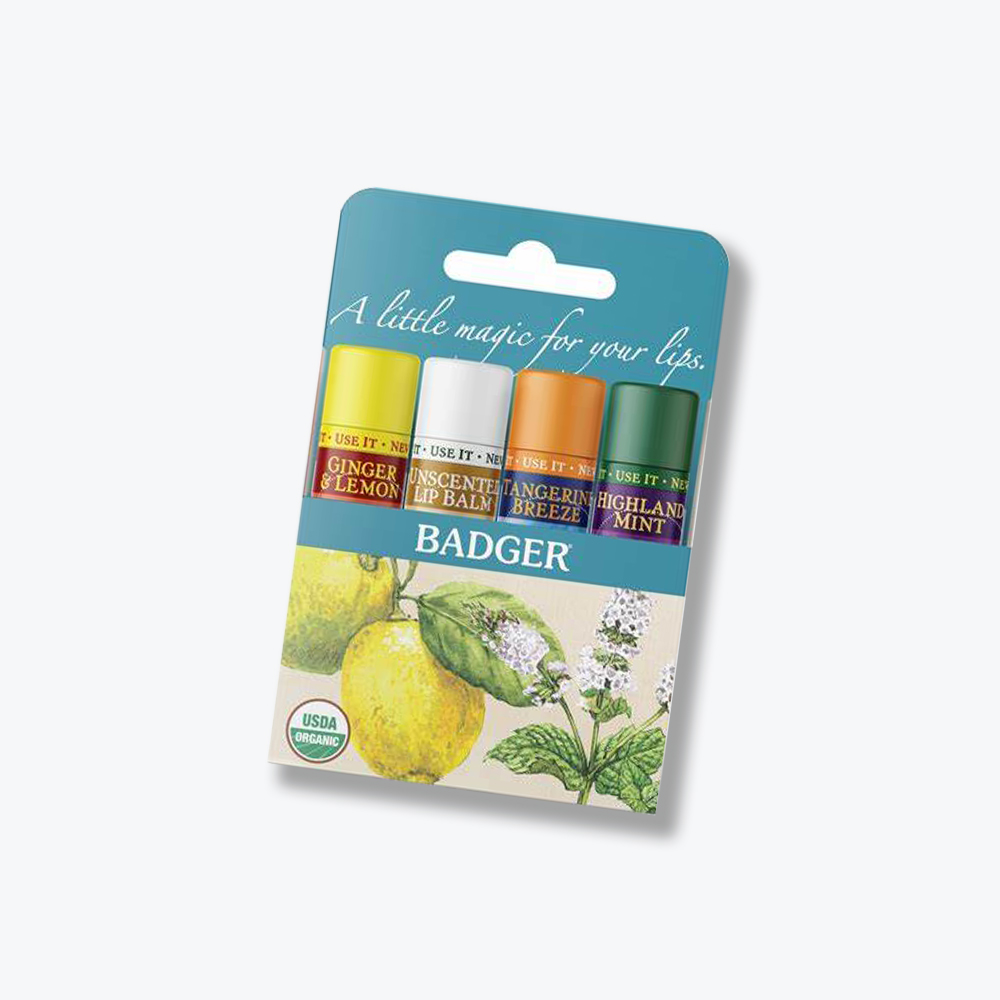
Small retail products like lip balm, promotional items, grab-and-go merchandise
Point-of-sale displays and retail shelves
1. Tuck-End Boxes (Straight Tuck and Reverse Tuck)
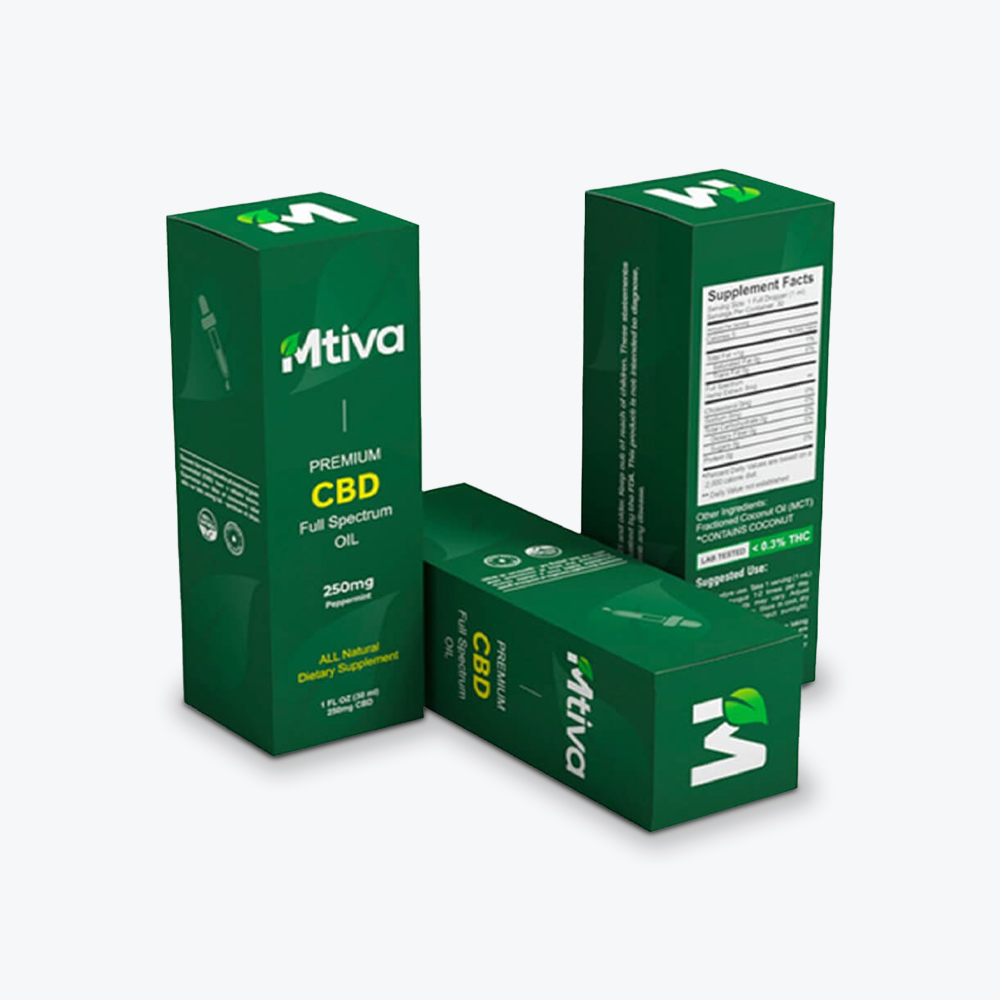
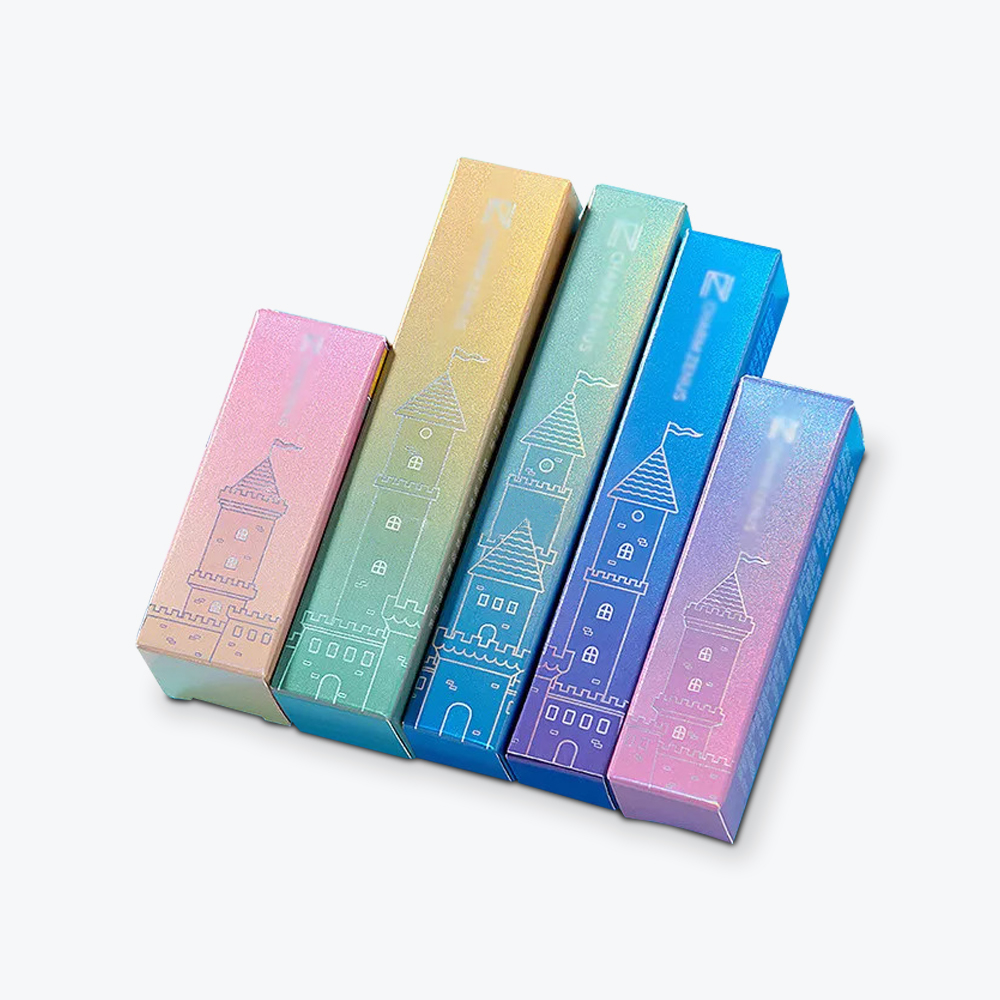
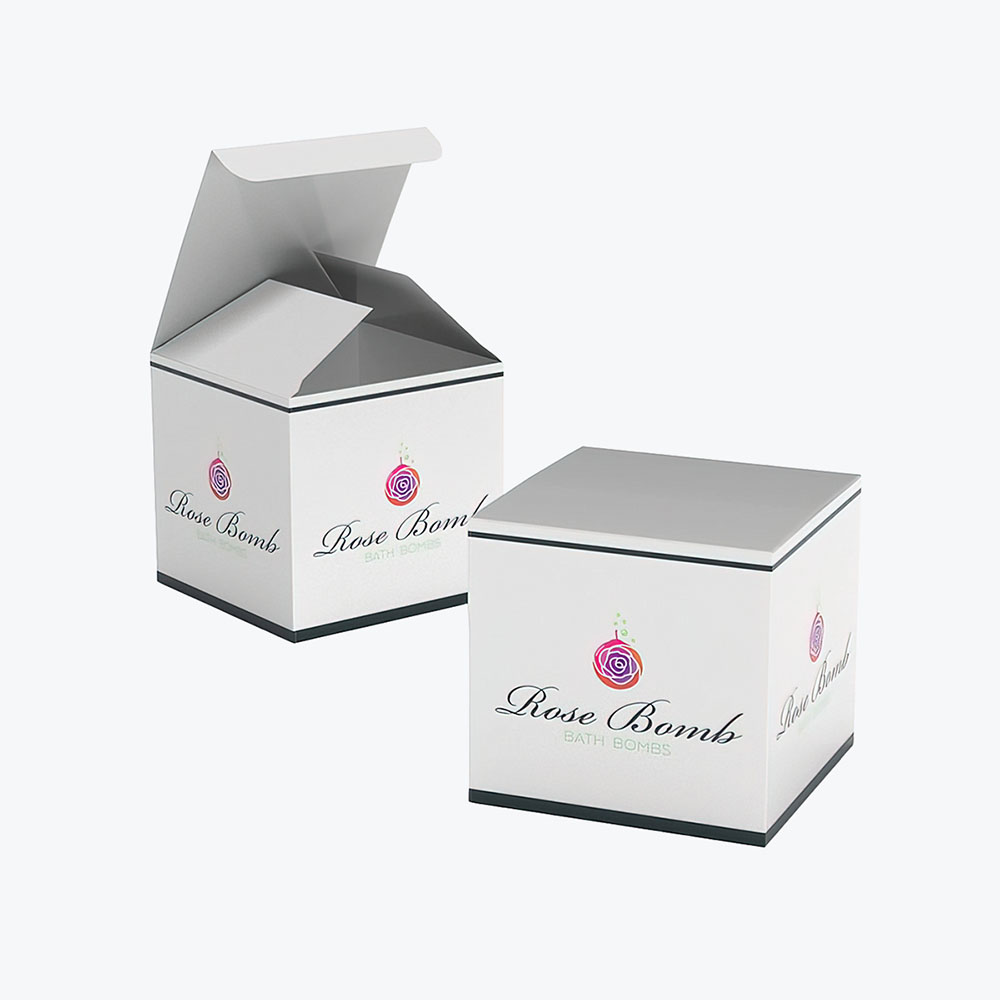
These are the standard folding product boxes you see on retail shelves. They’re usually thin paperboard and ship flat to save space. They pop open instantly with simple friction flaps.
Straight Tuck (STE): Both the top and bottom flaps fold toward the back. This leaves the front edges completely clean and seamless.
Reverse Tuck (RTE): The flaps fold in opposite directions. It leaves a tiny visible seam on the front, but the flat layouts nest together like puzzle pieces.
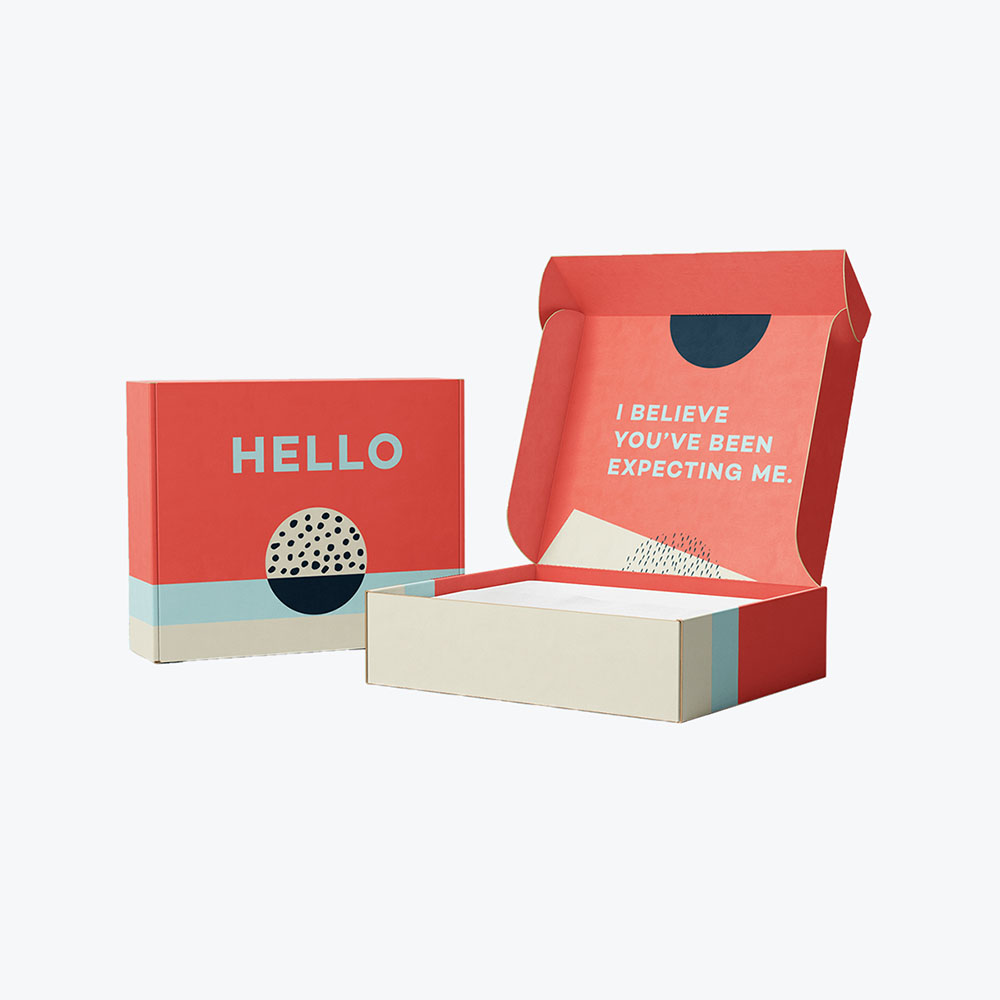
2. Mailer Boxes (Roll-End Tuck Front)
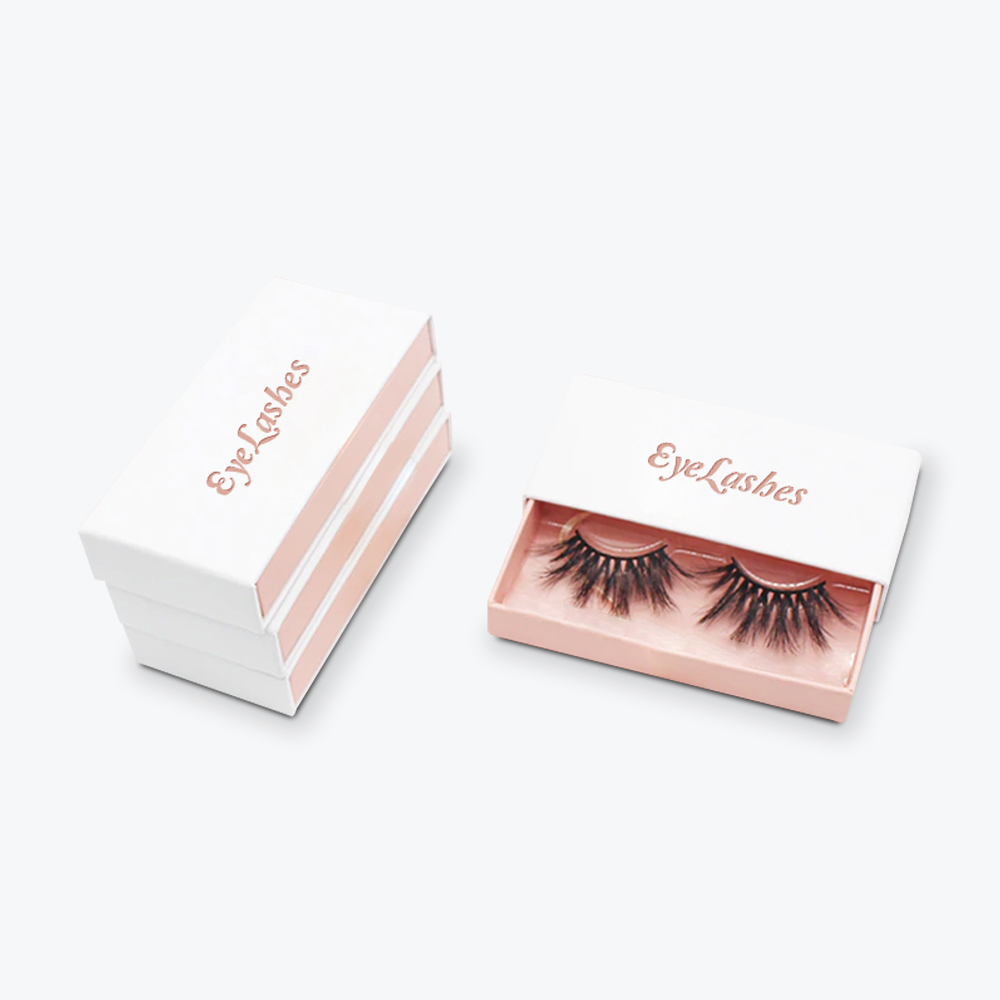
Most use aRoll-End Tuck Front (RETF) design made from corrugated cardboard. They feature double-layered side walls that roll up, with a front lid that tucks and locks directly into the frame. These are often paired with custom cardboard inserts to prevent rattling. It opens like a chest, which makes it great for curated kits or multi-item orders where protection and presentation matter.
3. Telescope Boxes (Two-Piece)
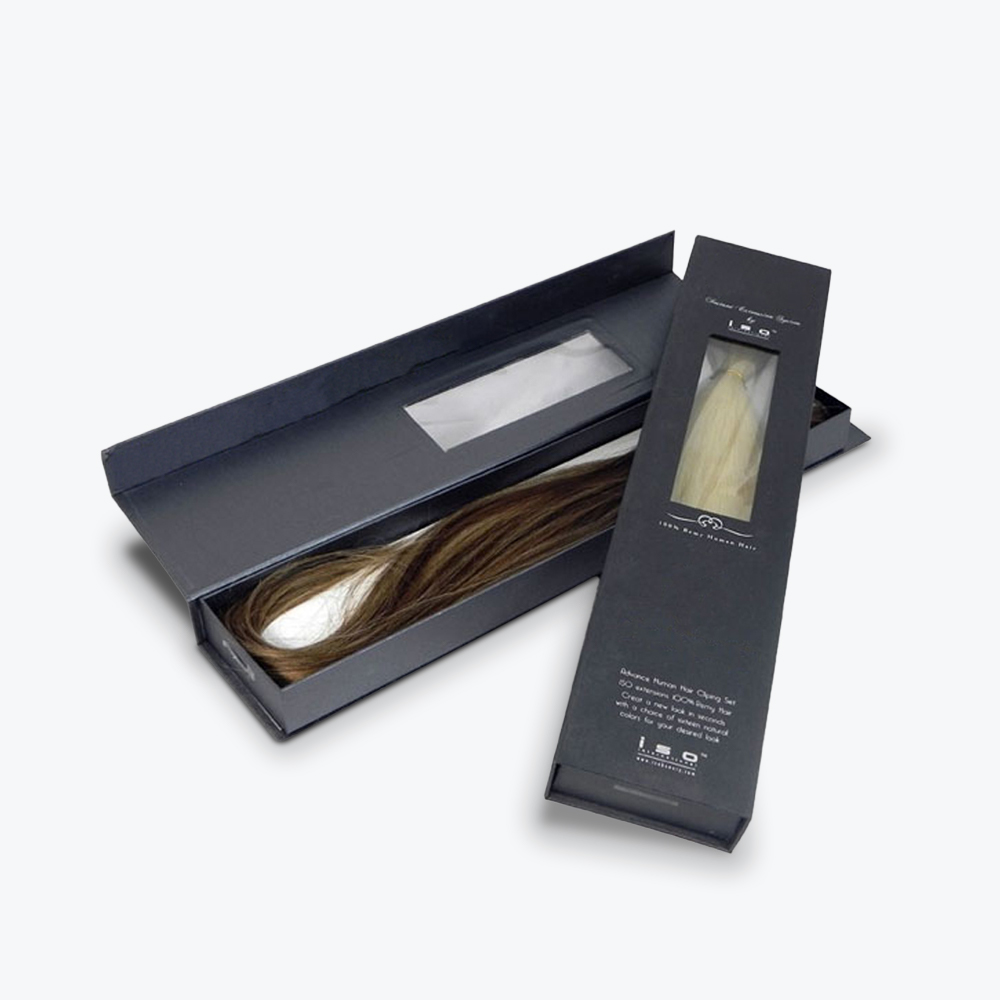
This is a two-piece setup with a separate lid and base. Unlike mailer boxes that you must manually fold, telescope boxes often arrive at your warehouse pre-assembled and fully rigid. Because the lid completely overlaps the base, you get double the wall thickness and a lot of stacking strength.
4. Sleeve Packaging
A sleeve is acustom printed tube with no top or bottom. It slides right over a product or a plain, generic container, acting like a decorative jacket. It’s also an incredible budget shortcut. If you have a massive stash of white stock boxes, you can slide a branded sleeve over the middle to instantly elevate the look.
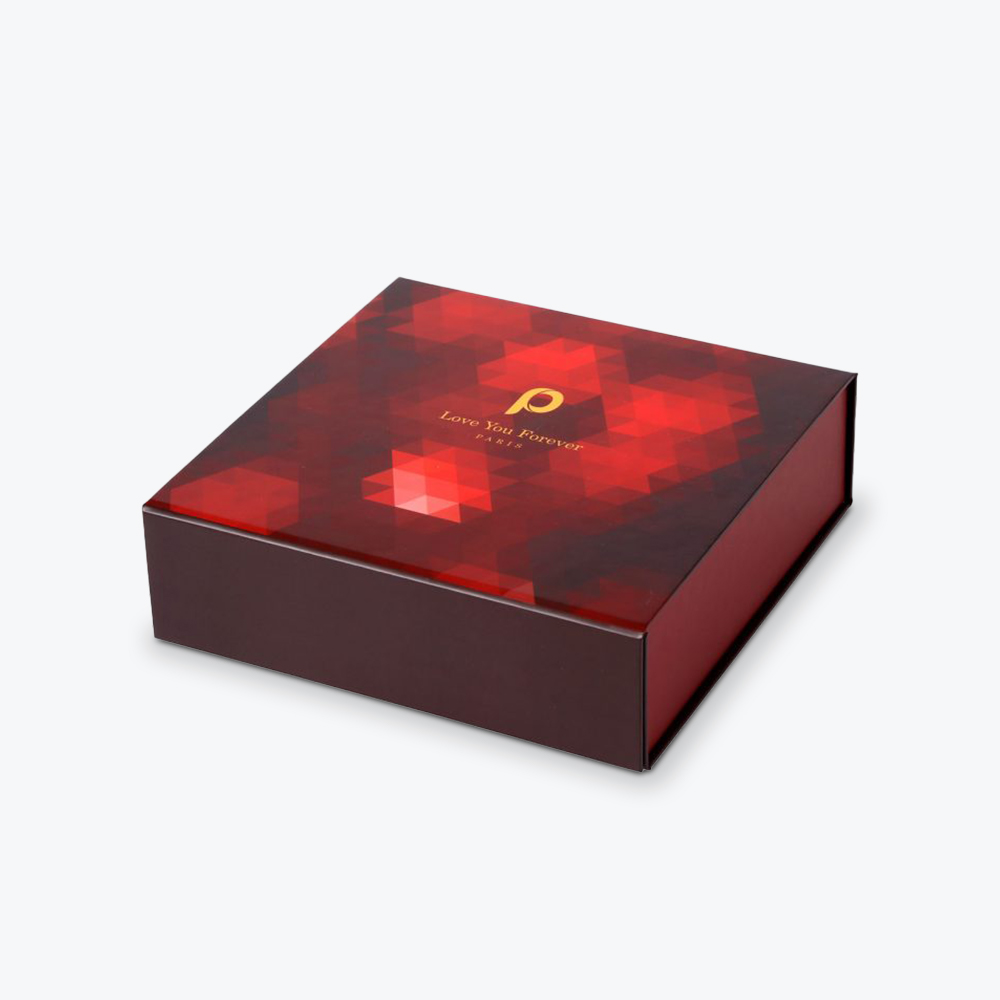
5. Rigid Boxes
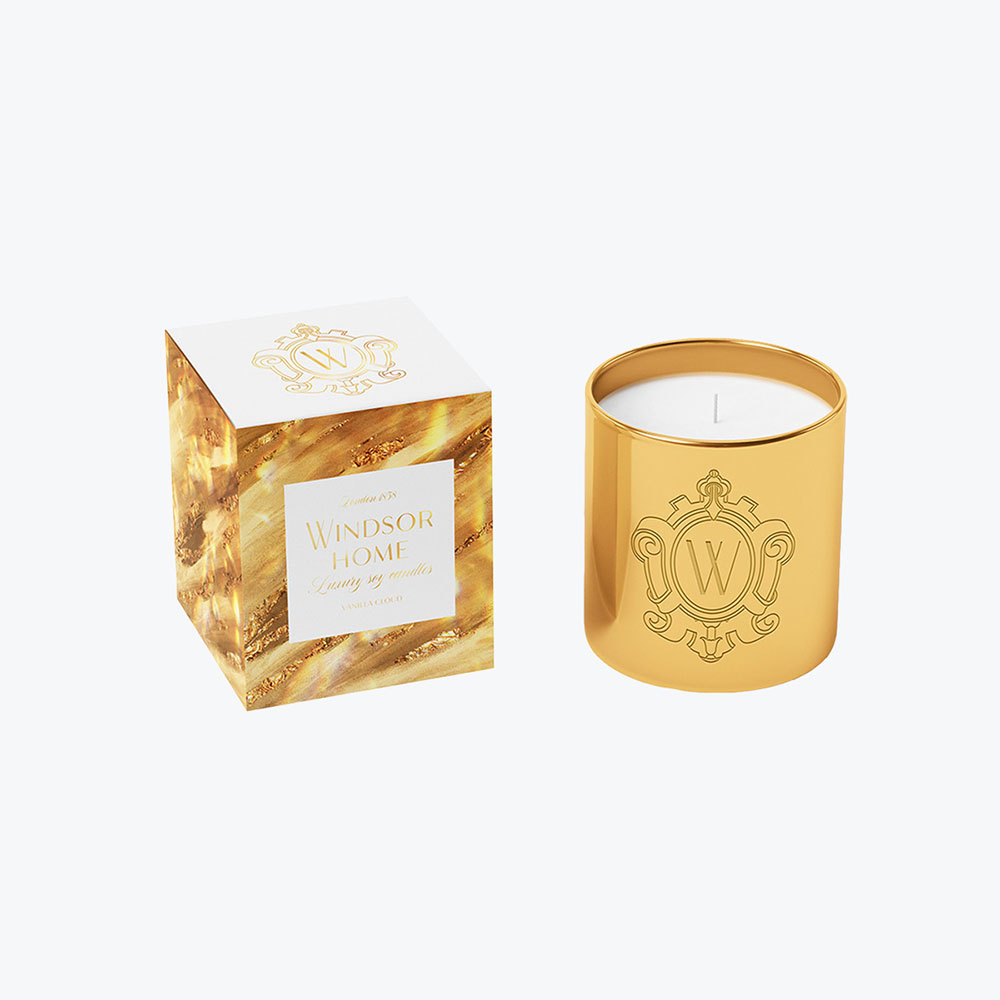
Think of a smartphone box. It doesn’t fold flat, it doesn’t bend, and it feels heavy and solid in your hand. Rigid boxes are theheavy hitters of luxury packaging. Their core is made of dense, thick chipboard wrapped in premium textured paper. They cost more to make and take up a ton of warehouse space since they ship fully built, but they completely change the perception of value.
6. Display Boxes
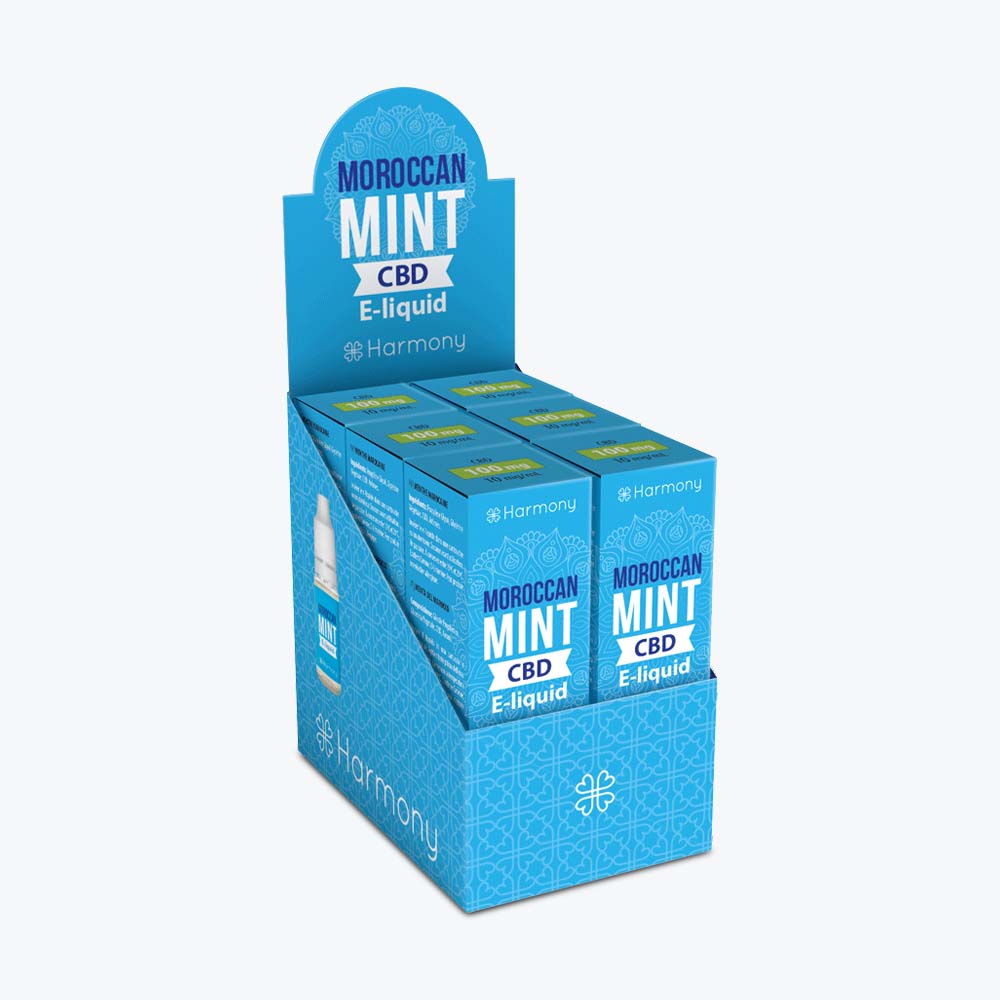
Adisplay box, or counter unit, is a hybrid. When it’s sealed, it looks like a standard corrugated shipping carton protecting your inventory. But when it arrives at a retail store, the shop clerk just tears off a perforated section, folds back the lid, and it turns into an open-faced shelf display. These are made specifically for the checkout counter to trigger last-second impulse buys.
How to Choose the Right Box Style
Focus on these three factors:
1. Product Type
Weight and fragility dictate your baseline. A small skincare tube doesn’t need the same packaging as a glass jar. The heavier or more fragile the item, the more important the box structure becomes. Paperboard tuck-ends are great for lightweight items, while corrugated boxes give structural support for heavier ones.
2. Shipping vs Retail Use
Where your product sits changes what it needs. Shipping to customers? Go with a sturdy corrugated mailer box. Selling in stores? A paperboard carton or display box may be all you need.
3. Customer Experience Goals
If your goal is to go viral, a two-piece telescope box or a roll-end mailer delivers a dramatic, gift-like reveal. If you prioritize functionality first, a clean custom sleeve over a plain stock box gets the job done. Decide what you want your customer to experience first.
Box Strength & Durability Basics
A box can look great on a shelf and still fail during shipping. It’s why raw strength ratings matter, especially if you’re stacking inventory or moving heavy and fragile items. Industry data shows that around20% of all eCommerce returns occur because products are damaged during transit. You can’t control the delivery route, but you can control your packaging.
Edge Crush Test (ECT)
ECT measures the load capacity of a corrugated box when stacked on top of other boxes. Higher ratings generally mean a stronger box. For many eCommerce businesses, a standard 32 ECT box works for most shipments. Once products get heavier, it’s usually worth stepping up to a stronger grade.
Box Compression Test (BCT)
BCT looks at the finished box. It measures how much weight it can handle from above before it starts to collapse. Things like moisture in a warehouse or how long the box sits in a humid delivery van can slash a box’s actual compression resistance. BCT helps you calculate the safety margins you need when stacking high inventory.
MOQ Strategy by Business Stage
Navigating a manufacturer’s minimum order quantity (MOQ) can completely break or unlock your cash flow, depending on how much inventory you actually move. The trick isn’t just about bypassing factory minimums; it’s about aligning your custom order volume with your actual runway.
For Startups
Early-stage brands usually benefit from lower MOQs. Low-volume custom packaging orders lower your upfront financial risk while you test the market. You may pay more per piece initially, but it saves your capital for product development. Once your sales stabilize, that’s your cue to start investing heavily in full-scale custom packaging.
For Growing Brands
When your sales scale, larger quantity runs often reduce the cost per box. This is usually when businesses begin balancing efficiency with customization. This stage is about using your custom order designs as a tool for brand growth, such as adding sleek inserts or custom tissue paper to turn a standard shipping box into a marketing asset that drives repeat sales. Several brands shift to retail packaging boxes during this phase to strengthen brand recognition.
For Established Businesses
For enterprise brands, scale changes the math. Larger custom packaging orders typically cost less per unit and offer more customization. At that stage, it becomes easier to justify custom add-ons likeprinted finishes or more complex packaging structures because the costs are spread across a larger volume.
Packaging Lead Times & Rush Orders Explained
Missing a product launch because your cardboard is stuck in production is a nightmare. Standard lead times are 10 to 15 business days, but the clock starts only after you approve the final digital 3D proof.
Several moving parts will drag out your production timelines:
Box Complexity: Simple folding cartons pop out fast. Unique box designs, like a rigid box with magnetic closures or custom structural inserts, expect extra assembly days.
Printing Methods: High-volume offset printing requires setting up physical metal plates. It adds days to the front end compared to quick digital printing, but it’s cheaper for massive runs.
Order Volume: Truckload custom packaging orders take longer to run, dry, and pack.
Navigating Rush Orders
If you’re facing a hard deadline, most vendors offer a rush order option to slash production down to 5 or 7 days. The trade-off can be significant. You’ll pay steep expedited shipping fees and rush production premiums that can easily swallow your profit margins.
Custom Packaging Design Considerations
Good packaging design isn’t just about artwork. The print method, box structure, and finishing choices all affect how your custom packaging looks, feels, and performs.
Strategic packaging design aligns these elements with your brand positioning and customer expectations.
Print Methods
The print method you choose changes your setup fees and per-box cost.
Digital Printing: Best for short runs and startups, as it requires no physical plate setups, keeping your initial costs low. It allows faster setup and lower MOQ requirements.
Offset Printing (Litho-laminate): The go-to choice for premium retail packaging and massive orders. It requires high upfront setup fees for custom metal plates, but it gives you the lowest per-unit cost at scale.
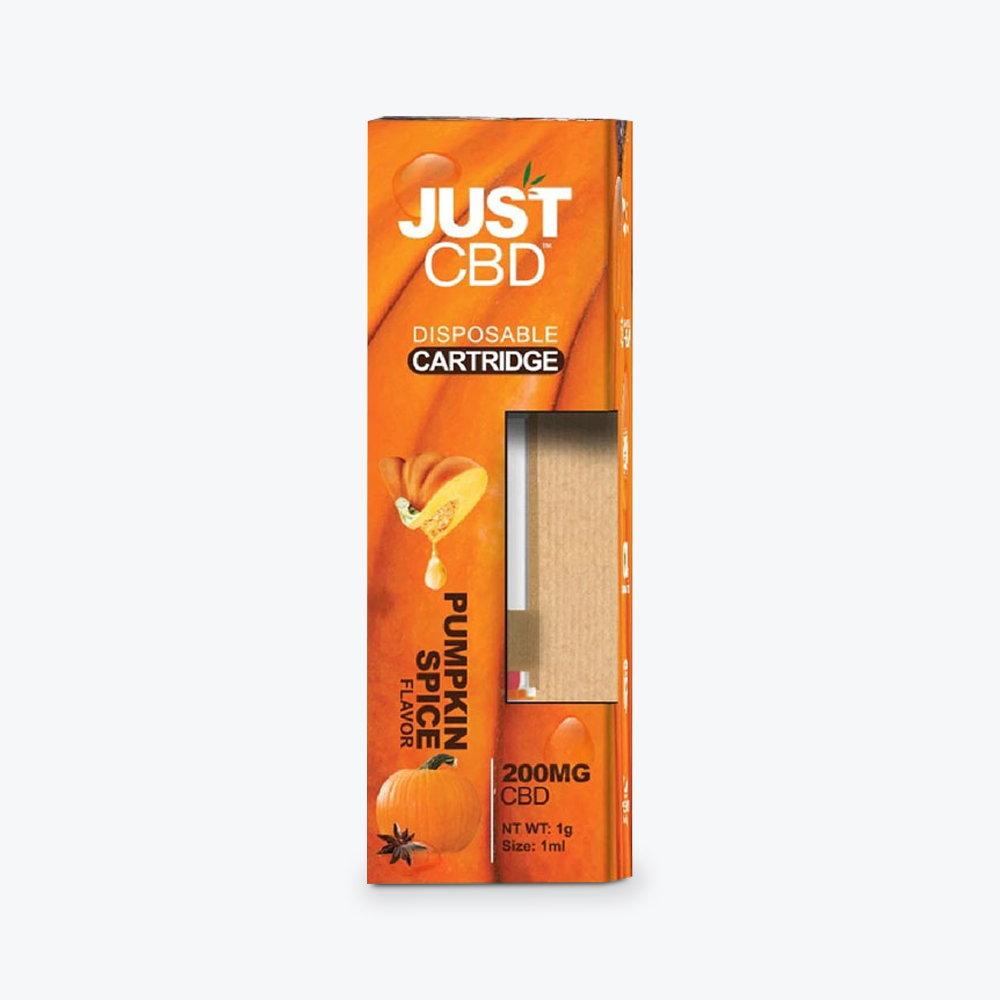
Flexography (Flexo): This is designed for high-volume shipping boxes or industrial CBD packaging. It’s fast and cheap, but it can’t handle gradients or photographic elements.
Finishes
Applying the right coating helps protect your artwork from scratching off in transit while maintaining branding consistency:
Matte vs. Gloss: Matte coatings give a modern, anti-glare look. Gloss laminate makes colors pop vividly.
Foil and Embossing: These methods use heat and physical plates to push your logo forward, adding texture and metallic shine that instantly elevate your product’s retail presence.
Structural Design
Your structural choices must account for internal product weight and spatial alignment. If a logo is too close to an edge or a crease, it completely loses its shape once folded. Your design should always leave a safe buffer zone.
Branding Consistency
A customer should be able to recognize your brand, whether it’s printed on a mailer box, a shipping box, or a retail carton. Before approving a custom order, double check your logo, colors, and typography. All should still work in different packaging formats, materials, and print methods.
Common Custom Packaging Design Mistakes
Don’t judge packaging only on a screen. Ask for a sample so you can inspect the fold, materials, coating, and print quality.
What goes wrong
Quick fix
Stretched, squeezed, or unevenly resized logo.
Keep the original proportion and check a proof before production approval.
Used a web image instead of a print-ready file
Use high-res artwork. If it looks blurry in the proof, it won’t improve in the box.
Board can’t support the product
Match the structure to the product, especially for heavier or fragile items.
Artwork is too close to the trim line
Include proper bleed so minor cutting variations don’t show white edges.
Typos or missing details
Review the copy separately from the design.
Cost Factors in Custom Packaging
There’s no universal price for a custom box, because packaging costs vary based on materials, volume, and finishing choices. A small folding carton and a large rigid box can end up in completely different cost brackets. In general:
Folding cartons – least expensive
Corrugated boxes – middle price point
Rigid boxes – most expensive
Material, dimensions, order quantity, and print specifications all impact pricing.
Material Selection
The raw stock you pick is a massive cost driver. Thin, standard paperboard is always going to be cheaper than corrugated cardboard or thick chipboard. If you start adding specialty materials, like textured papers or lines, expect the price tag to climb fast.
Box Size and Complexity
Bigger boxes use more paper and material waste, which hikes up both the manufacturing and shipping costs. If you need custom cardboard inserts or unique structural features to hold everything in place, the extra engineering time adds up on your invoice.
Order Volume
Your MOQ dictates your unit price. If you run small custom packaging orders, you will pay a steep premium because the factory will cover machine setup costs. Once you scale up, those fixed tooling costs get spread out over thousands of units, dropping your cost per box drastically.
Printing and Finishing
Every extra color, ink pass, and coating adds labor. If you start stacking matte or gloss coatings, or high-end touches like foil stamping, you’re adding extra steps to the assembly line, which pushes up the final custom order price.
Custom packaging may cost more initially, but a better fit can improve efficiency andreduce avoidable costs.
Ditching toxic packaging comes down to the raw stock and the inks you choose:
Kraft and Corrugated: Raw, unbleached brown kraft and standard corrugated are the easiest options. They’re biodegradable, and every curbside recycling program takes them.
FSC-Certified Stock: Look for the FSC mark (100%, recycled, mix) on your paperboards. This means wood pulp came from a responsibly managed forest and not an illegal logging operation.
Printing Choices
Instead of traditional petroleum inks, opt for soy- or vegetable-based alternatives.
Avoiding heavy plastic gloss or matte laminates helps. You can use water-based aqueous coatings if you need a finish.
The Brand Advantage
If you design custom cardboard inserts that fit your product perfectly, throw away the plastic bubble wrap and foam peanuts entirely.
Keep your graphics minimal, too. Using a single-color print means less ink pollution and makes the box way easier to break down.
Put quick recycling or composting instructions right on the inside flap. Customers genuinely appreciate a brand that makes cleanup easy.
How to Choose the Right Packaging Supplier
Theright packaging supplier isn’t just an ink printer – they control your product safety and your shipping deadlines. Don’t just hunt for the lowest unit quote. Before you wire any money, make sure to get a physical sample first. A digital mockup won’t tell you if the cardboard sags or if the friction flaps slide open too easily.
Support and flexibility matter, too. Packaging needs can change as products, volumes, or branding evolve. A reliable supplier should be able to accommodate reasonable changes and evolve your packaging solutions without turning every adjustment into a major production problem.
Here are five red flags to watch for:
No prototypes allowed: If they refuse to mail an unprinted structural sample before the full run, they’re likely hiding bad board quality.
Moving goalposts on timing: Vague production windows mean your boxes will get pushed to the back of the line during peak seasons.
Sketchy sourcing answers: If they can’t prove where their paper pulp comes from, they’re greenwashing you.
Bad communication early on: If a rep takes a week to answer a basic pricing email during the honeymoon quoting phase, waiting time will be longer when a production error happens.
Rigid, inflated MOQs: If their entry-level custom packaging orders force you into buying two years’ worth of inventory just to get a machine slot, walk away.
Custom Packaging Solutions by Refine Packaging
Picking custom boxes isn’t a one-time decision. If you’re launching a new product, your main hurdle is keeping upfront costs low while you test the market. Once your sales pick up, that challenge shifts to maintaining strict quality across massive factory runs or managing a sprawling, messy catalog.
Refine Packaging fills these gaps by providing flexible custom packaging solutions that scale production up or down based on your immediate runway, offering flexible custom solutions that actually evolve alongside your business stage.
Business Stage
Common Need
Relevant Solutions
What Refine Packaging Brings
Startups
Launch products without overcommitting inventory
Custom mailer boxes, digital printing, flexible ordering
Low MOQ options and support for shorter production runs
Growing Brands
Scale packaging while maintaining consistency
Retail packaging boxes, structural design support, and expanded customization options
Greater production capacity, high-quality printing, and specialty finishes
Established Brands
Manage larger product lines and more complex packaging programs
Shipping boxes, product-specific packaging solutions, and advanced finishing products
Rush-order capability, custom structural design support, and experience with larger-volume production
Refine Packaging supplieseCommerce brands,retail shops, andsubscription services, handling everything from standard mailers to specialized retail boxes. We don’t lock you into rigid production constraints. We provide functional packaging that fits your exact inventory needs today, with the structural flexibility to scale up the moment your volume spikes.
Request a quote and explore packaging solutions tailored to your product, budget, and business stage.
Wrapping Up
Most packaging problems don’t start in production. They start much earlier, when a box is chosen because it’s cheap, familiar, or available quickly rather than because it’s actually the right fit.
A lot of the decisions covered in this guide come down to asking a few simple questions. How much protection does the product need? How will it be shipped? How many units are you ordering? Is the packaging meant to blend in or stand out?
The answers won’t be the same for every business. A startup testing its first product has different priorities than an established brand managing thousands of orders a month.
If you’re still weighing your options, talking through the details with an experienced packaging supplier can save a lot of trial and error later.Refine Packaging can help you compare materials, structures, and production options before you commit to a full order.
FAQs
What material should I use for custom boxes?
It depends on the product. A shipping box has different requirements than a retail shelf item. Corrugated board, paperboard, kraft, and chipboard solve different problems, so material selection is usually one of the first decisions.
How much do custom boxes cost?
There is no standard price because every project is different. Material, box size, order quantity, printing, and finishing choices all affect the final cost. Small changes can shift pricing up or down.
What does MOQ mean?
MOQ stands for minimum order quantity. It is the smallest order a supplier will produce. Some businesses need the flexibility of smaller runs, while others save money by ordering larger quantities.
What’s the best way to compare packaging suppliers?
Start with the basics: samples, lead times, communication, and order flexibility. A supplier should explain their process clearly and provide enough information for you to make a confident decision.
Amanda is a professional writer and brand strategist at Refine Packaging who is based in Los Angeles, California. With a background in writing and journalism, Amanda entered the manufacturing industry 6 years ago to explore her unique passion for beautifully conceptualized packaging. With years of packaging experience, Amanda has a deep understanding about how brand psychology and box design trends impact emotions and desired actions. When she’s not writing, Amanda can be found snuggling her two Beagles or outdoors sipping on sparkling white wine.








 Alex Jasin

 Asif Muhammad


 Erica Campbell

.svg)
Share