A packaging supplier affects more than the appearance of the final box. I’ve seen packaging quotes that seem competitive at first but left out important details, from missing costs to unclear delivery schedules. Problems like these can delay launches and increase costs.
The global custom packaging market is expected to exceed $81 billion by 2034, reflecting growing demand for custom product packaging and branded product boxes. With so many suppliers available, buyers have more choices to consider and compare.
But how do buyers choose the “right” custom packaging vendor? What criteria should they use when choosing a supplier they may work with for years? Quality standards, communication, turnaround times, sampling procedures, and pricing transparency are all important considerations.
This guide covers the factors to review when comparing suppliers, from capabilities and sample quality to lead times and vendor communication. By the end, you’ll have a practical framework for evaluating options, checking packaging quotes, and choosing a packaging supplier with greater confidence.
Packaging Products and Services: What Does a Custom Packaging Supplier Do?
Mess up by a millimeter or pick the wrong material early on, and you’ll have problems down the line. Precision matters in custom packaging. As such, a packaging supplier does a lot more than just take your order and run a factory. If you partner with the right supplier, they’ll manage the entire custom packaging project for you, from early brainstorming to final delivery.
Most custom packaging suppliers offer these services:
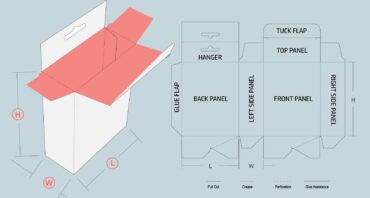
Structural design: They figure out the actual size, shape, and how the box opens or folds to ensure your product fits inside snugly. This is especially important for custom packaging boxes and products that require custom sizes.
Material sourcing: They help you choose materials based on the product, budget, and shipping requirements. This may include paperboard, corrugated cardboard, plastic, glass, metal, or specialty finishes. A good supplier will also explain when a higher-cost material adds value and when it doesn’t.
Printing and finishing: They take care of visual details found on many custom printed boxes, like coatings, embossing, foil stamping, and your graphics. They also make sure your brand colors look right on cardboard, not just on a screen.
Production management: They supervise the factory to make sure production stays aligned with the approved sample.
Logistics support: They organize your inventory, storage, shipping plans, and delivery times. They can also keep your extra stock and send it out in parts.
Not every packaging supplier operates the same way. Some vendors manufacture the packaging in-house, while others coordinate production through third parties. Many only sell pre-made packaging. Knowing the difference can help you choose a supplier that fits your needs.
Supplier Type
What You Can Expect
Manufacturer
Direct access to the team producing your packaging, along with more flexibility for custom specifications.
Broker
One point of contact while production is coordinated through external manufacturing partners.
Wholesaler
Faster access to stock packaging products, often with fewer customization options.
This is why the early conversations matter. Clarify how they handle production, material choices, and quality checks. Being proactive saves you from unpleasant surprises once you make the deposit.
Vendor Selection Checklist for Custom Boxes
Two packaging suppliers can quote the same project and arrive at different numbers. The cheaper quote often looks tempting until you discover hidden costs. Use this vendor selection checklist before finalizing an order:
Capabilities & Product Range
A supplier’s capabilities determine how much flexibility you have as your business scales (or descales).
Types of packaging offered: Some have a limited range, while others offer mailer boxes, ecommerce boxes, folding cartons, rigid boxes, and other custom packaging. Start by confirming they can produce the packaging style you need.
Customization options: Did you know 72% of consumers say packaging design drives their buying decisions? Ask about the custom sizes, materials, finishes, inserts, and support the supplier offers. They should explain the advantages and trade-offs of the different options, rather than just present a catalog.
Experience & Industry Expertise
A supplier’s experience becomes most valuable when they’ve solved problems similar to yours before.
Experience with your product category: Ask what types of products they package most often. A supplier working with cosmetics knows how to handle leakage and label adhesion. One focused on subscription boxes knows transit damage and dimensional-weight shipping fees.
Proven track record: Ask for examples of comparable projects to see how they handled packaging requirements like yours.
MOQ Flexibility
Minimum order quantities should match where your business is today, not where you expect it to be in two years.
Can they support your current business stage? A large MOQ becomes a problem when you’re still figuring out how much inventory you’ll move. Before ordering custom packaging, ask if the supplier can accommodate smaller runs or scale production as demand becomes clearer.
Packaging fulfillment plays a critical role in the customer unboxing experience, while minimum order quantities (MOQs) can significantly influence cash flow, inventory planning, and supplier selection.
Pricing Transparency
Some provide detailed breakdowns explaining costs. Others send a single number with little context.
Clear quotes vs hidden fees: Review what’s included in the pricing. Tooling, freight, storage, shipping supplies, revisions, and samples may be quoted separately. A lower number can become more expensive once those costs are added.
Cost breakdown availability: Detailed packaging quotes make it easier to evaluate alternatives. You may find ways to adjust materials, finishes, order quantity, or production methods without changing the entire project.
Lead Times & Reliability
Lead time encompasses every stage from design and production through shipping, with even simple projects, such as a festival t-shirt order, taking five business days from start to finish. Delays remain a major supply chain challenge, with 40% of companies citing late deliveries as their biggest issue, contributing to only 55% of product launches occurring on schedule and causing 70% of customers to switch brands after a stockout. Packaging also represents a significant cost, accounting for approximately 10% to 40% of a product’s retail price.
Businesses can plan around a realistic timeline. But constant schedule changes are harder to manage.
Standard turnaround times: Ask about typical production schedules based on your location, but don’t stop there. Inquire if they’ve missed deadlines and what caused delays. The answer reveals their planning, communication, and problem-solving when things go wrong.
Ability to handle rush orders: Rush services help when inventory runs low or launch schedules shift. Ask whether expedited custom packaging orders are available and what impact they have on pricing, production capacity, or delivery schedules.
Quality Assurance
Quality assurance involves both preventing and identifying mistakes early so they don’t affect the final order.
Sampling process: Ask what types of samples are available and when. Samples often reveal misunderstandings that are not obvious in a specification sheet or digital proof. This lets you and the supplier make adjustments before production begins.
Quality control standards: Ask if the supplier follows a documented quality-management process like ISO 9001 or another formal system. Also, ask how defects, reprints, and customer complaints are handled when problems occur.
Customer Support
Revisions, schedule adjustments, and unexpected issues reveal how responsive a team is.
Communication responsiveness: Fast responses help, but clear answers and proactive updates are often more valuable when managing custom packaging orders.
Design and consultation support: Good suppliers recommend materials, identify potential issues, and suggest adjustments that improve or simplify production before problems arise.
Custom Product Packaging: How to Compare Packaging Vendors Effectively
Once the packaging quotes start coming in, it’s easy to sort them from lowest to highest and call it a day. The problem is that most packaging projects don’t stay the same from quote to delivery.
So it’s best to evaluate the total value. Look past the initial invoice and think about the daily working relationship. You want a vendor with tight quality controls, clear updates, and predictable turnaround times. Choosing that over the lowest bidder means fewer disasters down the line.
Red flags to watch out for:
Unrealistically low pricing: If a supplier drops a low quote without knowing the details of your project, stop. Accurate pricing doesn’t work that way. A real company needs to know the specifics first (like your dimensions, material choices, and order volume) before they can give you a realistic number.
Poor communication: Delays happen, but shifting stories are harder to deal with. If timelines and specs keep changing depending on who picks up the phone, expect major misunderstandings before the project is done.
No sample options: Asking for samples shows you if the supplier interpreted your specs correctly. Skipping it is just asking for a small mistake to turn into an expensive fix later on.
Your RFQ is what suppliers use to create your custom packagingquote. It lays out the whole picture: box specifications, quantity, and shipping timeline. A vendor can only price what’s clearly provided. When suppliers fill in the blanks with assumptions, comparing quotes side by side becomes almost impossible.
What to Include in Your RFQ
Information
Specification
Example
Box type and structure
The box style, opening mechanism, inserts, or any structural requirements
Mailer box with insert
Dimensions
Use the standard length × width × height format, and specify the shipping orientation or any custom sizes
10” x 8” x 3”
Material preference
Paperboard, corrugated material, or another substrate
E-flute corrugated boxes
Printing requirements
Artwork requirements, color specifications, logo placement, and finishing details
Full-color exterior, logo on lid
Order quantity
Expected order quantity and any MOQ considerations
5,000 units
Delivery timeline
Desired production and delivery schedule, even if the date is flexible
July 15 delivery
Simple RFQ Template for Custom Packaging Orders
Product Details
Product:
Intended use:
Product dimensions (if applicable):
Packaging Specifications
Box style:
Dimensions:
Material preference:
Printing requirements:
Finishes or special features:
Order Quantity
Initial quantity:
Estimated reorder quantity (if known):
Delivery Timeline
Preferred delivery date:
Shipping destination:
Special Requirements
Inserts or protective packaging:
Sustainability requirements:
Additional notes:
Sample Approvals: Why They Matter Before Production
Some packaging issues don’t appear in dielines, mockups, or specification sheets. You only notice them when holding the sample. Sample approval confirms the packaging performs as intended, not just as described in emails.
Types of Samples
Suppliers may provide more than one type of sample during approval, each with a different purpose:
Sample Type
What You’re Reviewing
Structural samples (no print)
Fit, dimensions, inserts, and overall box construction before any artwork is applied
Printed sample
Colors, logo placement, graphics, finishes, and overall presentation
Pre-production sample
The final combination of materials, printing, and specifications planned for production
What to Check During Sample Review
Instead of reviewing the sample only against a specification sheet, interact with it as customers, warehouse teams, or retailers would.
Fit and dimensions: Place the actual product inside the package to check the fit. Also, ensure the fit feels secure and suitable for shipping and handling.
Material quality: Check for consistency across the sample. Variations in thickness, texture, or finish can signal quality-control issues that worsen as production volumes increase.
Print accuracy: Don’t just match colors to the approved artwork. Observe how text, graphics, and the logo appear under normal lighting. Also, compare the sample to the original artwork and check for any missing elements.
Durability: Handle the package as it will be in the real world. Open it, stack it, and test closures if applicable. FedEx notes that package testing verifies whether the packaging can protect the contents during transit, making this a key step before approval.
Common Mistakes to Avoid
Skipping samples to save time: Too many teams view sample approvals as a bottleneck rather than a core production step. This review phase is usually where all the uncertainties get ironed out.
Not testing packaging with actual product: A product’s weight, shape, texture, or how easily it breaks completely changes how the box holds up. A design might look great on paper or as a 3D model, but the real test is when you put the item inside.
Ignoring small defects: A sample represents a production process, not a single unit. If an issue occurs in one sample, even a minor one, the underlying issue can still affect future production runs.
Understanding Supplier Communication & Process
Packaging projects usually require multiple teams. Design, production, logistics, and account management often get involved at different stages. As information moves between teams, even small misunderstandings can cause costly issues. Communication problems already cost US businesses over $2 trillion each year, so it’s important to consider how clearly suppliers communicate.
Importance of clear timelines and updates
Some suppliers provide target dates for each stage, while others take a less structured approach. Locking down an agreed timeline ensures both parties are aligned regarding progress.
Setting expectations for revisions and approvals
Artwork changes, structural adjustments, and sample reviews are handled differently. Revisions take time, so build in a buffer. Ask the supplier which milestones need sign-off and what details they require to keep moving forward.
Having a single point of contact
Packaging projects involve a lot of micro decisions. Having one main contact helps preserve that context, so you’re not re-explaining earlier discussions all the time.
Domestic vs Overseas Packaging Suppliers
The choice often comes down to the stage of the project. A 2025 report noted that 76% of shipping customers experienced disruption-related delays, underscoring the importance of transit time. If specifications are still changing, a domestic supplier may offer more flexibility. Once requirements are finalized and production becomes predictable, lower overseas costs may outweigh longer delivery times and shipping complexity.
Consideration
Domestic Suppliers
Overseas Suppliers
Cost & Pricing
Higher manufacturing and labor costs
Lower unit costs, especially at higher volume
Delivery Times
Shorter
Longer, with customs considerations
Shipping & Logistics
Fewer moving parts, easier schedule adjustments
Requires more planning and inventory buffering
Communication
Site visits and in-person reviews are more accessible
Relies on samples, documentation, and third-party inspections
How to Build a Long-Term Packaging Partnership
Over time, a supplier learns more than your box specifications. They become familiar with your approval process, ordering patterns, artwork requirements, and packaging standards. That familiarity can make future projects easier to manage, whether you expand an existing custom packaging program or introduce new eco-friendly packaging options.
Building familiarity with a consistent supplier: Suppliers can make better recommendations when they understand where your business is headed. Product launches, volume increases, or sustainability goals may influence future packaging decisions.
Negotiating better pricing over time: As your custom packaging orders become more consistent, revisit pricing rather than assuming the original quote still applies. Different order volumes and production requirements may create new opportunities for cost savings.
Streamlining reorders and scaling: Keep approved artwork, specifications, and project notes in one place. When information is easy to access, repeat orders and packaging updates are usually easier to manage as the company scales.
Custom boxes that Refine Packaging created for Adidas
Why Businesses Choose Refine Packaging as Their Packaging Partner
Choosing a packaging supplier involves more than comparing prices. It’s also important to consider box styles, turnaround times, sampling, communication, and production capabilities. These are some reasons businesses work with Refine Packaging.
Full-Service Custom Packaging Solutions
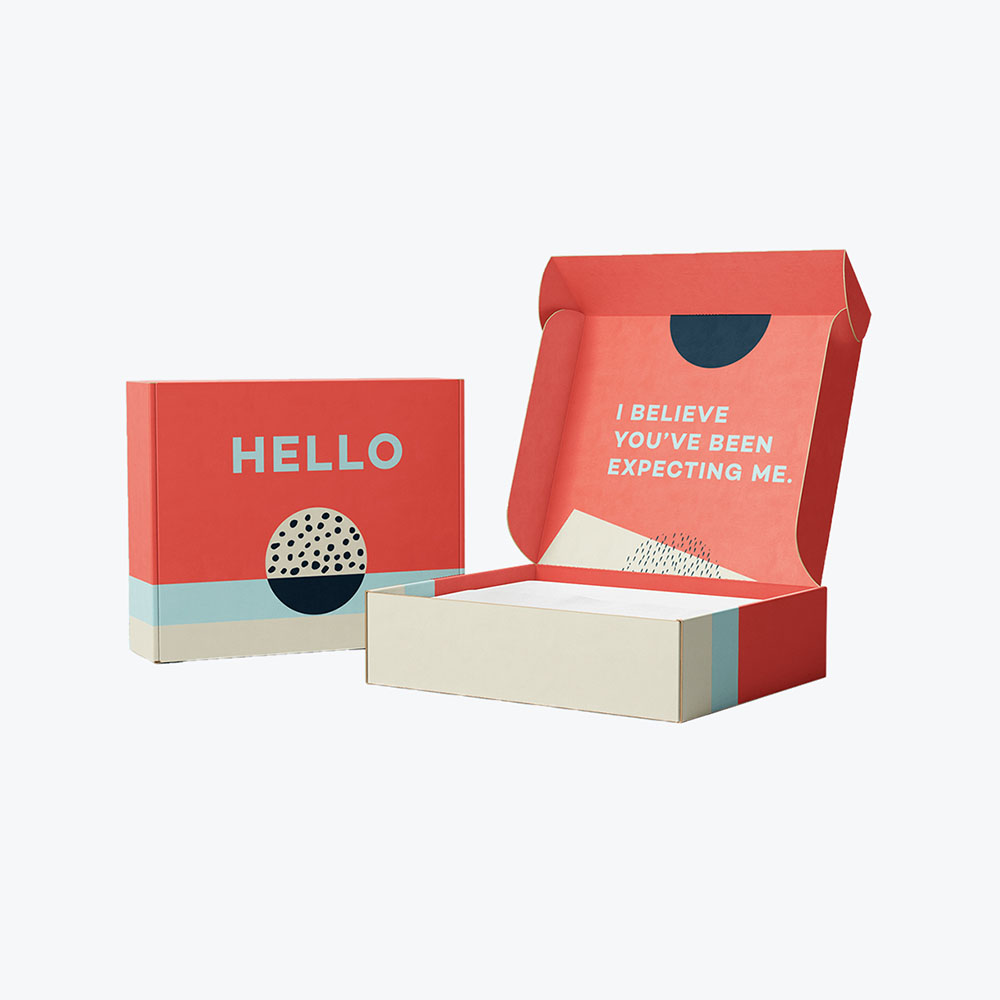
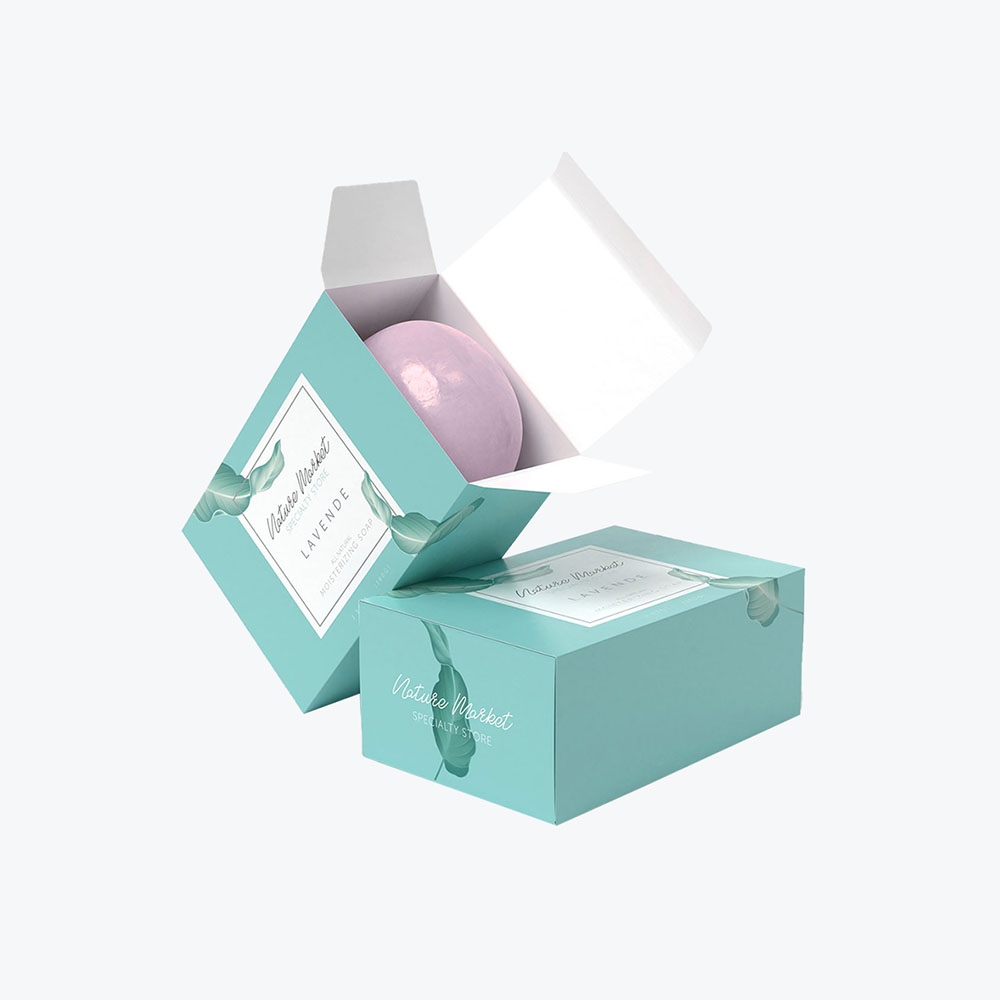
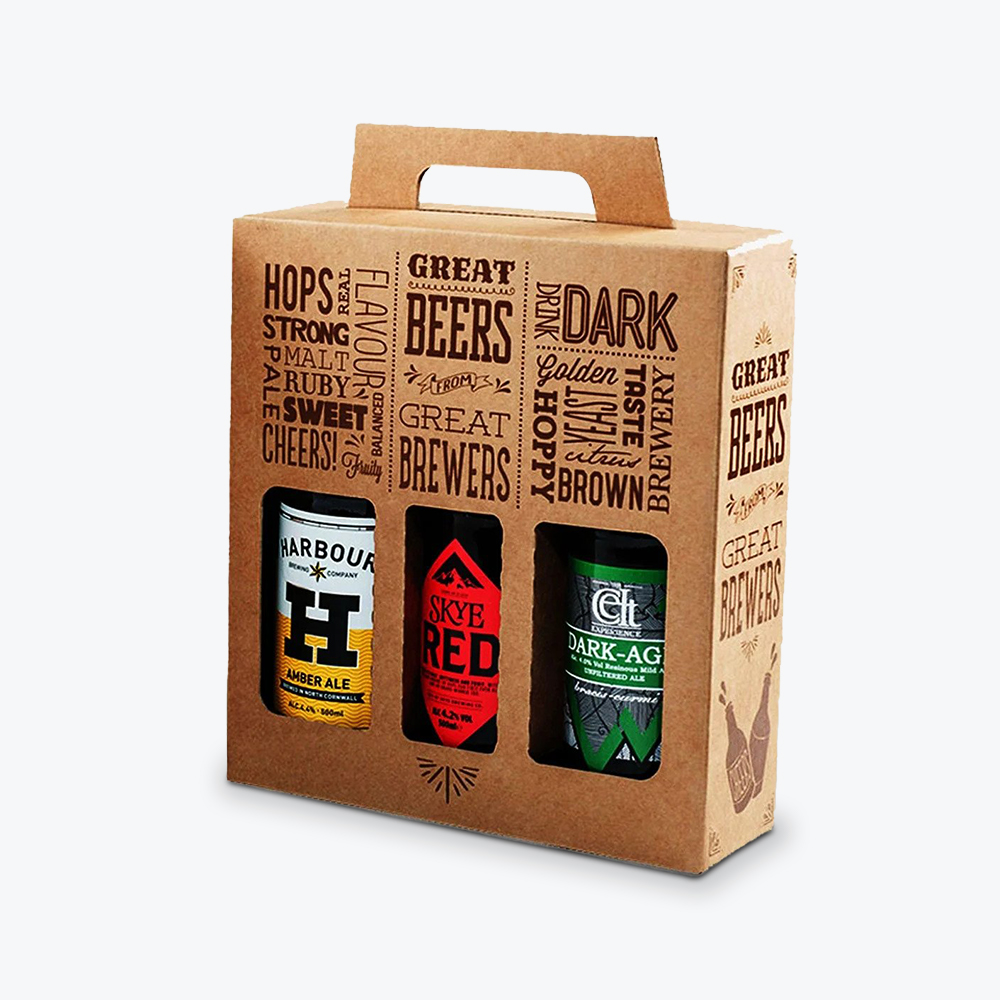
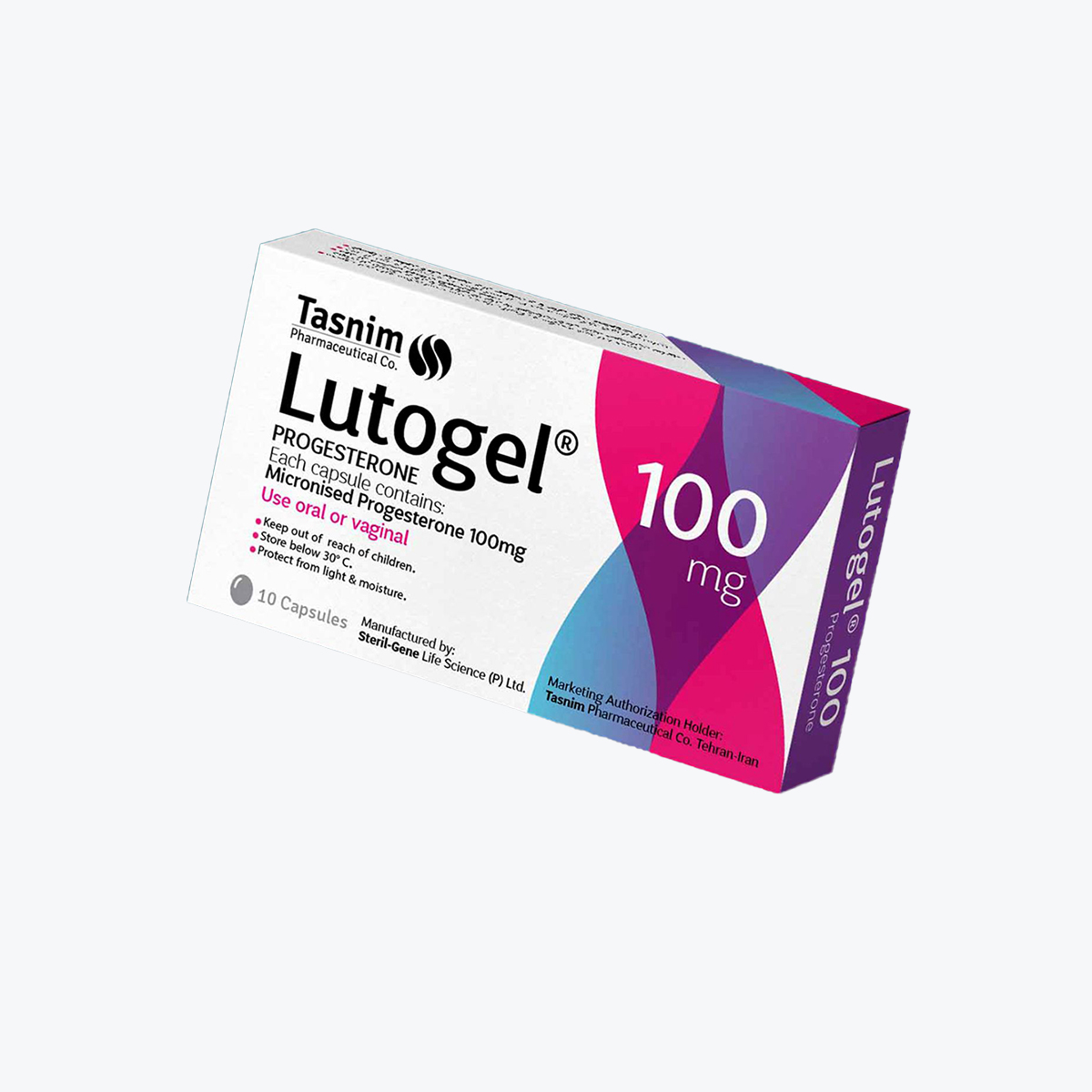
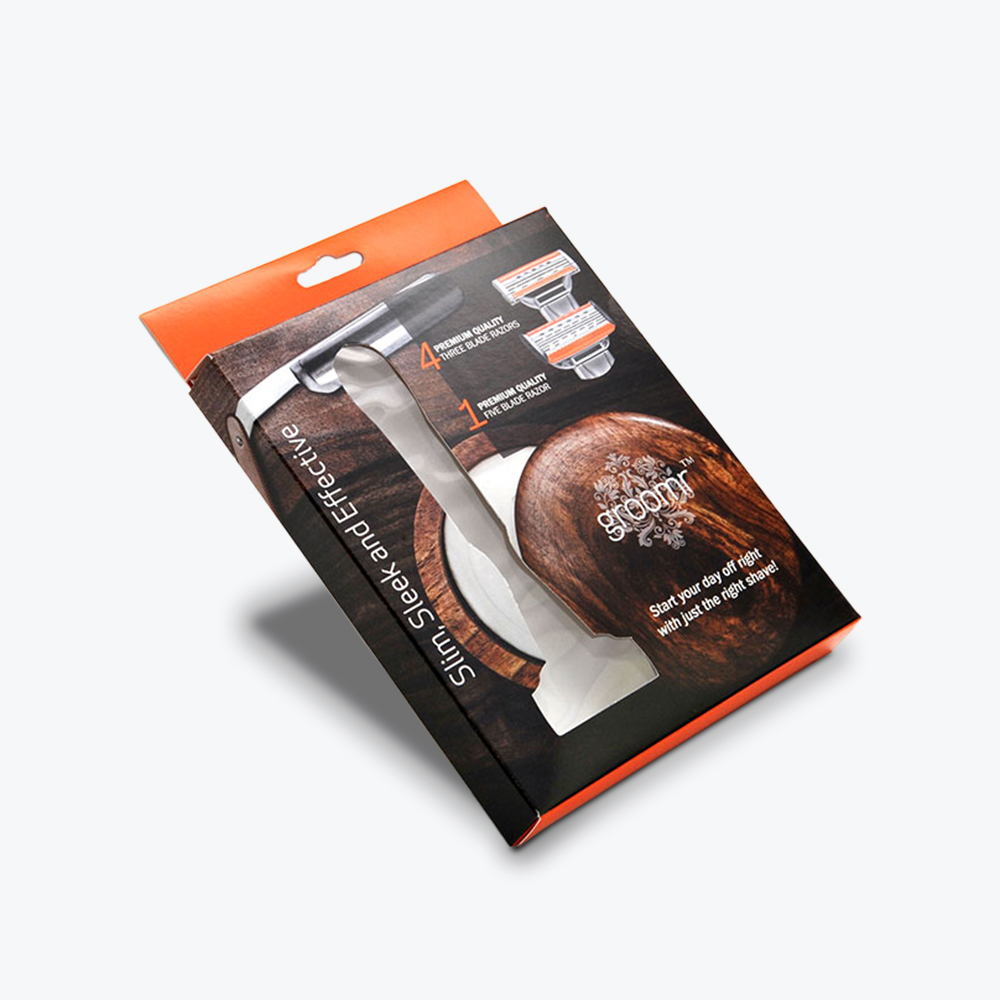
Some products need simple mailer boxes. Others require customized RTEs, display lid boxes, or shipping packaging boxes. We work across these formats. Our custom packaging boxes can be produced in various materials, finishes, and sizes, tailored to each product’s needs.
Flexible MOQ & Scalable Production
Refine Packaging doesn’t treat every order the same. A beverage company, an ecommerce brand, and an electronics supplier often have very different packaging requirements. We support smaller runs and handle larger-volume production as demand grows, with bulk pricing available for established businesses.
Transparent Pricing & Fast Quotes
A quote is only useful if you can understand it. We provide detailed, transparent quotes based on specifications. Materials, quantities, printing requirements, and finishing options are included in the pricing.
Sampling & Quality Assurance
Structural and printed samples are available for review before production. This lets teams confirm dimensions, materials, and artwork before signing off. Strict quality checks are also carried out before full production.
Reliable Lead Times & Rush Orders
When deadlines are tight, expedited production options may be available. For standard projects, the focus is on maintaining consistent turnaround times and clear delivery expectations.
Dedicated Support & Consultation
Sometimes the challenge isn’t finding a box but figuring out which box makes sense. The Refine Packaging team can help with RFQs, structural recommendations, material selection, and packaging optimization.
Need a second opinion? Refine Packaging can help you identify the right box type for your product.
Step-by-Step: From Vendor Search to Final Order
Supplier selection is easier when the process is broken into smaller decisions. Instead of comparing everything at once, work through the project stage by stage.
Define your packaging requirements. Know which specs or requirements are non-negotiables and which ones can be adjusted later.
Shortlist potential vendors. This stage is about narrowing down options rather than finding the perfect supplier. A shorter list usually leads to better comparisons.
Send RFQs. Differences in the responses can reveal gaps in the information provided, helping clarify requirements before production starts.
Compare quotes and capabilities. Pay attention to what’s included, not just the final number. Two packaging suppliers may be quoting different assumptions.
Request and review samples. Samples show how specifications translate into a physical package. Sometimes the biggest discoveries are the details that looked fine on paper.
Finalize your supplier and approve production. Confirm that artwork, materials, quantities, and timelines reflect the latest approved version before manufacturing begins.
Conclusion
Choosing a packaging supplier shouldn’t be about finding the lowest-priced option. A quote is just a part of the big picture. Packaging lead times, communication, packaging samples, production capabilities, and long-term support must also be priorities when picking the right packaging vendor.
It’s why supplier selection must have a methodical approach. The strongest supplier relationships are usually built before the first order is placed. Spending extra time understanding a vendor’s process upfront prevents you from paying for unexpected surprises later.
Erica is a professional writer and brand strategist at Refine Packaging who is based in Denver, Colorado. With a background in writing and journalism, Erica entered the manufacturing industry 8 years ago to deepen her passion to demystify difficult packaging concepts. With years of in-the-field printing experience, Erica is uniquely suited to help unpack the custom packaging process for beginners looking for an impactful box style that resonates with their target audience. When she’s not writing, Erica can be found with her nose in a fantasy novel or climbing The Rocky Mountains (and sometimes, doing both at the same time).











 Alex Jasin

 Asif Muhammad



 Erica Campbell

.svg)
Share