Choosing among the different types of boxes for packaging (e.g., mailer boxes, corrugated boxes) can get confusing fast. Someone orders mailer boxes when they actually need shipping boxes. A brand chooses folding cartons for a product that needs a rigid box. And then there’s the RSC vs. FOL question, which trips up even seasoned buyers.
Choosing the wrong structure costs you in one of two ways. You either overpay for protection you don’t need (and create more waste) or you underspend and your product arrives damaged, which affects your profits and brand reputation. Neither is good for your bottom line.
This guide breaks down every major box type, including mailer boxes, shipping boxes, rigid boxes, folding cartons, and corrugated boxes, by structure, strength, cost, and the product packaging use case they’re built for.
Overview: Main Categories of Box Types
There are two distinctions worth keeping in mind before diving into comparisons.
First, shipping boxes are built to protect during transport, while product packaging is designed to present products on retail shelves or create a branded unboxing experience for ecommerce orders. According toMailchimp, packaging also influences how customers perceive your product’s quality.
Second, corrugated cardboard and paperboard are different materials with very different strength profiles. A corrugated box and a folding carton are both paper-based, but they do entirely different jobs. Knowing which material does what is half the battle in choosing the right structure.
Here’s what this guide covers:
Mailer Boxes vs. Shipping Boxes: Structure and when to use each
Folding Cartons vs. Rigid Boxes: Cost, durability, and aesthetic appeal
Die-Cut Boxes vs. Standard Boxes: Customization and design options
RSC vs. FOL: The technical deep-dive for corrugated cardboard buyers
Carton vs. Corrugated: Clearing up the terminology
How to Choose: A practical decision framework based on weight, shipping costs, and branding goals to help you choose the right box for your product
Mailer Boxes vs. Shipping Boxes
What Are Mailer Boxes?
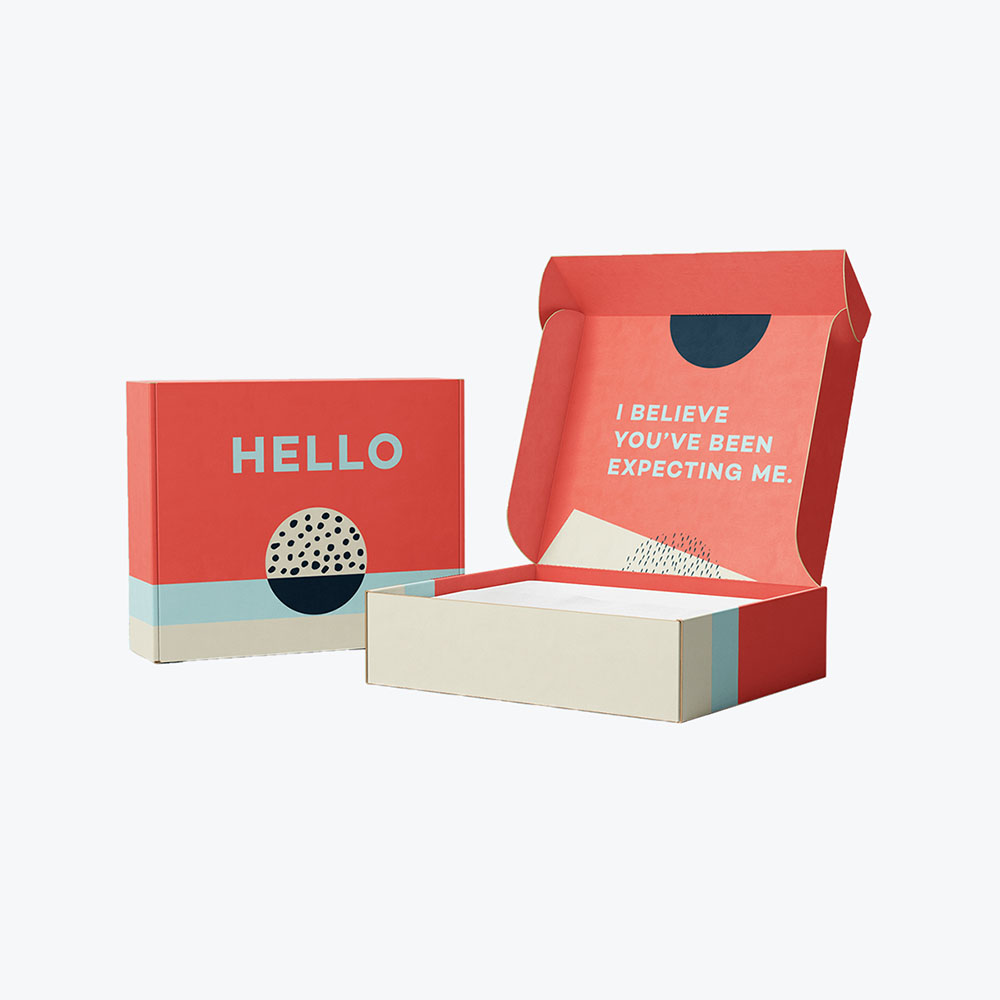
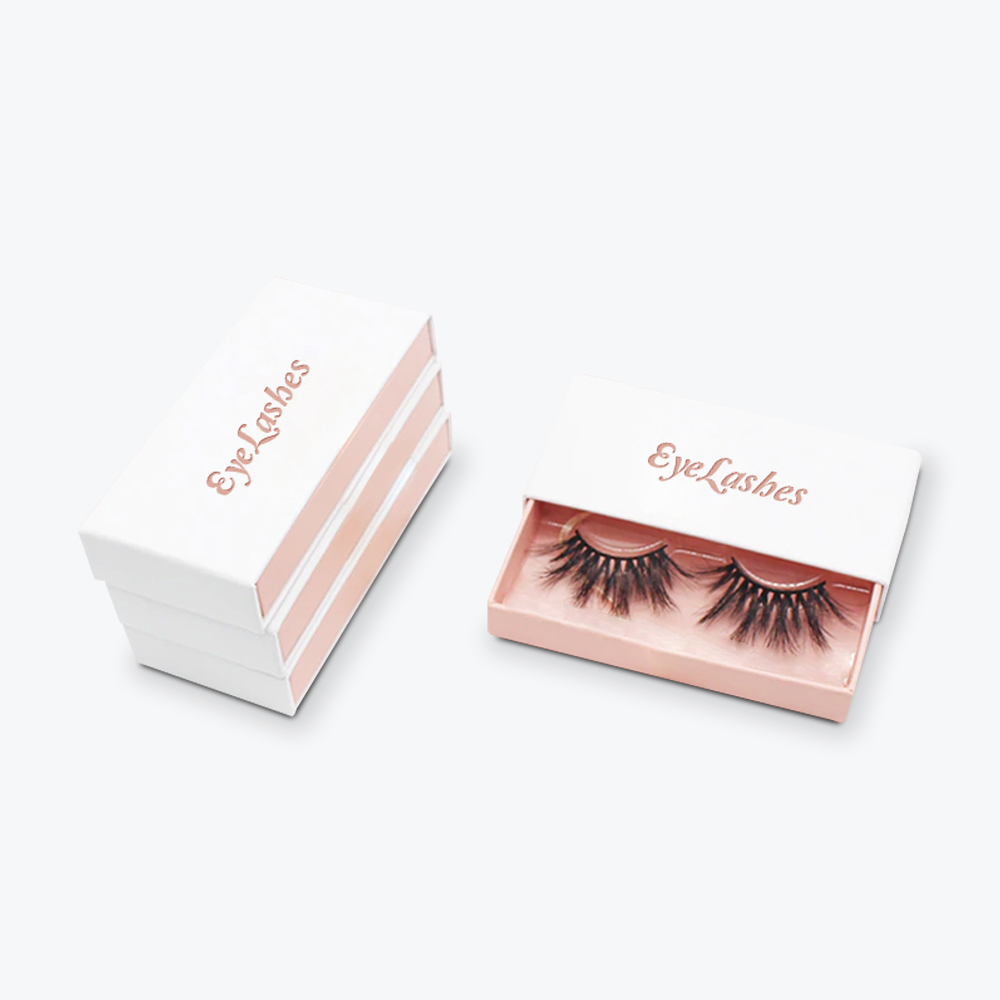
A mailer box is a self-locking corrugated box built for ecommerce and subscription packaging. Most use a roll-end tuck front (RETF) structure, where thelid tucks into the front panel without tape.
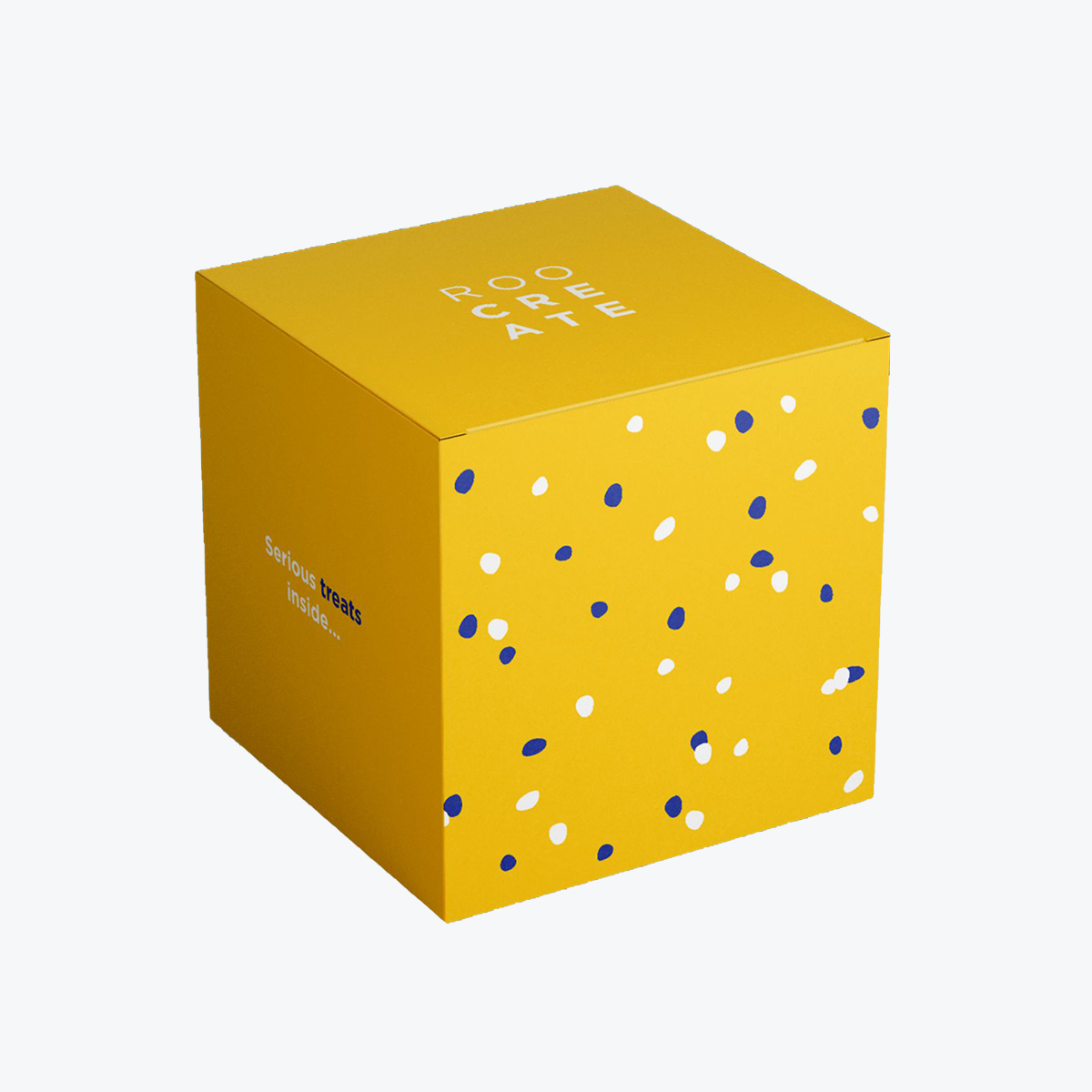
Custom printed mailers showcase your logo and brand messaging while creating an intentional and memorable unboxing experience.
Mailer boxes typically feature double-sided walls, dust flaps, and locking tabs and are designed to withstand the rigors of mail carriers during shipping, offering superior protection against damage during shipping compared to standard cardboard boxes. Additionally, custom mailer boxes can save 20-40% on shipping costs.
In 2018, Ipsos reported that 72% of American consumers say packaging design influences their purchasing decisions, while 67% report that the materials used to package a product shape such decisions. That said, in the UK, a 2024 Unboxing Survey by Macfarlane Packaging found that56% of shoppers say branded packaging helps encourage repeat purchases, which makes branded mailer boxes a great customer retention tool.
What Are Shipping Boxes?
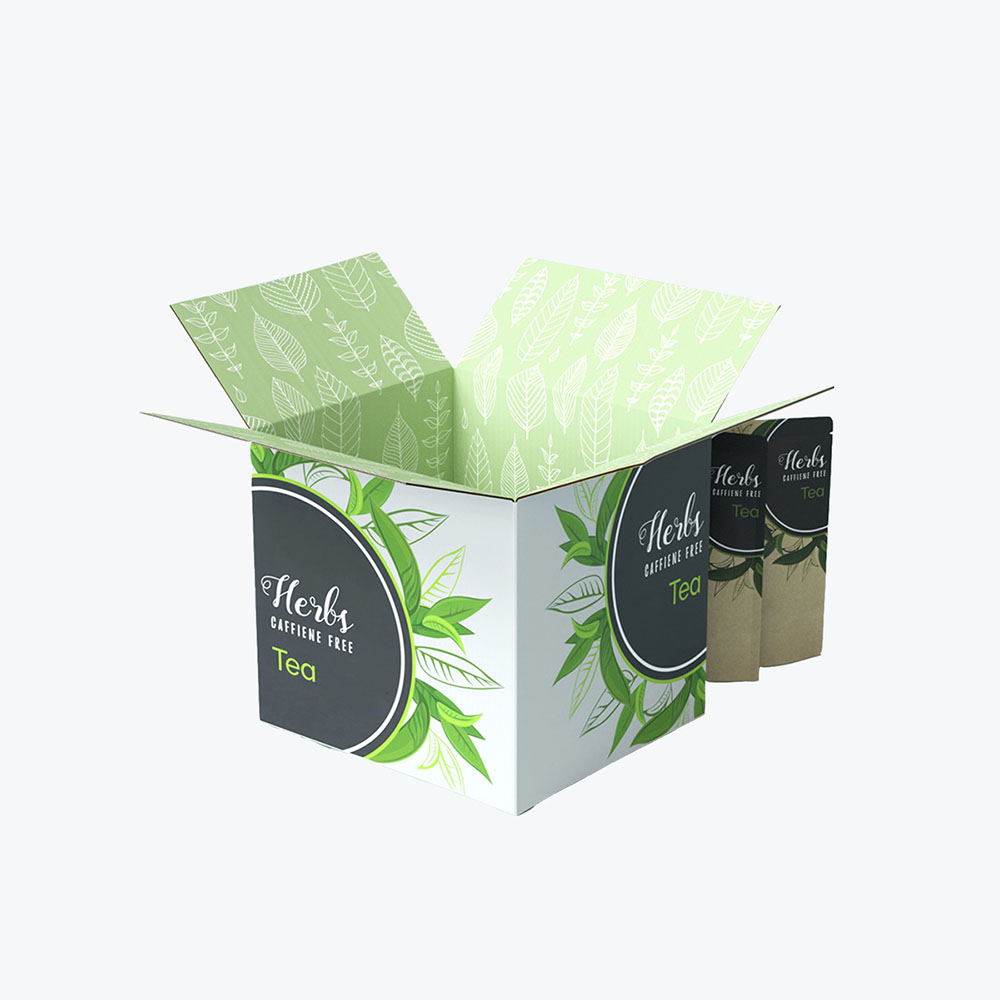
A shipping box is a plain or lightly branded corrugated cardboard box with one job, and that’s to get your product to the customer undamaged. Most are RSC-style corrugated boxes sealed with tape and may occasionally need void fill.
You’ll find them wherever the customer never sees the outer packaging, such as in B2B orders or bulk shipments. The focus is on product integrity during handling and transport, and not aesthetic appeal.
Key Differences at a Glance
Feature
Mailer Box
Shipping Box
Winner For…
Structure
RETF self-locking lid
Taped flaps (RSC/FOL)
Presentation: Mailer
Assembly Process
Tape-free, folds flat
Tape-sealed, also folds flat
Speed: Mailer
Branding
Full custom printed interior + exterior
Minimal/plain kraft
Brand: Mailer
Strength
Light-to-medium duty
Medium-to-heavy duty
Transit: Shipping
Shipping Costs
Slightly higher (custom size or die-cut)
Lower per unit
Budget: Shipping
Best Use
DTC/subscription/gift shipping
B2B/bulk/fulfillment
—
When to Use Each
Mailer boxes: DTC brands, subscription packaging, gift shipping, or any order where the customer sees the outer box. Because they’re built for light-to-medium loads, anything over 25 lbs. needs a heavier corrugated solution.
Shipping boxes: B2B, wholesale, fulfillment ops, and anything where shipping cost and logistics efficiency outweigh presentation.
Folding Cartons vs. Rigid Boxes
What Are Folding Cartons?
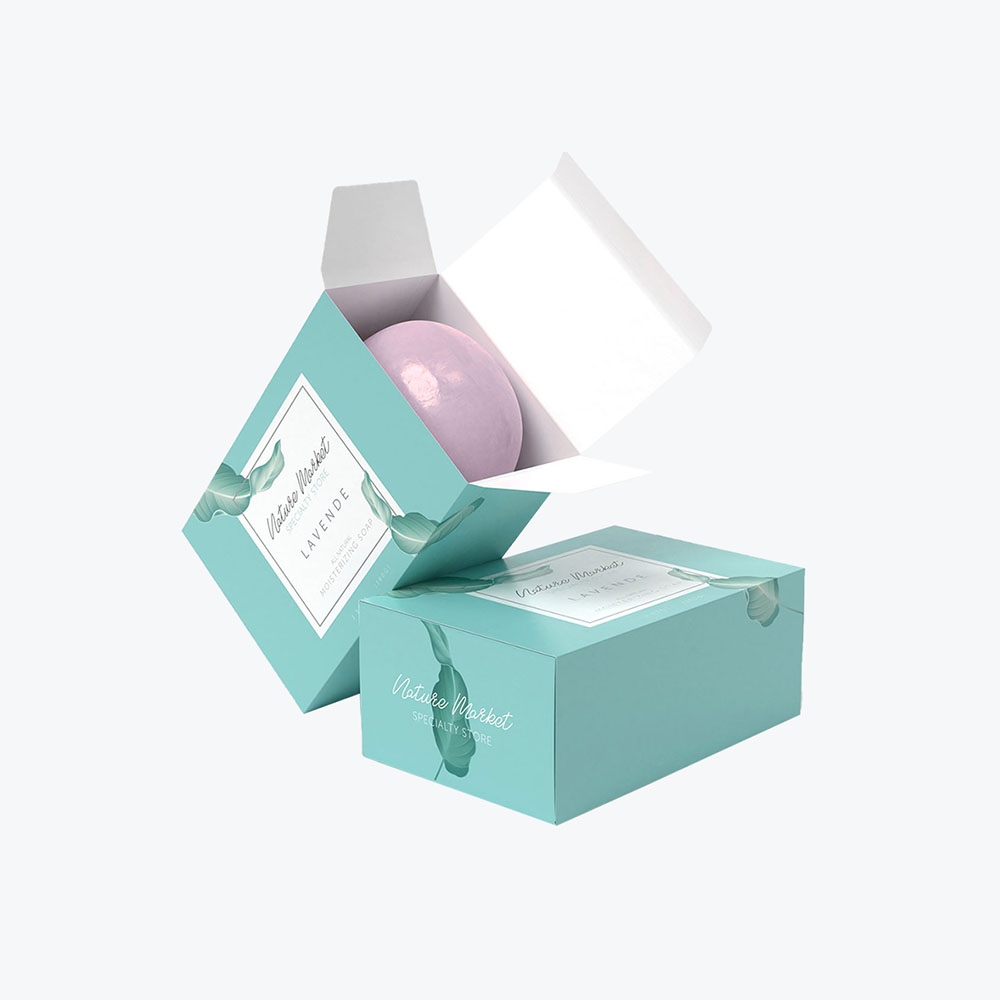
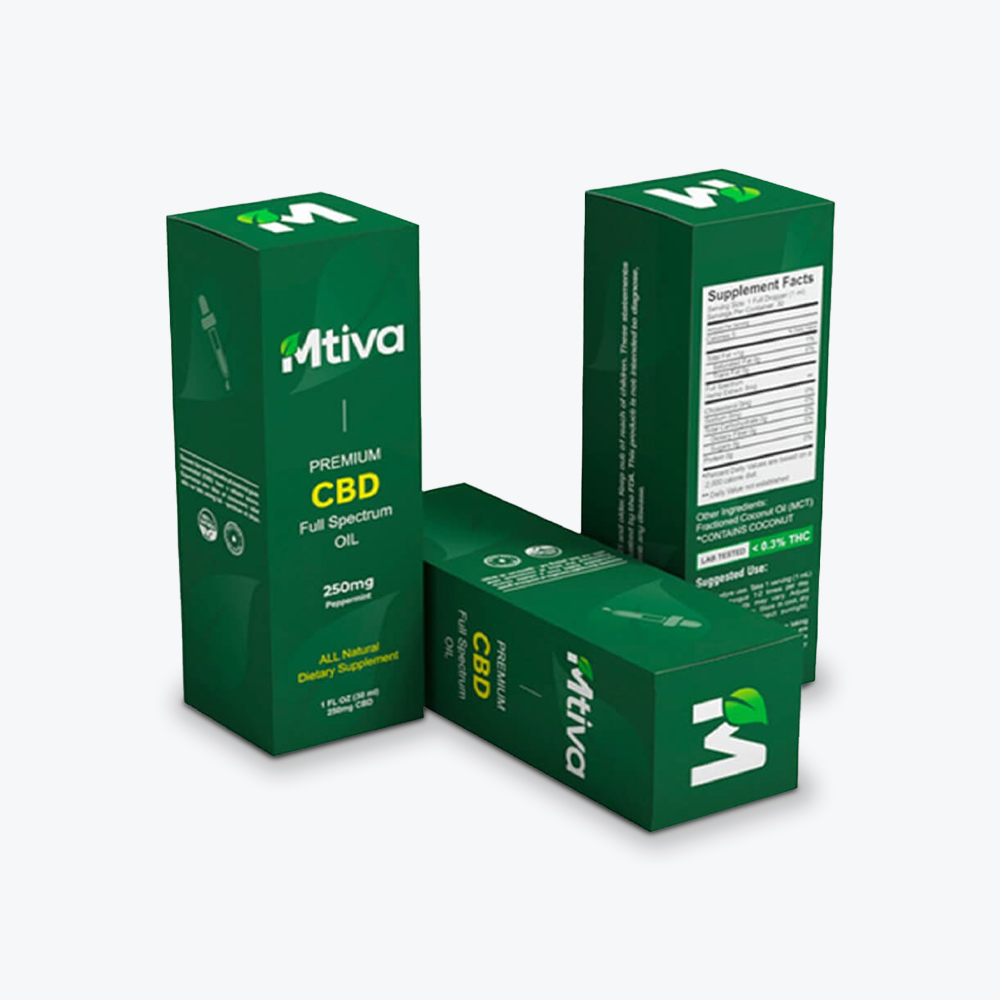
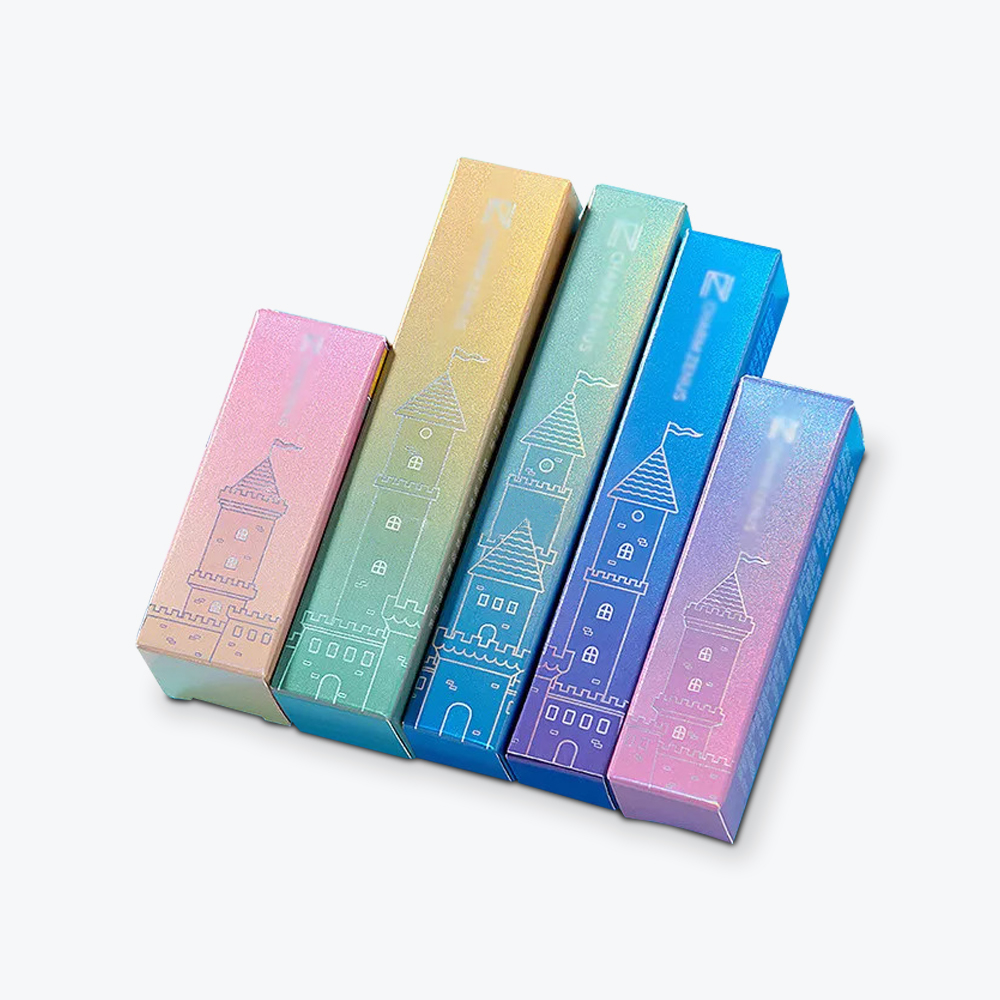
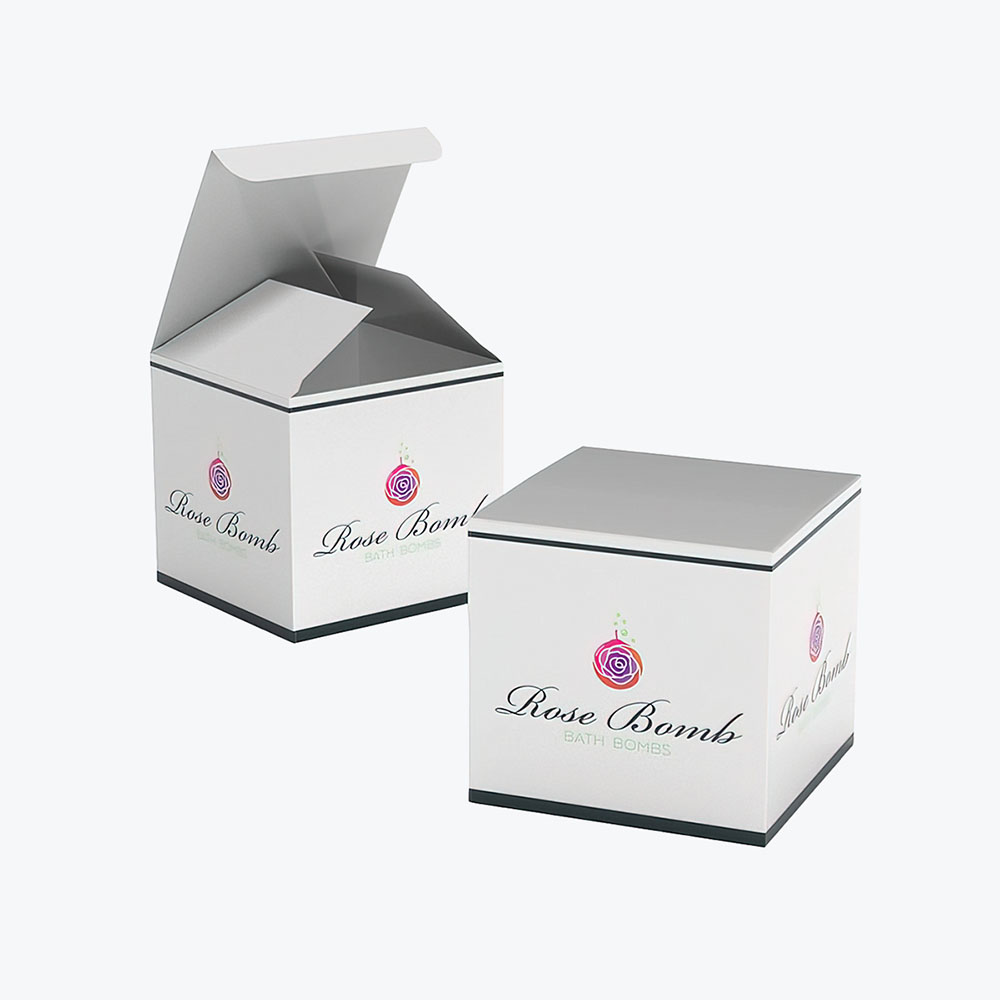
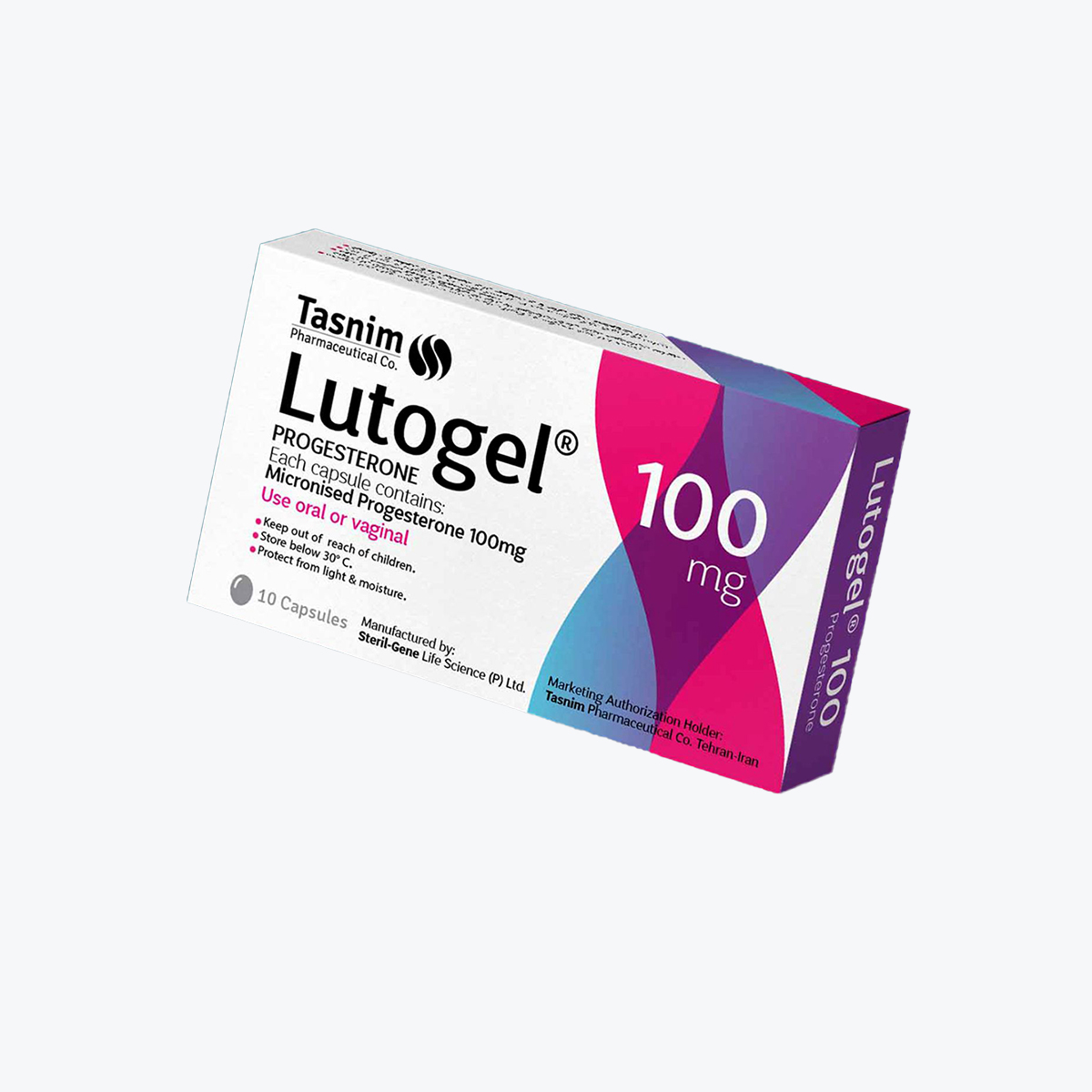
A folding carton is made from paperboard, which is thinner than corrugated cardboard but heavier than standard paper. The blank ships flat and gets assembled at the fulfillment stage, keeping the storage footprint small and shipping costs low.
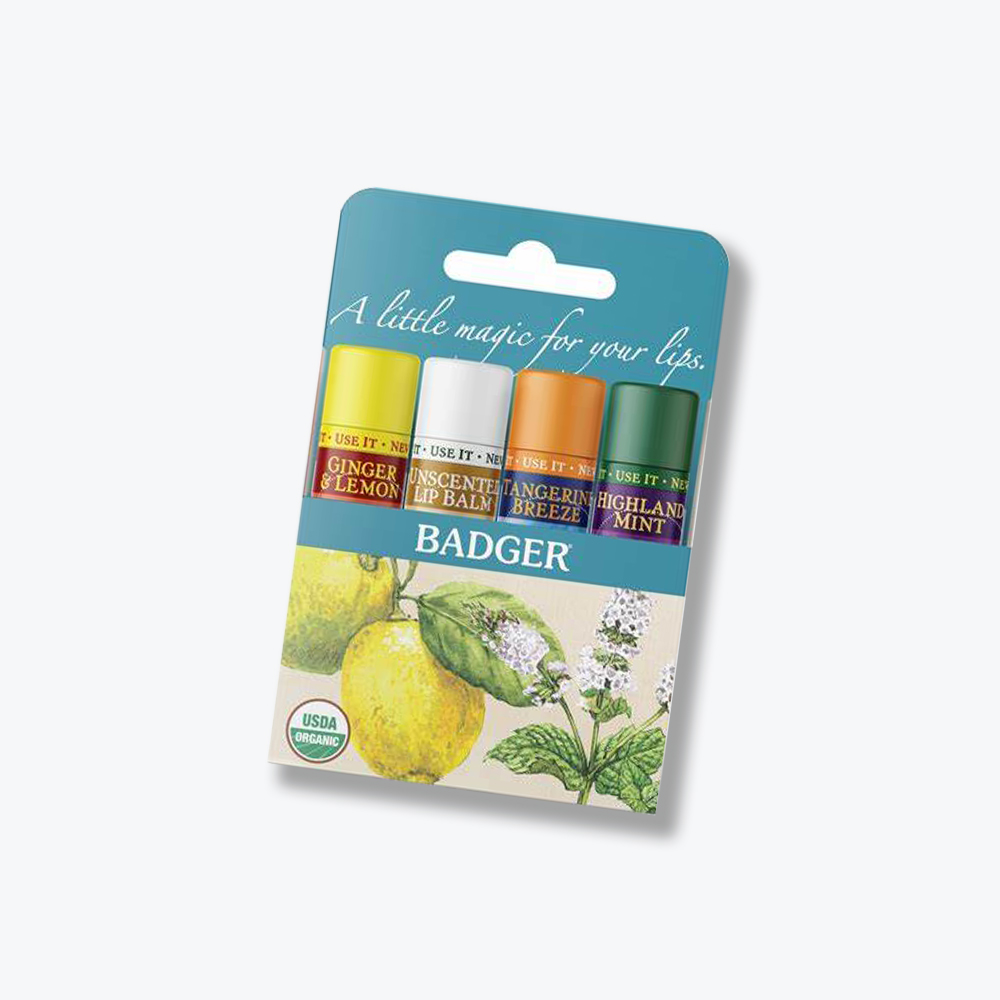
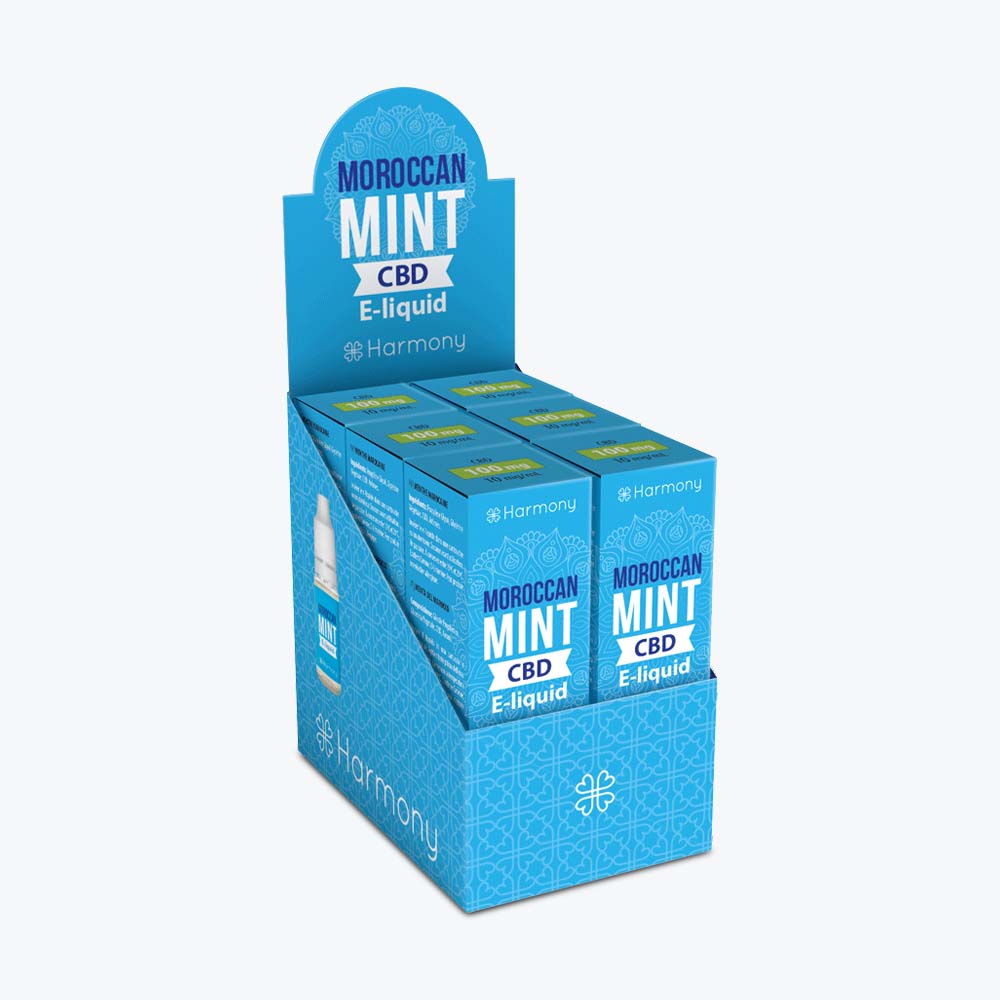
You’ll find folding cartons on lots of retail shelves, like infood packaging,cosmetics,supplements, orphone accessories. They’re cost-efficient, recyclable, and print beautifully. Since they ship flat, they take up significantly less storage space than rigid boxes, which is a real advantage for brands watching warehouse costs.
Most folding cartons are recyclable and available with recycled content from FSC-certified mills, which translates to lower waste and being broadly compatible with sustainable packaging programs.
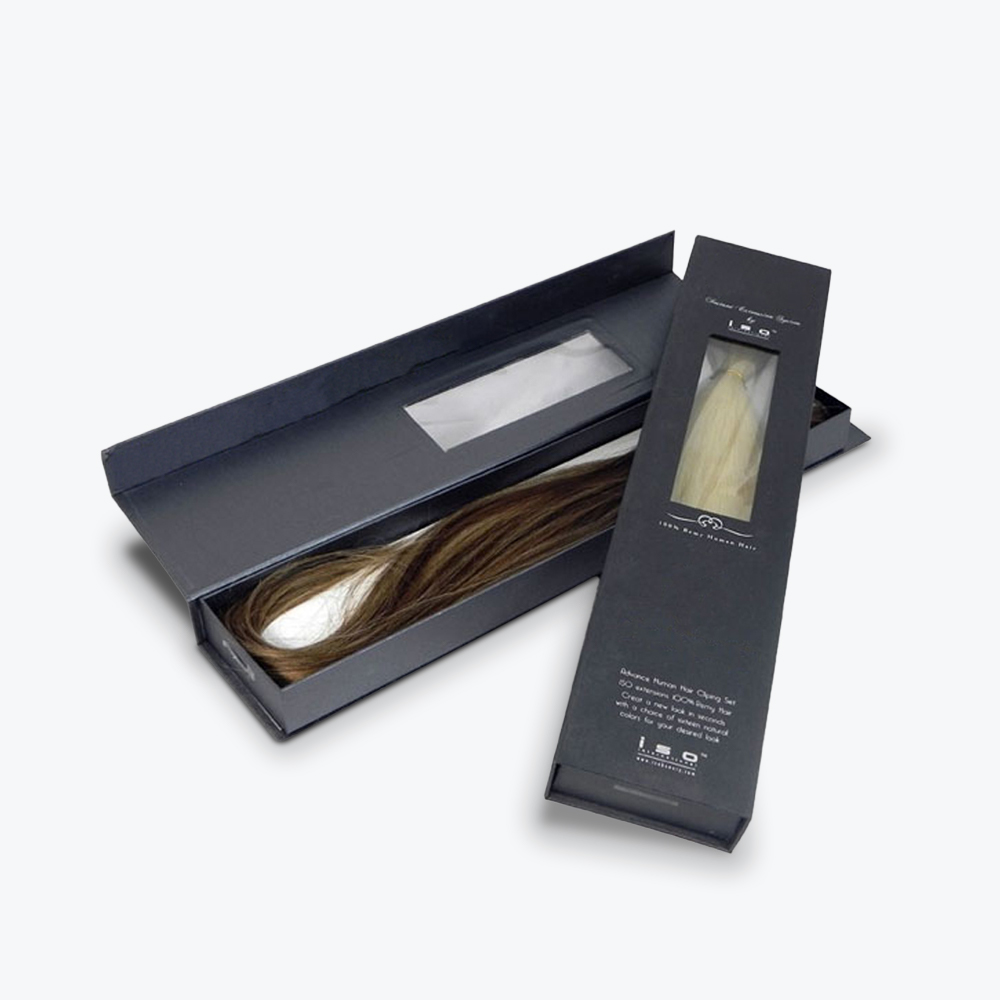
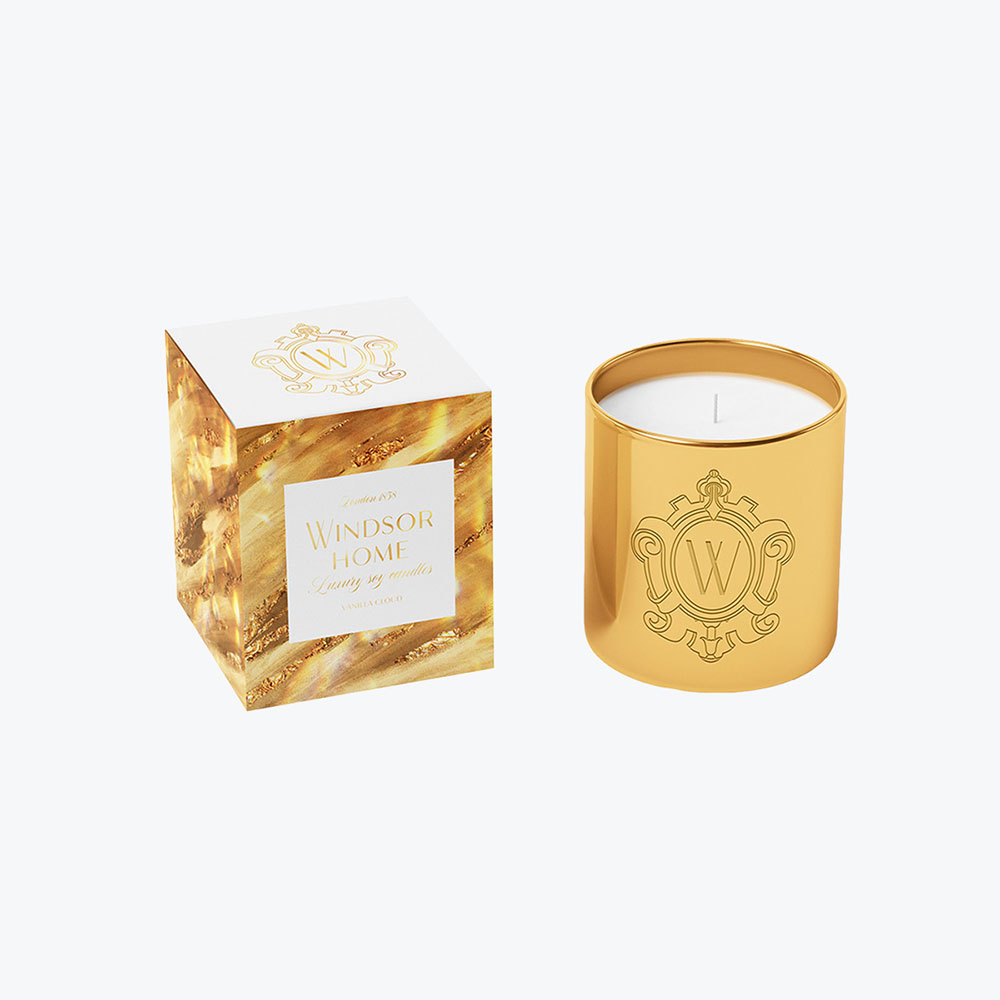
A rigid box is built from thick chipboard or greyboard and wrapped in decorated paper or fabric. It doesn’t collapse or fold and holds its shape, whether full or empty.
And that robustness is the whole point because when a luxury fragrance brand ships perfume or a jeweler sends a ring, the rigid box communicates quality before you even lift the box lid. That’s because with rigid boxes, aesthetic appeal carries as much weight as protection, which you can bolster withcustom packaging inserts.
Rigid boxes support premium finishes, including foil stamping, embossing and debossing, and magnetic closures. They don’t ship flat, which adds per-unit shipping costs and storage requirements, but for the right product, that’s an expected trade-off.
Rigid-stylegift boxes also show up across mid-range retail for products like candles, skincare sets, chocolate collections, and stationery.
Key Differences at a Glance
Durability. Rigid boxes win. Folding cartons are ideal for shelf packaging.
Cost.Folding cartons are far cheaper. Rigid boxes add more cost per unit, depending on box sizes and finishes.
Branding perception. Both print well, but rigid boxes signal a premium experience. Folding cartons feel more accessible and retail-ready.
Storage and shipping efficiency.Folding cartons ship flat and stack efficiently, while traditional rigid boxes don’t.
Best Use Cases for Each Type
Folding cartons work well for retail products, food packaging, and consumer goods. Rigid boxes are typically used by luxury or high-end jewelry brands and premium electronics companies.
For products where presentation heavily influences purchasing decisions, rigid boxes can help reinforce a premium brand image.
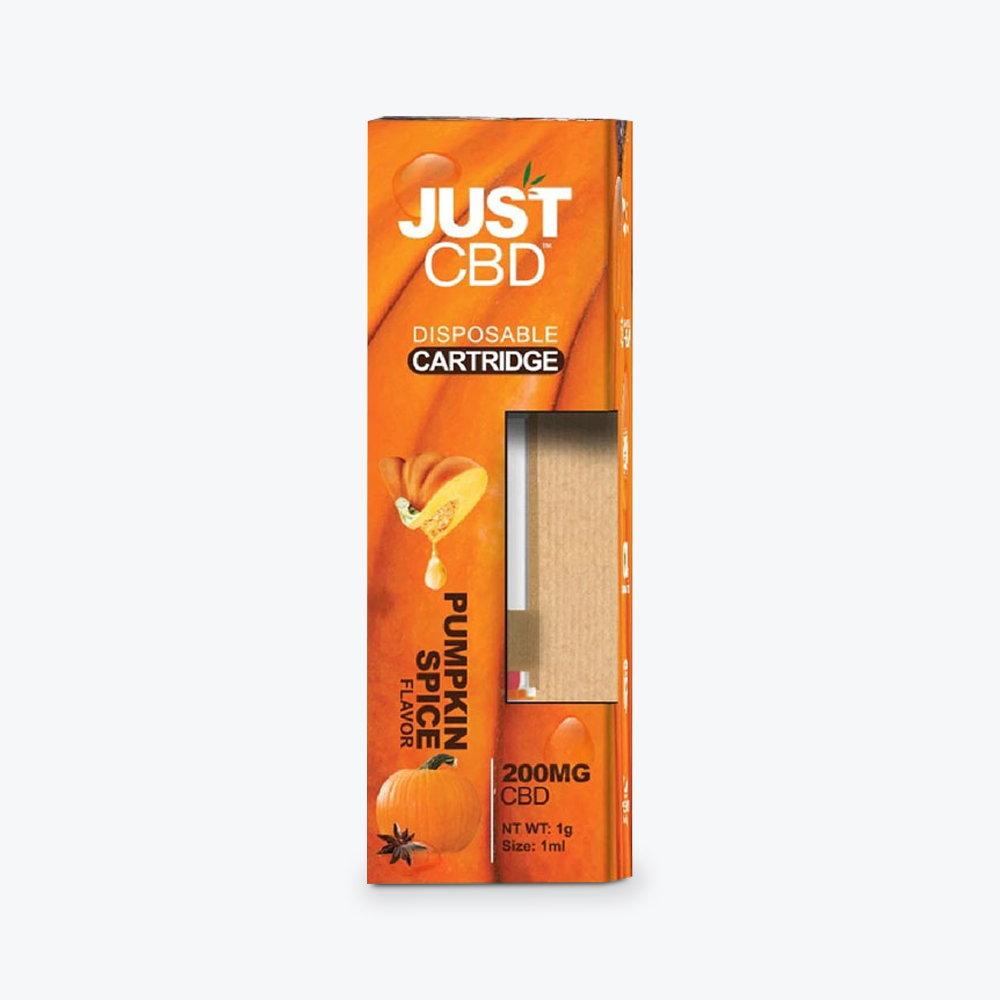
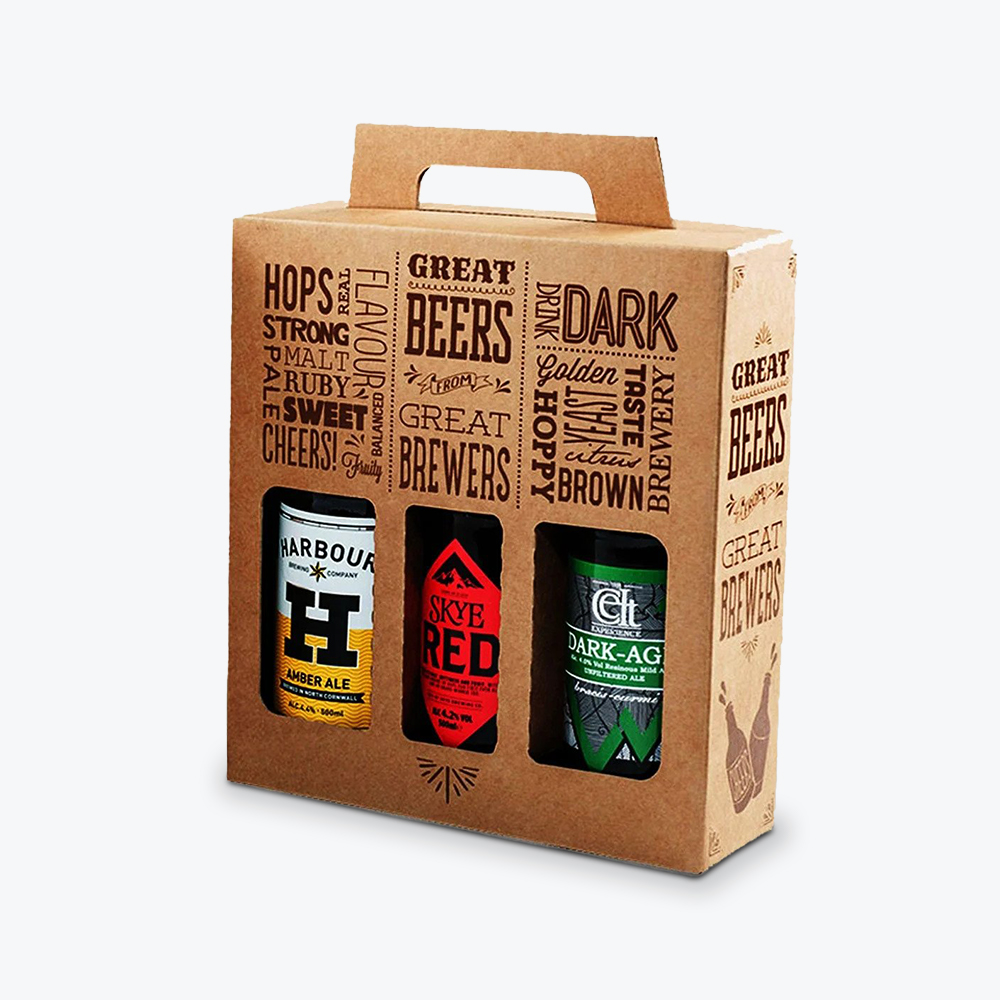
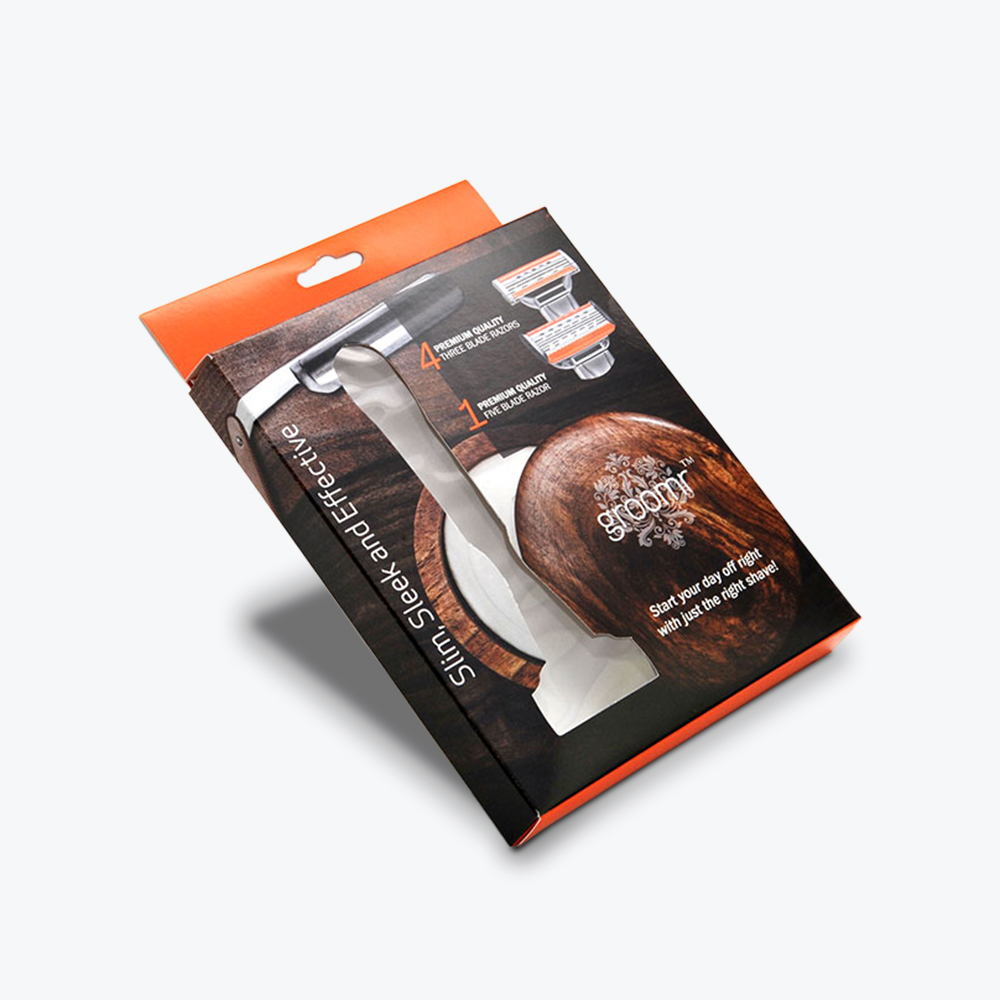
A die-cut box is produced using a custom cutting die pressed through corrugated cardboard or paperboard to create shapes that a standard slotted box can’t. Features like integrated closures and handles, tabs, auto-lock bottoms, and window cutouts are all die-cut.
The biggest advantage is having the perfect fit. If your product isn’t a rectangle, the structure gets shaped around it, reducing void fill and producing cleaner product packaging.
Die-cutcustom boxes also open up significantdesign options with custom shapes, tuck styles, and display-ready configurations.
What Are Standard Boxes?
Standard boxes use predefined templates, so there’s no custom die needed. RSC and FOL are the most common, available in a wide range of off-the-shelf box sizes. They’re faster to produce and have a lower setup cost. Standard boxes are also the right call when your product fits a standard footprint and quantity is your priority.
Key Differences at a Glance
Feature
Die-Cut Boxes
Standard Boxes
Customization
Extensive
Limited
Tooling Cost
Higher
Lower
Production Time
Longer
Faster
Branding Opportunities
High
Moderate
Product Fit
Excellent
Good
When to Choose Each
Custom die-cut boxes work best when product presentation is important or when products have unusual shapes. If cost efficiency matters or if you have straightforward packaging requirements, then standard boxes are ideal.
FOL vs. RSC Boxes: The Technical Breakdown
If you’re ordering corrugated boxes in large quantities,understanding RSC vs. FOL saves money and prevents damage claims.
What Is RSC (Regular Slotted Container)?
Considered the most common shipping box, the RSC is basically one corrugated cardboard blank folded into four sides, with top and bottom flaps that meet in the center. Standard “Regular Slotted” shipping boxes typically require tape for closure.
Regular slotted containers are fast to assemble and efficient to manufacture. They’re also suitable for most standard shipping applications.
What Is FOL (Full Overlap)?
In an FOL box, the major flaps fully overlap when closed, hence the name, creating a double layer of corrugated cardboard on top and bottom. That double layer distributes stacking pressure more evenly, which helps reduce panel bowing and corner collapse under force.
FOL is the right call for heavy products, palletized freight, and international shipments. There’s a trade-off, though. FOL uses more materials per unit and has a higher cost compared to RSCs, but that’s a small price to pay for the added protection.
A Side-by-Side Comparison of Key Differences
Feature
RSC
FOL
Flap closure
Meets in center
Fully overlaps
Stacking strength
Moderate with a single layer of protection
High due to overlapping flaps providing extra protection
Material usage
Uses fewer
Uses more
Assembly speed
Faster
Slightly slower
Cost
Lower cost
Higher cost
Best Applications
RSC is best for standard shipping and light-to-medium products, while FOL boxes are great for heavier and more fragile items. FOLs are also a good choice for palletized products and products meant for international shipping.
Carton vs. Corrugated Boxes
What Are Carton Boxes?
“Carton” and “cardboard” get used interchangeably, but they describe different materials.
A carton box almost always means a folding carton, which refers to lightweight paperboard, printed and die-cut at the mill, shipped flat, and assembled at the point of use.
Carton boxes are ideal for shelf packaging. They’re structured enough to hold a product and light enough to keep shipping costs down. On average, right-sized boxes can save 30% on shipping costs and using a box 2 inches too large can increase costs by 40%.
What Are Corrugated Boxes?
A corrugated box has a fluted medium between two flat liners, and that wavy inner layer delivers cushioning and compression resistance that flat paperboard can’t match.
Onestudy even found that corrugated cardboard had low impact values because of the material’s high recyclability, making it a popular choice for brands looking for eco-friendly packaging options.
Flute grades determine performance. For instance, B-flute is thinner than A-flutes and is good for retail corrugated and die-cut boxes. C-flute is the standard for most shipping boxes. E-flute is very thin and is ideal for folding cartons that need extra protection without bulk, common in food and cosmetic packaging.
Read ourcorrugated boxesguide that has everything you need to know about corrugated boxes, including flute grades and wall types.
Note: Corrugated boxes comply with USPS, FedEx, and UPS requirements.
Key Differences at a Glance
Feature
Carton Boxes
Corrugated Boxes
Material
Paperboard
Corrugated cardboard
Protection
Moderate
High
Retail Appearance
Strong
Moderate
Shipping Performance
Limited
Excellent
Durability
Moderate
High
How to Choose the Right Box Type for Your Product
There’s no universal answer, but there’s a clear decision framework. Work through these questions to help you choose the right box type:
What’s the product weight and fragility? Lightweightretail goods → folding cartons or mailer boxes. Fragile or heavy → FOL corrugated or rigid box.
Who’s looking at the packaging? If the customer sees the outer box, invest in branding (mailer or rigid). If not, go with standard corrugated.
What are your shipping conditions? Long-distance or international → FOL. Domestic, standard courier → RSC mailer or standard corrugated.
What’s your volume? High volume drives down unit cost on everything. Low volume makes standard RSC boxes or off-the-shelf options more attractive until you scale to custom MOQs.
Do you need a custom shape? If your product is irregular or you want packaging that’s structurally unique, die-cut is the best option.
Common Mistakes When Choosing Box Structures
Using folding cartons for shipped items.Folding cartons aren’t built for courier handling. Any product going through a shipping network needs corrugated boxes, and a carton box on a delivery truck has a short life expectancy.
Overpaying for rigid boxes on low-price products. A rigid box tends to cost more per unit. If your product retails at, say, $15 or less, high-finish folding cartons or custom-printed mailer boxes can still deliver enough aesthetic appeal at a fraction of the price.
Ignoring stacking and storage conditions. Consider storage and shipping conditions, including freight and shipping, when selecting a box, not just the last mile.
Treating all corrugated as the same. Different flute profiles and wall constructions offer different levels of protection.
Misaligning packaging with brand positioning. A luxury brand shipping in a plain brown box loses equity with every delivery, and that’s mainly because your misaligned packaging is creating disconnected brand experiences for your customers.
Custom Box Types Available at Refine Packaging
Whatever structure your product needs,Refine Packaging can craft it for you. You get tailor-made custom packaging options and programs that work for startups and scaling brands alike.
A Wide Range of Box Structures
We offer a wide range of custom packaging options to help you create standout product packaging and an unforgettable unboxing experience. Our products include:
Custom mailer boxes forecommerce andsubscription brands. Available in fully custom sizes with a wide range of design options. Plus, you get consistent quality across every order.
Corrugated shipping boxes (RSC, FOL, heavy-duty) for logistics-heavy operations.
Folding cartons for retail packaging across industries. Also ideal forcosmetic packaging, food packaging, and store shelves.
Rigid boxes for premium products and gift boxes. Chipboard construction with paper or fabric wrap, magnetic closures, ribbon pulls, or foil stamping.
Die-cut custom packaging for products that need a structural answer beyond the standard template. Our team designs based on your product dimensions and shipping requirements, so you get a genuine perfect fit every single time.
Why Businesses Choose Refine Packaging
Refine Packaging offers low minimums so you don’t need to order 10,000 units to get custom printed packaging. If you’re testing a new line or building your branded mailer boxes, a low minimum order quantity means you can move fast without overcommitting.
Pair that with fast shipping and rush production options, and your supply chain gaps don’t have to mean packaging gaps. Low MOQ options, starting at 100 boxes, and structural design expertise part of the service.
Use Case Alignment: A Quick Recap of Box Types and Best Applications
Business Type
Recommended Box Type
Why It Works
Ecommerce/DTC brands
Custom mailer boxes
Unboxing experience and custom printed branding help with customer retention.
Retail brands
Folding cartons
Ships flat and prints well. Cost-efficient at retail volumes.
Luxury/Gift brands
Rigid boxes or gift boxes
Structural premium feel that matches price point and aesthetic appeal
B2B/Logistics-heavy
Corrugated shipping boxes (RSC/FOL)
Built for product integrity and stacking under different freight conditions
Irregular or unique products
Die-cut custom box
Best fit and custom size. No wasted void fill.
Ready to get the right box for your product?
Get a custom quote based on your box type from our team at Refine Packaging. Share your product specs and target price range, and our team can recommend the right box type.
The Bottom Line on Box Types
While there’s no single best box type, there’s a right one for your product, shipping condition, brand strategy, and budget.
For instance, mailer boxes work for DTC brands where the unboxing experience drives retention. Rigid boxes and gift boxes are suited for luxury brand positioning, while folding cartons work well for high-volume retail. When it comes to corrugated boxes, RSC is best for standard shipping, while FOL suits heavy or fragile loads. When nothing off the shelf fits, go for die-cut custom boxes.
Erica is a professional writer and brand strategist at Refine Packaging who is based in Denver, Colorado. With a background in writing and journalism, Erica entered the manufacturing industry 8 years ago to deepen her passion to demystify difficult packaging concepts. With years of in-the-field printing experience, Erica is uniquely suited to help unpack the custom packaging process for beginners looking for an impactful box style that resonates with their target audience. When she’s not writing, Erica can be found with her nose in a fantasy novel or climbing The Rocky Mountains (and sometimes, doing both at the same time).










 Alex Jasin

 Asif Muhammad



 Erica Campbell

.svg)
Share