Is generic packaging really the most cost-effective option for businesses? Not necessarily.
While some may think generic is cheaper, the reality is that it can be an expensive mistake. Some businesses that go generic to save on packaging costs eventually end up paying more because faulty packaging resulted in damaged goods, weak branding, tarnished reputation, or worse, legal repercussions due to compliance issues.
And so, businesses must give careful thought to the design and materials they use. What works for a skincare brand may not necessarily work for a frozen food startup or an e-commerce side hustle.
The term is pretty much self-explanatory – it’s packaging designed with a specific industry in mind.
The materials, styles, and labels are customized to match the unique requirements of products and brands. For example, double-walled boxes with static-free, molded inserts make sense in the electronics industry. They’re more expensive, but they’re necessary to protect sensitive electronic products. However, the same packaging would be a total waste of money and unnecessarily excessive for products in the food or fashion industry.
Here’s how product type influences packaging decisions:
Material selection. Different materials work for different products. Food products require food-safe materials, while fragile items need impact-resistant packaging.
Design. Products affect the packaging design based on display or convenience. Products for display on retail shelves are best placed in sturdy, customized printed packaging, while products meant for on-the-go consumption are easier to handle in packaging with tearable notches or easy-to-open tabs.
Compliance. Different industries have varying standards that ensure environmental sustainability and safety for different products. For example, products for human consumption require food-grade packaging made from materials that do not leech harmful chemicals or odors.
Shipping requirements. Products influence shipping requirements based on their fragility, temperature sensitivity, weight, and other restrictions. Products that are extremely fragile, such as glassware and electronics, will require greater protection.
In e-commerce, the focus is on shipping durability and cost optimization. This means making sure products are delivered in good condition while keeping packaging and shipping costs as low as possible.
Often, a combination of these packaging types is used to cushion products from rough handling during shipping and to create an unboxing experience that leaves a memorable brand impression.
In retail, product packaging elevates shelf appeal and branding. Custom printed boxes with distinct colors, typography, and design help attract customer attention and build brand recognition. In fact, brands that areconsistent with their presentation have 3.5 times more brand visibility and see their revenues increase by up to 23%.
Here are what you’d commonly see in retail packaging:
Folding cartons
Display boxes
Windox boxes
These are often designed to make the products stand out visually on store shelves and encourage impulse buys. Many are also labeled with product benefits and detailed information.
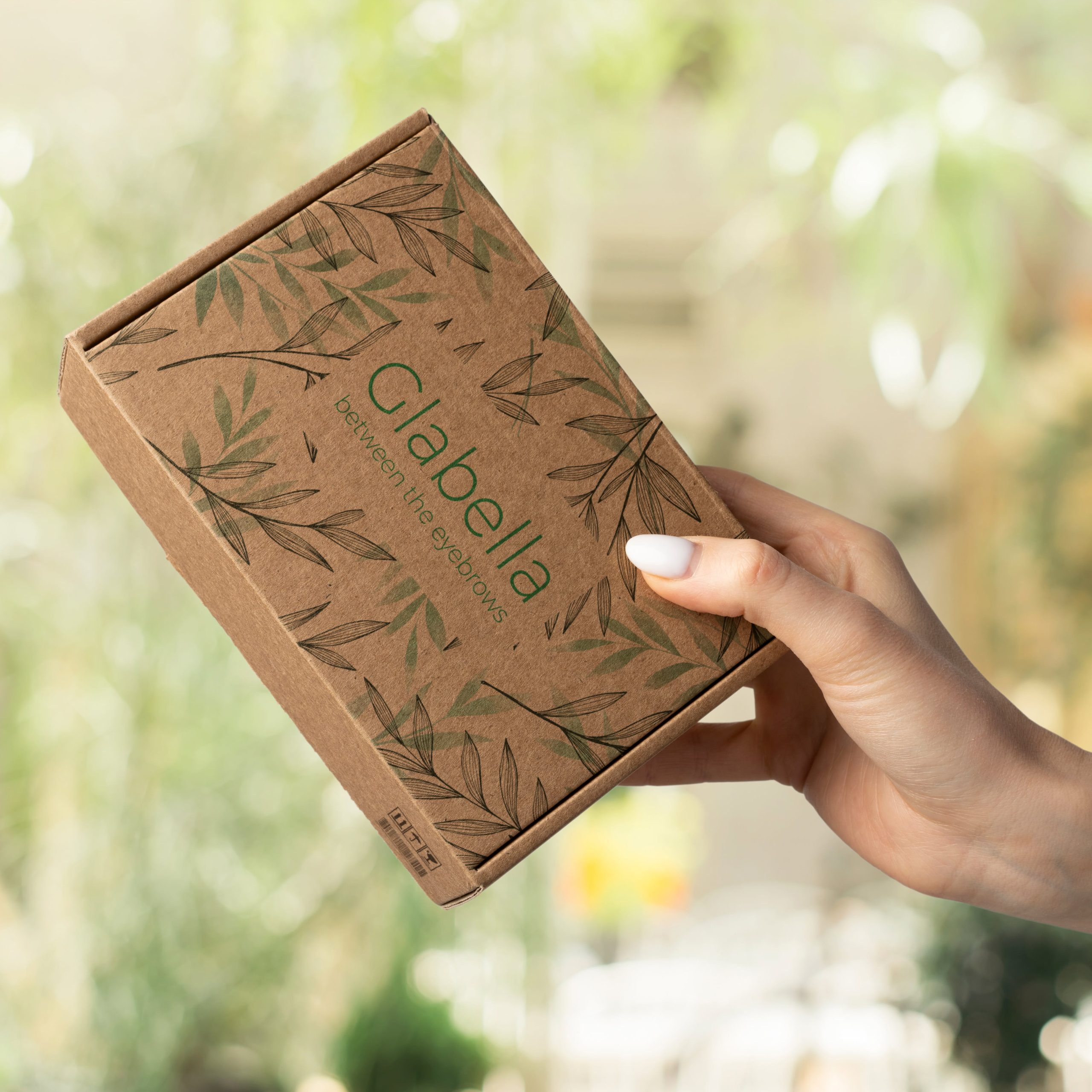
Subscription packaging serves a unique purpose: to protect products during shipping while creating an experience that waiting customers look forward to every month. Because subscription boxes are primarily for repeat engagement and customer retention, packaging absolutely becomes part of the overall product experience.
Along with the main box, subscription packaging often includes:
Personalized messages
Branded tissue paper and ribbons
Product inserts
Promotional materials
With everything presented ready for social media posting, recipients are encouraged to share their unboxing experiences. And when branded packaging materials appear in user-generated content, the business gains visibility and generates more sales.
Food and beverage packaging has stricter requirements than most other industries—and rightfully so. They come into contact with food and drinks, directly affecting freshness, product safety, and consumer health.
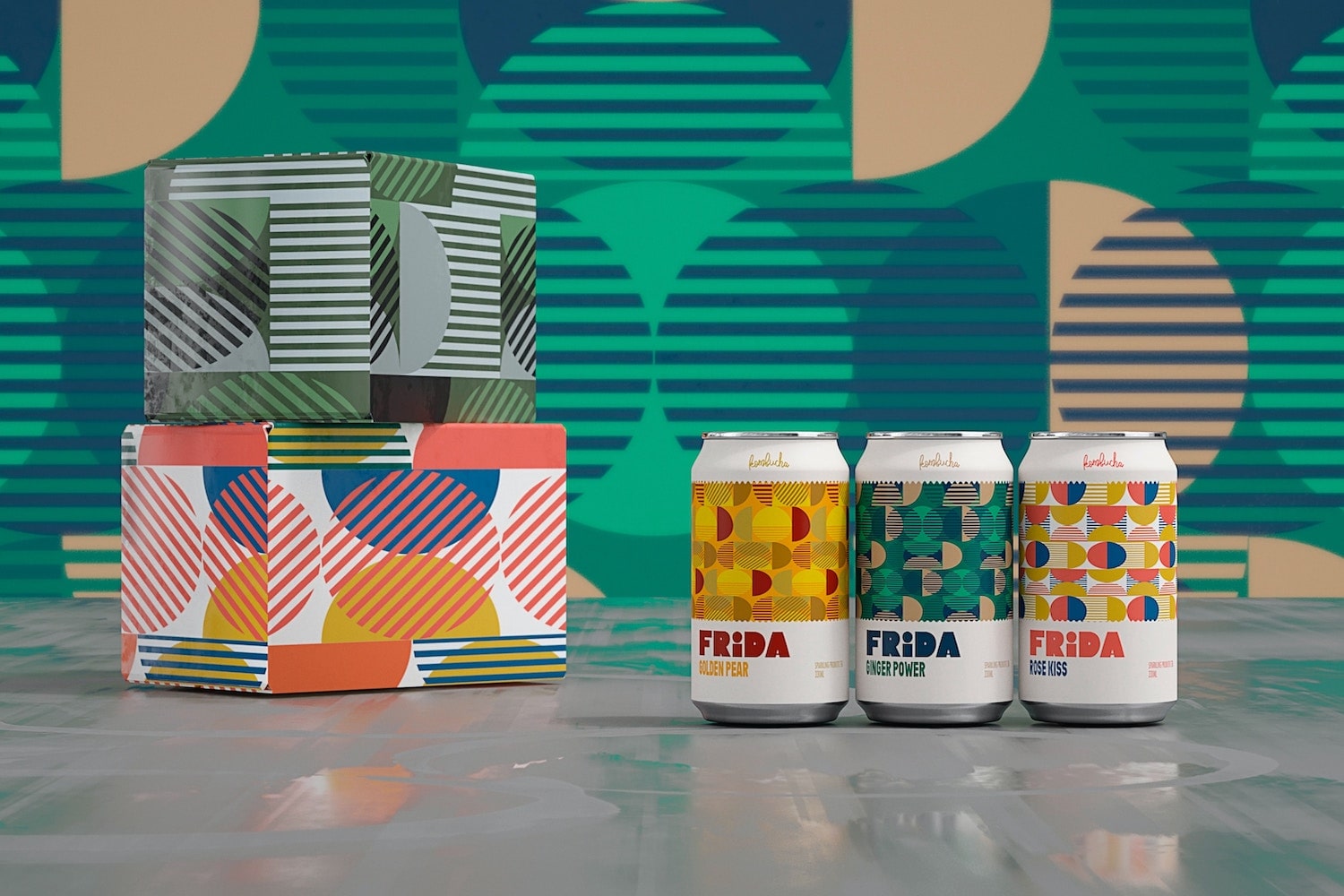
Among the typical food and beverage packaging we see in stores are:
PET bottles and aluminum cans
Wax-lined carton boxes
Paper bags and wraps
Stand-up pouches
Doy-packs
Although food safety and shelf life are the most importantfactors that influence purchasing decisions, consumers also consider the environmental impact of food packaging materials.
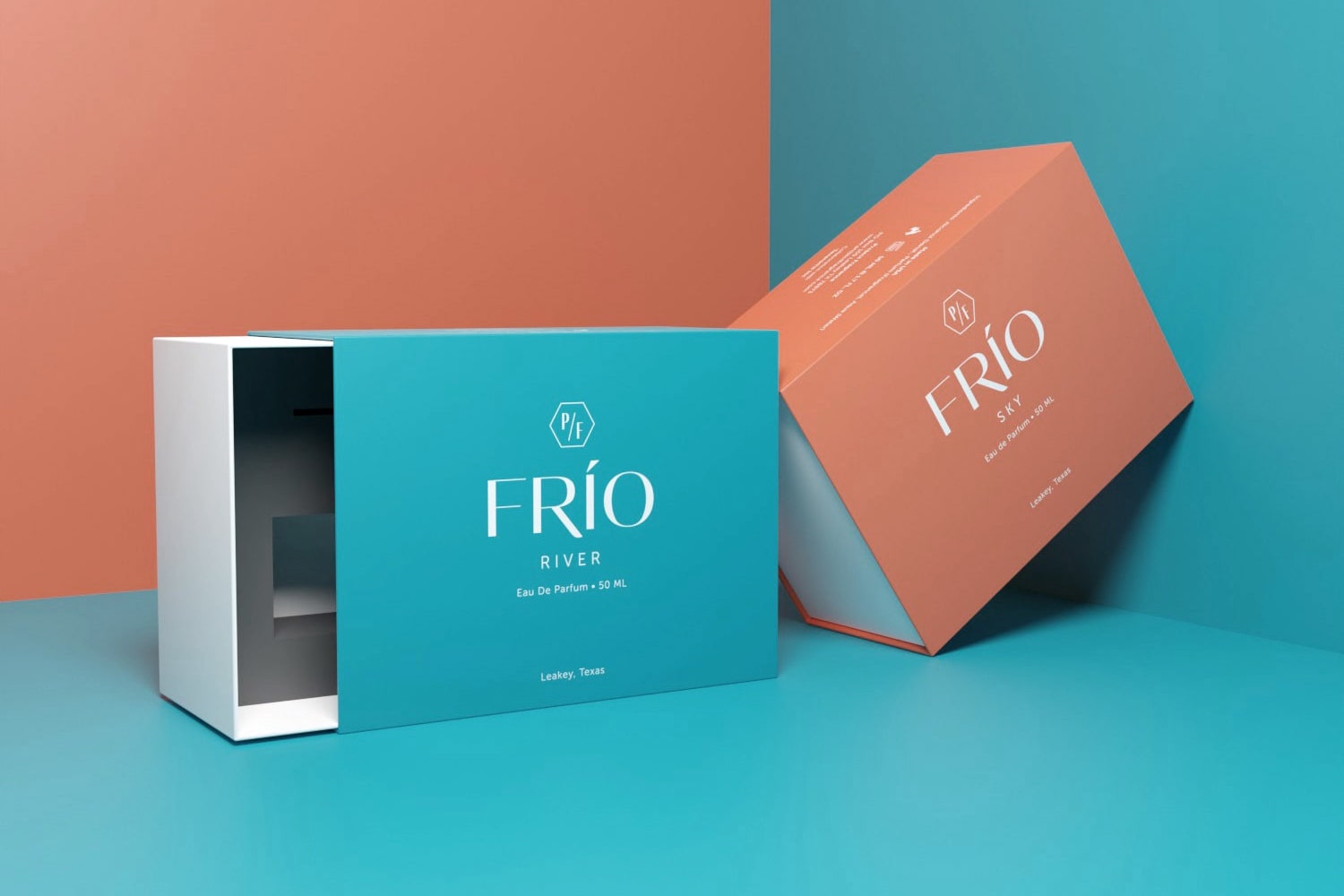
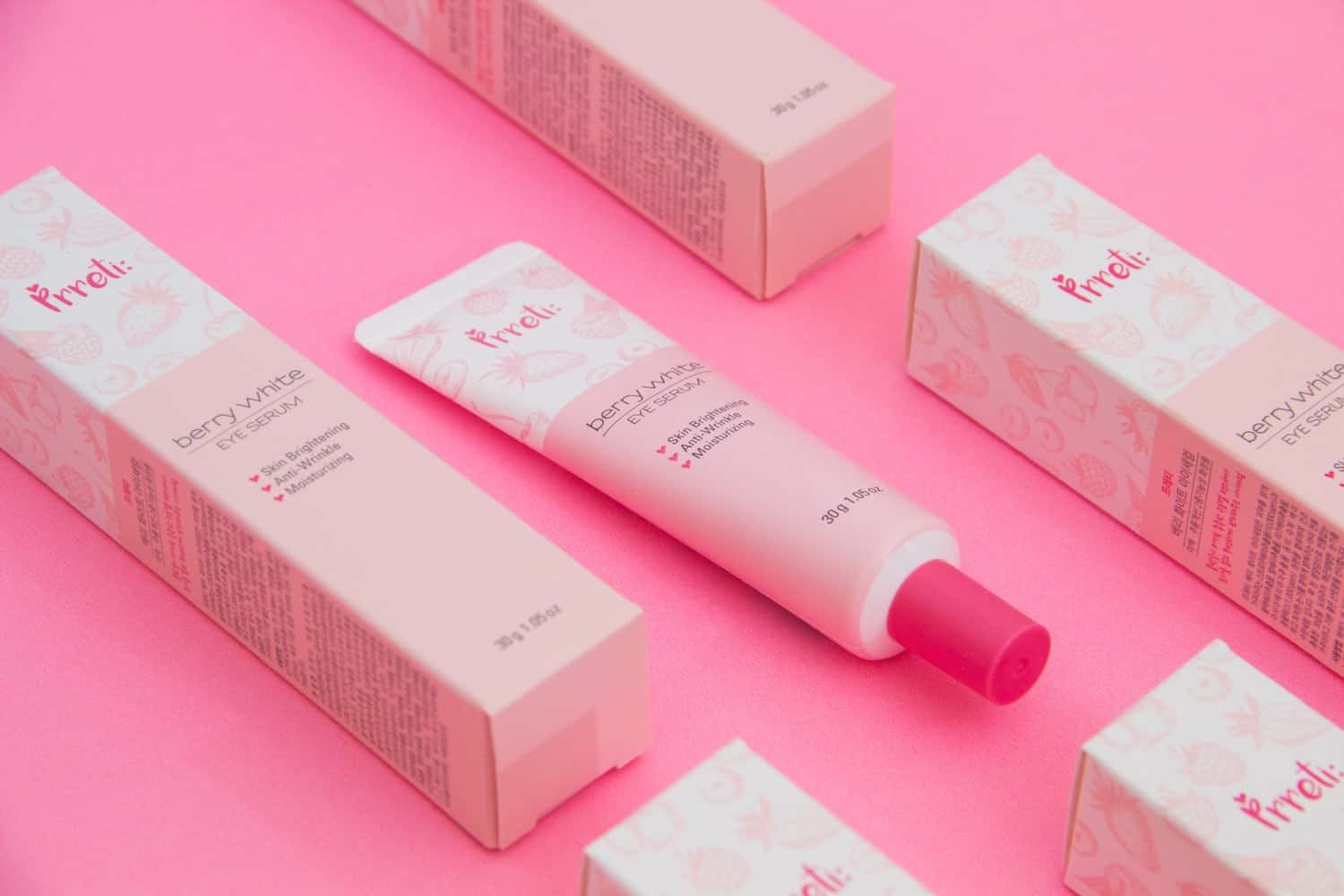
In the beauty and cosmetics industry, packaging also becomes the face of the brand. It shapes customer perceptions of quality and luxury. For many consumers, the packaging itself is part of the product experience.
As more consumers value protecting the environment, beauty brands are increasingly using recyclable, refillable, and eco-friendly materials in their packaging.
Food & Beverage Packaging Guide
If you’re in the food and beverage industry, you have to comply with some of the strictest requirements in product packaging. Here are the most important factors you must consider:
Compliance & Safety Requirements
Food and beverage manufacturers must adhere to regulatory standards. In the United States, the US FDA specifiesgenerally recognized as safe (GRAS) substances that may be used in packaging that comes in contact with food.
Some of the GRAS allowed in paper food packaging include sulfamic acid, clay, ferric oxide, formic acid, iron oxides, and sodium formate. Other substances, such as Japan wax, tall oil, and sorbose, are restricted for use only in packaging for dry food.
Material Selection
Food products are sensitive to moisture and temperature changes. That’s why most materials used in food packaging are grease- and moisture-resistant to help keep food fresh and safe.
Some of the typical packaging materials used are glassine, coated paperboard, and the following:
Material
Characteristics
Best For
Polyethylene Terephthalate (PET)
Thermoplastic (easy to custom shape)
Colorless (can be transparent or translucent)
Lightweight
single-use water, beverage, or condiment bottles
Pulp
Natural, plant-based, biodegradable, compostable
Provides thermal protection
Moldable
takeout containers, plates, food trays, and drink carriers
Polystyrene (PS)
Rigid or foam form
Lightweight and insulating
Resists warping, easy to shape
Printable surface
packaging for fatty foods, hot beverages, yogurt cups
Ethylene Vinyl Alcohol (EVOH)
Blocks gases to protect food
Sensitive to moisture
Flexible and clear
drugs, meats, cosmetics, refrigerated foods, and other perishable products
Barrier Protection
One of the most important functions of food packaging is protecting products against moisture, air, odors, microbial contamination, and other external elements.
Different materials offer protection against different types of damage. For example, pulp packaging offers thermal protection but isn’t resistant to liquids and gases. So, odors may seep into the packaging, and fluids may compromise its structural integrity. EVOH is excellent at oxygen protection, but performs poorly when exposed directly to moisture or liquids.
Often, it’s best to layer different packaging materials to maximize protection and lengthen shelf life.
Shipping Considerations
Food products that are shipped long distances are susceptible to contamination and spoilage. Temperature-sensitive food may require refrigeration or insulation during transit. They also require packaging that can maintain its shape to protect sensitive produce during shipping and storage.
Sustainable Packaging Considerations
Adopting sustainable packaging builds a positive public image while reducing environmental impact. Using eco-friendly and biodegradable materials helps lower greenhouse gas emissions, reduce landfill waste, and prevent harmful plastics from persisting in the environment. Applying circular economy principles reduces the need to extract new natural resources, preparing for government policies restricting single-use plastics helps avoid compliance penalties, and incorporating renewable energy into manufacturing further reduces greenhouse gas emissions.
Best Practices
How do you choose which packaging is appropriate for your food business? Here are some of the best practices in this industry:
Create a secure packaging design.
Use leak-proof and contamination-safe solutions.
Match barrier properties to shelf-life requirements.
Balance food safety with sustainability.
Test sample packaging under realistic handling, storage, and shipping conditions.
Beauty & Cosmetics Packaging Guide
Beauty and cosmetics packaging follow similar standards to food and beverage packaging. However, they serve another key purpose: they reflect brand image. In this industry, image is—literally and figuratively—what sells the products.
Here’s what you need to consider when getting custom packaging for your beauty products:
Foil stamping, embossing, soft-touch coating, metallic sheets, and other premium finishes help products appear more luxurious. Their high visual appeal captures consumer interest.
Material Selection
The choice of material depends on how you want to position your product. Folding cartons and rigid boxes can provide ample protection for everyday products, but may look too plain for high-end cosmetics. For liquid products, such as serums and fragrances, plastic containers keep costs affordable, while glass bottles elevate value.
The best options are those that are durable yet aesthetic, balancing visual appeal with reliable protection.
Unboxing Experience
With more than74% of young consumers purchasing products based on influencer recommendations, you’d want to create unboxing experiences that encourage consumers to share user-generated content on social media.
Layered packaging with custom inserts and presentation elements helps make this experience memorable.
Protection Requirements
Many cosmetic products are in liquid, cream, or powder form. Packaging that prevents leakage, damage, or contamination is important. TheUS FDA also requires some cosmetic products to be packaged in tamper-resistant packages. Shrink wraps, tape seals, blister packs, or similar materials are often used as they clearly show when a product has been tampered with.
Other packaging accessories, such as protective sleeves, molded inserts, and cushioning materials, may also be necessary when products are shipped.
How to Choose Packaging Based on Industry
Effective packaging starts with selecting the correct box size to minimize movement and empty space, which can increase shipping costs. Use sturdy, high-quality corrugated cardboard, double-walled cardboard for heavier items, strong pressure-sensitive packing tape to securely seal boxes, and cushioning materials to prevent contents from shifting. Soft goods should be shipped in tear-proof, moisture-resistant mailers, packages should withstand a 3-foot drop test, and clear handling labels and warnings help ensure careful transportation. Features such as tear strips can also improve the customer unboxing experience.
When evaluating your packaging options, consider the following factors:
Product characteristics
Are your products fragile or perishable? Do they contain liquid, or are they completely dry? Are they temperature sensitive? The type of products you offer will determine which materials, structure, and design are most suitable for your packaging.
Branding requirements
Will your packaging be simply for protection, or do you intend for it to serve as a marketing tool that tells your brand story? Is there a specific concept or theme you want the packaging to project? Your specific requirements and goals matter in choosing the packaging type.
Compliance needs
Research any regulations that apply to product safety, labeling, sustainability claims, and other factors relevant to your industry.
Shipping conditions
Consider product handling, shipping distance, and storage requirements. Choose packaging designs and inserts that can provide reliable protection and cushioning for your products.
Common Mistakes Across Industries
Many businesses make the same packaging mistakes, regardless of industry. Here are some of the usual packaging mishaps we’ve come across:
Ignoring compliance requirements. As with all regulations, ignorance excuses no one. Failure to meet regulatory standards can lead to steep fines, product recalls, or even business closure.
Choosing incorrect materials. Some businesses, especially those that are starting with limited capital, allocate small budgets to packaging. However, selecting materials based solely on cost may lead to product damage or spoilage and tarnish brand image.
Overlooking customer experience. You can fulfill delivery on time, but not get repeat orders. That’s because how your customers feel when they open your product is what influences their future purchasing decisions. The unboxing experience shapes how they perceive your product and brand.
Not optimizing for shipping. Packages that are too big increase shipping costs. Those that are too flimsy increase damage rates and return rates. If you regularly ship small items together or have fragile products, it may be best to have custom-sized boxes with foam or molded inserts. For bulk orders, a large double-walled corrugated shipping box can protect all items throughout their journey.
Scaling Packaging Across Product Lines
Generic packaging may be understandable for new or microbusinesses. But, as your business grows, your packaging should also become more standardized and personalized.
If this is where you are now, here are a few scaling practices that may help you improve your packaging design.
Maintain brand consistency across all products. Use the same or similar visual elements, such as logos, colors, typography, messaging, and CTAs that include your website and socials to help boost brand recognition.
Standardize your packaging processes. This helps reduce production complexity, speeds up delivery timelines, and minimizes fulfillment errors.
Create insert systems. Paper, foam, or molded pulp inserts are easier to customize at lower costs. If your products are almost similar in size but differ in shape, customizable inserts enable you to use the same outer boxes while keeping products secure.
Plan packaging that can accommodate future product launches. New products may require different structures or materials. Create designs for different product sizes and types so packaging for your entire product line stays cohesive.
Industry-Specific Packaging Solutions with Refine Packaging
Because packaging has an impact beyond visual appeal and protection, brands must carefully choose their packaging partners.
If you need custom printed packaging solutions tailored to your unique needs, Refine Packaging is a flexible partner across industries. We customize designs and materials to adapt to different products in e-commerce, retail, food, beauty, and other industries.
Material & Compliance Expertise
Refine Packaging works with hundreds of businesses across multiple industries, providing assistance and guiding them in choosing the right materials. We’ll help you explore food-safe, eco-friendly, or industry- compliant packaging options.
Premium Design & Finishing Options
Our vast range of materials ensures your packaging is customized according to your exact specifications. We offer high-end finishes and elegant inserts for cosmetics and retail. We also have durable solutions for e-commerce and shipping.
Custom Inserts & Structural Design
We also customize inserts that secure packaging for fragile or sensitive products. Our expert designers optimize structure, thickness, and size for protection and presentation. We are committed to helping you achieve your vision for your products and brand.
Scalable Production
Packaging solutions should support businesses at every stage. At Refine Packaging, we deliver the same quality service and reliability to startups testing new products, to established brands distributing products globally, and all other businesses in between.
Do you simply need stock packaging that provides ample protection? Looking for custom printed packaging with a low minimum order quantity? Or are you ready to scale your packaging and boost business growth?
Get expert advice from Refine Packaging. We’ll help you explore custom packaging solutions at the best prices for your product category. If you already have a design and materials in mind, request a quote and sample for industry-specific packaging.
Step-by-Step: Choosing Packaging for Your Industry
Still unsure about which packaging solution is ideal for your business? Let’s simplify the decision-making process.
Identify your product requirements. Does it need protection from heat, contaminants, impact, or other external stressors? Will it require storage in temperature-controlled facilities? Do you need packaging aesthetics for a specific consumer type?
Understand compliance requirements. Do your due diligence and check the standards and regulations that apply to your products and industry. If you sell food and cosmetic products, research the FDA codes and provisions you need to comply with. Refine Packaging’s team of specialists can assist you in understanding compliance requirements in your sector.
Choose materials and box type. Based on your answers in steps one and two, select the materials that align with your needs. Seek advice, when necessary, to get the right balance between reliable protection and cost-efficiency.
Design for branding and functionality. Consider your product sizes and types to design a structure that meets your operational needs. Once functionality is ensured, customize prints and inserts to support brand objectives.
Test packaging. Once your design template is ready, request a sample run to check for design flaws and test packaging integrity. Subject the sample to real-world conditions, such as rough handling, exposure to heat, shifts while in transit, or accidental dropping.
Scale production. After testing and addressing any flaws, give the go signal for large-scale production. Standardize your production and delivery system to maintain flexibility for future business growth.
Custom boxes must meet packaging needs
Packaging isn’t a mere container for your products. It’s a shield that protects against damage, a marketing tool that strengthens brand perception, a requisite for compliance, among many other functions.
The right packaging will improve both protection and customer experience, ultimately enabling brands to grow faster. To align your packaging solutions with your long-term goals, seek guidance from experts for tailored solutions. Contact Refine Packaging today to explore packaging options that work with your ideas.
Amanda is a professional writer and brand strategist at Refine Packaging who is based in Los Angeles, California. With a background in writing and journalism, Amanda entered the manufacturing industry 6 years ago to explore her unique passion for beautifully conceptualized packaging. With years of packaging experience, Amanda has a deep understanding about how brand psychology and box design trends impact emotions and desired actions. When she’s not writing, Amanda can be found snuggling her two Beagles or outdoors sipping on sparkling white wine.







 Alex Jasin

 Asif Muhammad




 Erica Campbell

.svg)
Share