This article will go through the pros and cons of custom vs stock packaging to help you decide the perfect packaging solution for your brand, and cover the cost of custom packaging vs stock.
Effective packaging is an integral part of your customer’s experience with a brand, and it sets the stage for what they can expect in terms of quality and value for money. Because of this, costs should be looked at from a long-term standpoint, and price shouldn’t be the only deciding factor when looking at packaging solutions.
The cheaper box on day one will not always be the cheapest box six months later—especially once shipping costs, damage rates, storage, and brand perception get involved. In the packaging industry, the right answer usually comes down to order volume, product fit, lead times, and how much your brand identity matters in a competitive market.
Your product may be remarkable, but your packaging needs to meet customer expectations. This may entail deciding between stock and custom packaging.
What’s the Difference Between Custom and Standard Packaging?
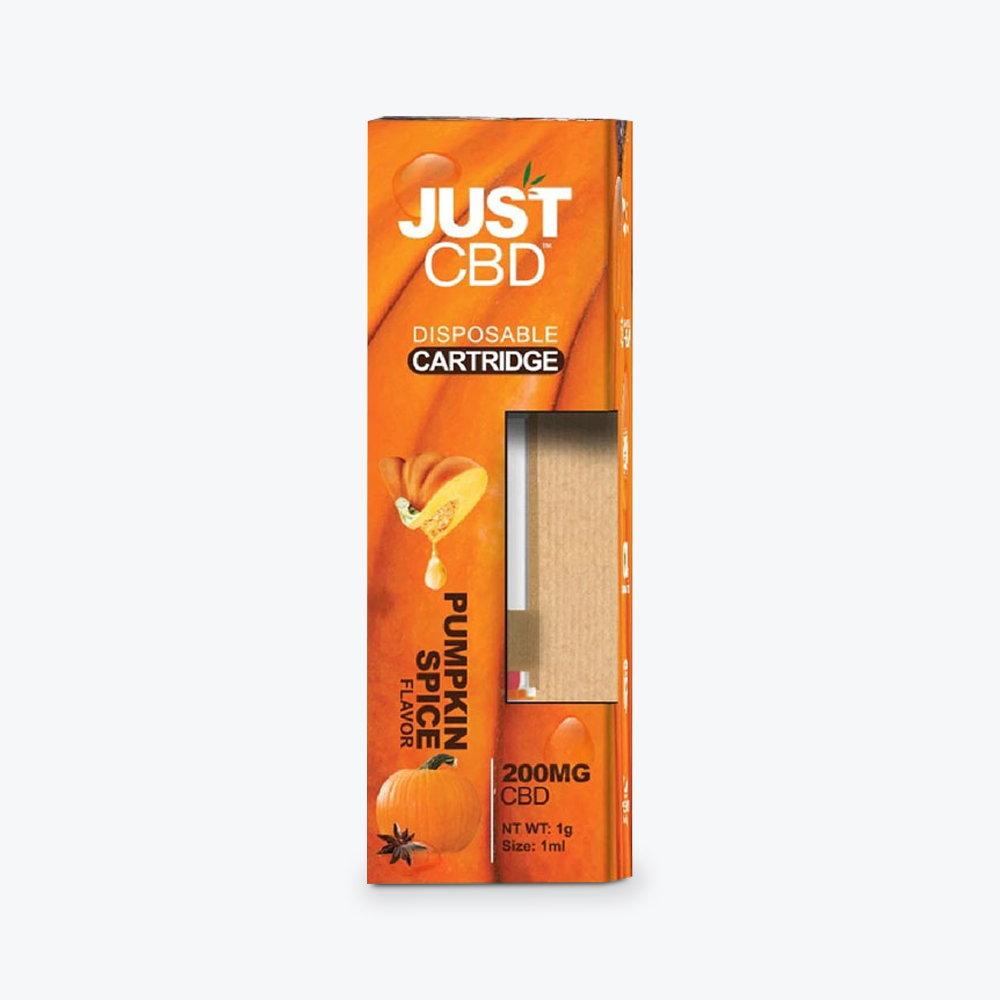
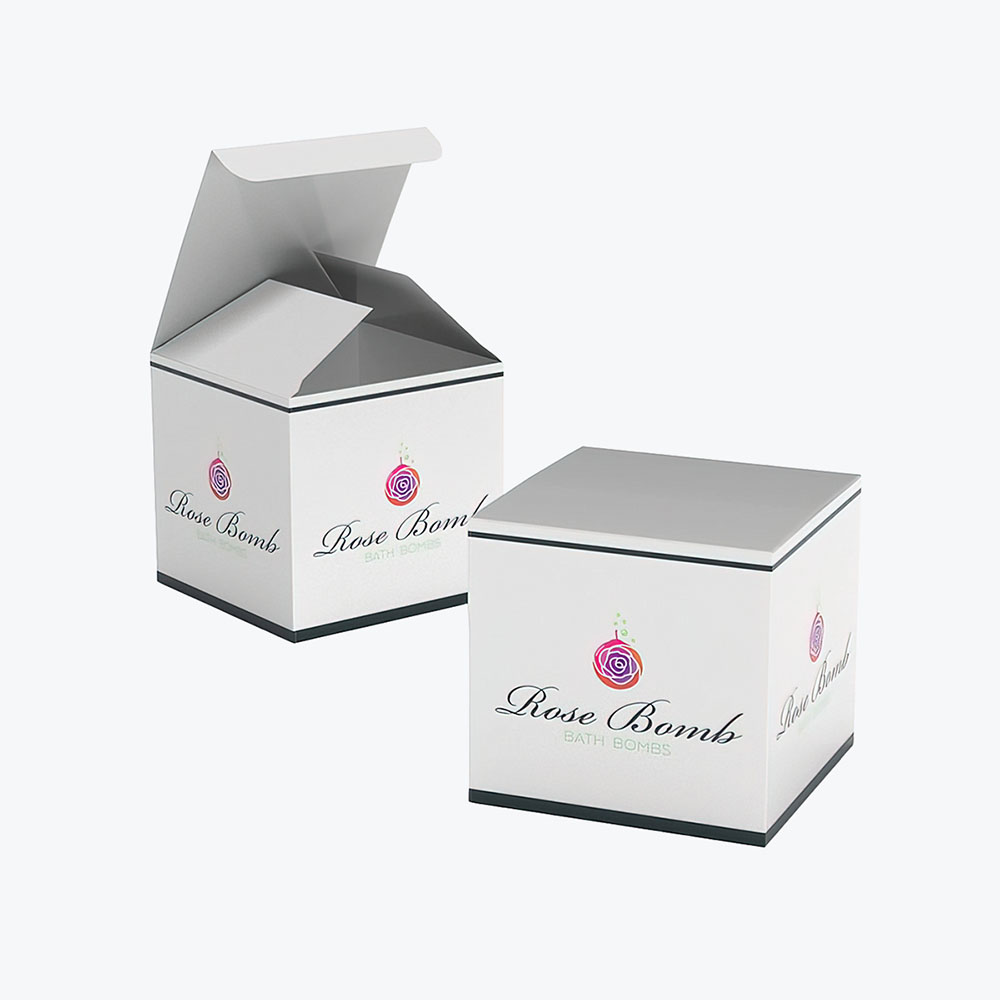
Stock and custom packaging both have benefits and drawbacks. Stock packaging refers to pre-made, custom-sized boxes, mailers, and folding cartons produced in standard sizes and sold for broad use.
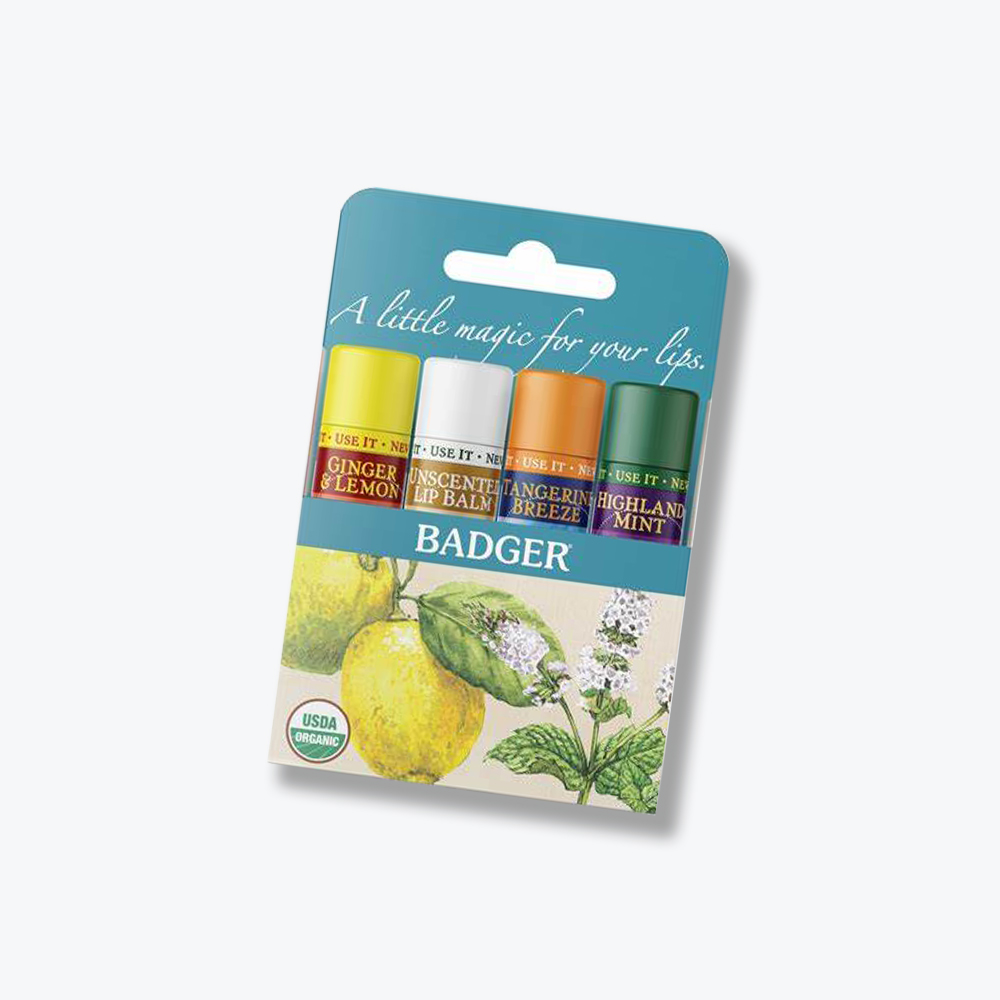
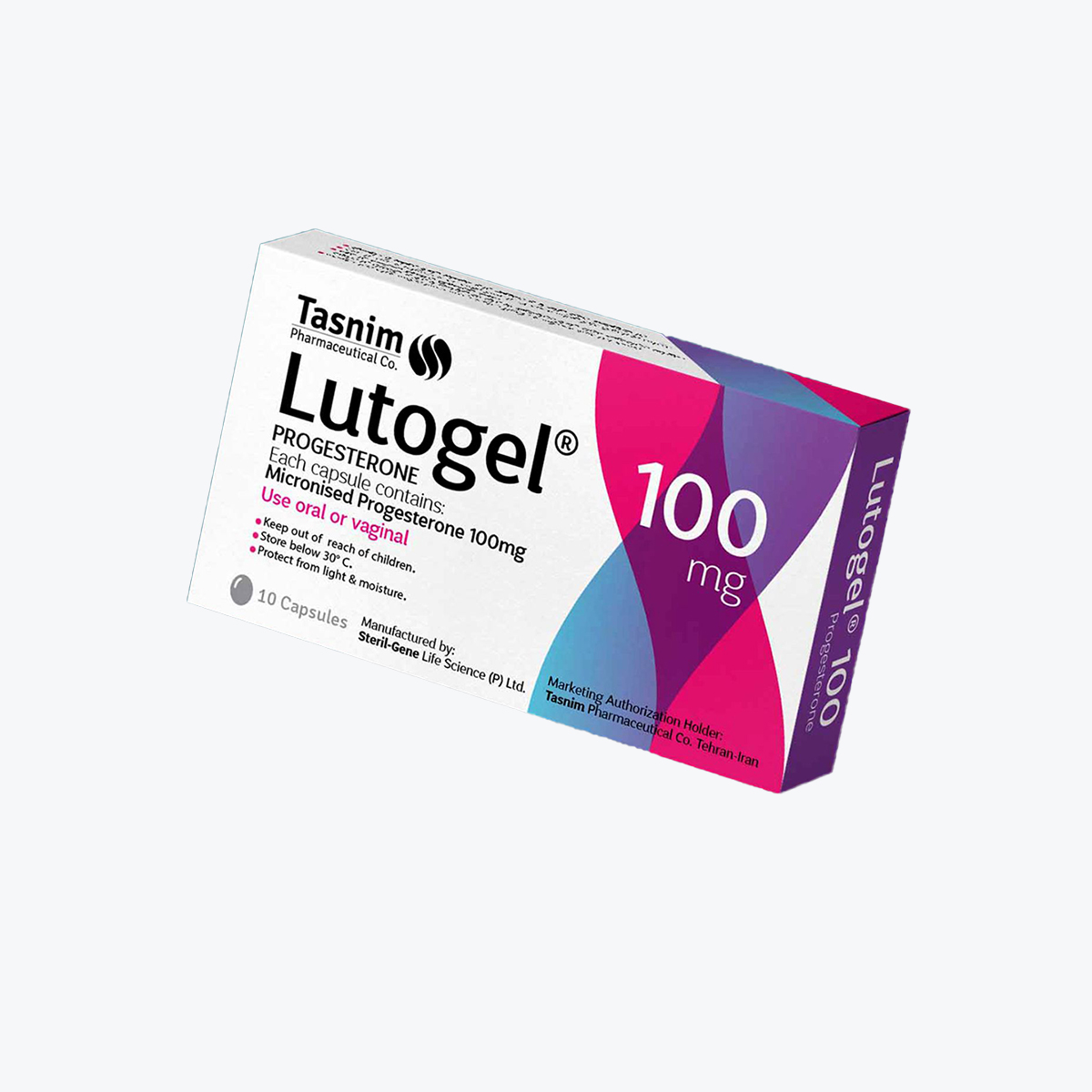
Stock packaging is a pre-made, generic solution that is mass-produced and available in standard sizes and styles. It is usually the cost-effective choice when you need something fast, your product is durable, or your team is working with tight budgets. Stock packaging is ideal for businesses that do not require fully tailored packaging but still want a professional look.
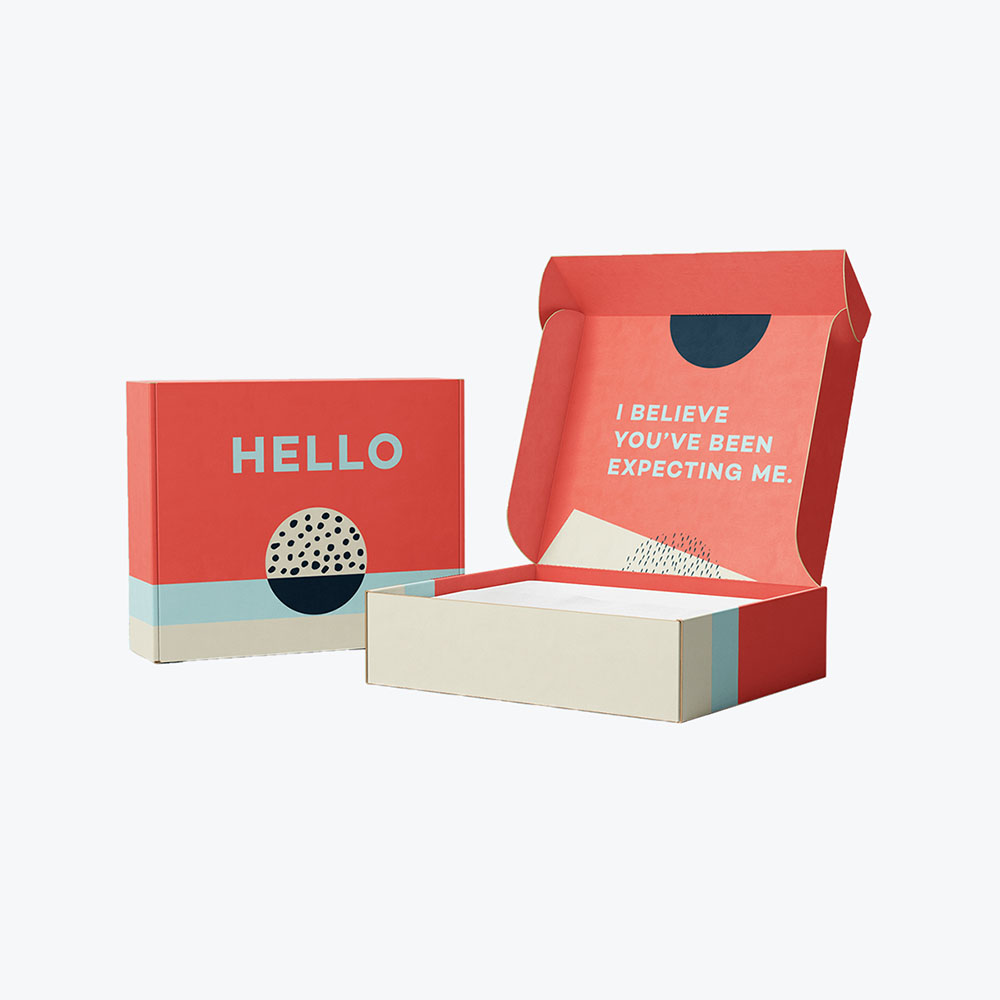
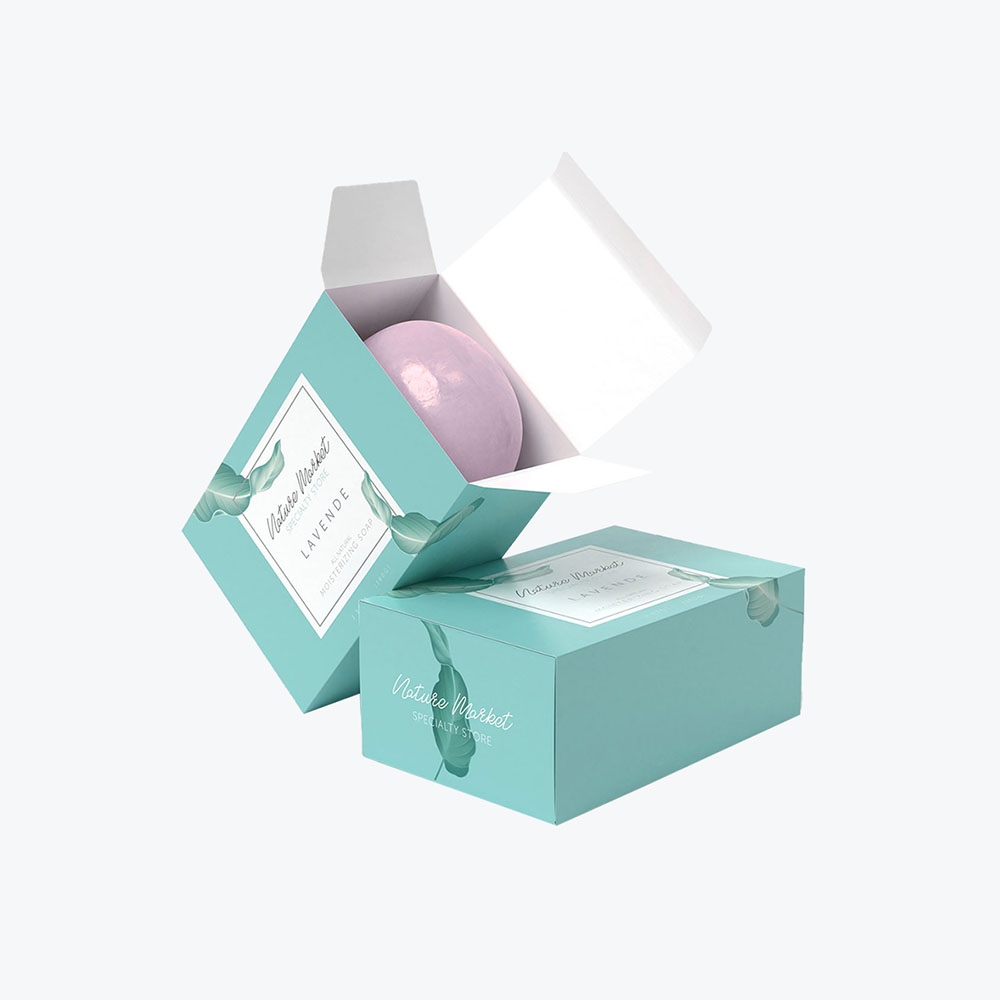
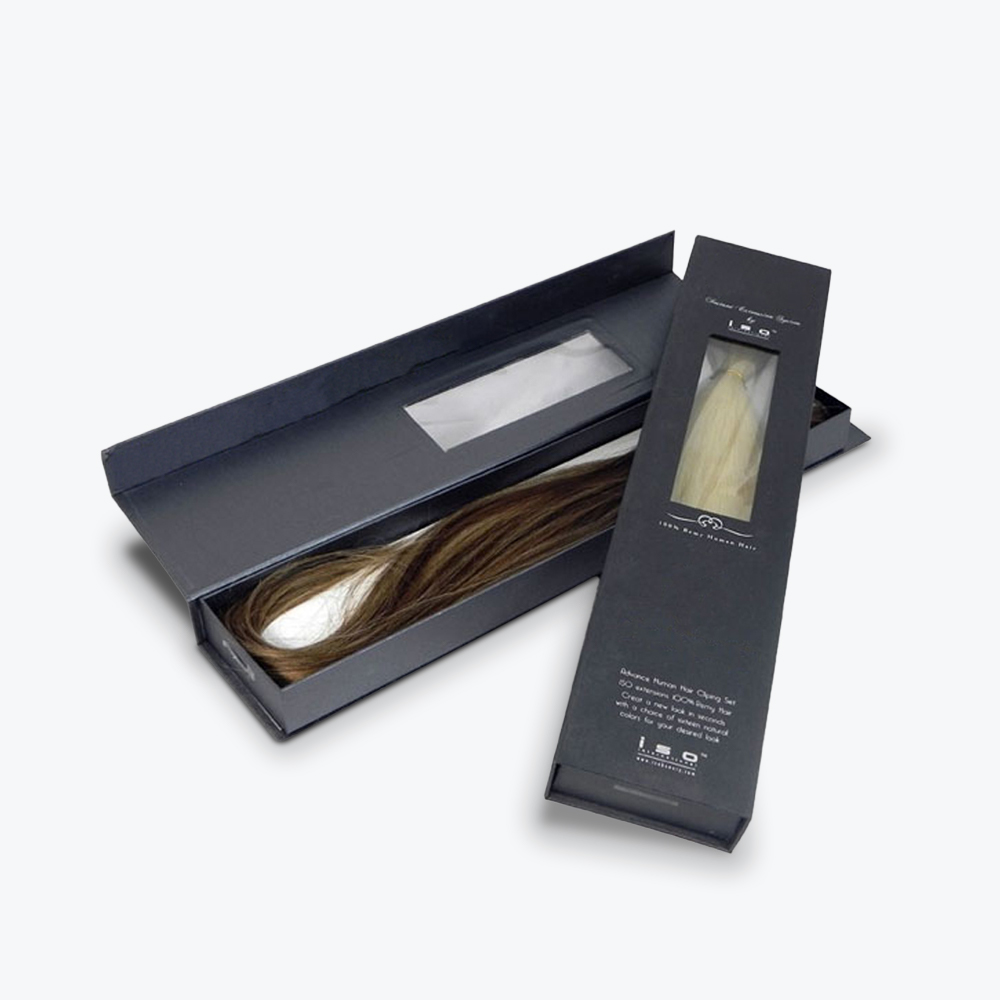
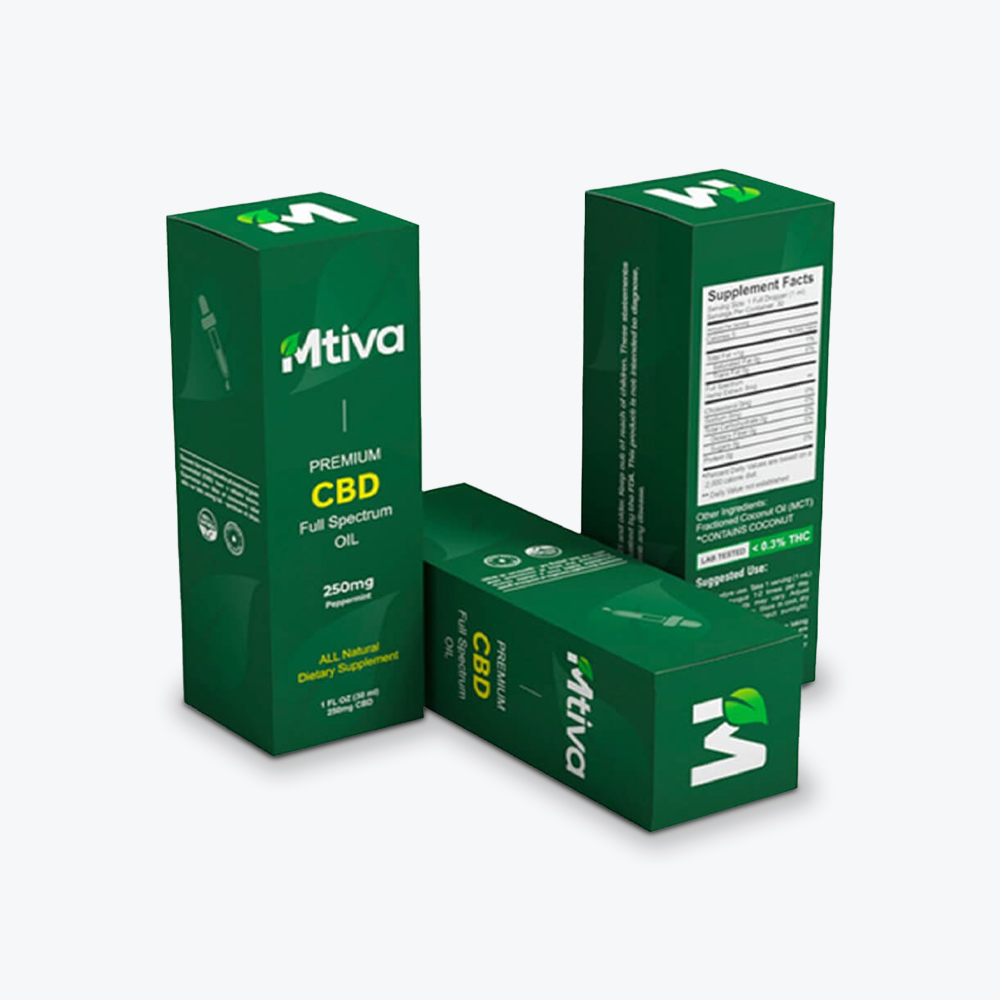
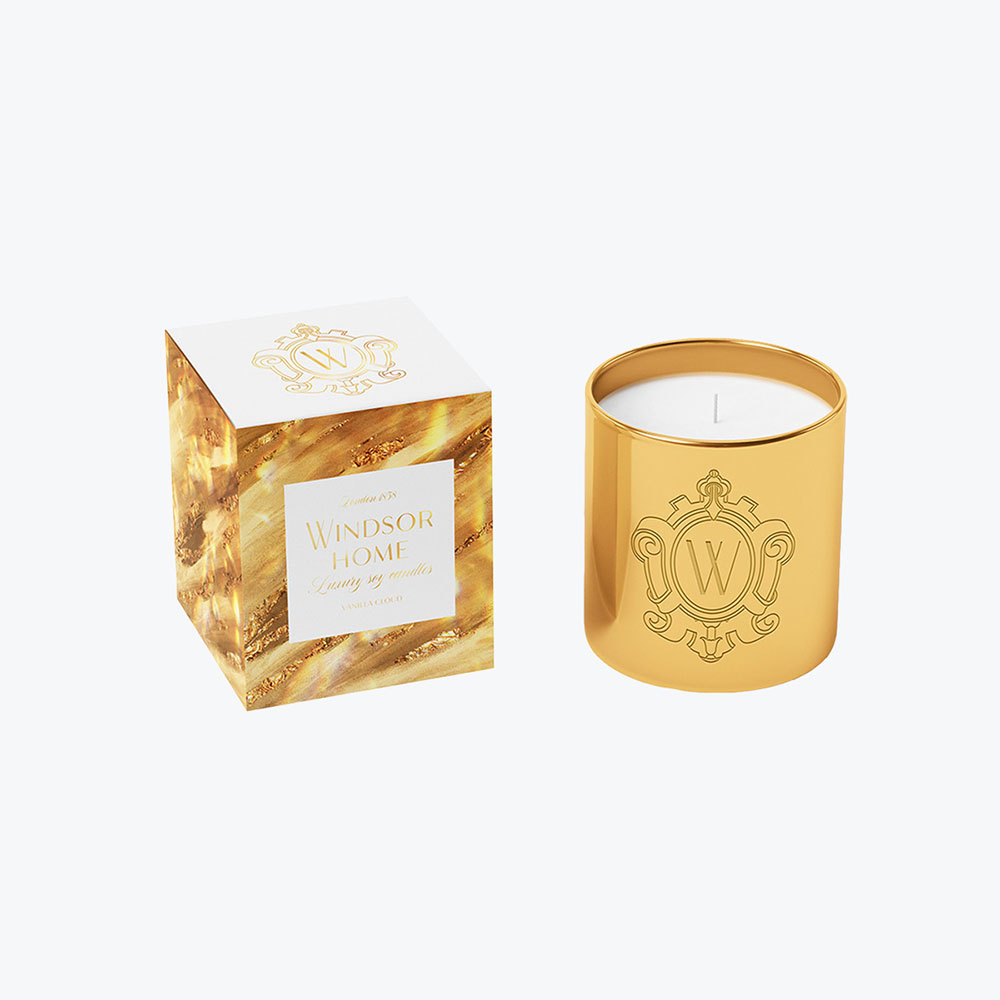
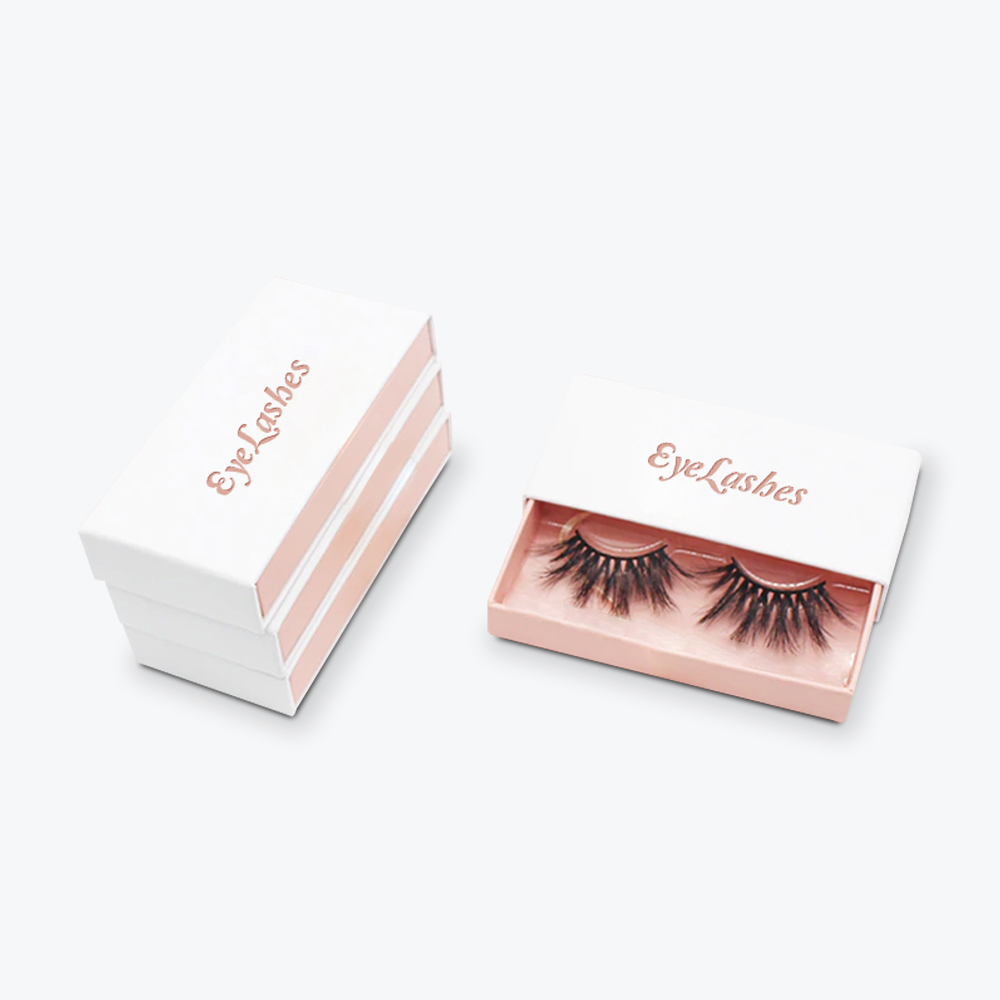
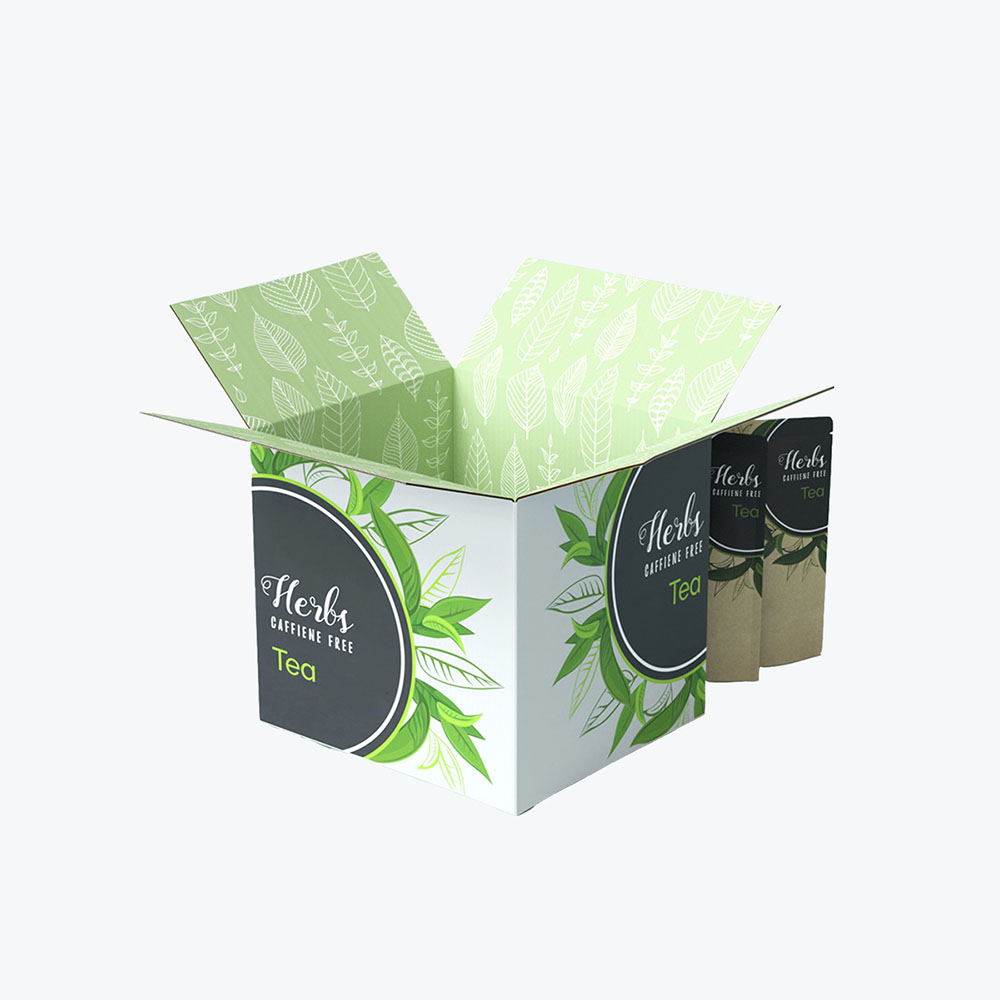
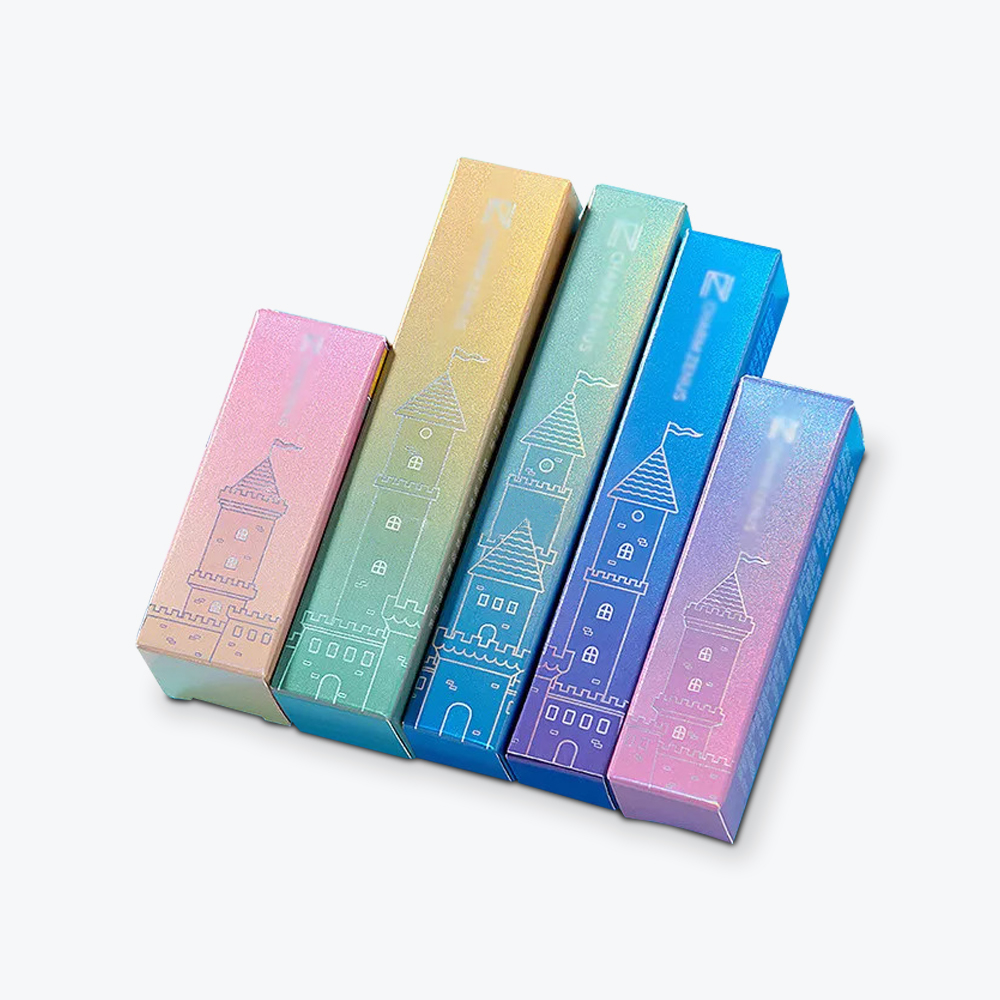
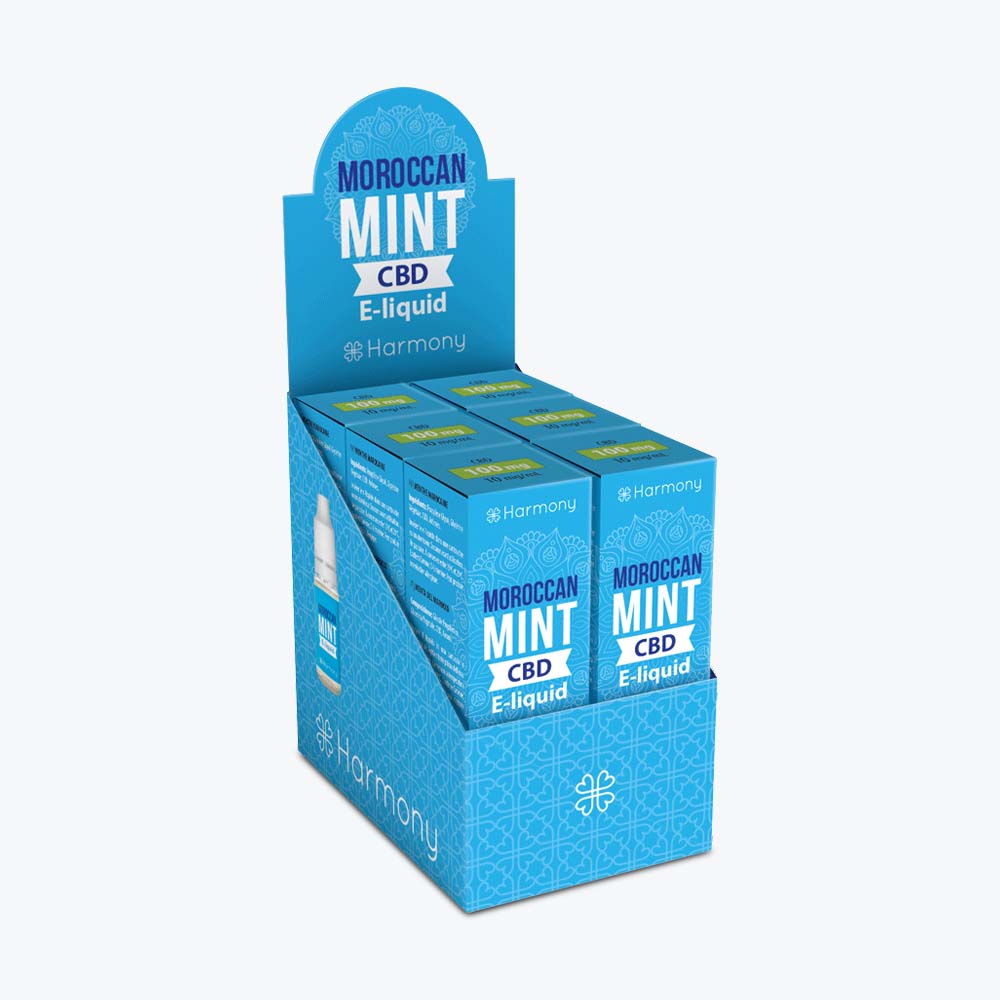
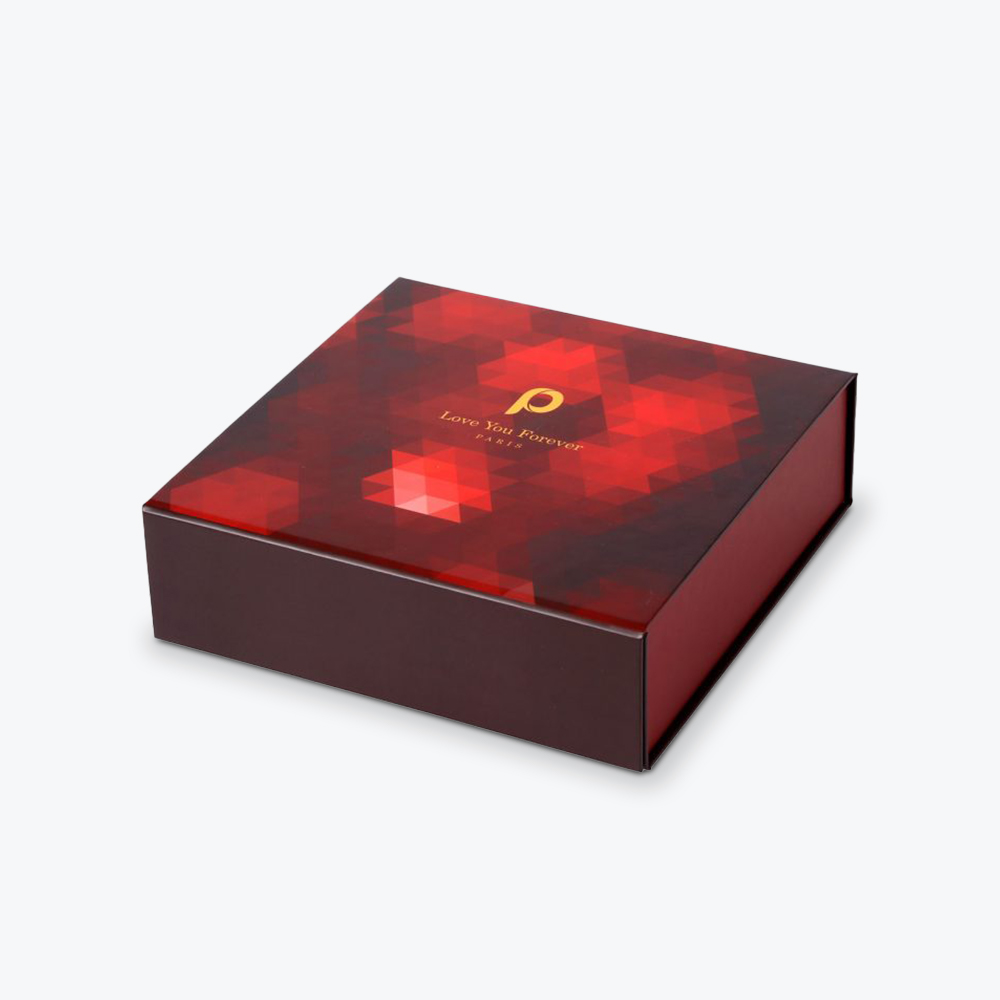
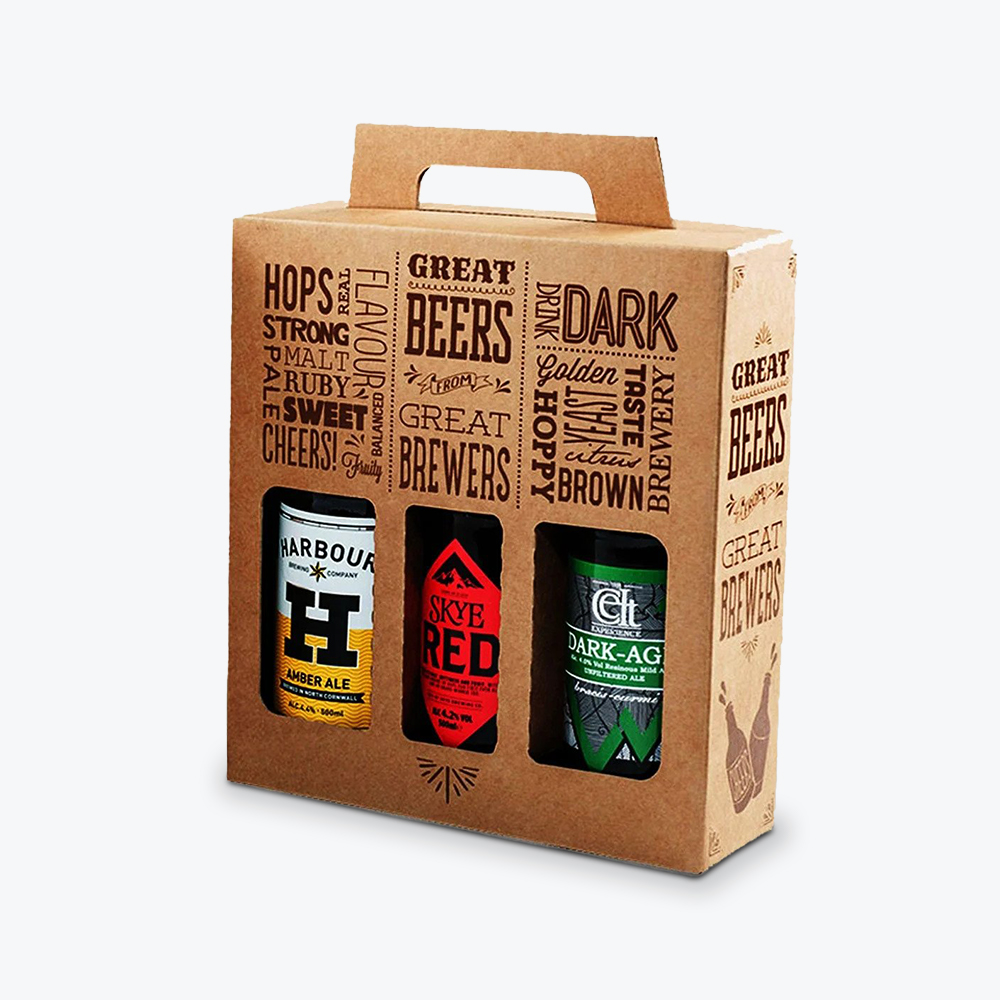
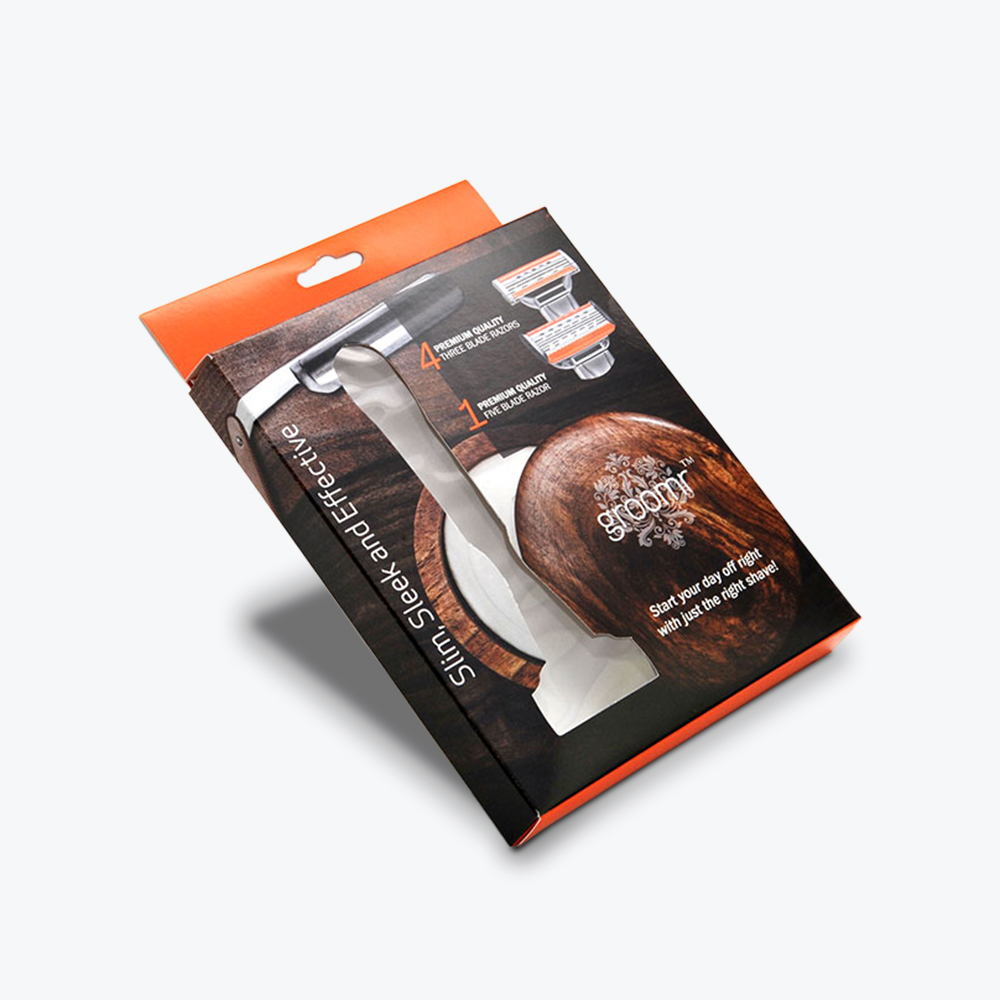
By contrast, custom packaging is built around your exact product and brand. Custom designs can be tailored to specific product and branding needs, taking into consideration your specifications for size, print, material, insert, finish, and structure. Custom packaging allows for unique designs that can help products stand out on store shelves.
For example, you can head to your local craft store and pick up a few stock packaging boxes in the packaging aisle to hold your products. But, is that how you’d want to present your brand to both current and potential customers?
The differences between custom vs stock packaging also affect more than aesthetics. UPS and FedEx both make clear that package dimensions directly affect dimensional weight, which means oversized boxes can raise shipping costs even if the product itself is light.
For a quick rundown:
Stock packaging is faster, simpler, and often a lower-cost starting point.
Custom packaging gives you a tighter fit for your preferences, a stronger brand image, and more control over the full customer experience.
The best packaging solutions depend on how much speed, flexibility, and presentation matter to your business.
Here’s where many businesses find themselves at a crossroads. Stock boxes usually win on day-one spending because there are no tooling or mass production fees, fewer artwork charges, and often no strict minimum order quantity. That makes stock packaging a natural fit for small businesses, test launches, trade shows, and short-term promotions. Custom vs stock packaging has its own set of pros and cons, as well as packaging ROI that influences decision-making.
Where stock packaging wins in cost effectiveness
You avoid design and setup charges, as well as hidden costs that may appear with more customized orders.
You can buy in smaller runs or even without a formal minimum order, and you can easily walk in and grab your packaging from the store in case you run out.
You can move quickly with pre-made formats that are already sitting in inventory.
You reduce risk when demand isn’t that high, and they have a cheaper unit cost.
Where custom packaging starts to pay back
A better fit often means less material, less void fill, and lower shipping costs.
Tighter sizing can improve operational efficiency because packers spend less time improvising when preparing customer orders.
Better product protection can reduce damage and returns.
A stronger unboxing moment can give you better brand perception, brand recognition, customer trust, and repeat purchases over time.
FedEx explicitly notes that reducing excess packaging can reduce dim weight and shipping spend, while UPS recommends checking dimensions carefully to avoid charge corrections. USPS also enforces strict size rules based on length and girth, so oversize packaging can create fee issues even before the parcel moves. Here’s a quick table to gauge the more cost effective option for custom vs stock packaging.
Cost factor
Standard or generic packaging
Custom packaging
Upfront pricing
Lower cost, especially for bulk orders
Higher costs
Manufacturing process lead time
Faster
Slower
Fit
Standard, may need fillers or extra steps for product packing
Tailored to the product and more extensive range of fits
Brand impact
More limited
Higher
Best for
Testing, businesses looking to mass produce, small product launches, speed
Scaling, premium materials and positioning, deeper brand experience
What often gets missed in this conversation is the cost of inefficiency. A stock box may look cheaper on paper, but if it’s too large, needs extra filler, takes longer to tape up, or creates a higher chance of damage in transit, the real cost starts climbing fast. This is especially true for brands shipping at volume, where even small inefficiencies add up over hundreds or thousands of orders.
On the other hand, custom packaging options can create a smoother packing process because the product fits the box the way it is supposed to. That can mean less handling, fewer packaging materials, and a more predictable workflow for fulfillment teams.
Over time, that consistency has value. It reduces friction for your team, lowers the chance of shipping mistakes, and helps turn packaging from a necessary expense into a smarter operational tool. That’s what makes custom packaging stronger in the custom vs stock packaging debate.
Brand Impact and Perceived Value
Packaging is a silent salesperson. Before a customer uses the product, they see the box, feel the materials, read the print, and decide what kind of brand they are dealing with. A well-designed package can increase perceived quality, support brand recognition, and create a more memorable customer experience.
This isn’t just a theory. One of the most popular content formats on social media is unboxing videos, and creators take time breaking down almost every aspect of packaging cost comparison. They comment on the outer box, the inserts, the way the lid opens, the quality of the materials, and whether the whole experience feels thoughtful or cheap. In other words, packaging is part of the content now.
Take, for example, how most people recognize Apple. Shopify’s unboxing experience analysis points out that Apple even patented aspects of its packaging, including the signature “slow slide” effect when opening the box. That design choice helped turn the packaging itself into part of the brand experience. It’s one reason Apple unboxings became a category of content on their own. The box communicates premium value before the device is even used. For brands selling online, that’s the big takeaway.
Here are the main benefits of providing good packaging:
Better packaging can create a lasting impression and lead to increased sales.
Better presentation can strengthen brand loyalty and solidify the brand’s future for businesses aiming to scale.
Better fit, custom shapes, and finishing can make a product stand out on the shelf or in an unboxing video, plus it streamlines operations when packing.
Better materials can support your brand’s vision and sustainability goals at the same time.
This is especially true for luxury products, cosmetics, retail gifts, and DTC launches, where premium packaging solutions affect the way customers talk about the product, and you get better custom packaging ROI. And if sustainability matters to your target audience, custom vs stock packaging choices play a visible role there, too.
PwC’s 2024 consumer survey found shoppers were willing to pay an average 9.7% more for sustainably produced or sourced goods, and eco-friendly materials ranked among the sustainability features that most influence purchasing. McKinsey’s 2025 packaging research similarly highlights how strongly packaging sustainability still shapes consumer views, even in a price-conscious market.
That is why the cost of custom packaging vs stock can be worth the extra spend when the box is part of the product story.
Which Option Is Right for Your Business?
The right answer for custom vs stock packaging depends less on what sounds more premium and more on what your business actually needs right now.
If speed, flexibility, and lower upfront spend matter most, standard packaging solutions are usually the smarter choice. It works well for newer businesses, product testing, limited runs, seasonal launches, and brands that need to move quickly without committing to a large minimum order quantity. If your product is simple, durable, and doesn’t need a lot of structural support, stock packaging can do the job without creating unnecessary costs.
But if you’re thinking longer-term, custom packaging starts to make more sense. It gives you a better fit, more control over presentation and digital printing, and more room to strengthen your brand identity. It can also help reduce wasted space in the box, which matters because carriers charge based on package dimensions as well as weight. Both FedEx and UPS explain that dimensional weight pricing uses package size to calculate billable weight, so oversized packaging can cost more than it needs to.
A simple way to decide between custom vs stock packaging is to look at these five questions:
How much volume are you shipping? If you’re shipping in low or unpredictable quantities, stock boxes are often the safer bet. If your volume is steady, custom packaging can be easier to justify.
How important is the unboxing experience? If the box is part of how customers judge your product, custom packaging is doing more than just holding the item. It’s part of the custom packaging ROI.
Are you wasting space or filler? If your current packaging needs a lot of void fill, tape, or workarounds, that’s usually a sign there’s room to improve.
How fragile is your product? Products that need better protection often benefit from custom inserts, better sizing, and stronger structure.
Are you building for growth or just for right now? Stock packaging is great for getting started. Custom packaging is often what brands move into once they want more consistency and efficiency.
There’s also a middle ground that a lot of businesses overlook. Some brands use stock boxes for shipping and add custom labels, sleeves, inserts, or printed tissue to improve presentation without going fully custom right away. That can be a practical bridge if you want better branding but still need to manage tight budgets.
The Bottom Line on Custom vs. Standard Packaging
The real takeaway from the custom vs stock packaging debate is that the cheaper option is not always the more valuable one.
Standard packaging usually wins on speed, convenience, and lower upfront packaging cost comparison. It makes sense when you need packaging fast, want to keep commitments low, or are still figuring out product demand. Custom packaging ROI, on the other hand, often delivers more value over time through stronger branding, better fit, improved product protection, and more efficient shipping.
That matters more than ever because packaging now does double duty. It has to protect the product, but it also shapes how customers see the brand. And in a market where presentation, sustainability, and efficiency all influence buying decisions, that extra thought can pay off. PwC’s 2024 consumer survey found that shoppers were willing to pay an average 9.7% more for sustainably produced or sourced goods, with eco-friendly packaging among the attributes that influenced purchasing most.
So the better question when doing packaging cost comparison and choosing between custom vs stock packaging is not “Which costs less?” It’s “Which option supports where my business is going?”
If you need fast, flexible packaging for today that’s priced less per unit, stock may be the right move. If you’re investing in a stronger brand image and smarter long-term operations, the custom packaging ROI made with the right materials may be worth far more than their initial price tag.
Contact us today to get started with a free quote for your perfect packaging solution.
Amanda is a professional writer and brand strategist at Refine Packaging who is based in Los Angeles, California. With a background in writing and journalism, Amanda entered the manufacturing industry 6 years ago to explore her unique passion for beautifully conceptualized packaging. With years of packaging experience, Amanda has a deep understanding about how brand psychology and box design trends impact emotions and desired actions. When she’s not writing, Amanda can be found snuggling her two Beagles or outdoors sipping on sparkling white wine.









 Alex Jasin

 Amanda Jane Rivera

 Asif Muhammad

 Erica Campbell



.svg)
Share