How many times did you choose a certain product over another one just because the former has attention-grabbing packaging? Or how often did you stop in your tracks just to admire customfood packaging?
Custom food packaging goes beyond just being a pretty box. It’s often the first touchpoint, the first impression your brand makes, even before a customer takes a single bite or sip.
Whether you’re a small-batch coffee roaster shipping coffee containers across the country or a regional restaurant chain stacking food boxes on retail shelves, the packaging you choose shapes how customers perceive your product and business. It keeps food fresh, protects contents during delivery, and makes your brand impossible to forget.
I’ve spent a lot of time looking at what separates packaging that sells from packaging that’s simply functional. The answer, almost always, comes down to three things: safety, design, and sustainability. Get all three right, without compromising functionality, and you’ve got a genuine competitive advantage in the food industry, one that keeps customers coming back and puts your products at the top of every display line.
In this guide, we’re going to walk through everything you need to know about custom food packaging and custom beverage boxes, from FDA compliance and materials to design strategies that grab attention, to the eco-friendly options today’s consumers are actively looking for.
Why Packaging Matters in Food and Beverage Packaging
Think about the last time you walked down a grocery aisle and grabbed something on impulse. Odds are, the product packaging caught your eye before you read a single word on the label. That’s the real power of smart food packaging supplies: they frequently draw more attention, communicate brand identity instantly, and make a lasting impression that’s hard to shake.
Good food packaging boxes help you:
Protect products during transport and storage
Preserve freshness and maintain food safety
Nurture brand recognition
Communicate brand values and quality
Stand out on crowded retail shelves
Encourage repeat purchases and build customer loyalty
For manufacturers, restaurants, beverage companies, and small businesses alike, packaging isn’t just a container. When done right, it’s also a powerful storytelling tool.
Common food and beverage packaging include:
Kraft product boxes
Corrugated boxes
Rigid boxes
Flexible pouches
Glass or metal containers
Tubes and sachets
Each format serves a different purpose. For example, custom flexible pouches are widely used for snacks, coffee, and dry goods because they offer lightweight material, a highly printable surface, and strong moisture and oxygen barriers that keep these products fresh.
Benefits of Custom Food Packaging
Custom beverage boxes, custom food boxes, and food packaging containers all tell people who you are and why your product is worth choosing. Are you a premium brand obsessed with quality? Or a fun, approachable company that makes everyday meals feel special? Your packaging answers that question before anyone even opens the flap.
And the stakes couldn’t be higher. The food and beverage industry, which isestimated to grow to about $1.8 trillion by 2030, is fiercely competitive. Products compete for limited shelf space, delivery clicks, and precious seconds of consumer attention.
According to apaper published in the Tenth International Symposium GRID 2020, packaging only has between two and three seconds to convince buyers, with over 60% of purchasing decisions being influenced by packaging.
Beyond aesthetics, great packaging builds trust and also shapes how consumers perceive your product. When consumers see a product that is cleanly packaged and clearly labeled, they assume the company behind it holds itself to a high standard.
For instance, a brand with a visually attractive product chooses to showcase it using transparent packaging. This is a smart move because, perresearch published in Food Quality and Preference, packaging with a transparent element was perceived as more trustworthy and received better consumer preference scores compared to plain, opaque packaging. Moreover, transparent packaging can help boost product trust, as well as perceived product quality.
Transparency, in terms of companies being open about where they source their ingredients and their product’s impact on consumers and the environment, as well as authenticity and accountability, are also important to building consumer trust,Glion reported. Businesses can leverage custom packaging, designing it so they support your transparency goals.
Packaging also serves a practical purpose in restaurants and food service areas.
Takeout boxes, cups, and bags are walking advertisements every time a delivery driver carries them to a customer’s door. Done well, they generate organic brand awareness. Done poorly, and they create a poor first impression that your food has to work overtime to overcome.
Key Elements of Food-Safe Packaging Materials
Attractive packaging is important, but safe packaging, or packaging that doesn’t contaminate food, is non-negotiable. The safety of your products depends directly on the materials, durable construction, preservation (proper barriers and seals), traceability, and compliance standards of your packaging.
Here’s what every brand needs to understand.
FDA Compliance and Materials
In the United States, any material that comes into direct or indirect contact with food isregulated by the FDA as an indirect food additive under Title 21 of the Code of Federal Regulations (21 CFR).
The requirements are established in Part 174, with material-specific rules for adhesives, coatings, paper and paperboard, and polymers covered in CFR 174–179.Under 21 CFR § 174.5, any substance used in food-contact articles must be of “a purity suitable for its intended use.”
In practical terms, this means food manufacturers must verify that every component of the custom food packaging, from the board and coatings to the inks and adhesives, has been authorized for food-contact use or approved by the FDA.
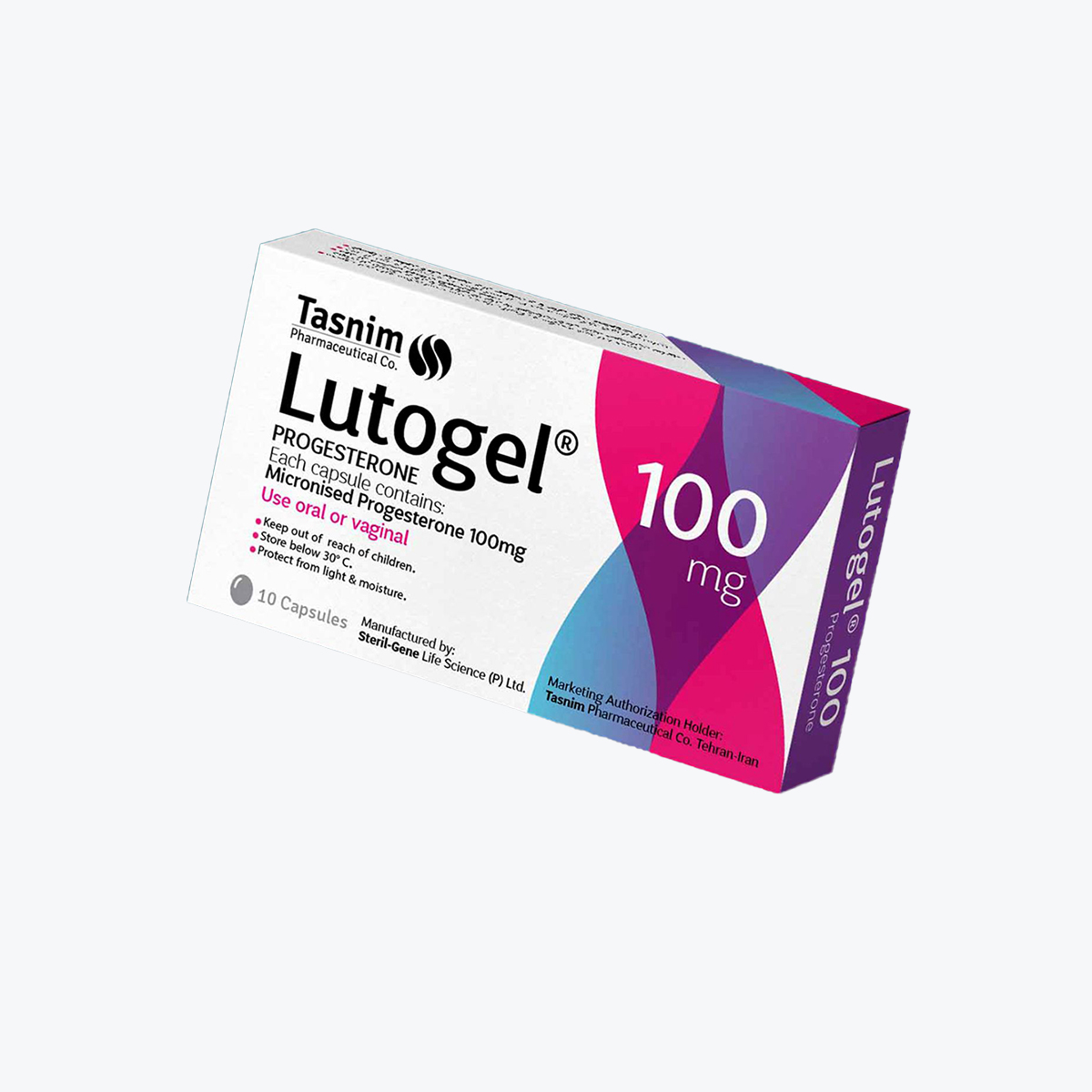
Regulatory compliance also requires packaging to clearly display nutritional facts, ingredients, and allergen warnings when applicable. These labeling elements are mandated by the FDA to protect consumers and ensure transparency throughout the supply chain.
Food-safe and FDA-compliant solutions commonly include:
Food-grade paperboard andcorrugated cardboard. The backbone of most food boxes and food packaging boxes used in retail and delivery.
PE-coated paper. Excellent for moisture resistance, used widely in coffee containers and sandwich wrappers.
Kraft paper.Kraft paper is a sustainable option ideal for dry goods, sandwiches, andbakery items.
Food-grade plastics. Still used for cold drinks, dairy, and produce, though eco-friendly alternatives are rapidly replacing them.
Food-grade Mylar and foil laminates. Essential fortea,coffee, and snacks that need safeguarding from light, air, and moisture to keep items fresh.
Working with a packaging partner that understands FDA compliance is critical. Using non-compliant materials, even unknowingly, can lead to contamination risk, product recalls, and serious legal and reputational consequences.
Per the FDA, companies planning to use food contact substances, or substances coming into contact with food during packaging or handling, must ensure that these are FDA-authorized before marketing their products in the country.
Always confirm that your food and beverage packaging boxes are certified food-safe before production begins.
Moisture and Heat Resistance
Moisture and humidity are constant concerns in food-safe containers. Different products have different needs when it comes to packaging, which can also impact their shelf life.
PE-coated boards and laminated materials have oil-resistant and water-resistant properties, which provide excellent protection in humid environments. For cold drinks and beer, condensation is an added challenge. Custom beverage boxes often use structural reinforcements and moisture-resistant coatings to stay durable even in cold, wet conditions.
Heat resistance matters just as much for hot meals in delivery and restaurant contexts. Food-safe coatings prevent grease and heat from compromising the structural integrity of food and beverage packaging boxes, while double-wallcorrugated boards provide insulation for temperature-sensitive items, protecting both the product and the consumer.
Cardboard food packaging is available in different thicknesses and board grades, allowing manufacturers to select the right strength for delivery, takeout, or retail.
Design Ideas That Attract Customers
Here’s wherecustom packaging, like flexible pouches,fast food shipping boxes, andcone sleeves, gets exciting. A great design doesn’t just look good but also works hard for your brand every time someone picks up your product.
Per research published in the Journal of Business Research, the visual appeal of your packaging’s design influences consumers’ purchasing decisions via visual clues. And creative packaging is one way to signal the quality and meaning of your brand, while nurturing consumer interest and improving their experience. What’s more, packaging attributes, like shape and color,can influence how consumers perceive or expect your product to taste.
Whether you’re building custom food boxes for a meal kit subscription or custom beverage boxes for a craft beer brand, thesedesign strategies consistently deliver results.
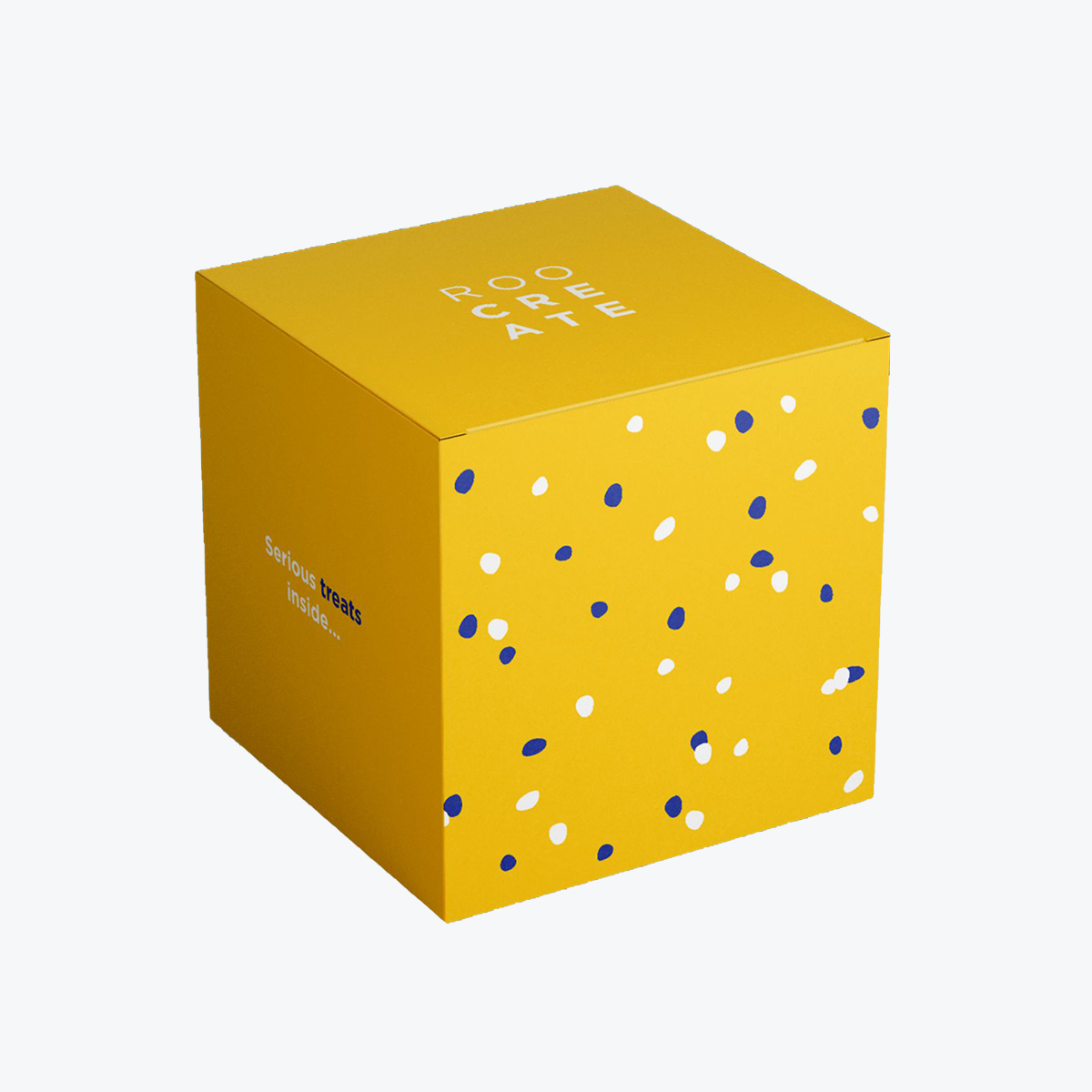
1.Lean into vivid colors.
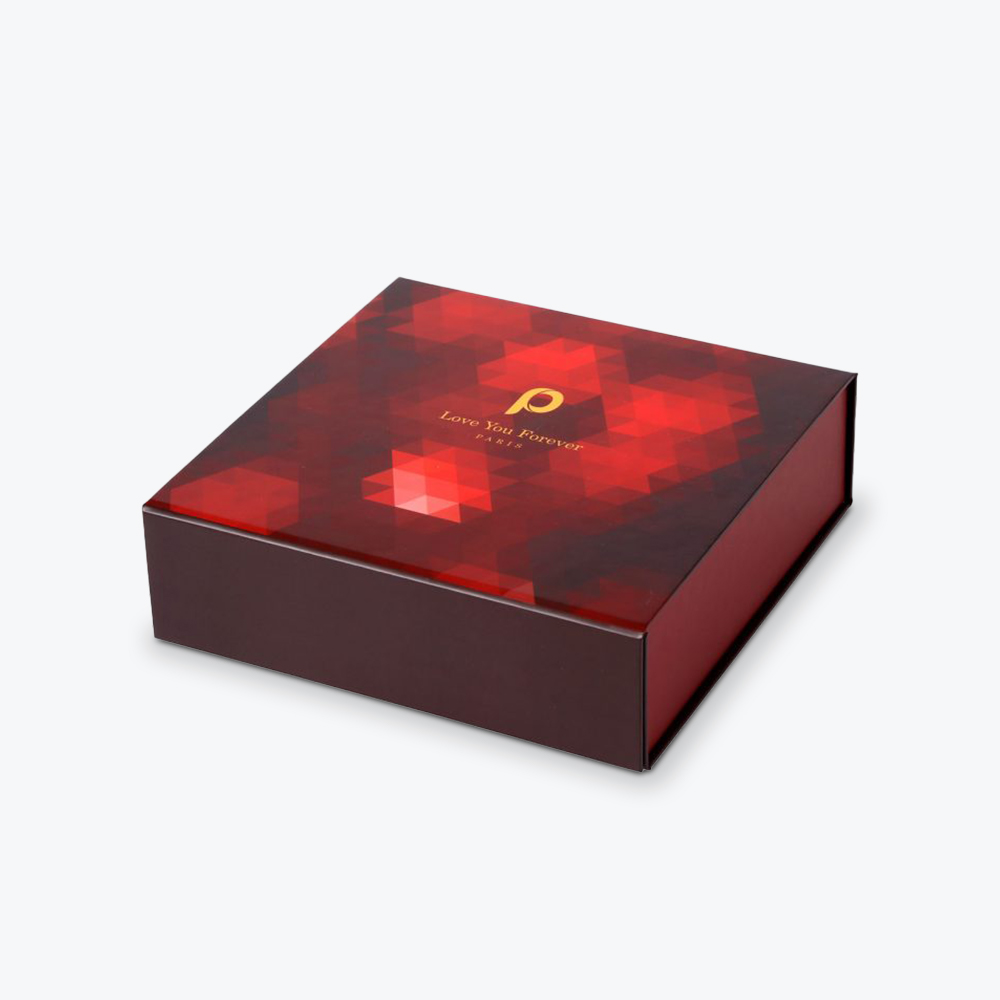
Color psychology is a powerful design principle. Bold reds and yellows signal energy and appetite. Think fast-casual restaurants and snack brands. Greens and blues communicate freshness and health, while earthy tones say natural and artisan. Your color palette should reflect your brand’s personality and the feeling you want customers to have when they hold your product.
2.Make your logo your centerpiece.
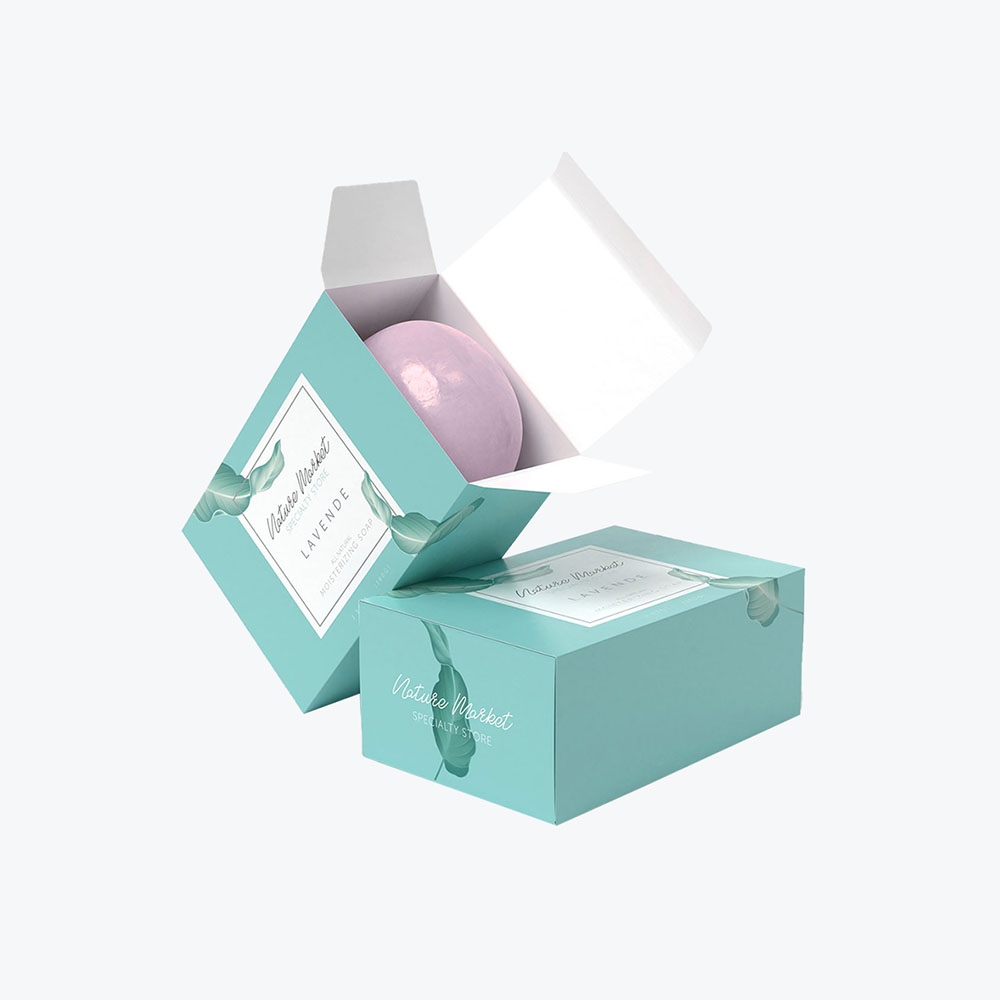
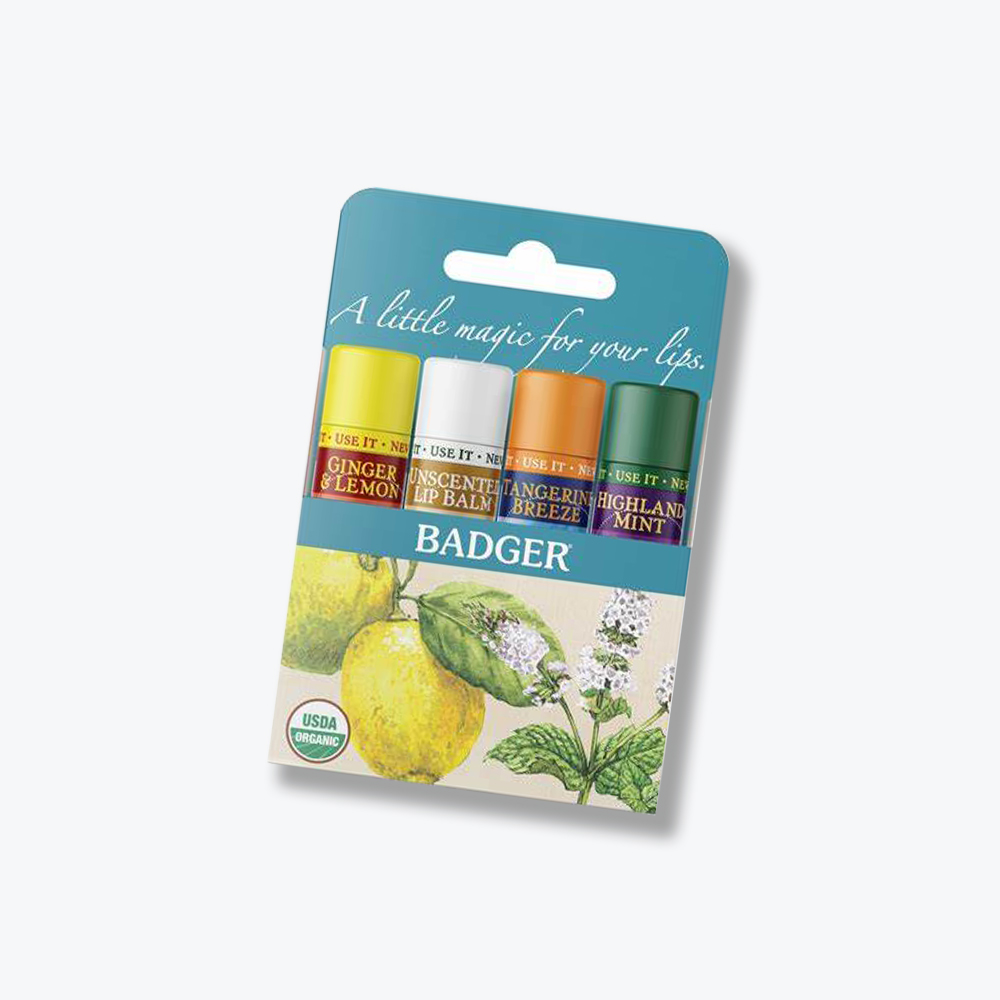
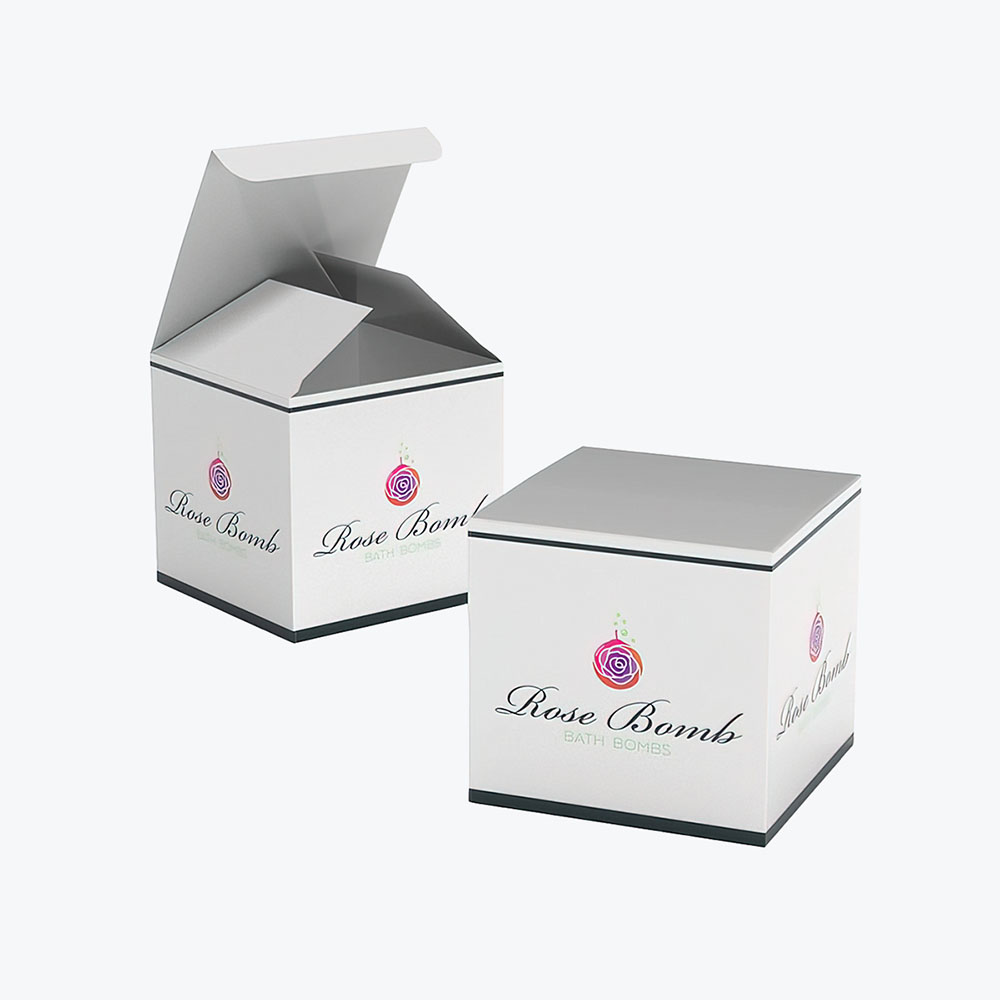
Your logo is the single most recognizable element of your brand.Custom food packagingshould feature it prominently, not buried in a corner. This is specifically important for food packaging boxes that appear on shelves next to dozens of competitors. If your logo doesn’t command attention, your product will get overlooked.
3.Tell your brand story.
Side panels of food packaging containers are valuable real estate. Use them to share something about your company, your values, how your product is made, or what makes it special. Consumers connect with authenticity, and food packaging is one of the few places where you have their complete, undivided attention.
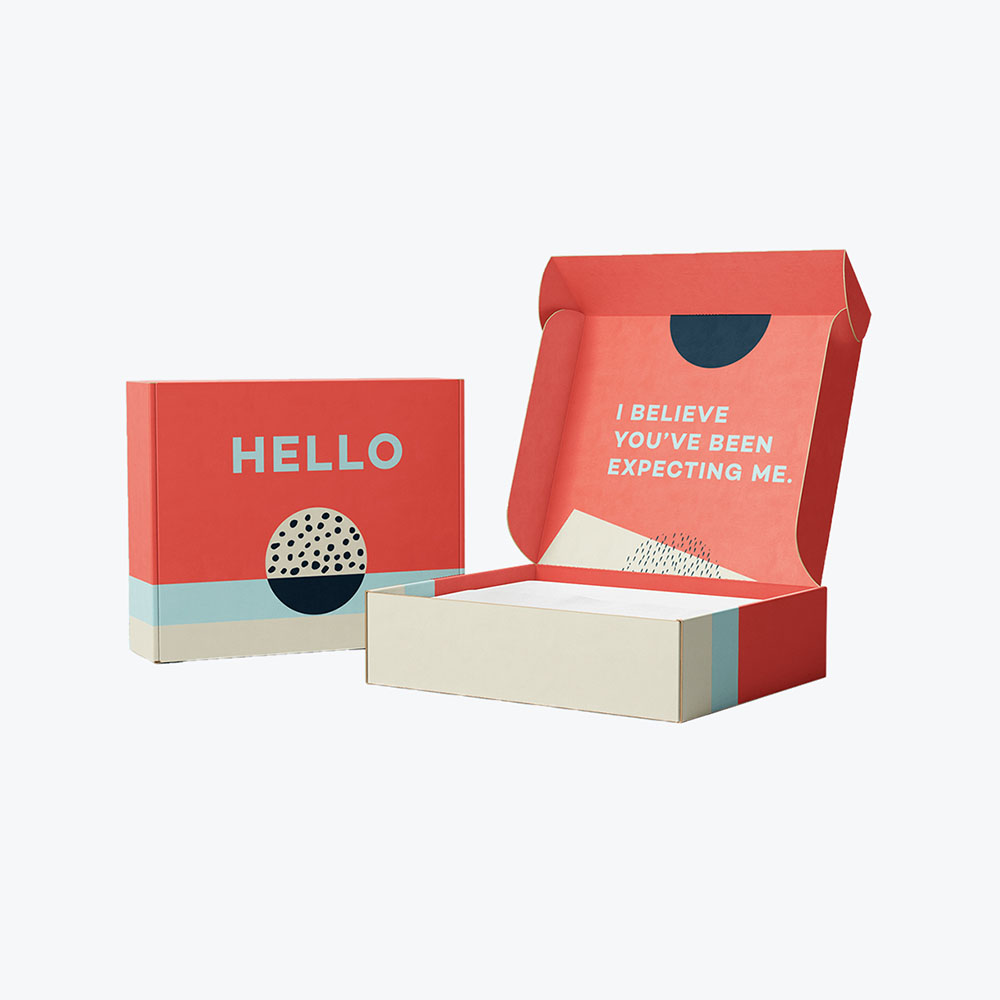
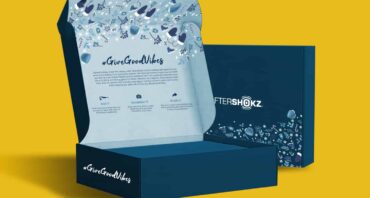
4.Invest in the unboxing experience.
If you’re shipping food products directly to consumers, the experience of opening the box matters enormously. Branded tissue paper, personalized inserts, and a clean, polished interior turn a routine delivery into a shareable moment.
5.Use custom size packaging.
One of the most underrated advantages of working with a custom food packaging provider is the ability toget a custom size box that fits your product perfectly. Ill-fitting packaging wastes space, impacts shipping costs, looks unprofessional, and increases the risk of damage during transport.
6.Print with purpose.
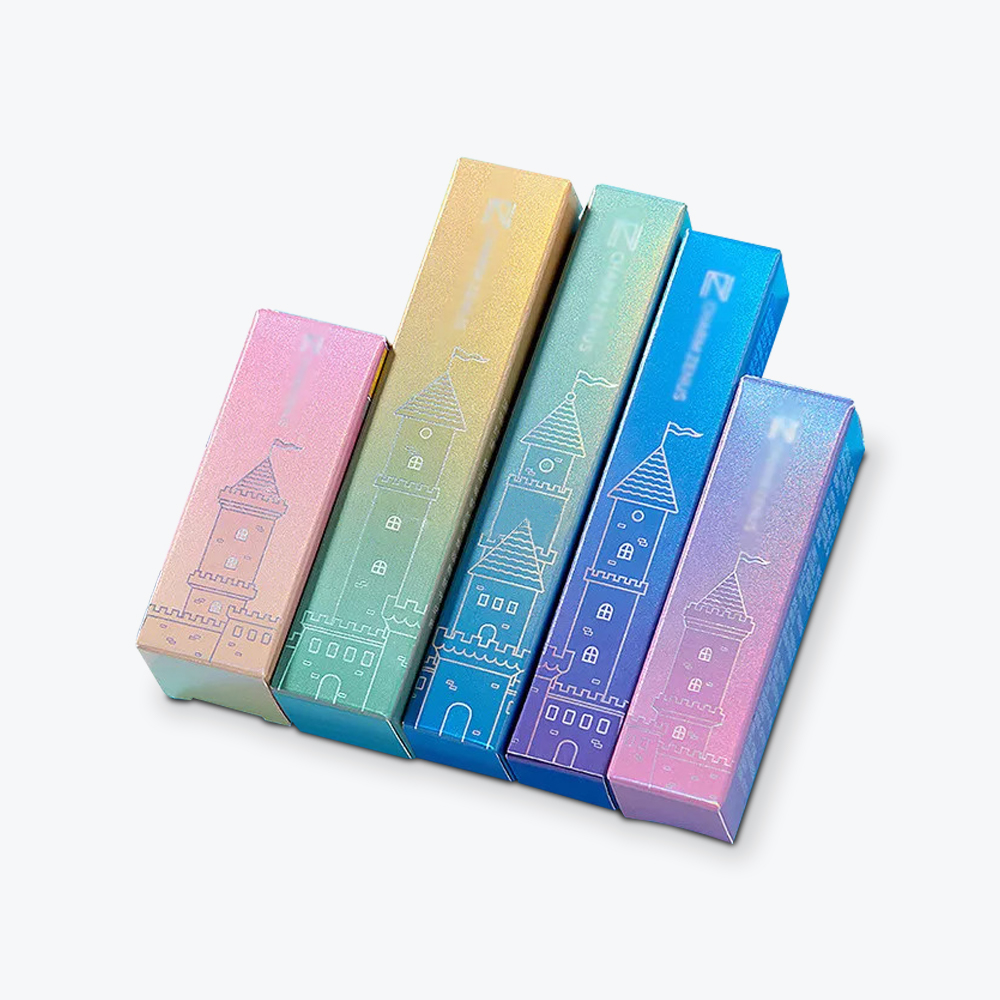
High-quality printing makes every food packaging design pop. Whether you’re using lithographic printing for a premium look or digital printing for short runs and variable designs, the right print technique can bring striking colors and sharp imagery to life.
7.Don’t overlook the practical design details.
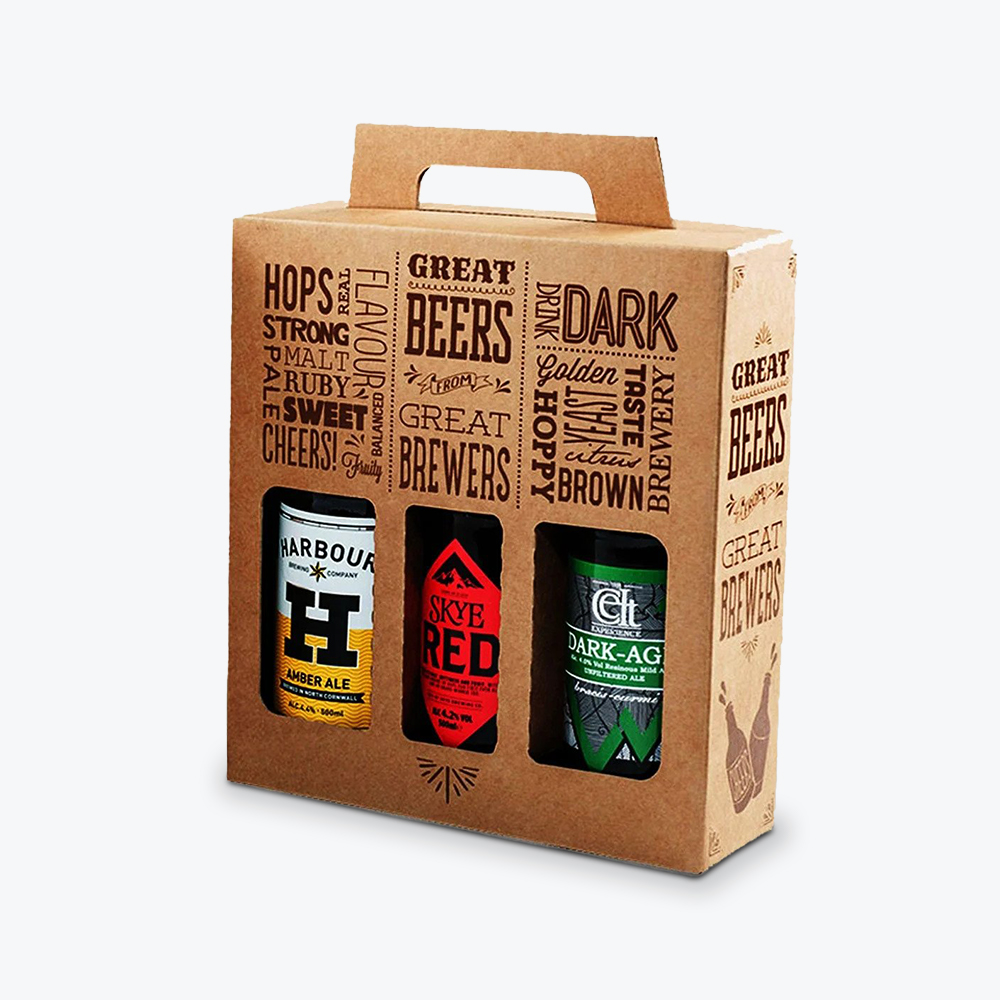
Resealable closures on bags, easy-open tabs on food boxes, and ergonomic handles on beverage boxes all improve the consumer experience in meaningful ways. Forwineand beer, for example, built-in handles and inserts that hold bottles securely add both functionality and a premium feel.
Sustainable Packaging Options
Sustainability has become a major priority in the food packaging industry. Many consumers prefer brands that useeco-friendly packaging materials and reduce waste.
In fact, per a2025 McKinsey survey, global consumers viewed recyclability as the “most critical sustainability trait.” Moreover, the survey found that consumers, particularly younger (Gen Z and millennials) and those with higher incomes, were more willing to pay more for sustainable packaging.
According to the Environmental Protection Agency, container and packaging waste accounted for a significant portion of municipal solid waste in 2018, accounting for82.2 million tons generated.
If your containers aren’t moving in a sustainable direction, you’re leaving customers and market share on the table.
Why Make the Switch to Eco-Friendly Food Packaging Supplies
The good news is that switching to eco-friendly boxes doesn’t mean compromising quality or great design. Many sustainable food packaging supplies are just as attractive, durable, and functional as conventional options, and they send a powerful signal to consumers that your brand cares about more than just the bottom line.
Here are the best sustainable options for food and beverage packaging:
Recycled and recyclable materials. Most food packaging boxes and beverage boxes can now be manufactured from recycled content and designed to be fully recyclable.Corrugated cardboard is one of the most recyclable materials available. It can be reused multiple times before its fibers break down, making it a solid option for responsible food packaging.
Compostable packaging. Compostable alternatives to plastic are a game-changer, and break down under specific conditions, which can significantly reduce the environmental impact of food packaging.
Sustainable printing inks. Switching from petroleum-based inks to soy-, vegetable-, or water-based alternatives reduces the environmental impact of your printing process without sacrificing color quality. Vibrant colors and sharp imagery are still fully achievable with eco-conscious inks.
Minimalist packaging design. Less material means less waste. Minimalist custom food packaging uses only what’s necessary, which can help reduce your environmental footprint while also adding visual impact to your packaging.
Reusable and refillable packaging. For premium products like specialty tea and coffee, reusable packaging can be a genuine differentiator. Sturdy custom food boxes that customers keep and reuse create ongoing brand exposure long after the product is gone, and they can reduce the overall waste footprint of your products.
Best Practices for Storage and Shipping
Even the most beautifully designed custom food packaging and beverage boxes won’t deliver results if products arrive damaged or spoiled. Security and transport are the final test of your packaging, and the right design makes both significantly easier, safer, and more cost-effective.
Protect products during transport. Food items are vulnerable during the delivery process. They can be crushed, exposed to moisture, or damaged by temperature swings. Structurally sound food packaging with proper internal support, secure closures, the right cushioning, and temperature and moisture regulation capabilities helps keep food products safe every step of the way.
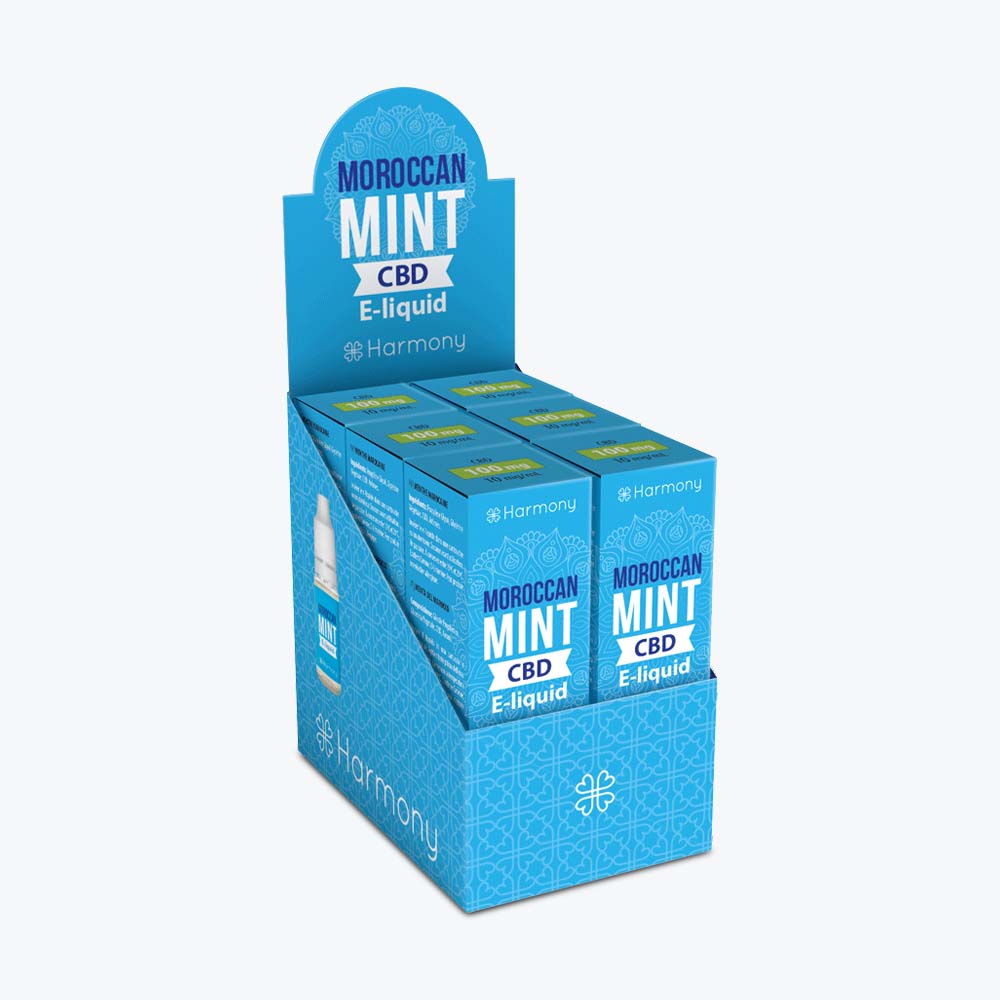
Design for stackability and space efficiency. Whether your products are heading to supermarkets or a warehouse, efficiency matters. Custom size packaging that stacks cleanly reduces containment costs and maximizes pallet efficiency. Having stable stacks of boxes also helps your warehouse team move inventory faster.
Label clearly and compliantly. Clear labeling is both a regulatory requirement and a practical necessity. Storage temperatures, handling instructions, expiration details, and allergen information all need to be easily readable. Integrating these details into your custom food packaging design, rather than using stickers, looks more professional and reduces the risk of labels peeling or fading while stored.
Handle temperature-sensitive products with care. Cold drinks, produce, dairy, and fresh meals all require special consideration during transport. Thermal liners, gel packs, and insulated beverage boxes are among the many options available for temperature-sensitive products. Talk to your packaging partner about which solutions are best suited to your specific product and delivery requirements.
One final note: Some packaging manufacturers offer free to low-cost samples (some only require you to pay shipping) of food and beverage packaging boxes. This is a great way to check and test its appearance, performance, and product compatibility. Many manufacturers also implement a minimum order quantity or MOQ for custom food packaging. Some may have an MOQ ranging from 1 unit to 100 units, depending on packaging type, while others have more flexible MOQs, and can run anywhere between 500 and 10,000 units. At Refine Packaging, our MOQ starts at 100 boxes.
Ready to Elevate Your Custom Food and Beverage Boxes?
At Refine Packaging, we work with manufacturers, restaurants, and beverage companies every day to design and produce custom food packaging that’s food safe, beautifully designed, and built to withstand life’s curveballs. Whether you need custom food boxes, eco-friendly packaging,custom beverage boxes, orspecialty food packaging containers, we have the expertise to bring your brand to life.
Great packaging is one of the most helpful investments you can make. It protects your products, elevates your brand, and keeps customers coming back. The quality of your food packaging also reflects the quality of your product and your company, so don’t leave that impression to chance.
Explore our full array of custom food packaging boxes, food packaging supplies, and beverage boxes, FDA-compliant packaging, orcontact us today to get started with a free quote or request a free sample kit.
Amanda is a professional writer and brand strategist at Refine Packaging who is based in Los Angeles, California. With a background in writing and journalism, Amanda entered the manufacturing industry 6 years ago to explore her unique passion for beautifully conceptualized packaging. With years of packaging experience, Amanda has a deep understanding about how brand psychology and box design trends impact emotions and desired actions. When she’s not writing, Amanda can be found snuggling her two Beagles or outdoors sipping on sparkling white wine.








 Alex Jasin

 Amanda Jane Rivera

 Asif Muhammad
 Erica Campbell


.svg)
Share