Quick Take: Why Product Type Should Guide Packaging
The right packaging starts with the product.
Food packaging needs to support freshness, food safety, leak prevention, and moisture resistance.
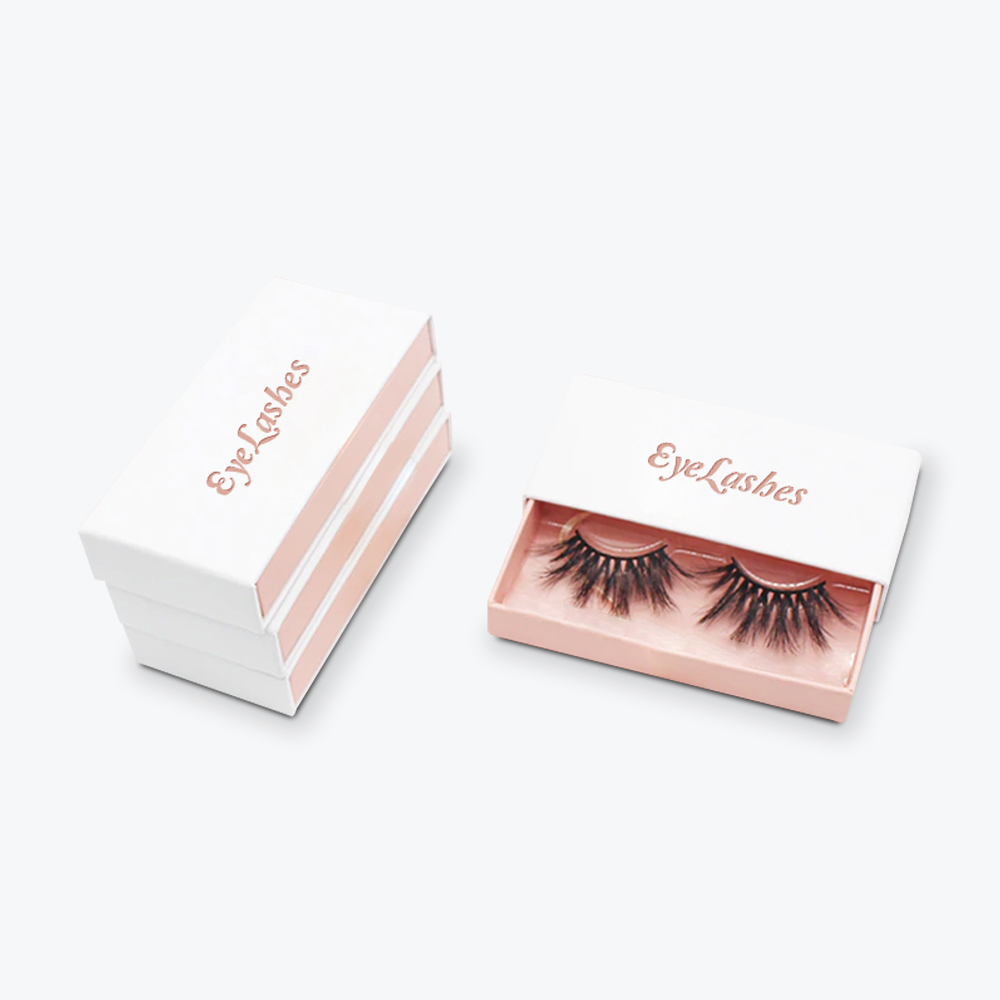
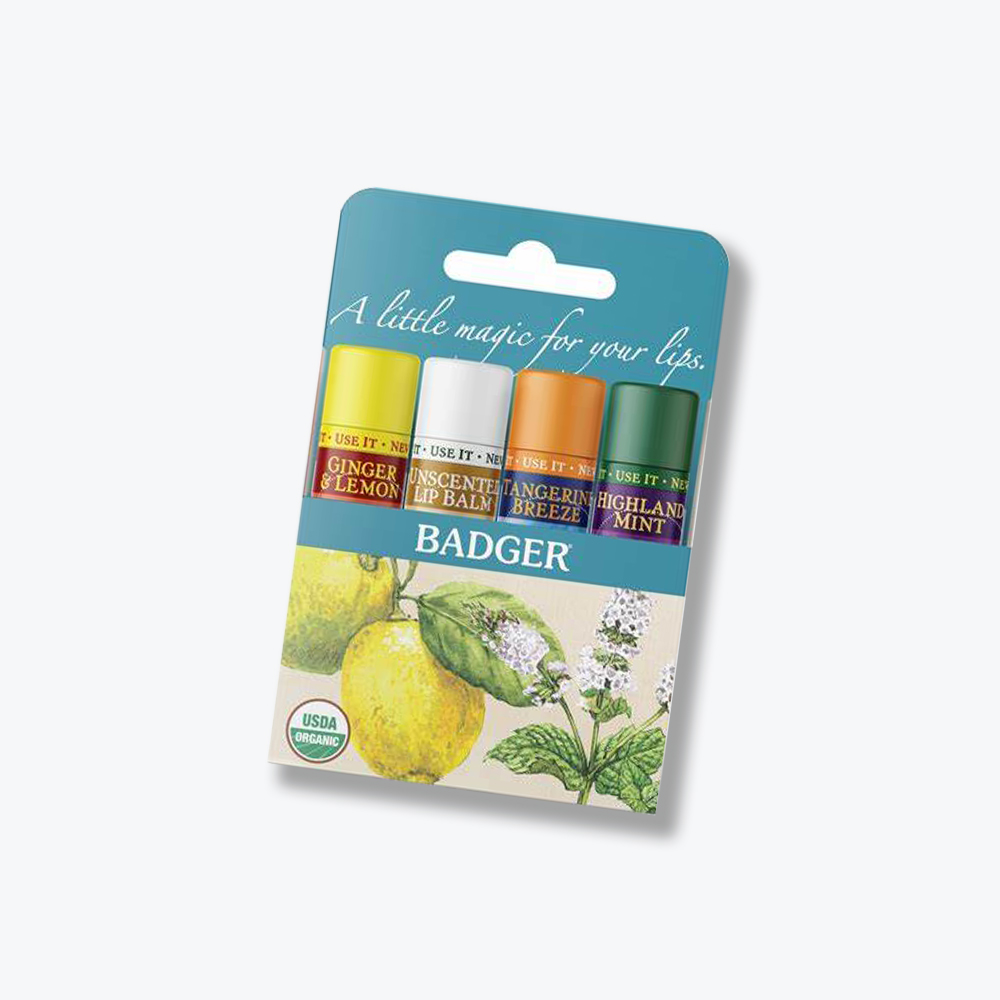
Beauty packaging often needs premium packaging solutions, clean printing, strong shelf appeal, and finishes like soft touch, embossing, or spot UV.
CBD packaging needs to feel trustworthy while also considering compliant labels, secure structures, and state-specific rules around cannabis packaging and CBD products.
Candle packaging needs durability, custom inserts, and protection for glass containers.
Subscription box packaging needs to create a lasting impression while staying practical for delivery and scale.
The product should determine the box, materials, printing, structure, and style. When packaging is crafted around the actual product, it can provide better protection, improve presentation, and create a more cohesive brand experience.
Food packaging, beauty packaging, CBD packaging, candle packaging, and subscription box packaging all have unique requirements, so the materials used need to be tailored to the product. Generic packaging is risky because one standard box might technically be a good container, but that doesn’t mean it protects products well, ships cleanly, or creates the right impression when opened. Great packaging should suit the product, the delivery process, the brand, and the customer experience.
This guide explores packaging by product type, including food packaging, beauty packaging, CBD packaging, soap packaging, candle packaging, ice cream packaging, subscription box packaging, and retail packaging. We’ll look at what each category needs, which packaging solutions usually work best, and how to choose custom packaging that can protect the product while helping the brand stand out.
Why Product-Specific Packaging Matters
Different products face different risks. Food can leak, melt, dry out, or absorb air and moisture, which can cause it to spoil. Beauty products can crack, spill, or lose their luxury appeal if the packaging feels flimsy. CBD and marijuana-adjacent products may need labels, warnings, or child-resistant formats depending on the market.
Product-specific packaging is essential because it helps a business match the packaging to four core needs:
Protection: The box, bags, containers, and inserts should protect the product during storage, shipping, and delivery.
Compliance: Regulated categories, including food, CBD, cannabis packaging, and some medical or wellness products, may need specific labels, materials, or handling considerations, which the FDA stipulates.
Branding: The packaging should match the company’s brand voice, market position, and customer expectations.
Shipping: The structure should withstand the delivery process without overpacking or making prices unnecessarily high.
Packaging also affects whether customers come back. Research found that 88% of consumers ranked packaging quality and product protection as a priority when it came to ecommerce packaging. That makes the point simple: it’s noticeable when packaging protects the product, and it’s also noticeable when it doesn’t.
Product-specific packaging gives brands many opportunities to improve the customer experience, but it doesn’t need to be a complicated process. Sometimes the best packaging option is simple, affordable, and easy to scale. As a rule of thumb, zero in on what the product actually needs before choosing the material, box type, finish, or display style.
Food Packaging
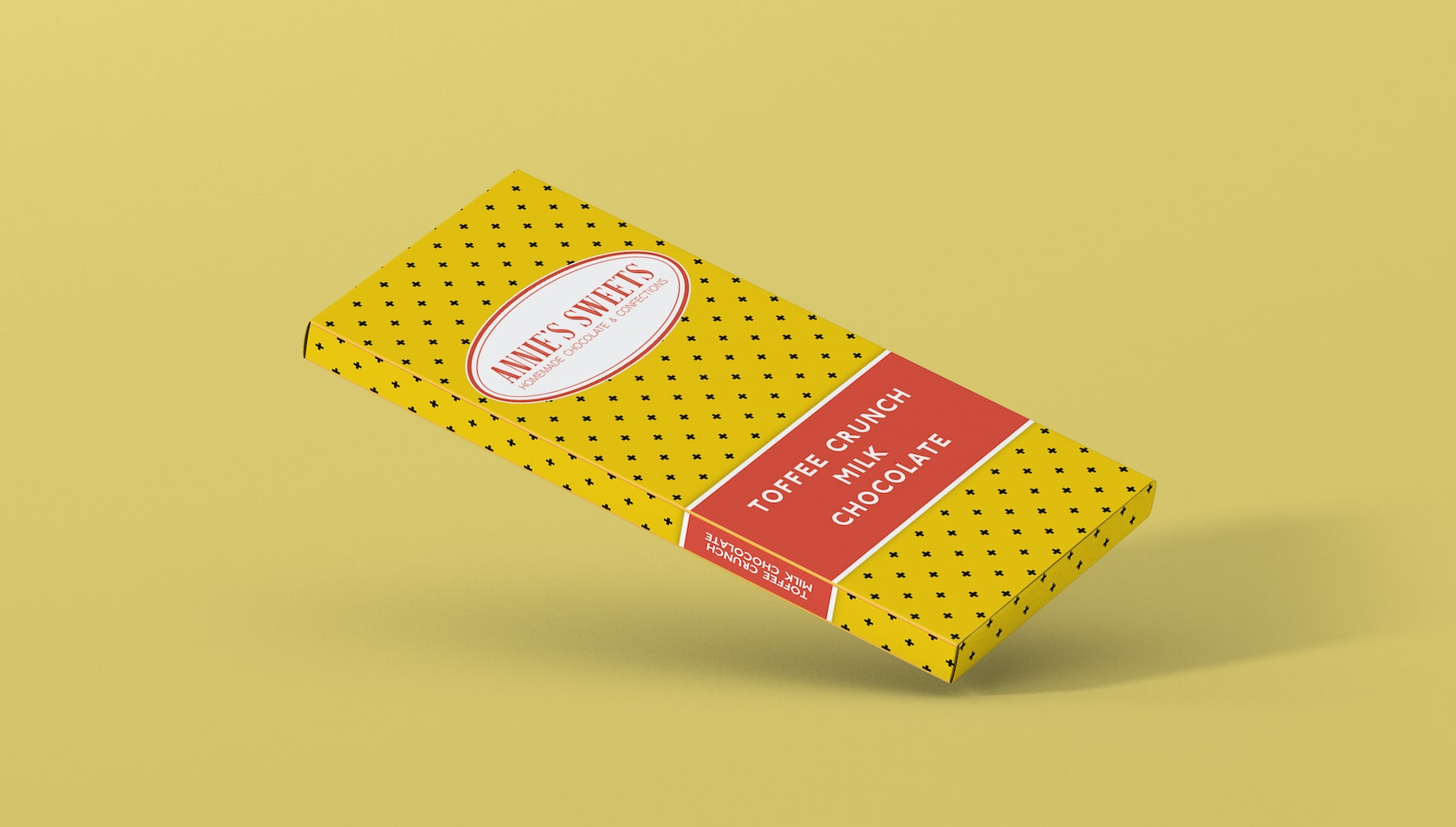
Food packaging has one clear job before anything else: protect the product. It needs to keep food fresh, reduce leakage, prevent contamination, and hold up through storage, handling, and delivery.
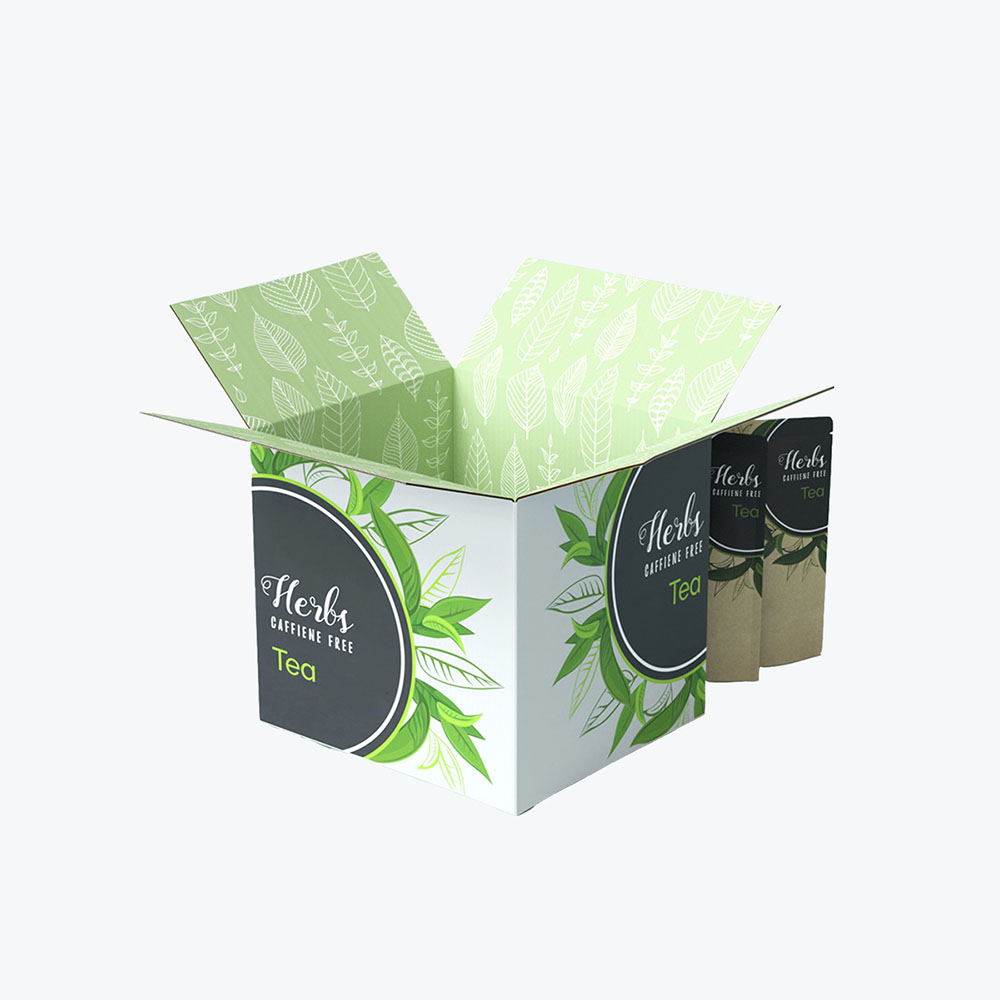
For baked goods, that might mean grease-resistant paper, bakery boxes, window boxes, or secure containers. For sauces, snacks, or prepared food, the packaging may need stronger seals, moisture control, or materials that can handle air exposure. For frozen items like ice cream, insulated packaging helps with temperature control. Meanwhile, leak-resistant containers and secondary protection for shipping reduce the risk of damage while the product’s in transit. Food packaging typically consists of primary, secondary, and tertiary layers.
Good food packaging should consider:
Food safety and suitable materials
Moisture, grease, and temperature control
Secure closures for delivery
Labels that clearly show product details
Packaging that keeps the product clean, intact, and easy to handle
The right box or container also depends on the type of food. Wet foods need material that will hold liquid and keep it from seeping through, while dry foods need to be able to keep their structural integrity. For certain food products, metal packaging offers excellent resistance to light, air, and pests. Glass containers are another common option since they’re hygienic and provide an impermeable barrier.
For brands selling in stores, food packaging also has to help the product rise above the rest. Strong artwork, vibrant printing, and clear labels can make a big difference when the product is displayed next to direct competition.
Beauty and Cosmetics Packaging
Beauty packaging needs to protect the product and sell the feeling behind it. Customers expect skincare, makeup, fragrance, and wellness products to feel polished before they even open the box, as reiterated by Mintel’s data.
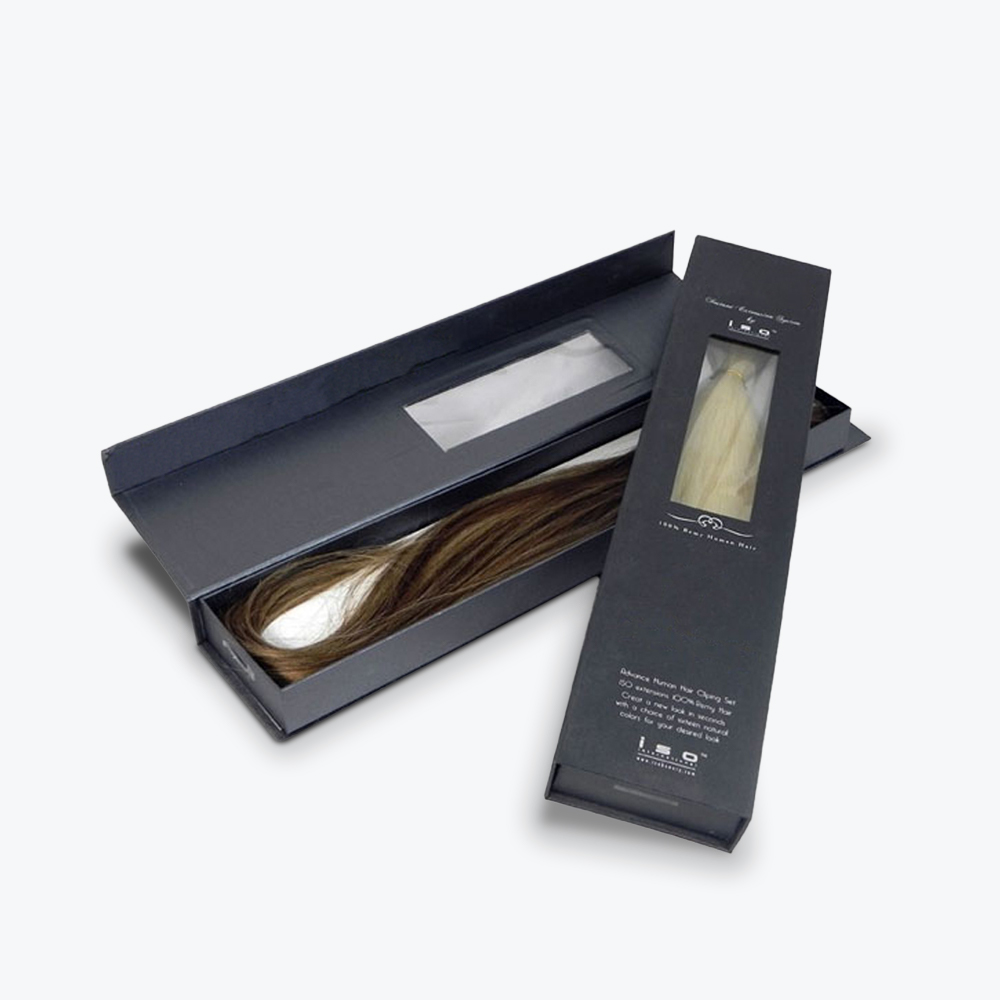
This is where structure, finish, and style matter. Folding cartons work well for everyday cosmetics, and inserts can protect breakables, bottles, tubes, and delicate containers. Finishes like soft touch, embossing, foil, and spot UV can showcase the surface without making the design feel overdone. Meanwhile, layered packaging, branded tissue paper, sleeves, or custom inserts can make the unboxing experience more intentional.
Effective beauty packaging often includes:
Strong shelf appeal
A polished unboxing experience
Premium feel for higher-end products
Custom inserts for fragile containers
Printing that keeps artwork clean and precise
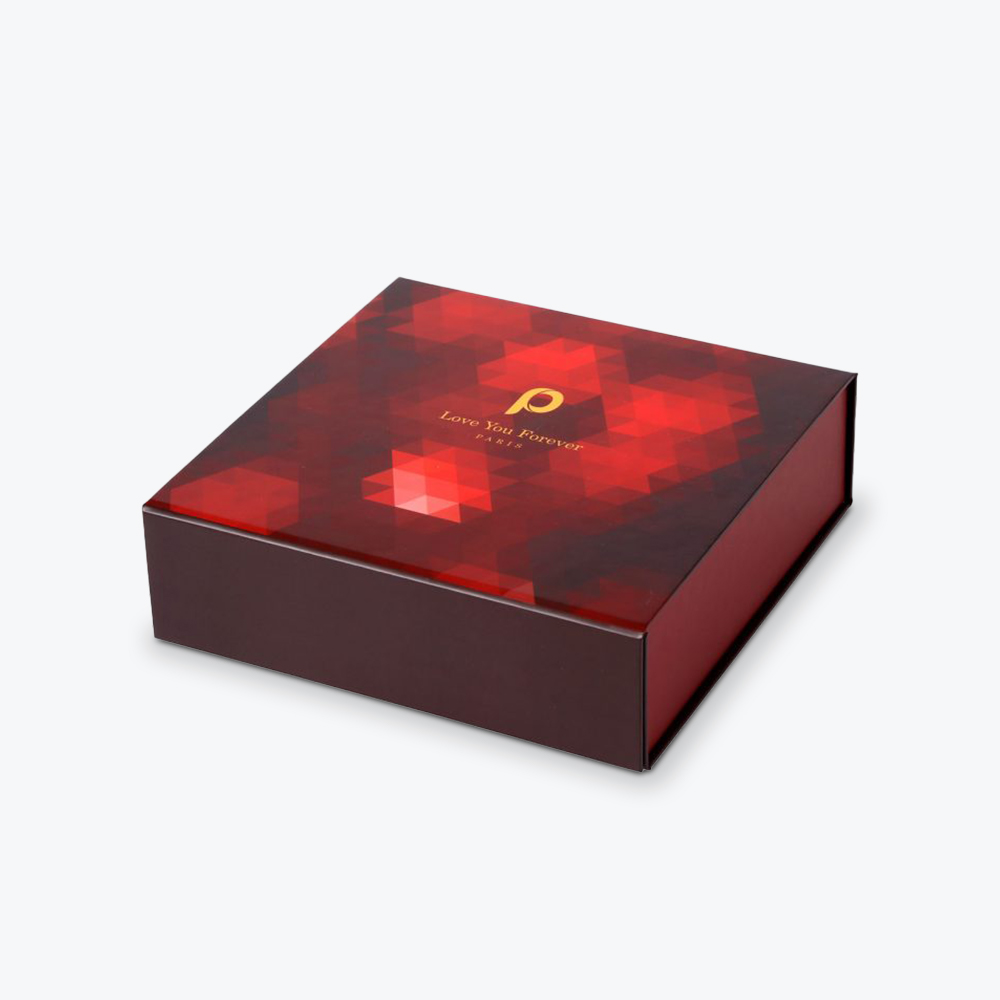
A beauty box should feel aligned with the product. When choosing materials and finishes, draw inspiration from your brand identity. A clinical skincare brand may need a minimal, clean design. A colorful makeup brand may need bold artwork and vibrant printing. A luxury fragrance brand may opt for rigid packaging, embossing, and a soft-touch finish to create a more premium first impression.
The biggest mistake is choosing style without considering durability. A box can look great, but if it dents easily or fails during delivery, customers will remember the miss. Refine Packaging’s guide tocosmetic packaging design is a useful next read for brands in this space.
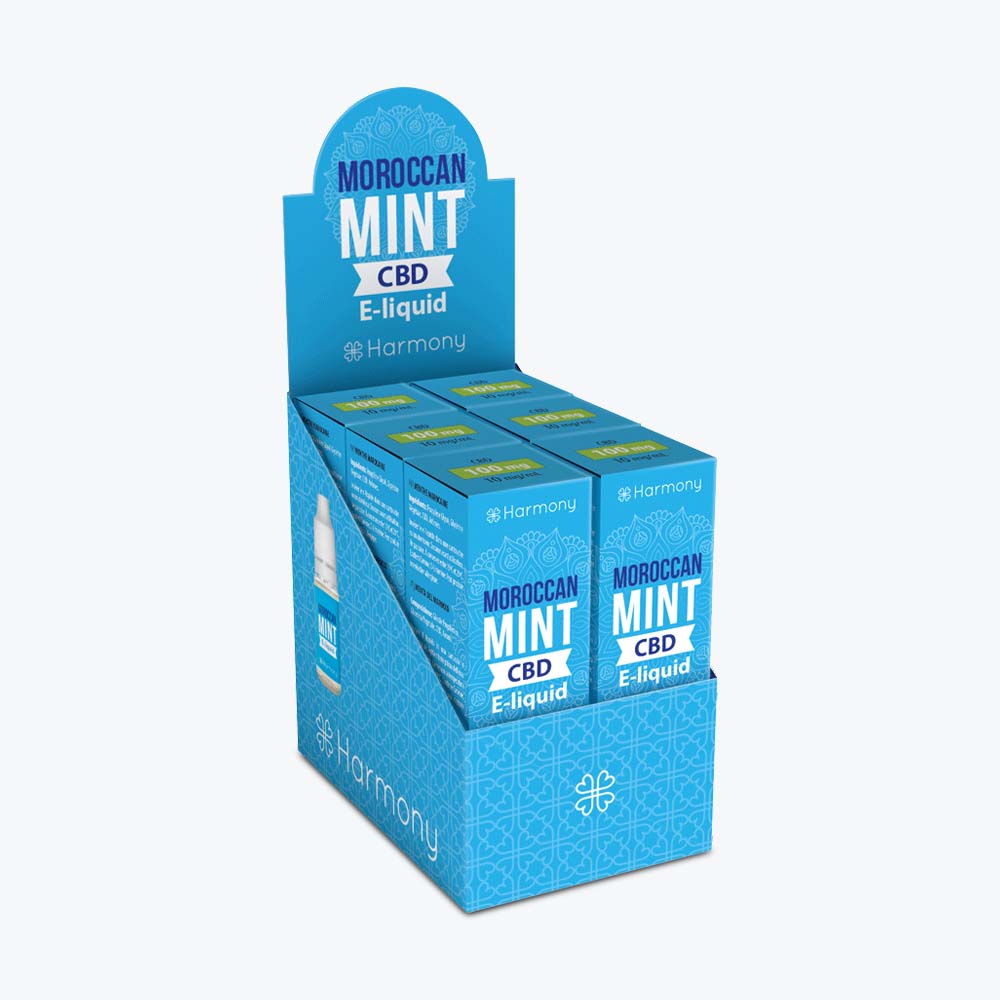
Hemp and CBD Packaging
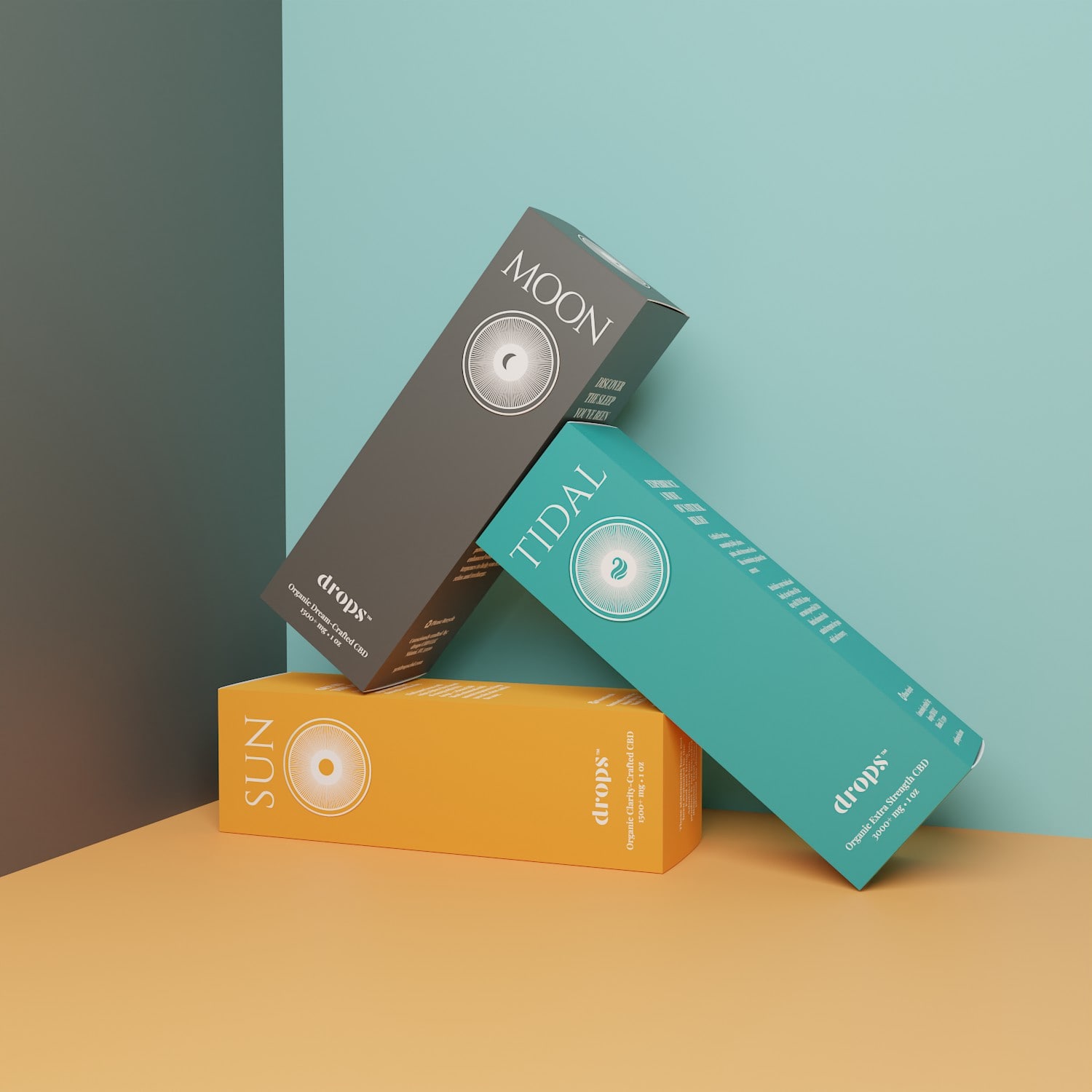
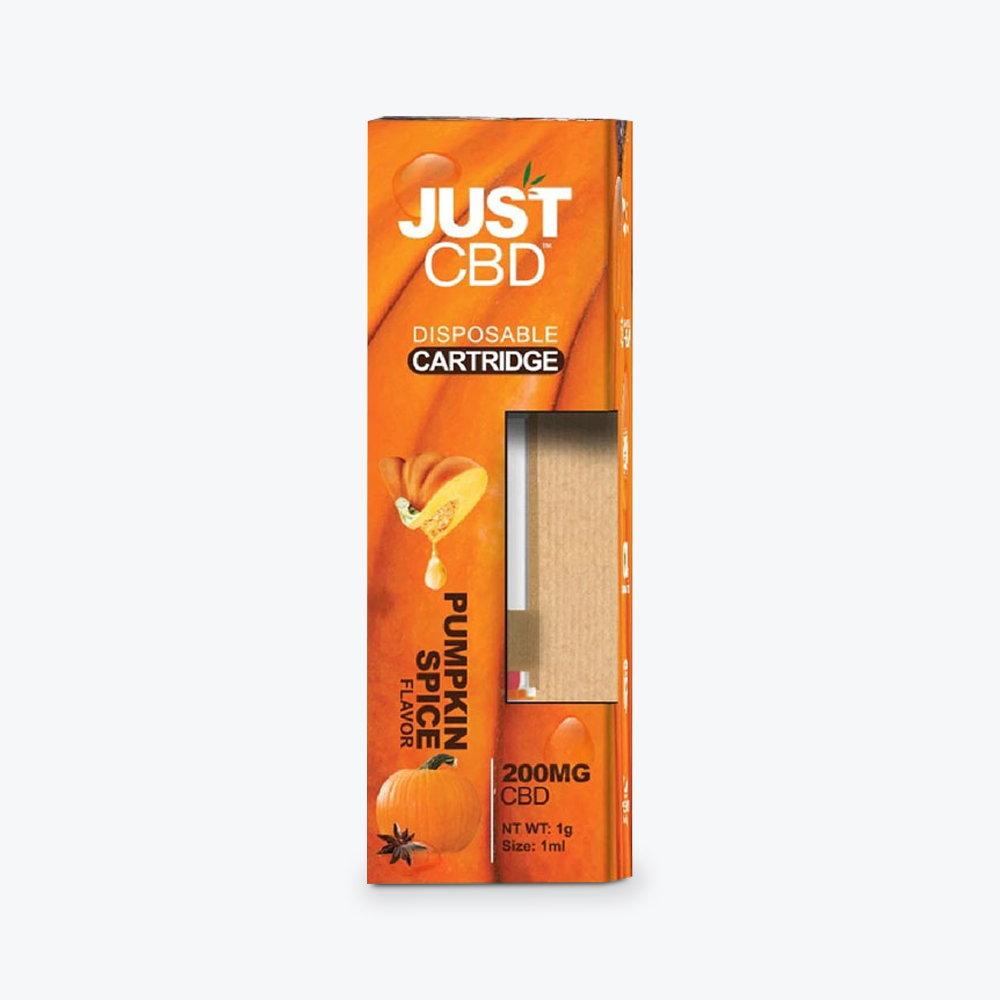
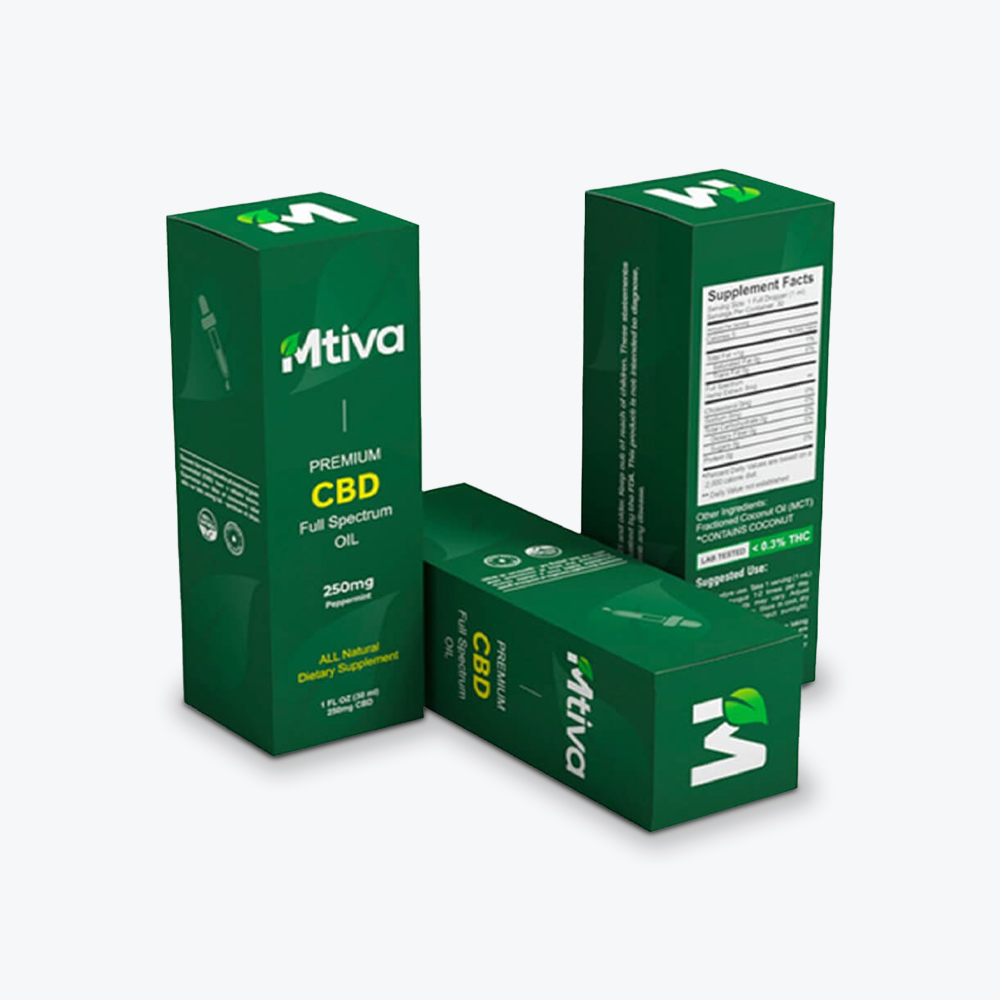
CBD packaginghas to do more than look good. It needs to protect the product, support trust, and address compliance concerns. Depending on the product and market, CBD and cannabis packaging may need specific labels, warnings, seals, or child-resistant features.
For oils, gummies, creams, tinctures, or hemp products, the packaging should feel clean, clear, and credible. Customers need to understand what they’re buying, how to use it, and whether the brand takes quality seriously.
Strong CBD packaging may include:
Durable boxes for bottles, jars, or pouches
Clear and compliant labels
Secure closures or child-resistant options when required
Discreet packaging for delivery
Clean branding that avoids overpromising
For CBD, cannabis, and marijuana-adjacent products, design should be careful. The packaging can still look modern and appealing, but it shouldn’t feel careless or vague. Claims, dosage information, product details, and warnings need proper review before printing, as detailed by Nabis Support.
Soap Packaging
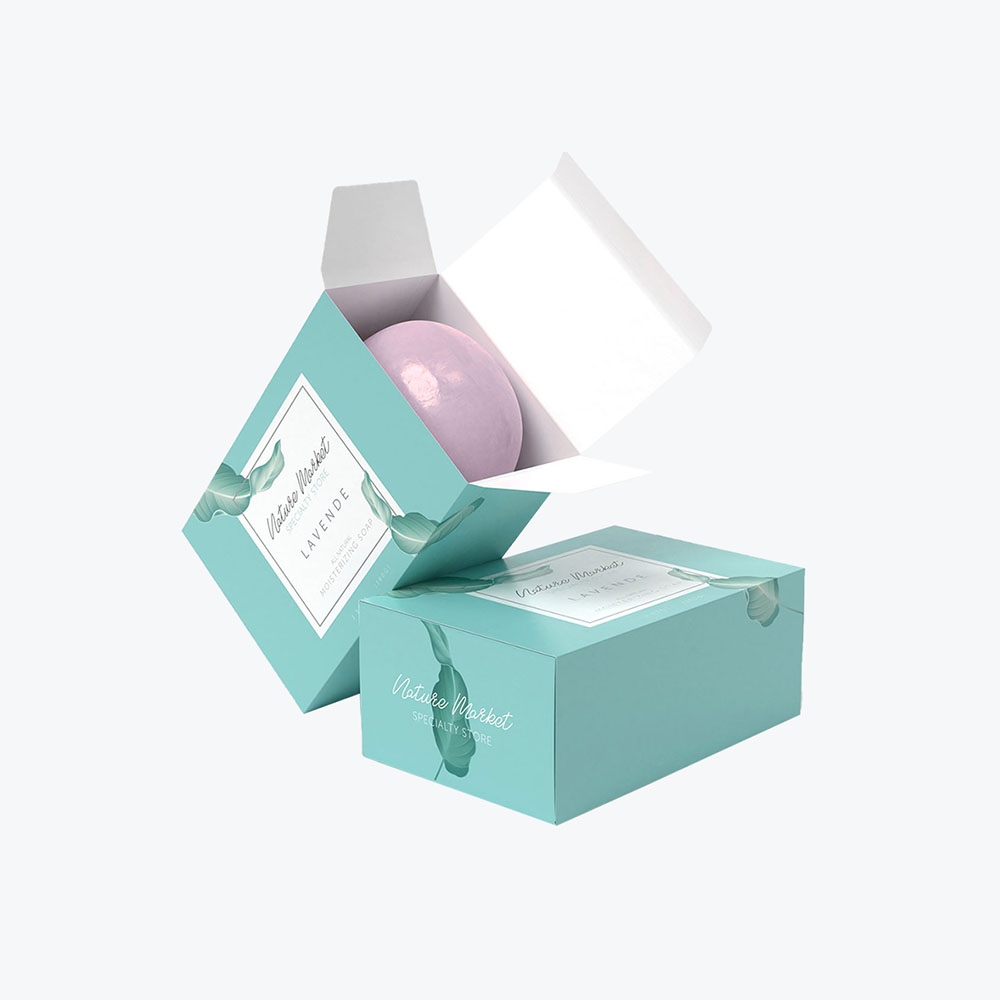
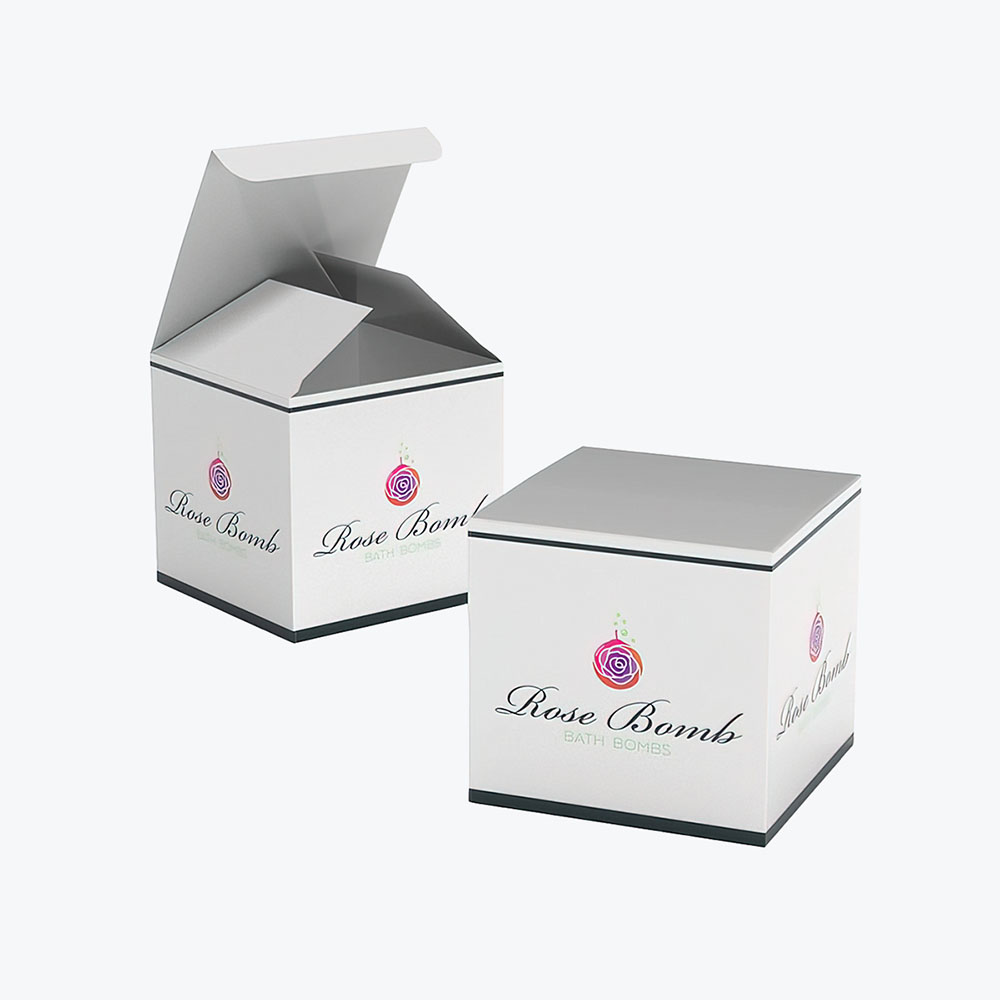
Soap packaging needs to balance protection, breathability, and presentation. Some soaps need air exposure to prevent trapped moisture, while others need wraps, boxes, or sleeves that protect the surface from scratches, dust, and handling.
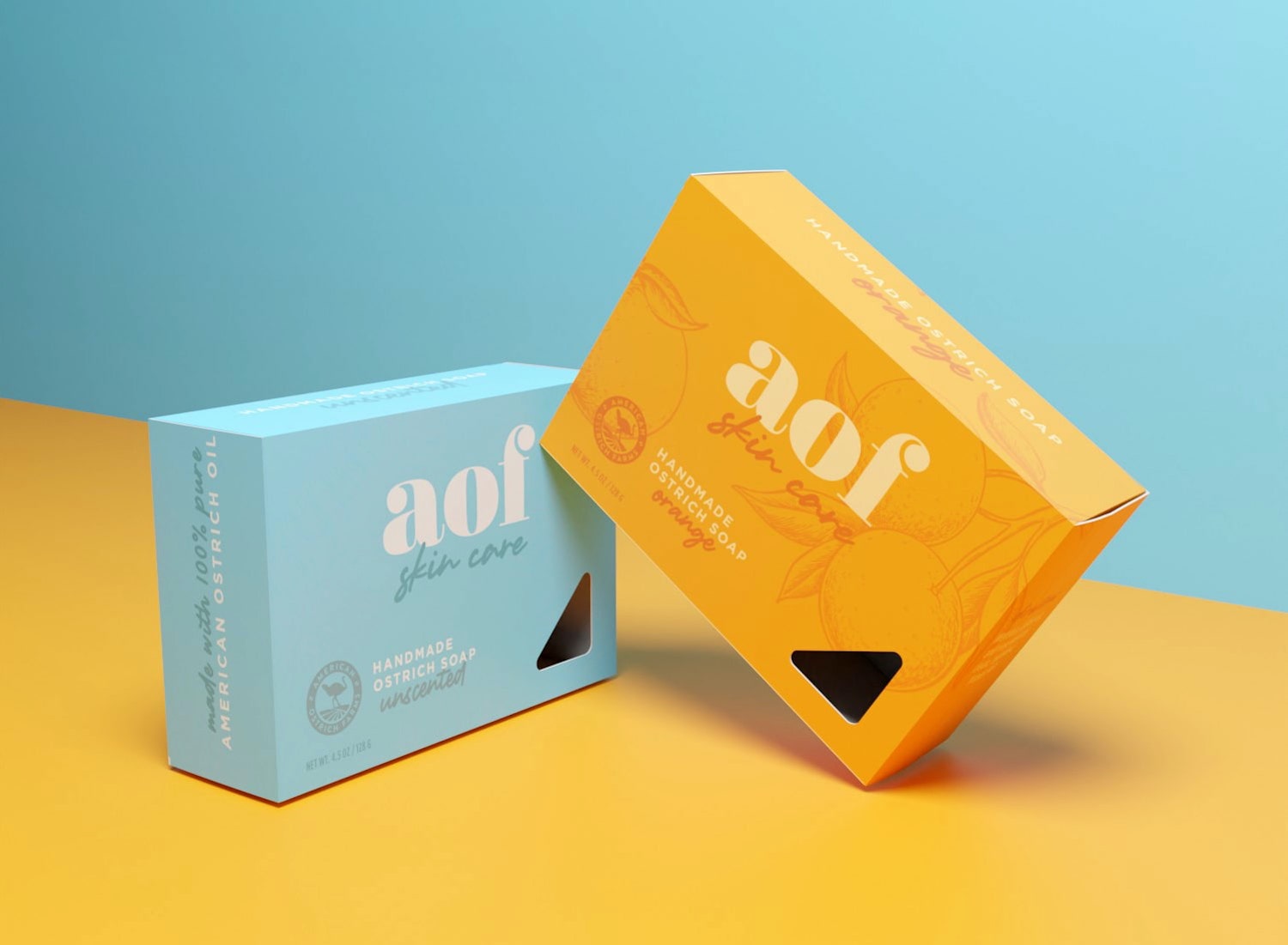
Kraft boxes, belly bands, paper wraps, and minimalist cartons are common choices. They’re affordable, easy to customize, and well-suited for handmade, natural, or small-batch products. When made from recycled paper or cardboard, these materials can also help divert waste from landfills. Compostable packaging is also an option since it can break down in home or industrial composting environments. For premium soap brands, textured paper, simple labels, and clean printing can create a crafted feel without making the packaging expensive.
Soap packaging should consider:
Moisture resistance
Breathability
Surface protection
Scent preservation
Simple branding and clear labels
A plain kraft box can work beautifully for a natural soap brand. A more luxurious soap line may need thicker paperboard, foil details, or a custom insert. The best option depends on whether the soap is sold in-store, shipped directly to customers, or included in gift sets or subscription boxes.
Candle Packaging
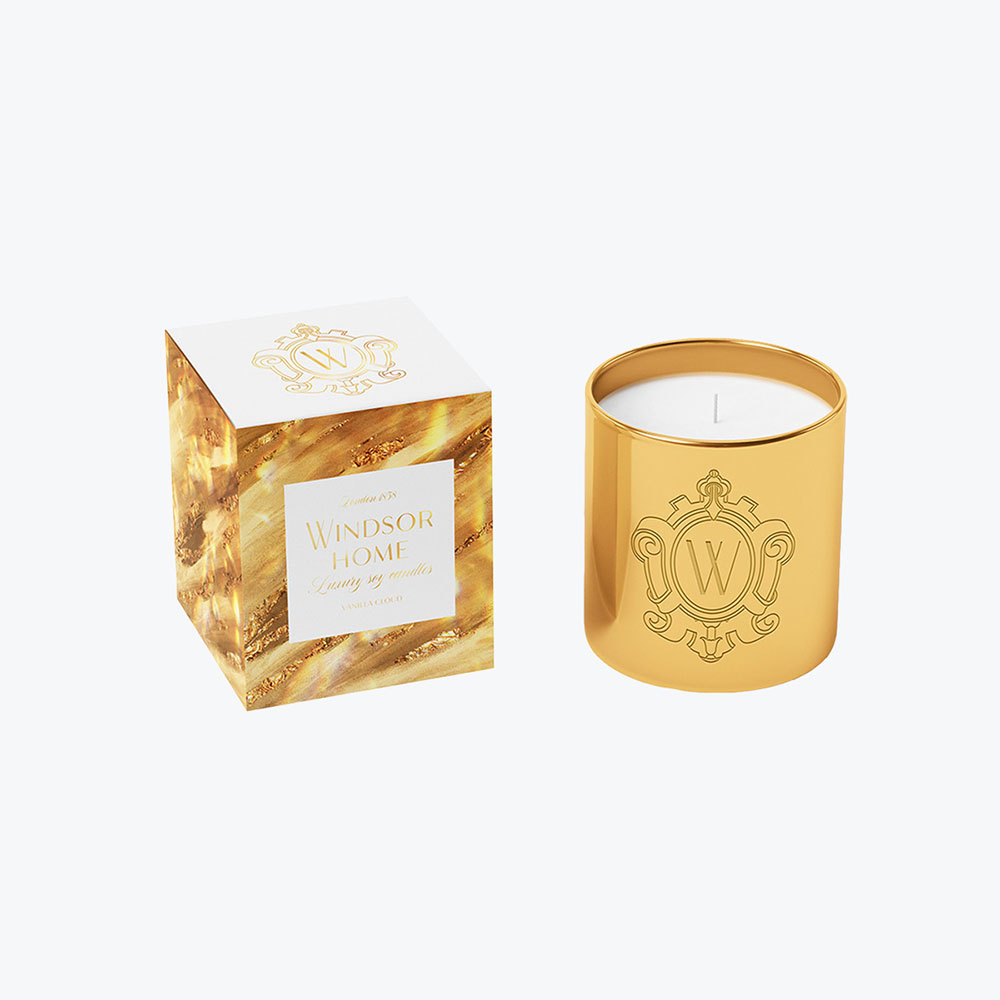
Candle packaging needs structure. Candles are heavy, fragile, and often packed in glass containers, so the box has to protect against cracks, chips, and movement during delivery.
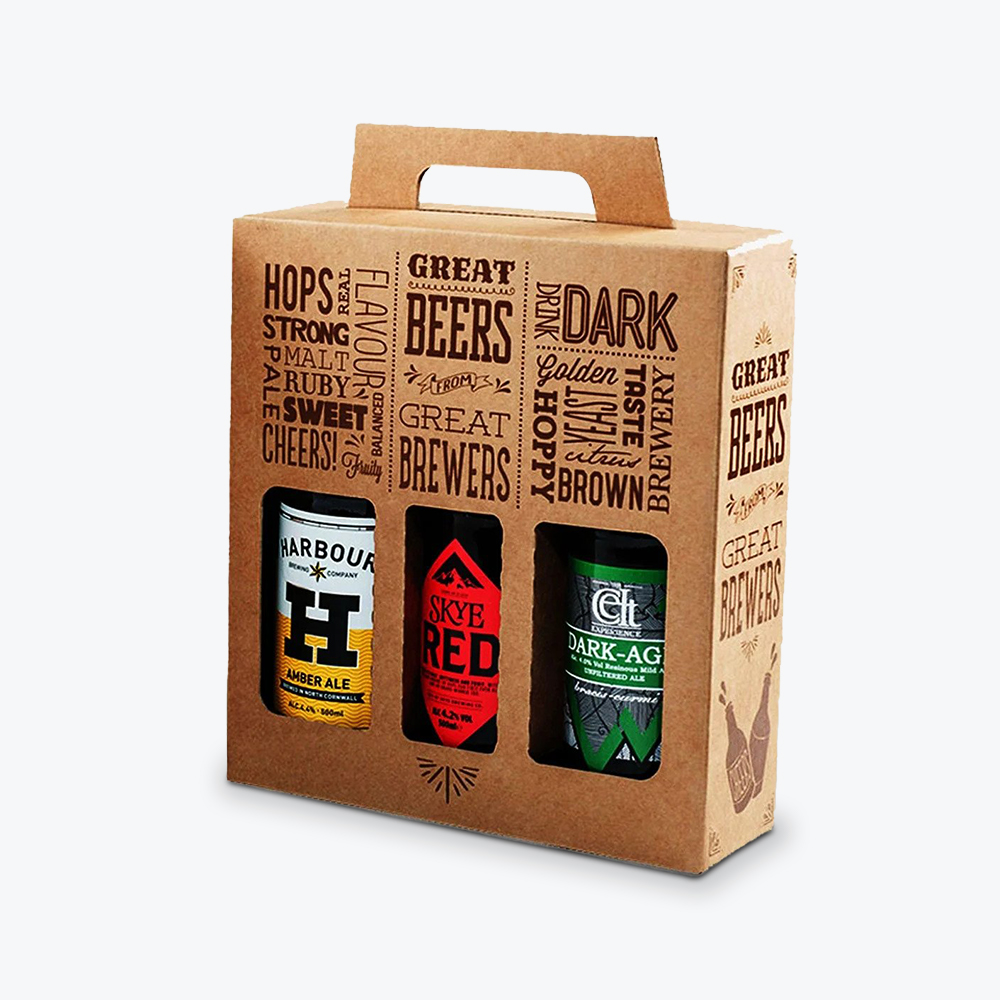
Rigid boxes, corrugated mailers, and custom inserts are often the safest options. Inserts are especially useful because they keep the candle centered and reduce the risk of the glass hitting the sides of the box. For higher-end brands, premium finishes can also make the packaging feel gift-ready. Candle packaging often needs to accommodate premium candle jars made from glass, metal, and marble.
So take into account the following:
Protection for fragile containers
Inserts that keep the candle stable
Strong outer boxes for shipping
Heat sensitivity and weight considerations
A style that reflects the scent, mood, and brand
Candles also rely heavily on aesthetics. The box should match the vibe of the product, whether that’s cozy, sleek, earthy, romantic, or luxury. A clean label, quality printing, and a sturdy box can improve the overall presentation.
For fragile products, don’t guess. Get a sample so you can test the box, inserts, and shipping setup before scaling. A candle that arrives broken costs more than a better box.
Ice Cream Packaging
Ice cream packaging has one non-negotiable job: keep the product cold, contained, and protected. If the packaging fails, the customer doesn’t just get a damaged box. They get a messy product.
Good ice cream packaging needs temperature control, leak resistance, and strong secondary protection. Tubs, insulated liners, gel packs, dry ice-compatible shipping boxes, and moisture-resistant materials may be used depending on how the product is sold and delivered.
The packaging should prioritize:
Temperature control during delivery
Leak prevention
Moisture resistance
Clear labels and handling instructions
Secondary packaging that protects the outer box
For premium ice cream, presentation still matters. A clean label, sturdy container, and branded outer box can make the product feel more polished without making the packaging complicated.
The key is to design for the complete delivery journey. Ice cream packaging has to work from freezer to fulfillment to doorstep, making sure your buyer gets a perfectly delicious container of ice cream.
Subscription Box Packaging
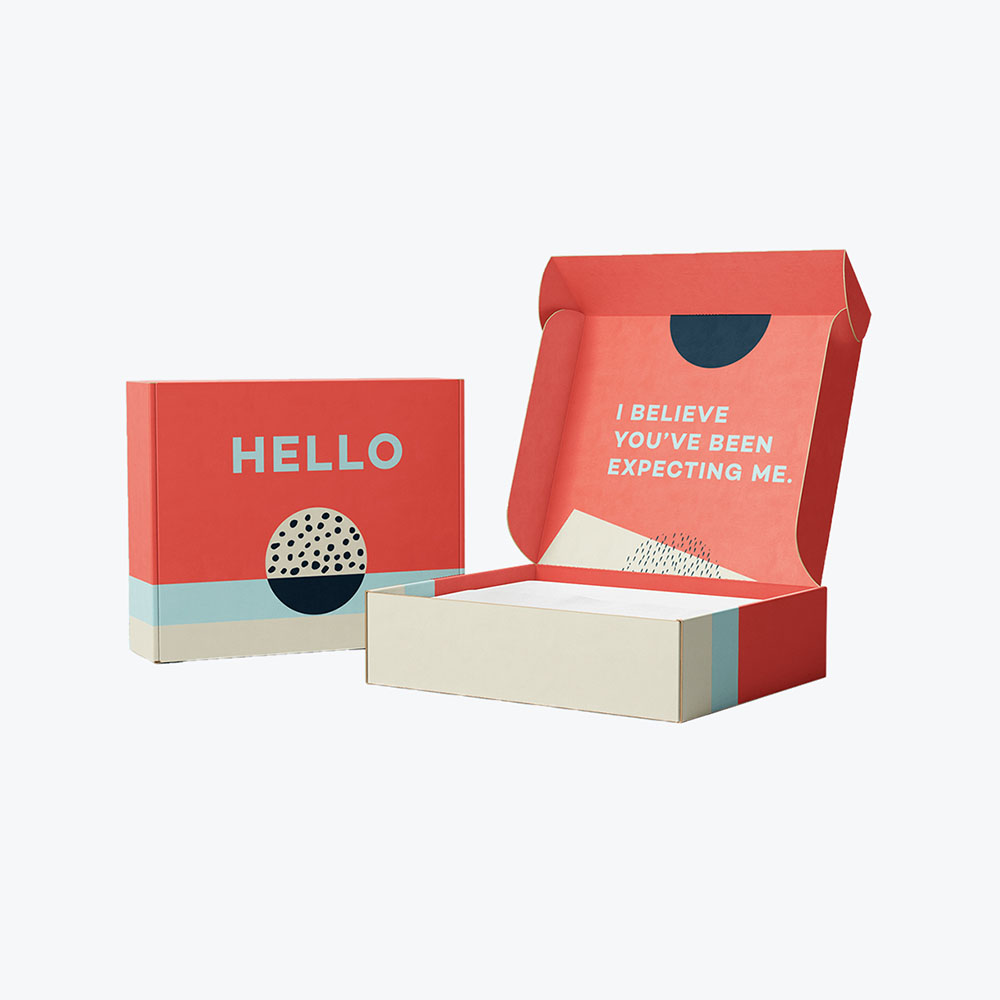
Subscription box packaging is built around repeat customer experiences. The product has to arrive safely, but the box also needs to feel worth opening every month.
Custom mailer boxes are a common choice because they’re sturdy, easy to brand, and practical for shipping. Branded inserts, tissue, labels, product cards, and add-ons can make the box feel more premium without driving costs too high.
Effective subscription box packaging should include:
Durable mailer boxes
Branded inserts or cards
Consistent artwork and labels
A clean opening experience
Packaging that can scale with order volume
For growing brands, this is where wholesale subscription boxes can make sense. Buying in larger quantities can help control prices, keep branding consistent, and support scale as the business grows. Customers should feel like the box was crafted for the service, not thrown together while everyone was waiting for a printer to respond.
Retail Packaging
Retail packaging has to work fast. According to CNN, the average attention span is only 47 seconds, and that’s only if the intention to look was there in the first place. That means a customer may only glance at the product for a few seconds, so the box needs to make the product stand out, explain the offer, and create enough appeal to compete on the shelf and help customers discover it.
Retail packaging should focus on:
Shelf visibility
Clear product information
Strong brand design
Durable materials
Printing quality
Easy display and handling
Premium products may need luxury finishes like embossing, soft touch, or spot UV. More affordable products may need simple, vibrant, low-cost packaging that still feels clean and trustworthy.
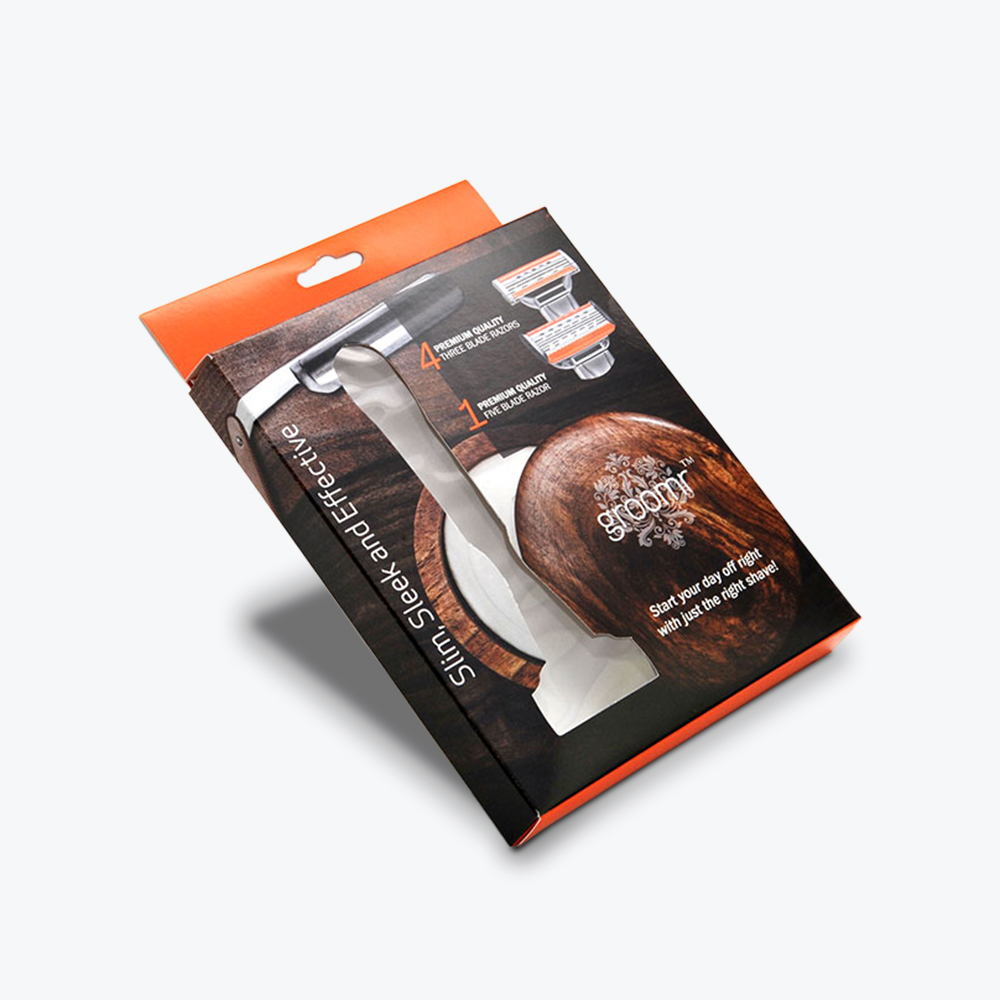
Folding cartons are a popular choice for many retail products because they offer a balance of protection, branding space, and cost efficiency. For products displayed in stores, display boxes can improve product visibility and keep merchandise organized.
The goal is clarity. The customer should understand what the product is, why it matters, its benefits, and why this brand is worth choosing over the competition.
How to Choose the Right Packaging for Your Product
Start with the product requirements before choosing the box. A beautiful package isn’t enough if it cracks, leaks, melts, or fails compliance review.
Use these questions to narrow down your packaging options and make selection a breeze:
What does the product need to protect against? For food packaging, moisture control may be required. Candles need glass protection. Beauty products may need inserts. CBD products may need secure or compliant packaging.
How will it be shipped? A product going straight to retail has different needs from one going through ecommerce delivery.
What does the customer expect? A luxury beauty product should feel premium. A snack product should feel fresh and easy to open. A subscription box should feel exciting without being excessive.
What information needs to be displayed? Labels, ingredients, warnings, usage instructions, and artwork all need space.
What budget makes sense? The packaging should support the product price, not swallow the margin.
The right packaging solutions balance protection, branding, compliance, cost, and delivery. With a good packaging partner like Refine Packaging, you can easily determine which option fits before you commit to a full run.
Common Mistakes by Product Type
The biggest packaging mistakes usually come from using one solution for every product. It saves time upfront, then creates problems later.
Avoid these common issues:
Using non-compliant packaging for regulated products.Food packaging, CBD, cannabis packaging, and marijuana-related products may need specific labels, containers, or safety features.
Under-protecting fragile items. Candles, glass bottles, jars, and delicate beauty products need inserts or stronger boxes because they could break during display or shipment.
Ignoring branding for retail products. A plain box may protect the product, but it can disappear on the shelf and not encourage people to purchase.
Overcomplicating simple packaging needs. Not every product needs luxury finishes, embossing, or specialty materials.
Forgetting the delivery process. Packaging should protect the product from warehouse handling and shipping to doorstep arrival.
Choosing looks over function. A sleek box is only helpful if it also suits the product, material, and shipping environment.
A sample can help catch these issues early. Test the structure, labels, artwork, materials, and opening experience before scaling production.
Custom Packaging Solutions for Every Product With Refine Packaging
Refine Packaging’s expertise helps brands create custom packaging that fits the product, not just the box size. That matters whether you’re selling food, beauty products, CBD, candles, retail items, or subscription boxes.
The right packaging should protect the product, support the brand, and improve the customer experience. Refine Packaging can help with structural design, materials, printing, finishes, labels, inserts, and scalable production for different product categories.
Brands can work with Refine Packaging for:
Food packaging that supports freshness, safety, and delivery
Beauty packaging with premium finishes, clean artwork, and strong shelf appeal
CBD packaging and cannabis packaging that considers durability, labels, and compliance needs
Candle packaging with sturdy boxes and inserts for glass protection
Retail packaging designed to help products stand out in a crowded market
Refine Packaging also offers a wide range of packaging options that allow businesses to customize, from affordable prices for growing businesses to premium packaging solutions for brands that want a more luxurious feel. We offer flexible production options, including low minimum order quantities and bulk production.
What helps most is the dedicated support team. Instead of guessing which box, material, or finish will work, brands can work with a team that understands how packaging needs change by product type.
Visit our page to request a quote, start with a sample to test your packaging, or speak with the team to find the right packaging solution.
Step-by-Step: Packaging Any Product Type
Use this process before moving into production:
Identify product requirements. Start with the basics: size, weight, fragility, shelf life, compliance needs, and shipping method.
Choose the right materials and box type. For food packaging, you may need secure containers or grease-resistant materials. Candles may need rigid or corrugated boxes. Beauty products may need folding cartons, rigid boxes, or inserts.
Design for branding and function. The packaging should look good, but it also needs to protect, display, and explain the product clearly.
Test the packaging. Check fit, durability, labels, opening experience, and delivery performance before ordering at scale.
Optimize and scale. Once the packaging works, adjust pricing, order quantity, materials, and finishes so the solution can grow with the business.
This process keeps packaging from becoming a last-minute scramble. It also helps brands avoid paying for features they don’t need or skipping details that actually matter.
Conclusion
Product-specific packaging isn’t just about aesthetics. It affects protection, compliance, delivery, shelf appeal, and how consumers feel about the brand.
The best packaging solution is the one built around the product’s real needs. When the box, materials, labels, artwork, and structure all work together, packaging does more than hold the product. It helps the product stand out, arrive safely, and leave a lasting impression.
Why does packaging need to be different for each product type?
Different products have different risks. Food packaging may need moisture control, candles need glass protection, CBD products may need compliant labels, and beauty products often need stronger shelf appeal.
What is the best packaging for food products?
The best food packaging depends on the product. Food packaging for baked goods may include grease-resistant boxes or bags. Frozen products may need insulated packaging, leak-resistant containers, and strong secondary protection.
What makes beauty packaging feel premium (e.g. soft touch)?
Beauty packaging often feels premium when it uses quality materials, clean printing, sturdy structure, and finishes like soft touch, embossing, foil, or spot UV. Inserts can also help protect glass jars, bottles, and delicate containers.
What should CBD brands consider when choosing packaging?
CBD packaging should consider product protection, label clarity, secure closures, shipping needs, and any compliance requirements in your target market. The design should feel trustworthy and easy to understand.
What packaging options work best for candles?
Candle packagingusually needs sturdy boxes, inserts, and durable materials that protect glass containers during delivery. The design should also match the scent, form, and price point of the product. Candle shipping boxes can be eco-friendly and customizable.
What sustainable packaging innovations should be explored?
Sustainable packaging continues to evolve through renewable materials and reusable systems that reduce environmental impact. Bioplastics can require approximately 65% less energy to produce than conventional plastics, while polylactic acid (PLA) offers a biodegradable alternative to petroleum-based plastics and bagasse, made from sugarcane byproducts, provides a compostable packaging material. Over time, reusable packaging programs can significantly reduce single-use packaging waste.
How does tamper-evident packaging work?
For regulated industries, tamper-evident bags are commonly used by cannabis dispensaries to help protect products and demonstrate package integrity.
Are subscription boxes better ordered wholesale?
Wholesale subscription boxes can help growing brands control prices, keep branding consistent, and prepare for higher order volume. The right quantity depends on budget, storage space, and how often the packaging design may change.
Amanda is a professional writer and brand strategist at Refine Packaging who is based in Los Angeles, California. With a background in writing and journalism, Amanda entered the manufacturing industry 6 years ago to explore her unique passion for beautifully conceptualized packaging. With years of packaging experience, Amanda has a deep understanding about how brand psychology and box design trends impact emotions and desired actions. When she’s not writing, Amanda can be found snuggling her two Beagles or outdoors sipping on sparkling white wine.










 Alex Jasin

 Asif Muhammad




 Erica Campbell

.svg)
Share