It depends on the type of cardboard. Cardboard can be almost as thin as paper at 0.01 inches or as thick as plywood at 0.50 inches.
This wide range of different thicknesses exists because there are numerous types of cardboard. Cardboard boxes used for retail packaging measure around 0.01 to 0.03 inches. Most corrugated cardboard boxes used for display or shipping typically range in thickness from 0.05 to 0.25 inches. Triple-wall corrugated sheets for heavy-duty industrial use can measure up to half an inch.
Cardboard thickness and weight impact its durability and shipping costs. The thicker the board, the sturdier it is. However, this also makes it heavier and more expensive to ship. When you’re using branded boxes, you’ll need to factor in these costs when designing packaging that keeps your product safe during the shipping process.
In this guide, we’ll break down everything you need to know about measuring cardboard thickness and paper weights, and how to choose the best packaging that protects your goods while keeping shipping costs to a minimum.
Understanding Cardboard Thickness and Board Grades
We measure cardboard thickness the same way aspaper thickness—using a digital caliper which displays measurements in inches, millimeters, or whatever unit is set. The printing and packaging industries standardize this measurement using the point system. One point is equivalent to one-thousandths of an inch (0.001 inch). So, a cardboard that is 0.01 inch would be marked 10 pt.
How thick is a cardboard box?
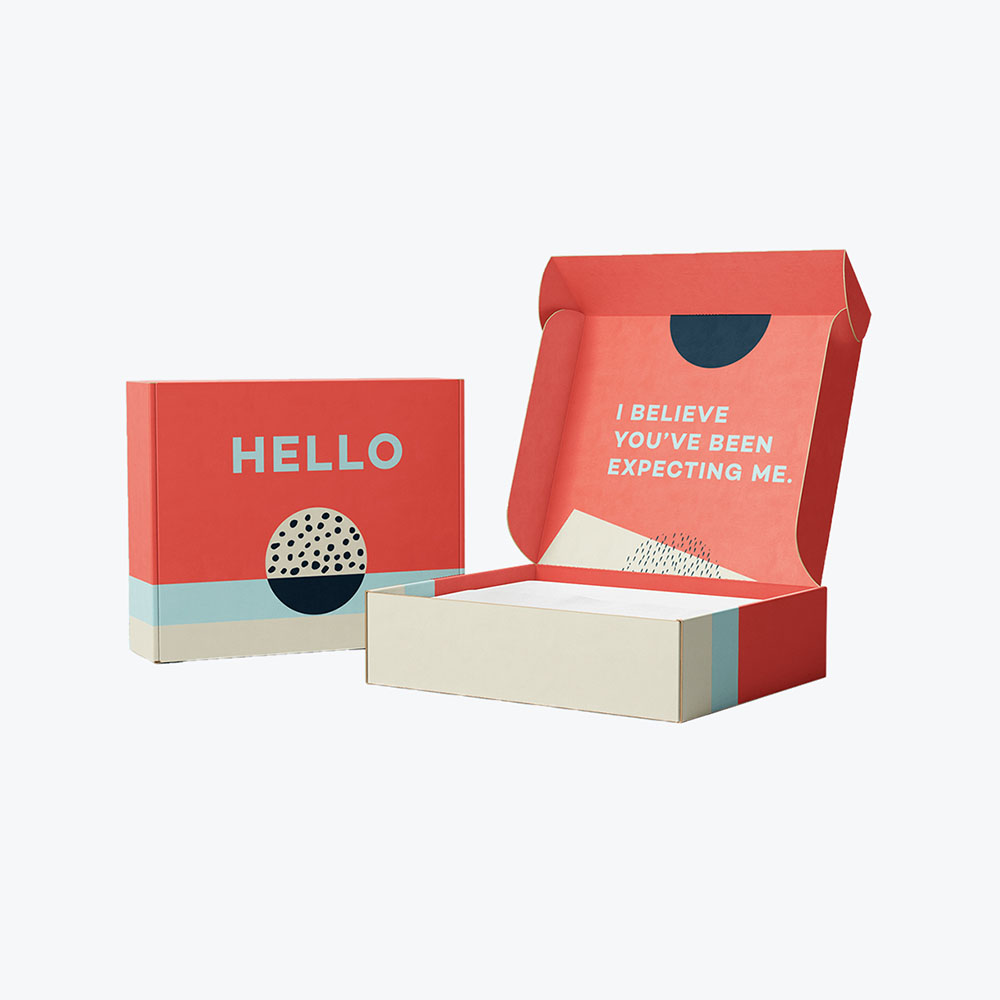
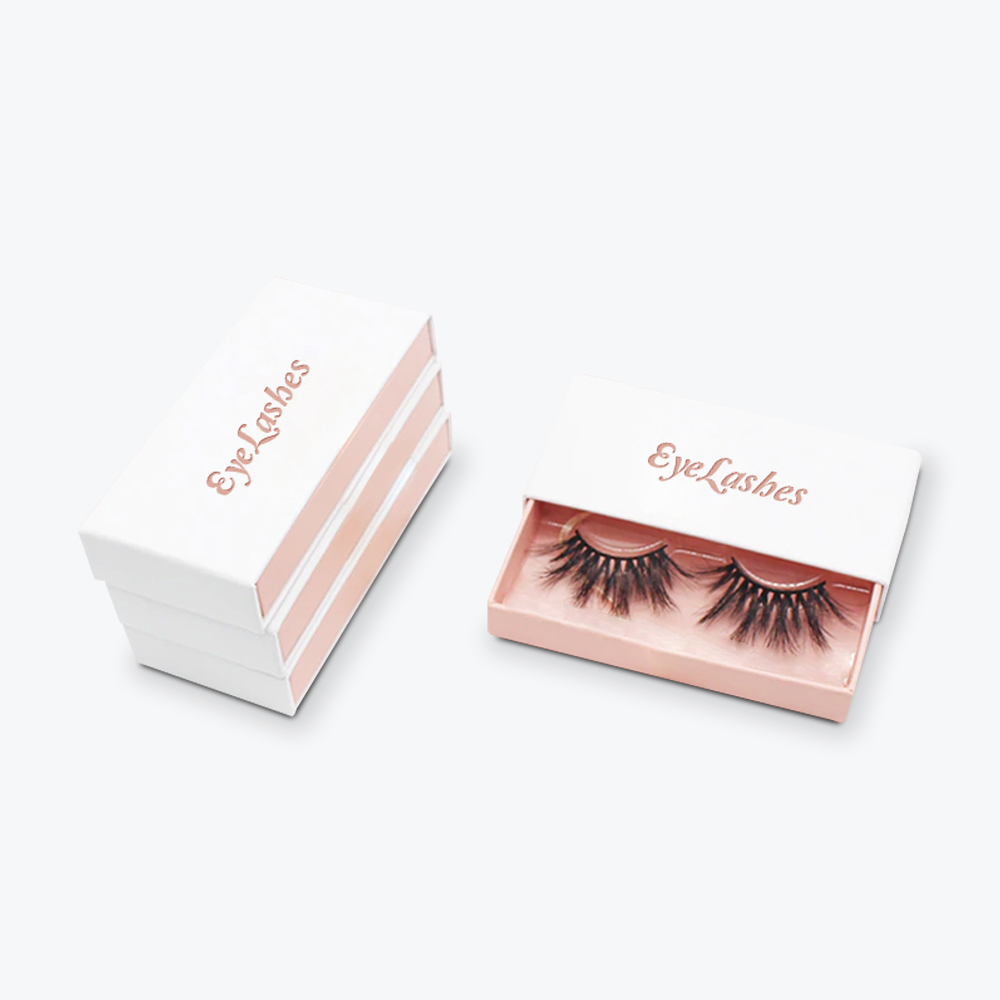
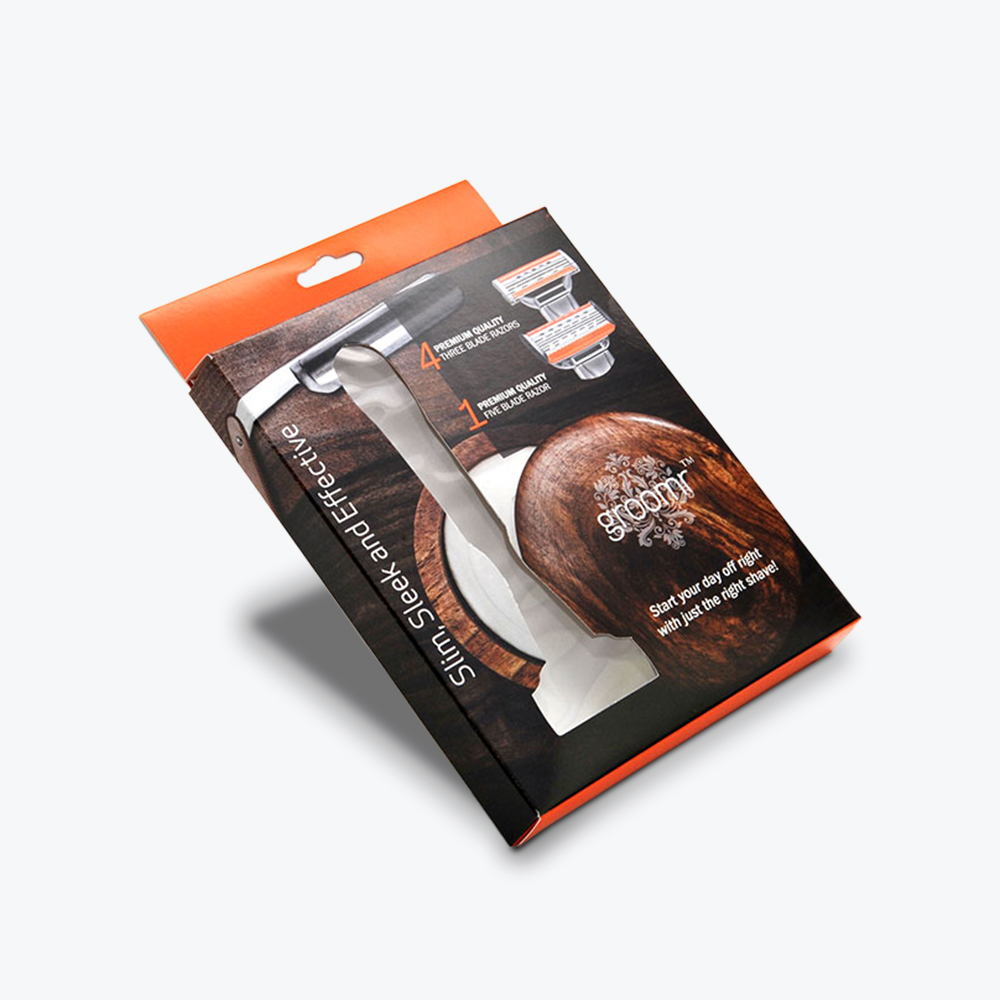
Using the point system, cardboard boxes used for branded packaging are typically marked 10pt to 28pt. These include eco-friendlykraft paper, fluted paper, bux board, and cardstock that are easy to print on and have consumer appeal.
How thick is corrugated cardboard?
The thickness of corrugated cardboard depends on the flute type and wall type. Here are the common types of fluted paper and flute sizes used in corrugated board boxes:
Flute type
Thickness
Common uses
A flute
5 mm
Boxes for stacking or shipping
B flute
3 mm
Durable packaging for most products
C flute
4 mm
Packaging for lightweight products
E flute
1.5 mm
Die-cut boards, small custom-designed cartons
F flute
1 mm
Packaging for cosmetics, electronics, and small items
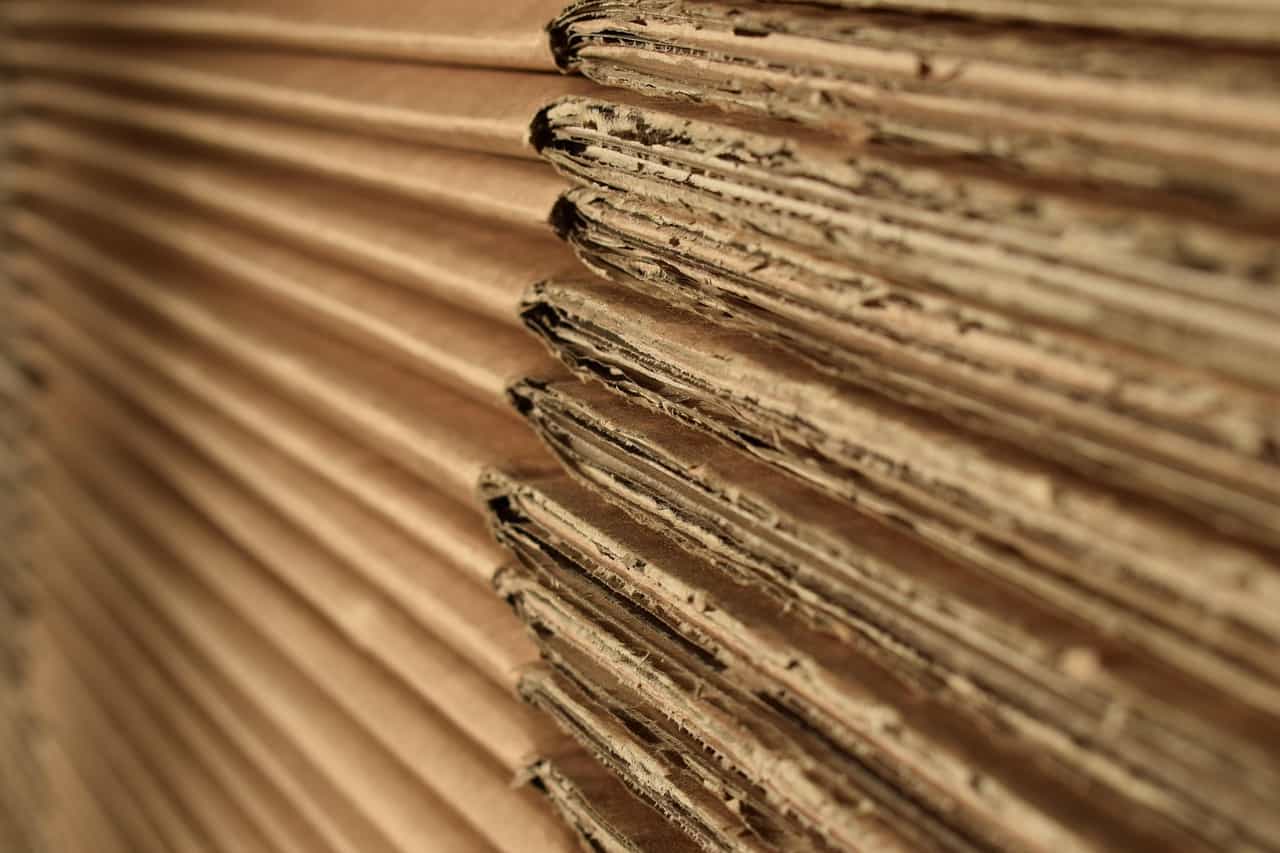
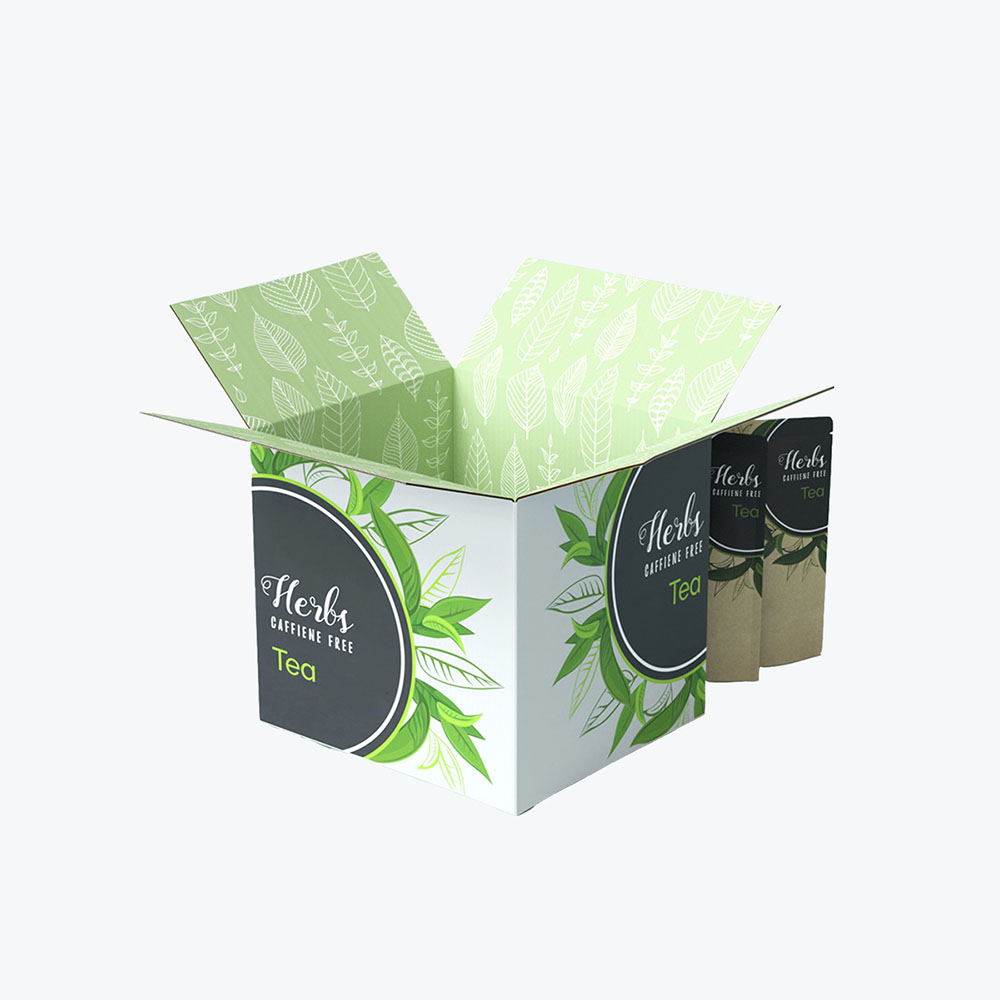
Corrugated boards may also be single-wall, double-wall, or triple-wall. A single-wall corrugated board would have one fluting between the outer and inner liners. The more liners and fluted layers there are, the thicker and sturdier the cardboard is.
Flute sizes and types may also be combined in double-wall and tri-wall cardboards for a stronger structure and better aesthetics.
A cardboard sheet can measure anywhere from 0.01 inches to 0.50 inches. For quick reference, here are standard cardboard sheet measurements in inches:
Retail carton: 0.01-0.03 inches
Standard corrugated box: 0.05-0.25 inches
Tri-wall corrugated box: up to 0.50 inches
How thick is a piece of cardboard?
A piece of cardboard could mean anything from a thin paperboard to a thick corrugated sheet stock. That means that cardboard thickness varies greatly. Factors such as flute type (A, B, C, E, F, or combination), wall type (single, double, or triple), and material grade (kraft, recycled, bux board, etc.) determine the thickness.
Cardboard Box Weight and Measurement
Some shipping companies offerflat rate shipping that lets you send items at a fixed price regardless of their weight. However, it’s more common for shipping companies to charge by weight, including the weight of the packaging materials and shipping box. That’s why measuring cardboard thickness and weight is important.
How much does a cardboard box weigh?
There’s no fixed answer. Many factors affect the total weight of a cardboard box. These include the grade, flutes, and walls used in the cardboard. On average, standard moving and shipping boxes weigh under 5 lbs. Double-walled corrugated boxes can weigh over 5 lbs.
How much does an empty box weigh?
This depends on the size of the box and the packaging materials used.Food boxes and other thin paperboard types often weigh under a pound. Industrial cartons built with double or triple walls can go well past 10 pounds, even before anything is added inside.
How much does a small cardboard box weigh?
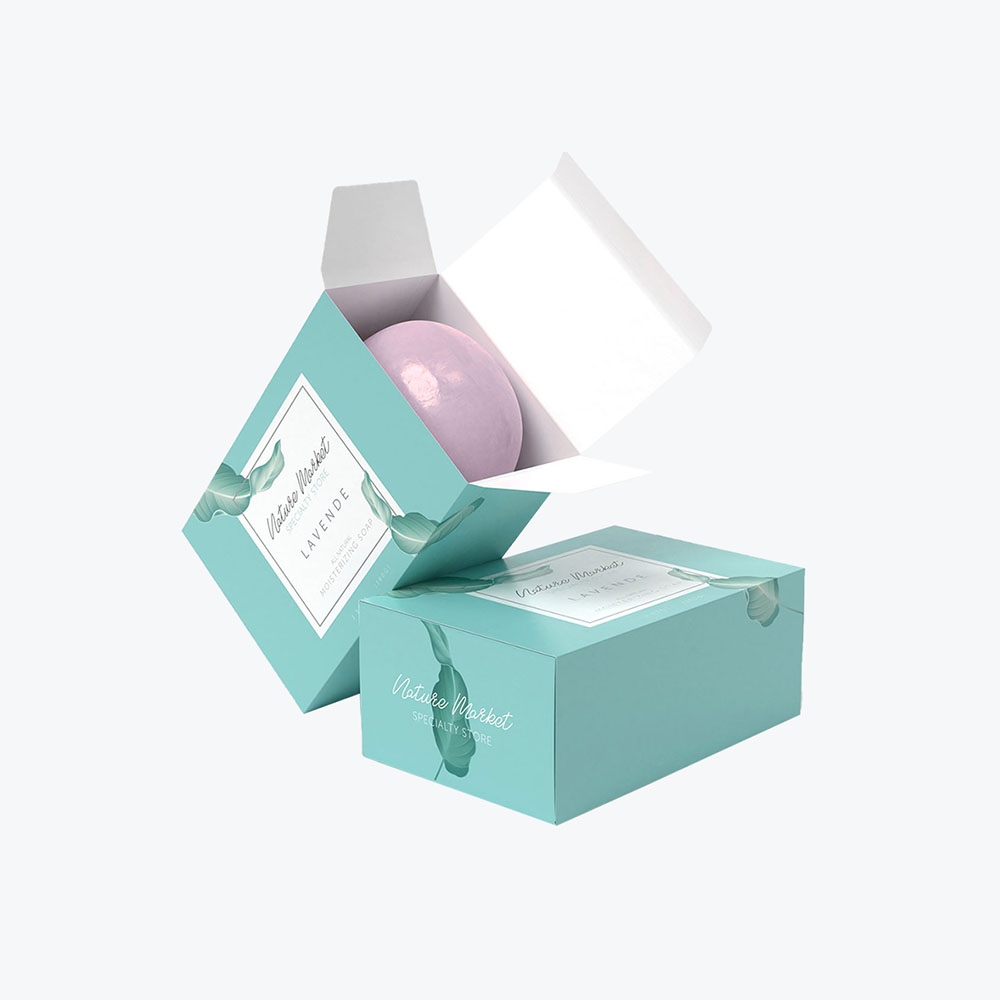
Cosmetics packaging, subscription mailers, shoe boxes, and other small boxes usually weigh between 4 ounces and 2 pounds. Here are some common box types and their weights:
Gift box (8 x 8 x 4 in): 3.2 to 8 ounces
Phone box (6.5 x 3.5 x 1.5 in): 8 ounces to 1 pound
File storage box (15 x 12 x 10 in): 1.5 – 3 pounds
How much does a shipping box weigh?
Shipping boxes are made of thicker cardboard and include inner packaging components such as cardboard liners. Because of this, they can weigh anywhere from 5 pounds to over 25 lbs. Keep in mind that shipping companies calculate costs based not just on actual weight, but also ondimensional weight. When shipping through USPS, for instance, you’ll be asked to provide the length, width, height, and girth of your package.
How to Choose the Right Cardboard Box for Your Needs
How much does a small box weigh? How heavy are corrugated flutes? How does cardboard thickness and weight affect shipping costs? Will a third-party logistics company charge higher if I use triple-wall boards for packaging heavy or fragile items?
With so many things to consider, it can be overwhelming tochoose the right cardboard box. To make it a bit easier, here are some things to consider when choosing the best product packaging and shipping box for your needs.
1. Know the purpose of the corrugated boxes.
What’s the box for? Is it for retail packaging, product mailers, display shelves, or long-distance shipping?
Lightweight boxes, such as single-wall corrugated or thin paperboard, can be used for custom-printed packaging and items that don’t need much protection. They’re thin and lightweight, keeping shipping costs down. But, they may not be sturdy enough to withstand rough handling and long transits.
If you’re packaging bulky, fragile, or high-value items, use double-wall or triple-wall corrugated cardboard boxes. They may hike up the shipping costs, but they’re heavy-duty.
2. Balance strength and cost-effectiveness.
Thicker cardboard means stronger support, but it also means heavier weight and higher shipping costs. Now, here’s the thing—you don’t always need the strongest box. You just need to match the cardboard thickness to what’s inside.
A single-wall corrugated box will suffice for light items. Save the sturdier double or triple-walled boards for heavy, fragile, and breakable items. By matching the level of protection your product needs, you avoid paying extra for strength you don’t really need.
3. Use corrugated board that matches industry-specific packaging.
Industries tend to rely on specific types of boxes. For instance, food and beverage companies often use eco-friendly kraft boxes, and retail brands go forcustom-printed mailers. For bulk shipment where shipping boxes are stacked, multi-wall corrugated boxes are your best bet for protecting your items from getting crushed under heavy loads.
4. Choose an experienced and reputable company for your packaging needs.
To make sure that you have the best packaging with a design consumers expect and love, go to a packaging expert like Refine Packaging. A packaging expert can help you find the right cardboard thickness and flute types. They can also help you create the best packaging with a high-resolution printing of your brand logo.
FAQs
How much does a box weigh?
It depends on the size and construction. A thin paperboard carton (like a cereal box) may weigh only a few ounces, while a large corrugated board style can reach several pounds. Extra layers, such as double or triple walls, add more weight. Any corrugated flute type with an outer liner and inner liner will be heavier than a kraft paper box.
How heavy is a cardboard box?
That depends. A small gift box can weigh just one-tenth of a kilo, but a huge appliance box can be as heavy as 11 kilograms. If you’re shipping something, the weight of the cardboard box affects shipping calculations. In some cases, theUSPS rounds weight to the pound. So, if the item weighs 4lbs and the cardboard box 2.3lbs, you might be charged the 7-lb rate.
How much does an empty cardboard box weigh?
The weight of an empty cardboard box depends on its material, size, wall type, and flute type. It can range anywhere from a few ounces to several pounds. Large corrugated shipping boxes (~10 – 25lbs) will naturally weigh more than retail cartons (~4oz – 3lbs).
How much does cardboard weigh per square foot or grams per square meter?
Cardboard weight depends on the thickness, size, and type of cardboard materials used. The thickness is typically measured in grams per square meter (GSM) or expressed as points. Cardboard used for packaging often has 350 to 400 GSM (~0.7 to 0.8 pounds per square foot) and 10 to 28pt.
Asif Muhammad is a Co-Founder and Partner at the custom packaging box company, Refine Packaging. Recognized as a recommended packaging firm by Shopify and 99designs, thousands of companies nationwide choose Refine Packaging for their custom boxes and wholesale product packaging needs – including T-Mobile, Adidas, MetLife, Pandora, and Marriott Hotels. Asif’s leadership in the manufacturing industry stems from a mission to make the custom packaging process easier for businesses of all sizes. With 10+ years of packaging and engineering experience, Asif is uniquely suited to help companies think outside the box to create memorable retail packaging.








 Alex Jasin

 Amanda Jane Rivera

 Asif Muhammad
 Erica Campbell



.svg)
Share