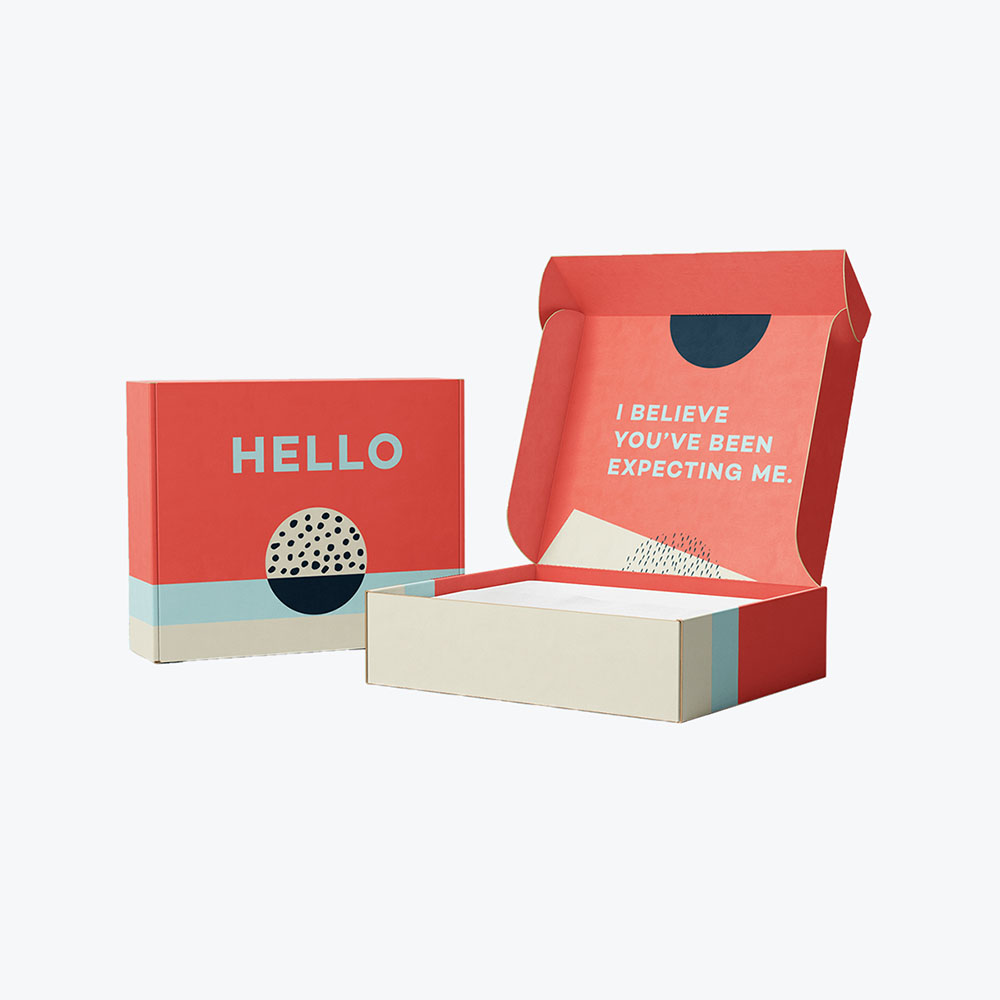
For businesses that truly value products – and customers – packaging is more than just a box. It’s a powerful branding tool that creates memorable unboxing experiences and makes customers feel appreciated.
Beyond the box itself, packaging add-ons such as inserts, stickers, labels, and bags add a distinct touch to the product and increase its perceived value. They also strengthen brand identity and improve product protection.
In this guide, we talk about what custom packaging add-ons do for your brand and how to choose the right options for your products and customers.
What Are Packaging Add-Ons?
Packaging add-ons are adjacent products that complement primary packaging. Foam or cardboard that nestles fragile or luxury items, thank you notes with exclusive coupons, personalized or branded ribbons, product samples from the same line — add-ons like these have a huge role in branding.
Want to give your customers unboxing experiences that would make them fall in love with your brand? Add somepackaging inserts that give them something “extra”.
Packaging Inserts
What Are Inserts?
Packaging inserts are placed inside the box to protect products, organize them neatly, or present them beautifully. These may also include samples of complementary products, promotional items, or personalized notes.
Types of Inserts
Cardboard inserts. These inserts are affordable and easy to modify to suit different packaging configurations. Although they provide less protection than specialized inserts, they are reliable enough to organize products and keep them safe without the hefty packaging costs and added weight that increase shipping costs.
Foam inserts. Foam inserts are lightweight and come in custom sizes and shapes that fit products snugly, which is why they are often the go-to inserts for fragile items, such as ceramics, electronic devices, and sensitive equipment.
Molded pulp inserts. These are made from cardboard and recycled paper. Like foam inserts, they are lightweight and easy to custom-mold into any shape. Since they’re made of paper, they are considered eco-friendlier.
Custom die-cut inserts. Die-cut inserts are ideal for packaging odd-shaped items or multiple products in one set. Die-cutting creates a precise fit for custom sizes and can be used on a wide selection of materials, including paper, plastic, and foam.
Benefits of Using Inserts
Inserts may add costs, but they also add more value. Among their many benefits are protection, presentation, and experience.
Product protection during shipping. Custom-cut inserts cushion and keep products in place during transport, preventing shifting or breakage.
Organized presentation. Inserts replace messy, crumpled paper or packing peanuts with sleek and organized boards.
Enhanced unboxing experience. Custom packaging boxes with customized inserts provide a bespoke experience that highlights how your brand values customers. These experiences influence how buyers decide on future purchases.
Best Use Cases
Fragile items. Inserts absorb impact and prevent products from shifting or bumping into other products. Foam inserts are best for extremely fragile items, such as glass or jewelry, as they provide effective shock absorption. For items that require moderate protection, cardboard inserts would suffice.
Multi-product packaging. When multiple products are shipped as a set, inserts minimize the risk of damage and keep everything organized and visually appealing for customers when they unbox their purchase.
Premium product presentation. Even when shipping is not an issue, inserts are still a good idea for creating a strong first impression on customers. Customizing inserts using your own design, colors, or aesthetic promotes your brand identity and makes it more memorable.
Custom Labels & Stickers
What Are Packaging Labels?
Packaging labels are branding or informational elements printed on or attached to a product’s packaging. They often include important information such as the product name, ingredients, and usage instructions.
Types of Labels
Product labels. Product labels carry basic information about a product. It usually includes the product name, ingredients or materials used, usage instructions, and other important information.
Shipping labels. Shipping labels prevent products from being lost during transport. They usually include addresses and package weight, ensuring parcels can be tracked and delivered properly.
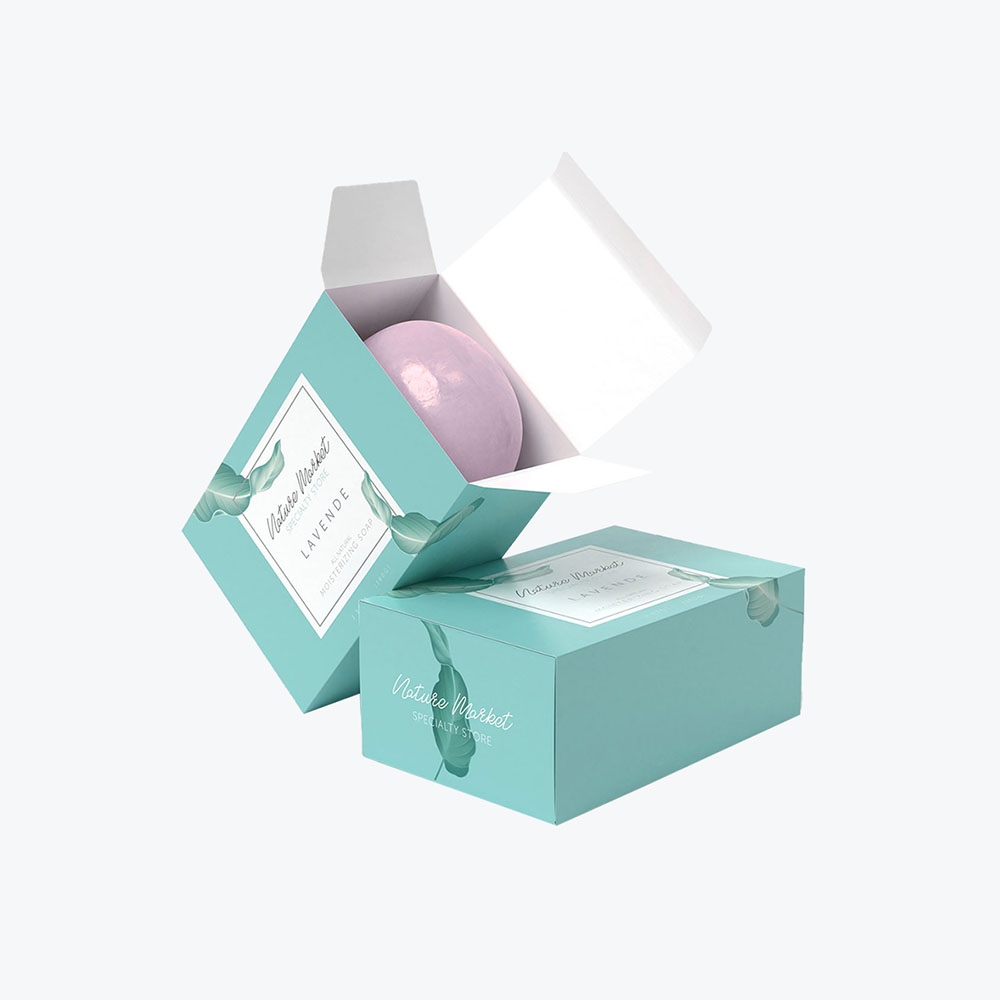
Branded stickers. Branded stickers can be used for marketing, displaying a company’s logo, slogan, or brand colors. These can be both decorative and practical, serving as a seal while also making the brand memorable for customers when they open their packages.
Benefits
Having a custom label design can boost recognition and add credibility to your brand. Here are a few reasons why you ought to consider getting sheet labels.
Cost-effective branding. Custom labels make packaging look more professional without the cost of full custom packaging. They also help your product stand out without your having to change packaging or product design.
Flexibility for small batches. Custom labels, particularly from Refine Packaging, are available in low minimum order quantities. They allow brands to test out different designs or images before scaling print production.
Easy to update designs. Sheet labels allow brands to modify logos, artwork, or colors without redesigning the entire packaging. This helps them keep up with market trends and adapt to changes with ease.
When to Use Labels Instead of Printed Boxes
Are custom sheet labels better than custom printed boxes, then? Not all the time. Here’s when it’s advisable to get labels first:
Low MOQ needs. Generally, when your quantity requirements are minimal, custom labels are more economical.
Testing a new brand. Using custom labels helps brands experiment with their branding and gather feedback before investing in full packaging, as labels can be attached to generic packaging.
Budget constraints. Custom labels are a low-cost way to present brand identity without investing in expensive custom packaging. Labels also minimize financial risk as they can be ordered in small amounts, preventing overstock and wastage.
Custom Paper Bags
What Are Paper Bags in Packaging?
Paper bags are typically used to protect and transport products, and can be produced in different styles, making them easily customizable. They are also considered more environmentally friendly than plastic packaging.
Types of Paper Bags
Kraft paper bags. These unbleached bags made from wood pulp are considered more sustainable than single-use plastics. Thicker ones resist tearing and can be used for groceries, food delivery, or retail goods.
Luxury laminated bags. These are made from high-quality paper and may come in gloss, satin, or matte lamination. They’re great for brands that want more premium packaging.
Twisted handle vs. rope handle. Twisted handles are made from twisted paper and are typically more durable and eco-friendly, while rope handles are softer, thicker, and more comfortable to hold.
Benefits Eco Friendly Paper Bags
Why use custom paper bags along with your product packaging? Here’s why they’re worth investing in:
Enhances retail presentation. Everything looks better when they’re packaged well.
Reusable and eco-friendly appeal. Paper bags can be reused multiple times. Customers can repurpose them for everyday use and can recycle them easily, unlike plastic alternatives.
Extends brand visibility beyond the store. Aside from the convenience, paper bags can serve as mobile advertising, as customers carry them around.
Display Boxes (Retail-Ready Packaging)
What Are Display Boxes?
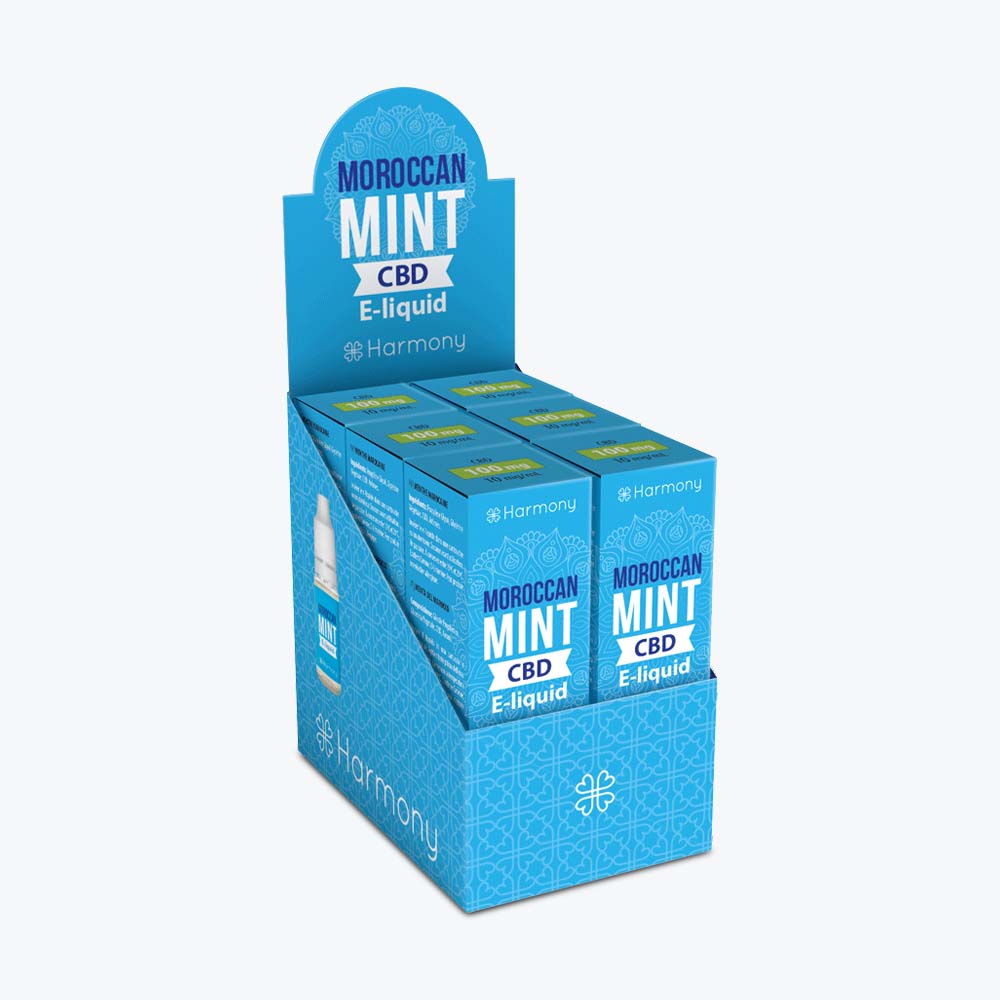
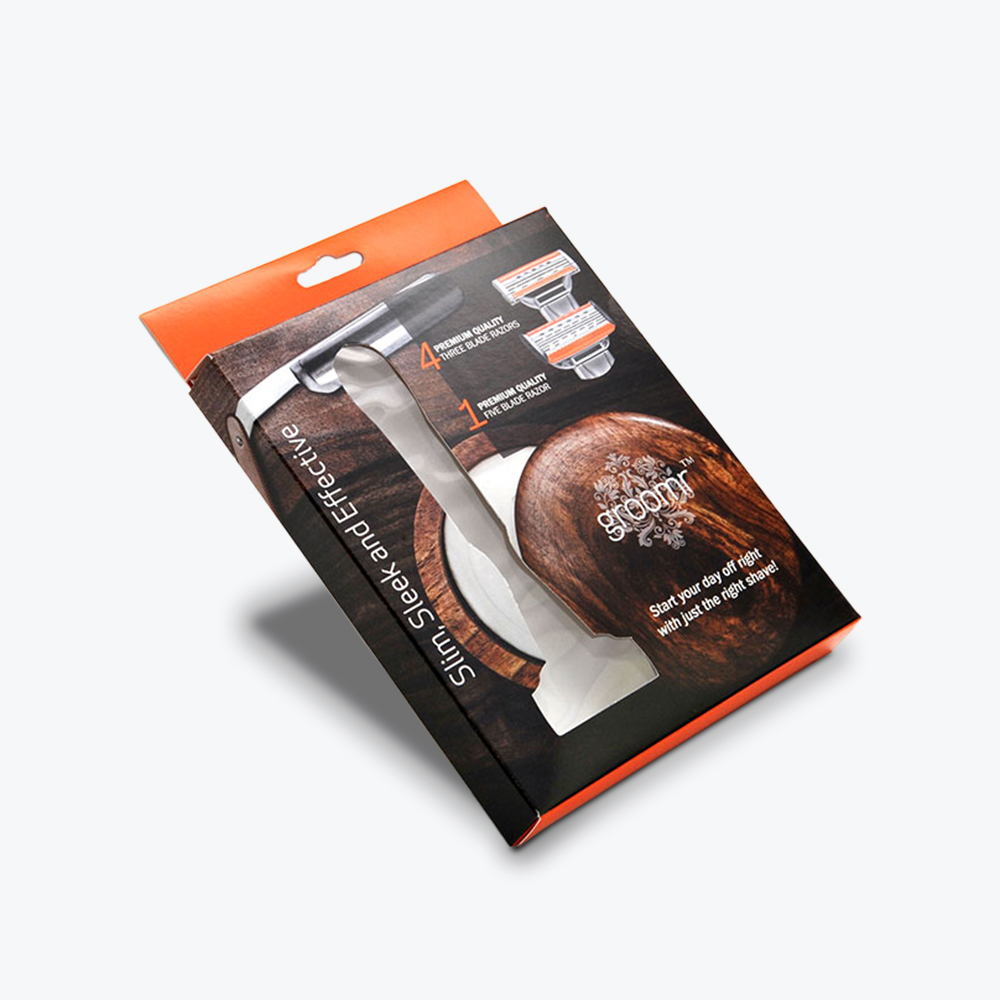
Display boxes are designed to make your products easily identifiable, serving as an in-store display while also protecting products. Display boxes make it easier for customers to access products while serving as an effective in-store marketing tool.
Types of Display Packaging
Counter display boxes. Placed near the counter, these boxes tempt customers to grab a product before checkout. They’re quite effective in prodding customers to try new products.
Shelf-ready packaging. Shelf-ready packaging makes it easier to transport and restock items, as the packaging is designed to be easily opened and displayed.
Point-of-purchase displays. POP displays place products strategically near high-traffic areas, so they stand out and make products easier to discover.
Benefits
Invest in custom display boxes if you want stocks rolling off the shelves. They help:
Improve product visibility. Eye-catching design and strategic placement make products more noticeable, especially in a store with a range of competing products.
Encourage impulse purchases. Counter display boxes create a sense of urgency that makes customers want to add your products to their cart right before they check out.
Combine packaging and marketing. By serving as both a container and an advertisement, display packaging is a cost-effective choice for maximizing marketing while keeping additional costs low.
How to Choose the Right Add-Ons for Your Packaging
Now that you know your options when it comes to custom packaging inserts, let’s talk about which ones actually add value to your products and brand. Here are the main factors to consider:
Product type and fragility
Fragile items, like glassware or electronics, require safety and shock absorption, so foam inserts or custom die-cut inserts are a must for these types of products. For apparel, books, and other less fragile items, customized packaging insert cards and labels would be enough to add a premium feel.
E-commerce vs. retail needs
In e-commerce, add-ons are mostly focused on keeping products safe during transit and creating a better unboxing experience, so packaging inserts and labels are ideal. In retail, packaging add-ons are chosen to attract customer attention and increase brand visibility, so display packaging, like POP displays, can help your products stand out.
Branding goals and customer experience
Add-ons should align with your overall branding goals and the experience you want to create for your customers. For luxury brands, premium inserts and laminated boxes create a more exclusive feel. Brands that want to bring focus to their sustainability efforts may connect better with eco-conscious buyers by using packaging inserts made from recyclable materials.
Budget considerations
Not every add-on has to be the most luxurious, expensive choice. When choosing add-ons, it’s more important to consider high-value options that won’t set your production budget off tangent.
This table can help you choose which add-ons you need.
Add-on
Protection
Branding Impact
Cost
Best For
Inserts
High – cushions and secures products
High – enhances product presentation and unboxing experience
Low to High, depending on material
Fragile items, multi-product packaging, and luxury or premium products
Labels/Stickers
Low – mainly decorative
High – boosts brand image and recognition
Low
Brand or product testing, low MOQ needs, and limited budgets
Paper Bags
Medium – may protect from shifting
Medium – enhances presentation
Low to Medium
Retail goods and eco-friendly brands
Display Boxes
Medium – protects products on display
Very High – increases visibility and encourages purchase
Medium to High, depending on material and size
Retail stores and POP marketing
In addition to these add-ons, consider exploring popular finishing techniques. Embossing and debossing add dimension to packaging by creating raised or recessed designs, while matte and gloss lamination enhance both the look and feel with either a soft, velvety finish or increased color vibrancy. Spot UV coating provides a high-gloss accent to selected areas, helping key design elements stand out and creating a more premium presentation.
In most cases, a combination of different add-ons delivers the biggest impact on customer satisfaction and brand image. Check out the most common combinations of packaging add-ons for different product types:
Product Type
Add-Ons
Food
Labels, paper bags, display boxes
Jewelry
Foam inserts, pouches
Cosmetics
Labels, die-cut inserts, display boxes
Electronics
Foam inserts, stickers
Cost Considerations for Packaging Add-Ons
Material choice
Premium materials usually increase expenses, while cheaper materials like cardboard or paper tend to be more budget-friendly. For example, a cardboard insert may add just ten cents per unit to your packaging costs, while a die-cut EVA foam might set you back more than five dollars per unit.
Customization level
Simple custom materials like labels tend to be more affordable, while highly customized designs like uniquely shaped packaging or sizing can increase your expenses. Custom molds for complex inserts, for instance, can have additional tooling charges worth over $1,000.
Order volume
Production costs often decrease as order quantities increase. Businesses placing larger orders can typically achieve lower per-unit costs, making premium add-ons more affordable at scale.
Integration with primary packaging
Add-ons need to work well with the main package. Custom inserts can make the packaging look better and protect your products more effectively, but will usually come with higher production costs than standard add-ons.
Overcomplicating packaging with unnecessary add-ons
Adding too many add-ons can easily increase costs without adding much value for your customers. Instead of splurging on packaging inserts, focus on add-ons that genuinely improve protection and the unboxing experience.
Ignoring cost vs value balance
Investing in the most expensive add-ons without considering what they do for your product can hurt profitability. The best add-ons are the ones that provide the most value to customers while keeping costs low.
Choosing inserts that don’t fit properly
Loose inserts can cause products to get damaged more easily and will look unprofessional. A good insert should fit your packaging properly and ensure that your product looks good.
Missing branding opportunities with labels and bags
Adding your logo, slogan, or brand colors can make your packaging more memorable and can help strengthen brand recognition without spending too much.
Complete Packaging Solutions with Refine Packaging
Still sourcing your inserts from one supplier and your packaging from another? Refine Packaging makes it easy for brands by providing both.
We manufacture everything from custom boxes to die-cut inserts that match your products. Easily pick from cardboard, foam, or sustainable materials to get the protection and presentation your products need.
At Refine Packaging, we offer premium, colorful printed labels and stickers that help your brand stand out. Our flexible order quantities for custom labels are perfect for startups or growing brands still testing the waters.
Market your brand with custom bags in different styles and finishes. From gift bags to eco-friendly kraft options, we create branded retail bags that securely carry your products and make your brand recognizable.
Improve your brand’s in-store visibility with our custom display boxes designed to put your products in the spotlight. We offer everything from custom display boxes to shelf-ready promotional packaging solutions that help your brand attract customer attention.
Why Choose Refine Packaging for Add-Ons
Refine Packaging helps your brand get packaging that actually suits your product. Our commitment to quality ensures your branding stays consistent. We also make it easy for brands to start with small, so you can experiment with different types of packaging or labels without worrying about oversupply.
So, choose Refine Packaging to get:
Seamless integration with your custom boxes
Consistent branding across all packaging elements
Flexible MOQ and scalable production
Design and structural support
If you need advice for your brand, Refine Packaging can help you optimize your packaging system. Contact Refine Packaging now to create packaging that works better for your products in style and functionality.
How to Build a Complete Packaging System
Now that you know more about custom packaging add-ons and where to get them, let’s start building your system.
1. Combine primary packaging with inserts and add-ons
There’s no need to start from scratch. Make packaging easier for you by combining our primary packaging with customized inserts and add-ons that elevate your packaging instantly.
2. Align packaging elements with brand identity
Aligning your packaging elements with your brand ensures that your product presents your brand identity to customers. By choosing a specific structure for packaging, as well as consistent color palettes and logos, your brand will be sure to be recognizable.
3. Optimize for both protection and presentation
To optimize packaging, choose reliable packaging and inserts that keep your products safe during shipping. Then, customize your packaging to reflect your brand.
Think beyond the box. Refine your packaging.
Add-ons do much more than protect your products. They can help strengthen your branding, make your brand memorable, and enhance your customer experience. Every small detail, from customized labels to display packaging, adds value. Don’t just think outside the box, think beyond it with Refine Packaging. Consult with our packaging specialists now to learn more about our full range of custom packaging boxes and inserts.
Erica is a professional writer and brand strategist at Refine Packaging who is based in Denver, Colorado. With a background in writing and journalism, Erica entered the manufacturing industry 8 years ago to deepen her passion to demystify difficult packaging concepts. With years of in-the-field printing experience, Erica is uniquely suited to help unpack the custom packaging process for beginners looking for an impactful box style that resonates with their target audience. When she’s not writing, Erica can be found with her nose in a fantasy novel or climbing The Rocky Mountains (and sometimes, doing both at the same time).






 Alex Jasin
 Asif Muhammad

 Erica Campbell

.svg)
Share