Custom boxes vs stock boxes is a key consideration for growing businesses.
“Is our packaging helping us sell — or just quietly eating into our margins? Is it time to invest in custom boxes that carry our brand identity?”
New and small business owners often raise these questions as their business grows and customer expectations rise. Because at some point, packaging stops being just a container and starts becoming part of the product.
And in highly competitive markets, it’s the product packaging that shapes first impression and tips the scale at the point of purchase. It’s what makes your product stand out (or fade) in a crowded marketplace of similar products.
So how do you decide which one to choose?
That’s what we explore in this article. We start by understanding the pros and cons of each packaging type, then go through their key differences. This would help guide you in deciding which side to take in the custom boxes vs stock boxes match.
What Are Stock Boxes?
Stock packaging is pre-made boxes that you can order in fixed stock sizes in bulk. These are the familiar plain boxes you can order in bulk today and have delivered to your doorstep within a couple of days. If you’re near a packaging warehouse store, you may even purchase off-the-shelf straightaway — no waiting, no customization.
Stock boxes are widely used as everyday shipping boxes and generic packaging boxes across various industries. For small businesses, these are often the go-to product packaging solution due to their lower cost and accessibility.
Stock Box Comparison
Metric
Pros
Cons
Cost & Accessibility
Affordable
May have higher shipping costs due to extra dimensional weight
Availability
Readily available
—
Order Flexibility
No strict minimum order quantities
—
Fit & Efficiency
—
May not match product dimensions
Packaging Materials
—
Requires fillers like bubble wrap
Branding
—
No brand recognition
What Are Custom Boxes?
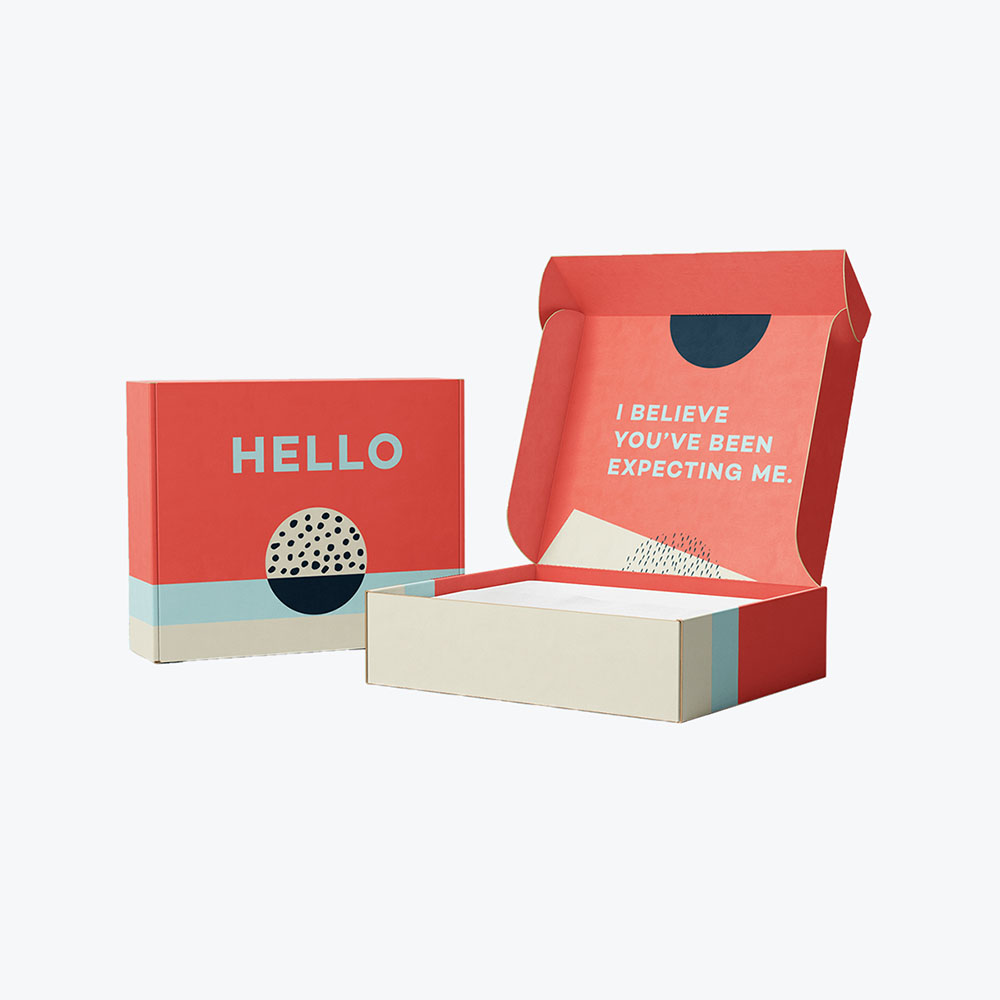
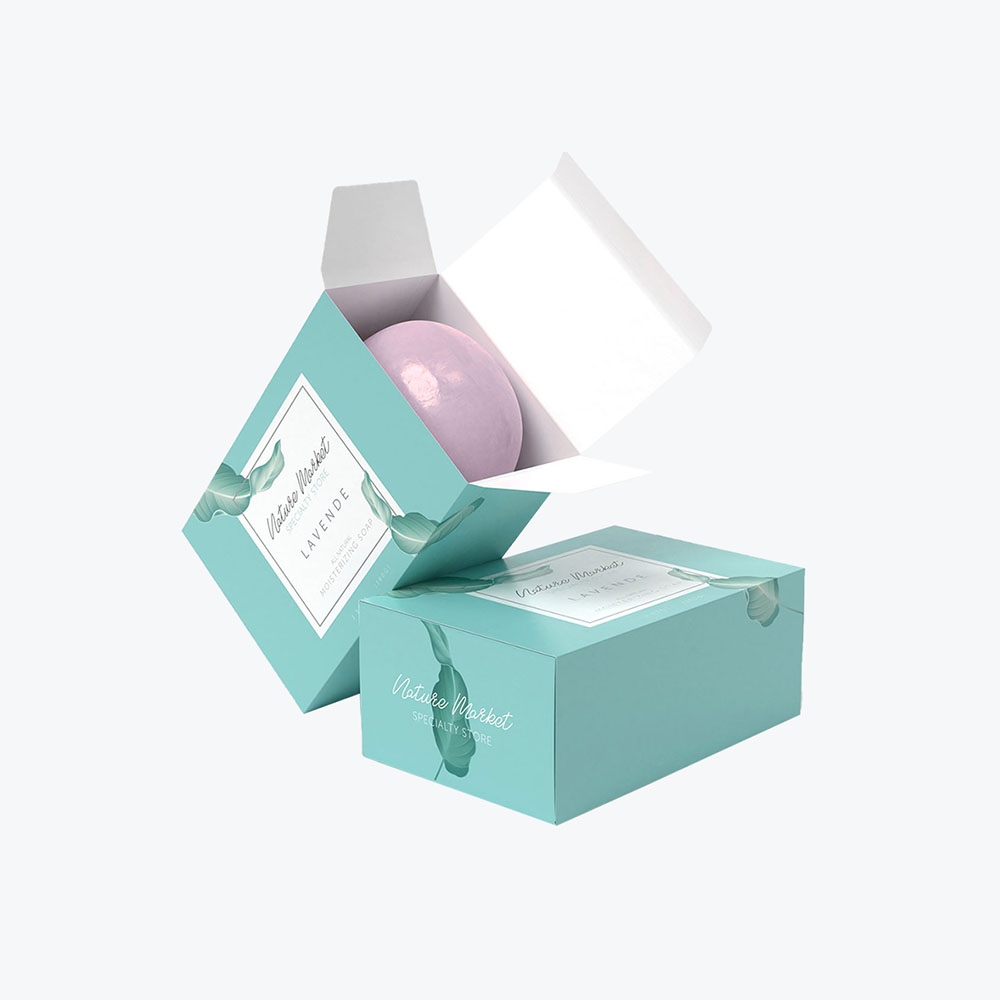
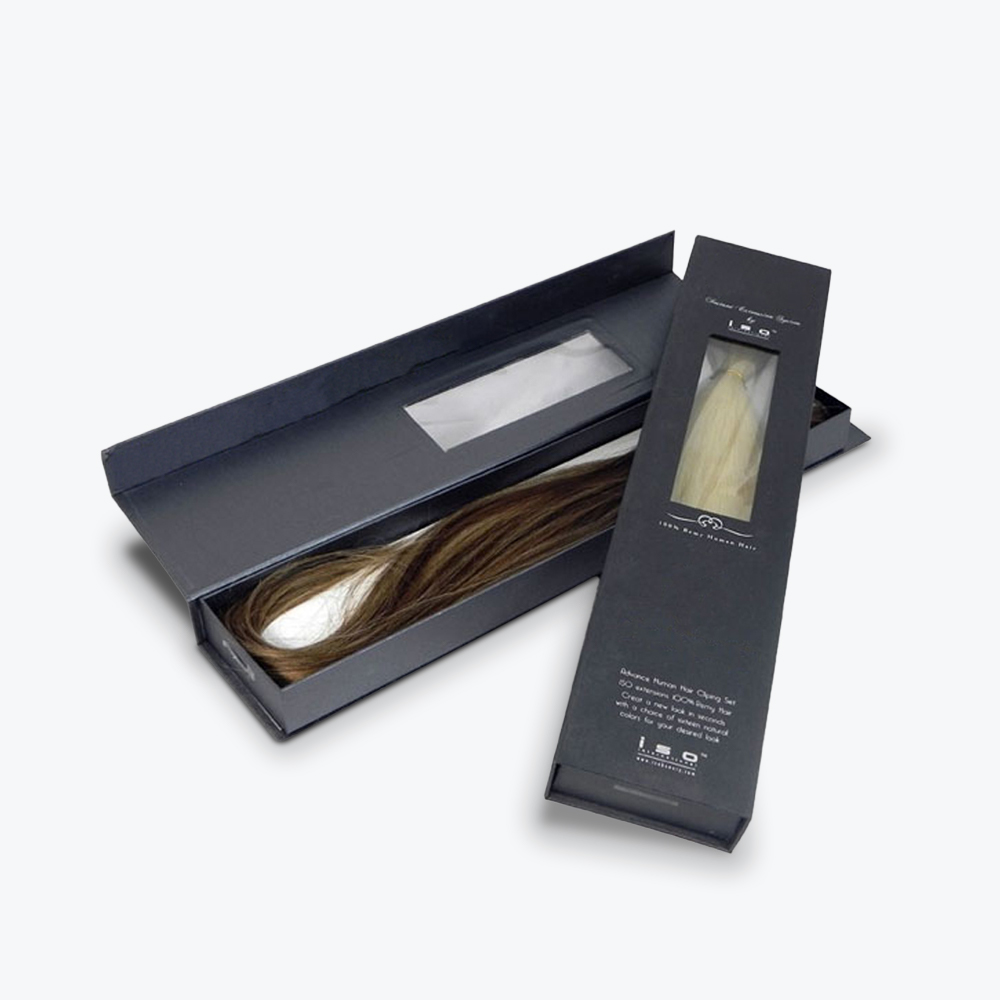
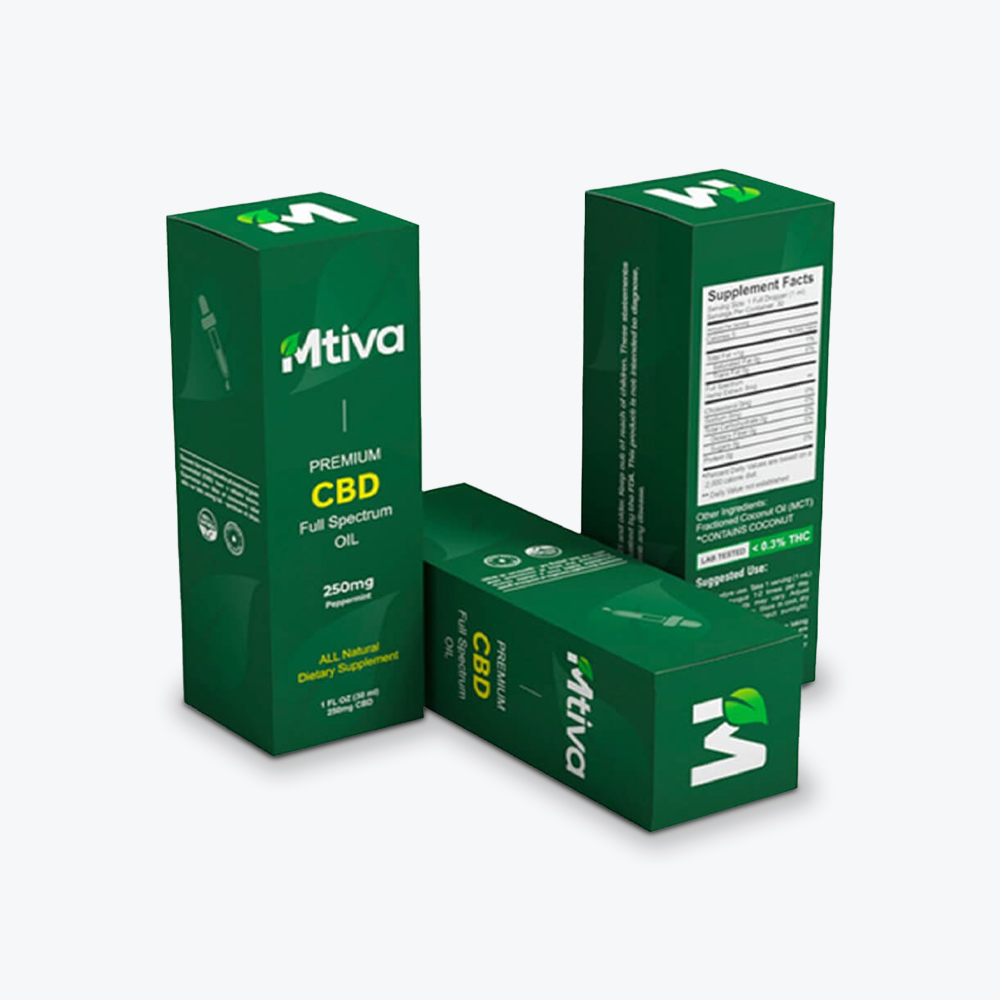
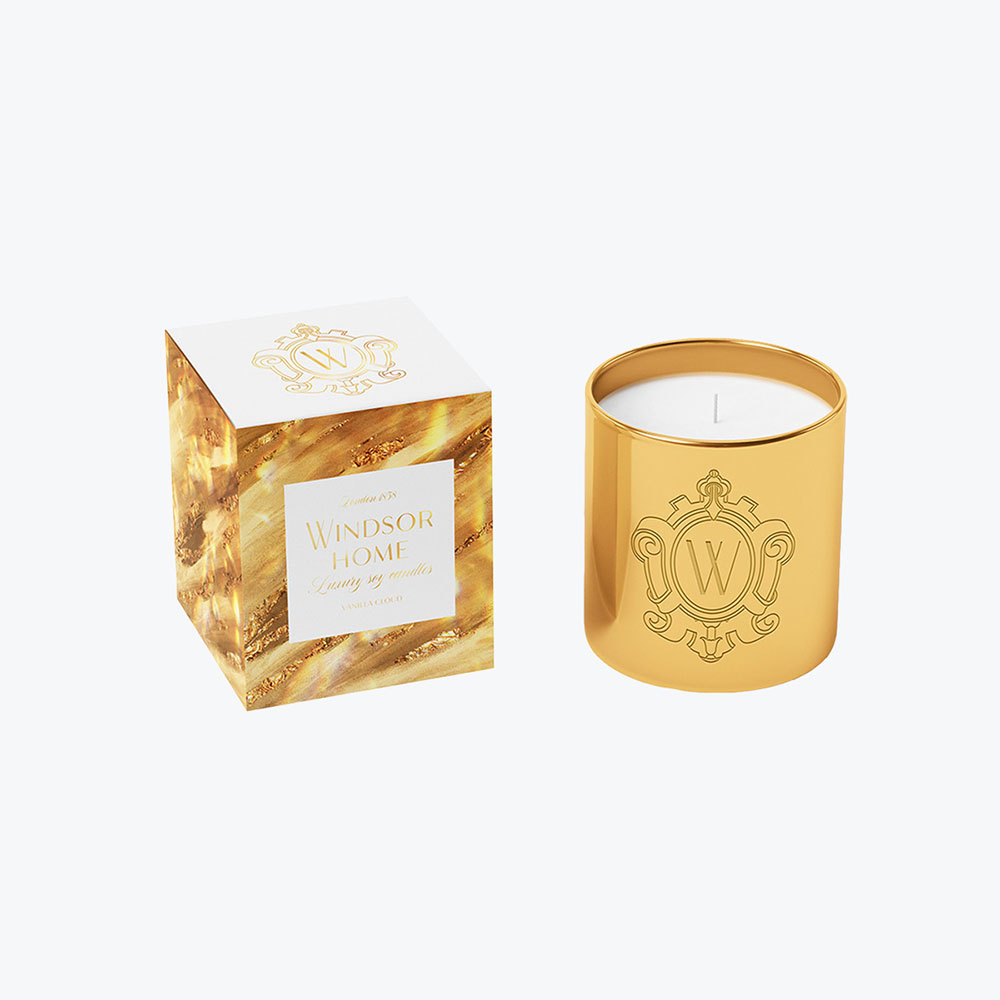
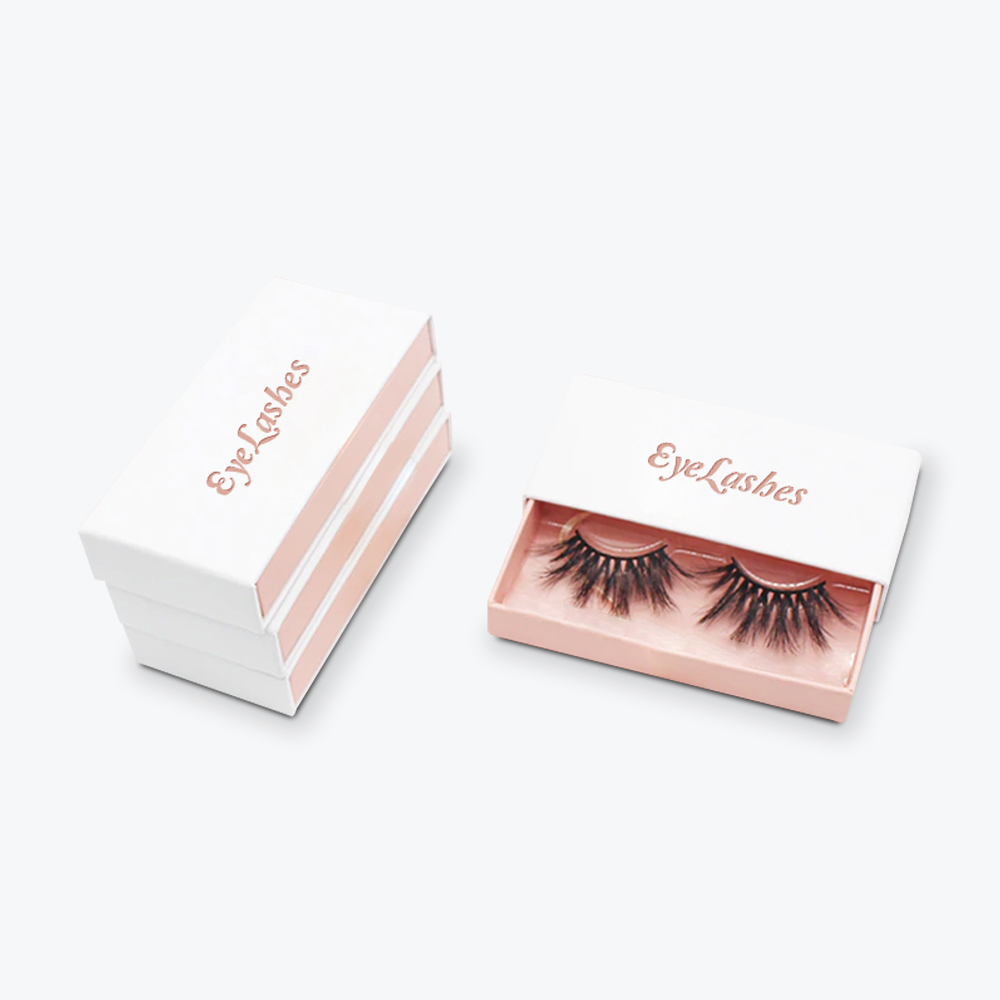
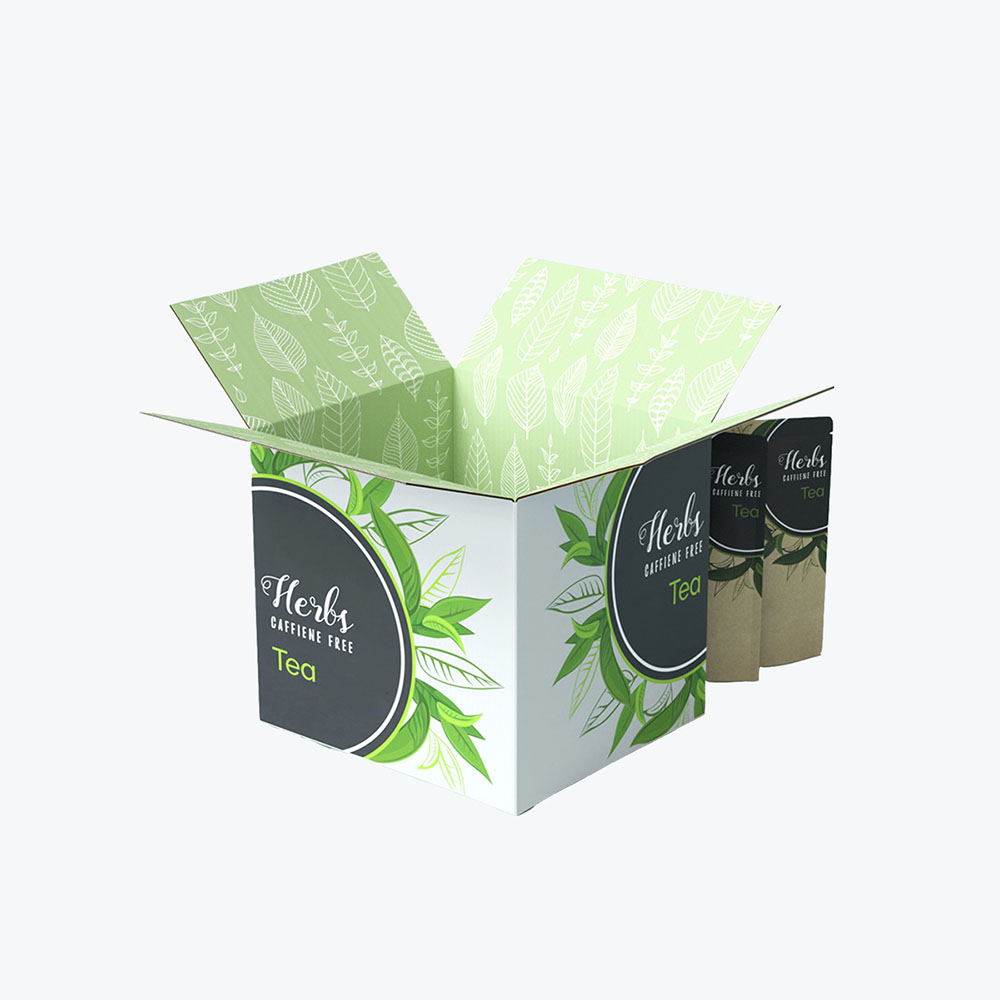
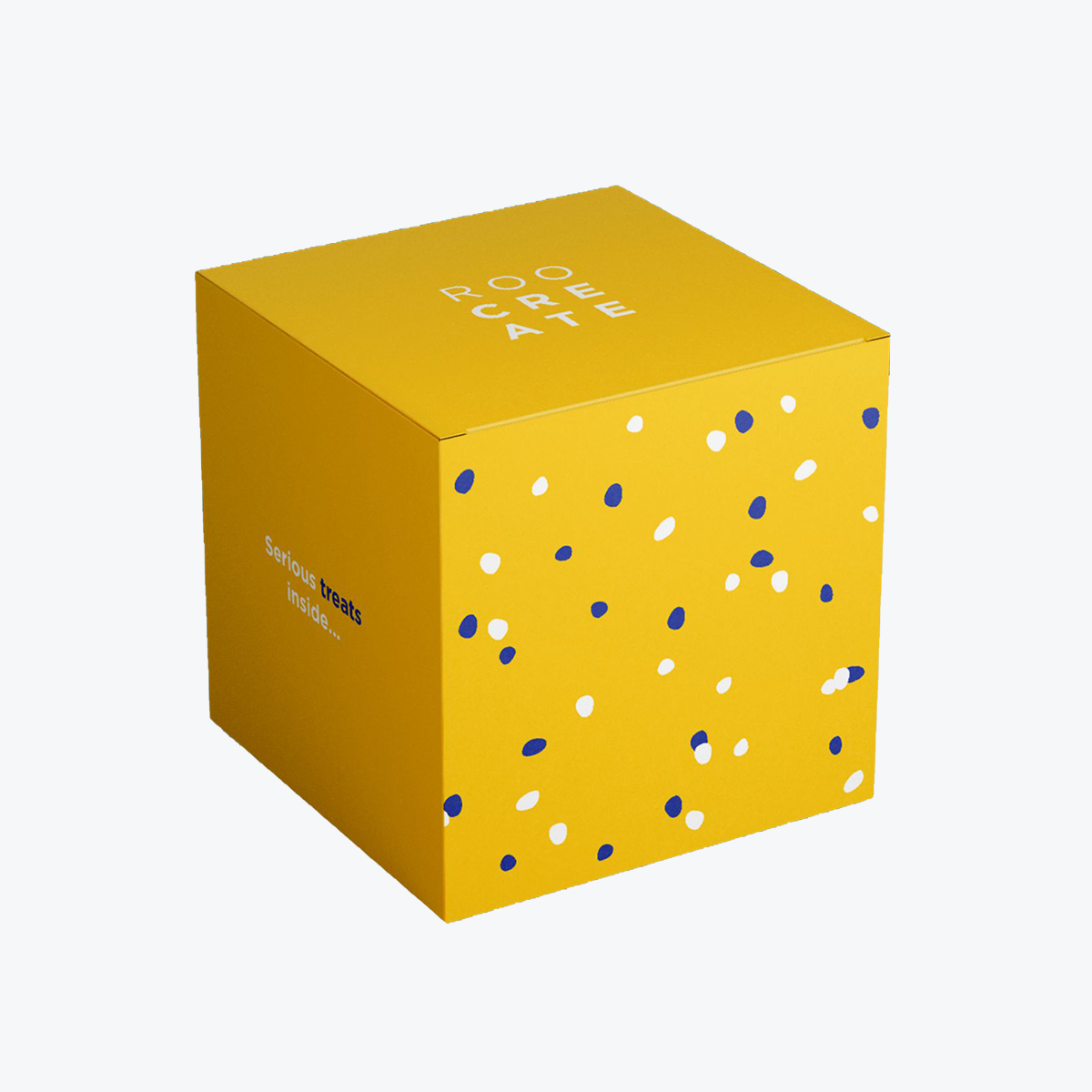
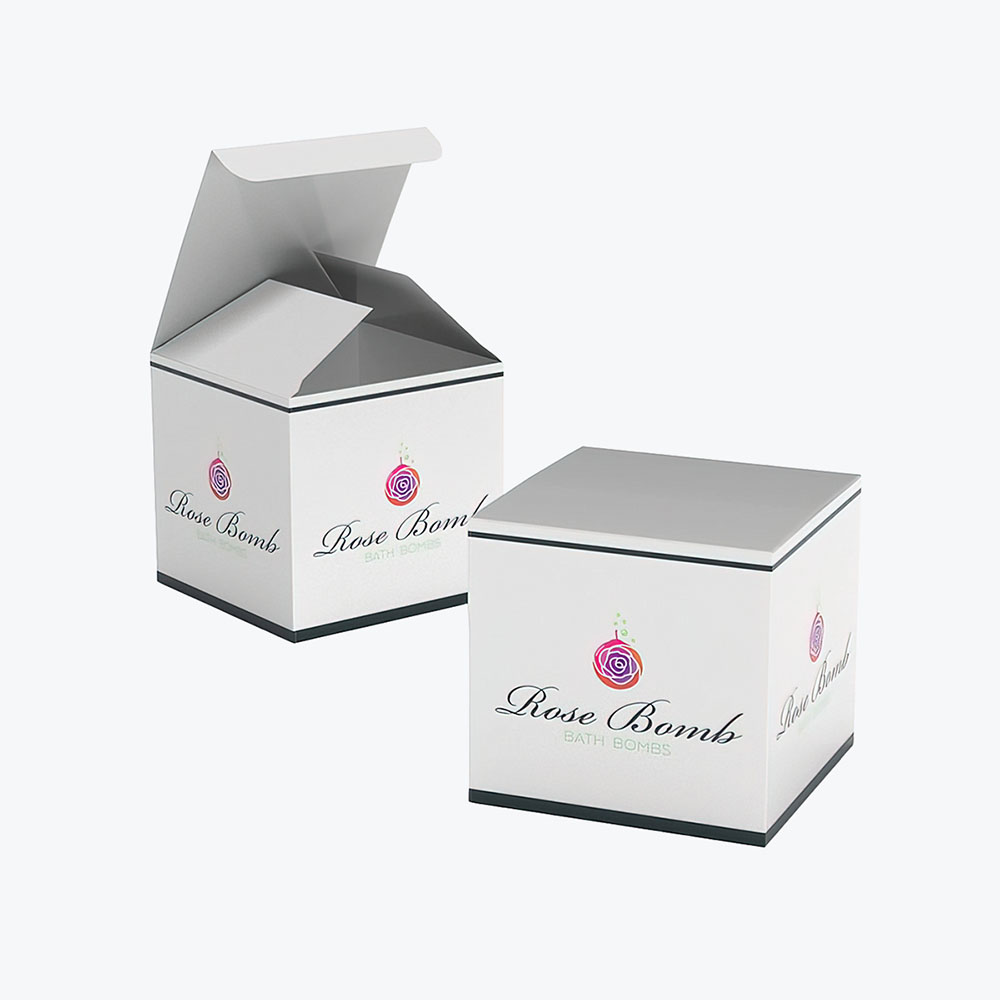
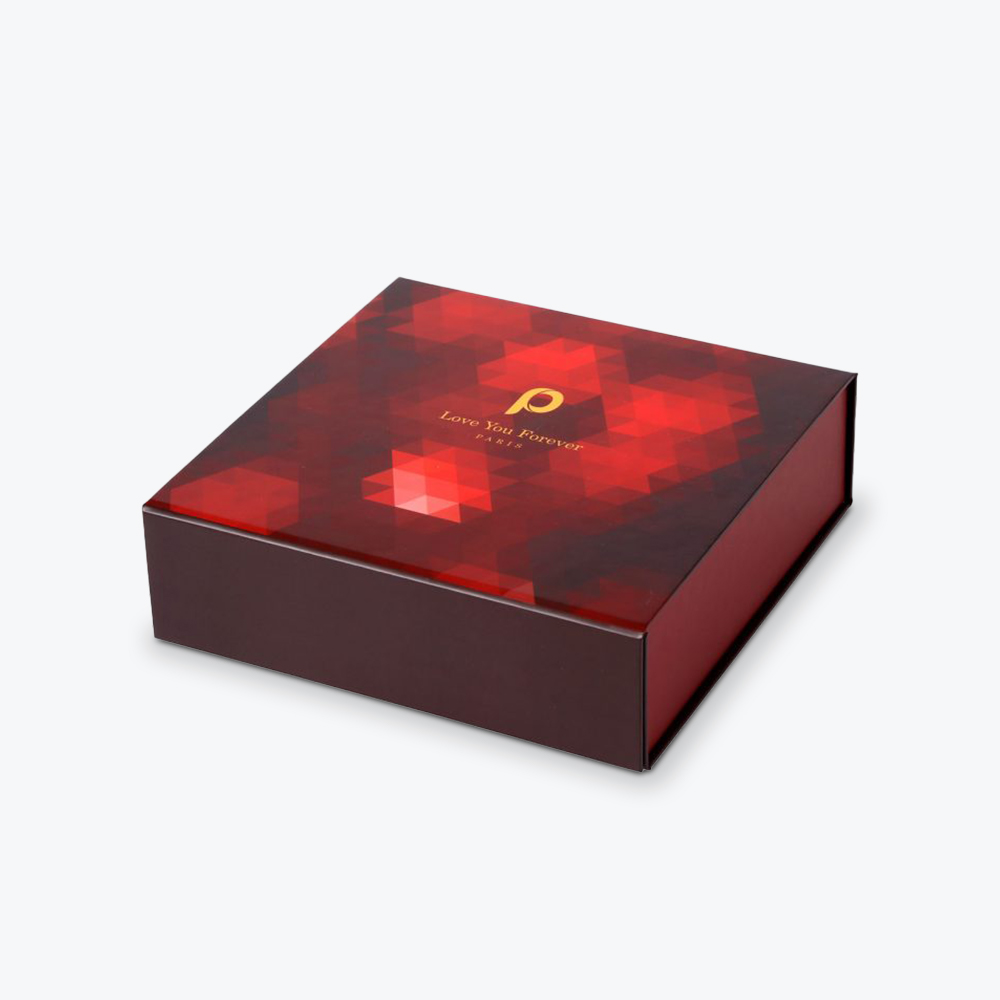
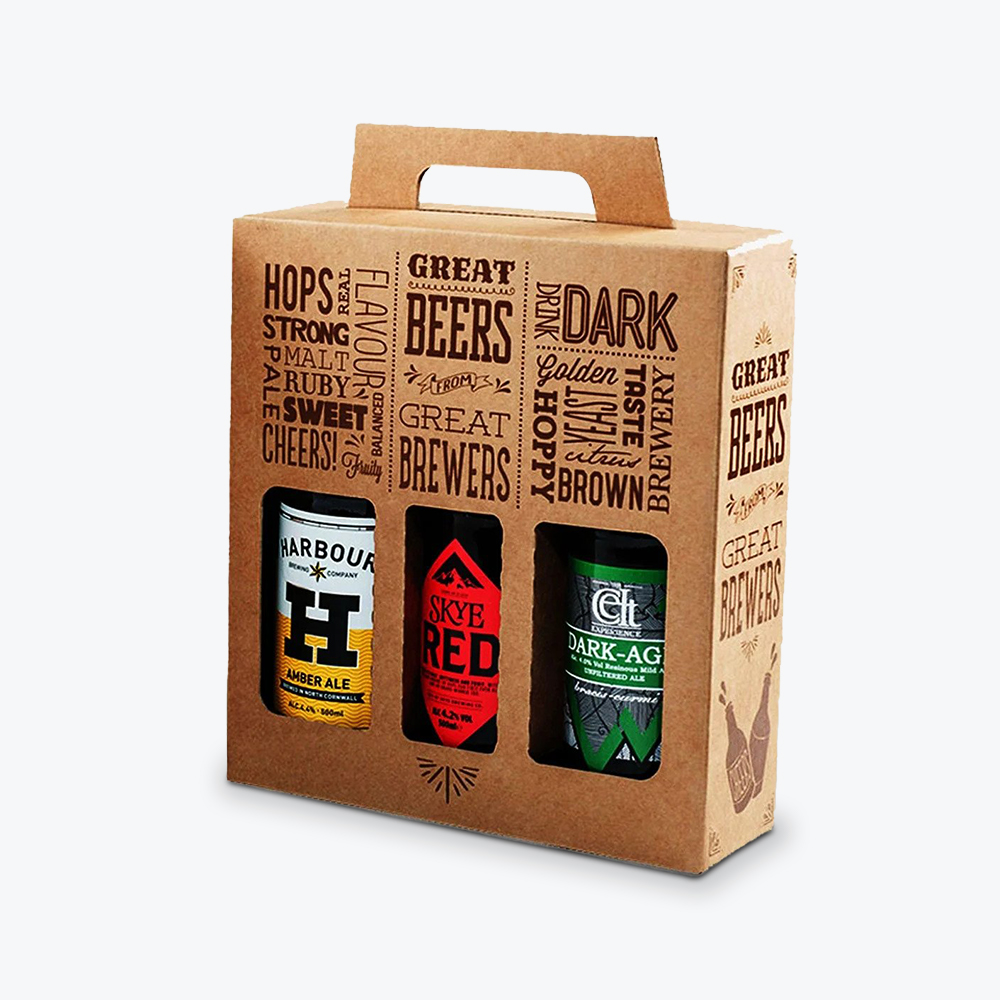
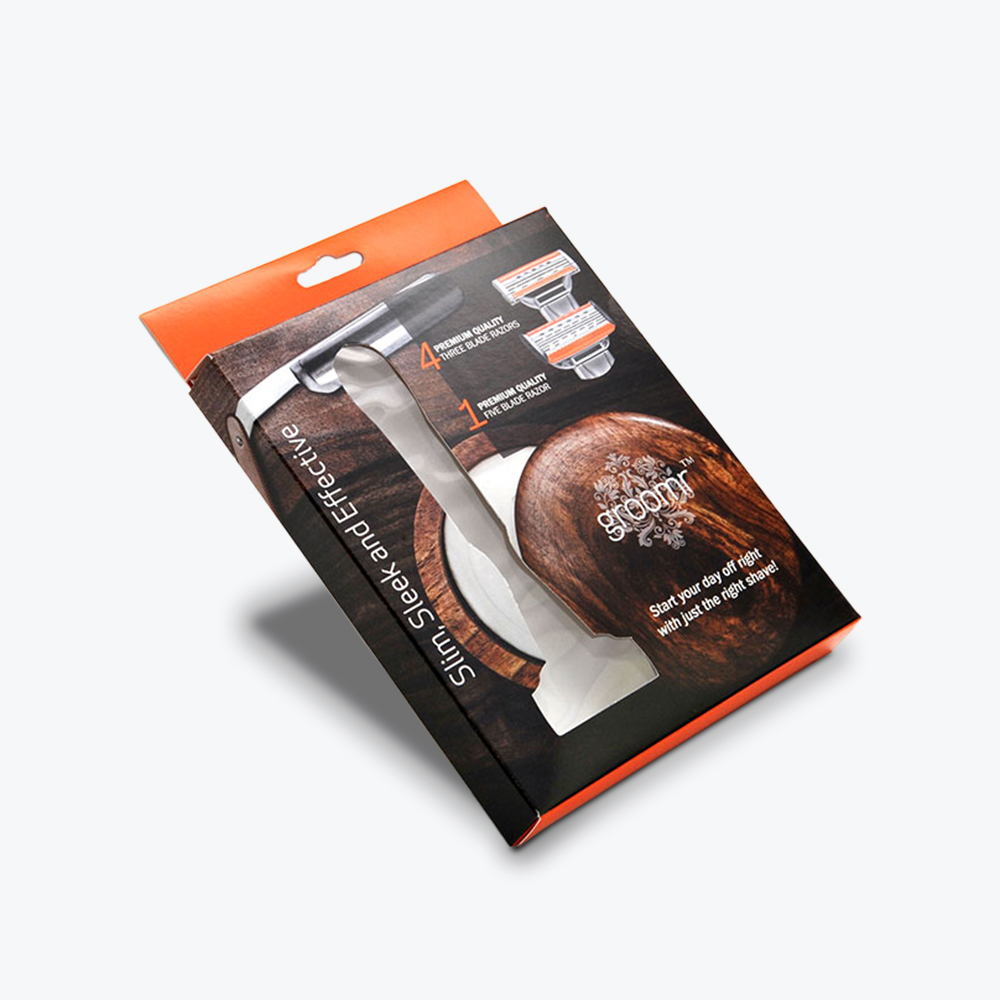
Custom boxes are packaging solutions built around your product. They’re fully bespoke packaging with intentional structural design, which means they match your product’s exact dimensions, cushioning needs, and protection requirements.
Aside from a perfect fit, custom-sized boxes also typically offer:
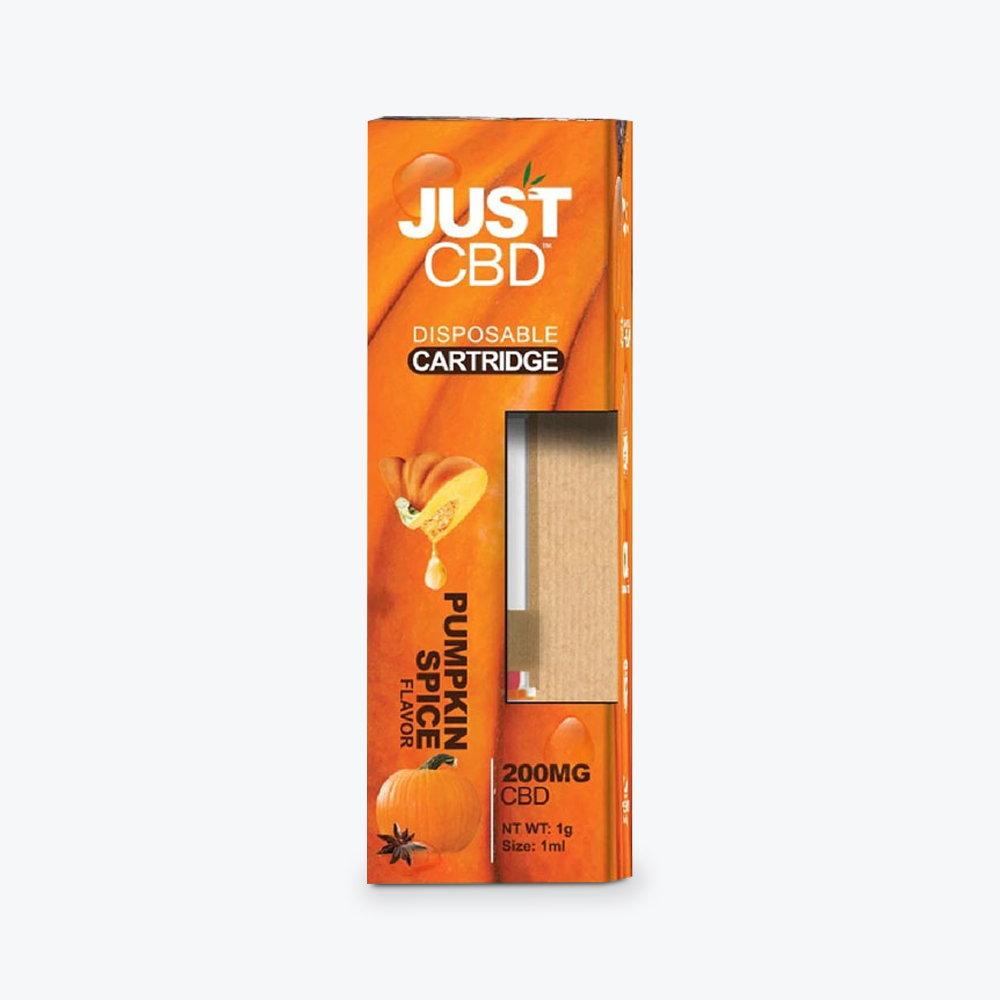
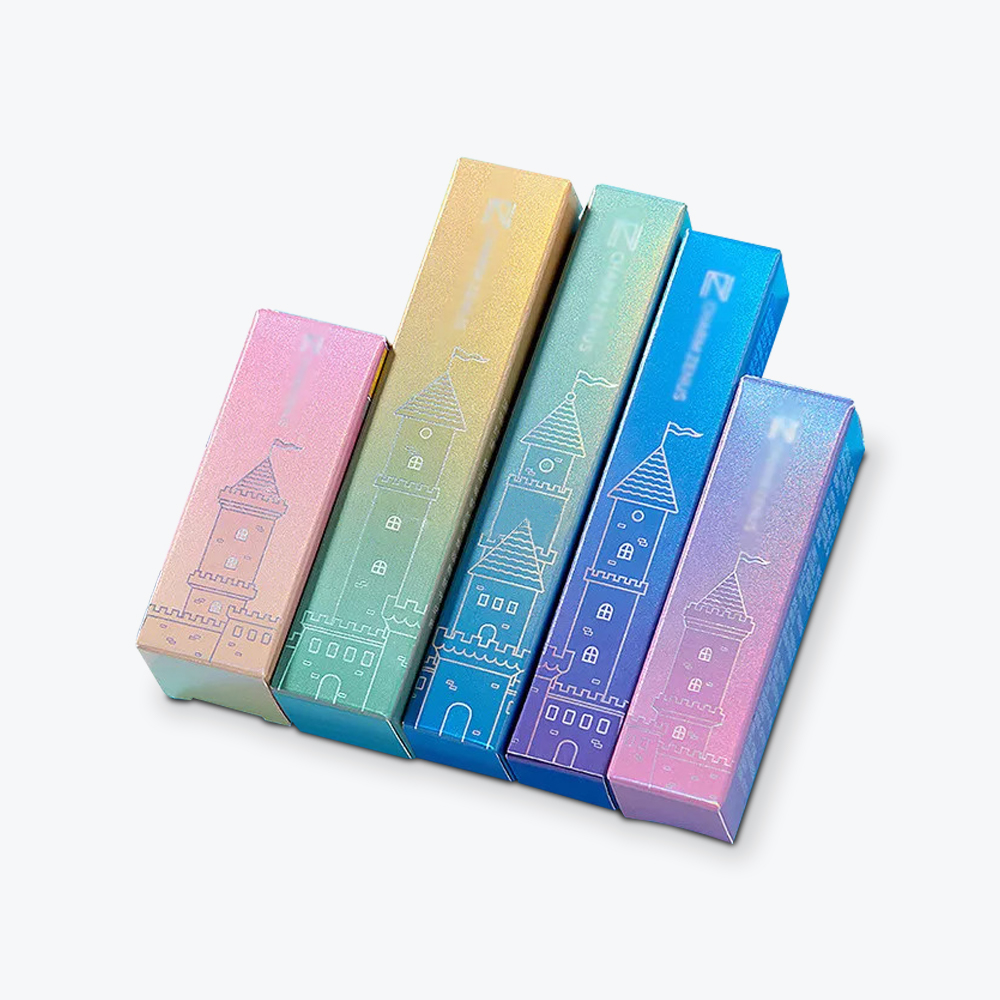
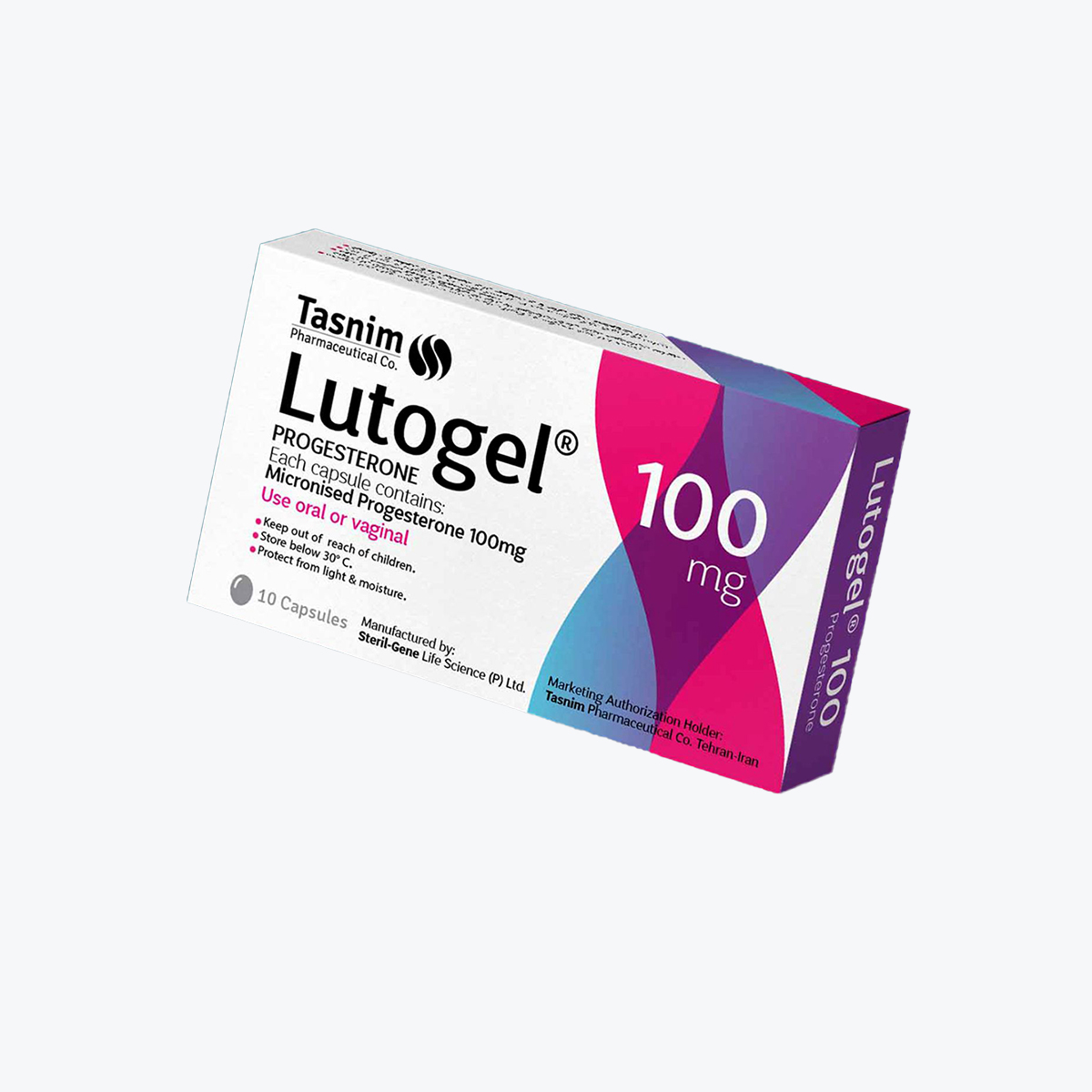
Full custom printing, including printed logos, brand colors, and images
Packaging design aligned with brand identity and messaging
Superior protection for fragile or uniquely shaped items
—
Shipping Efficiency
Less wasted space during shipping
—
Cost Structure
—
Higher initial investment
Order Requirements
—
Requires minimum order quantities
Production & Lead Time
—
Longer production and delivery time
Key Differences That Impact Your Business
So how do you decide when it comes to custom boxes vs stock boxes? Here are some of the most important factors to consider before making your decision.
Cost and Flexibility
When it comes to cost, stock packaging is cheaper upfront. However, the catch is: you may end up spending more on packaging materials.
If your product doesn’t match the stock sizes, you compensate — wrapping the item in multiple layers of bubble wrap and padding extra spaces with inserts. That means:
Additional packaging costs
Larger dimensional weight
Higher shipping costs
Over time, these hidden expenses chip away at your margins. So stock boxes may not always be the most sustainable choice in the long run.
With custom packaging, you invest more upfront but gain cost efficiency in the long run. A tailored fit reduces wasted space, which in turn eliminates the need for excessive fillers and inserts. It also reduces dimensional weight to optimize shipping and lower shipping costs. Long-term, total costs may not vary that much at all with stock boxes.
So the question here is: Do you want lower upfront cost or more cost-effectiveness over time?
Brand Identity and Perception
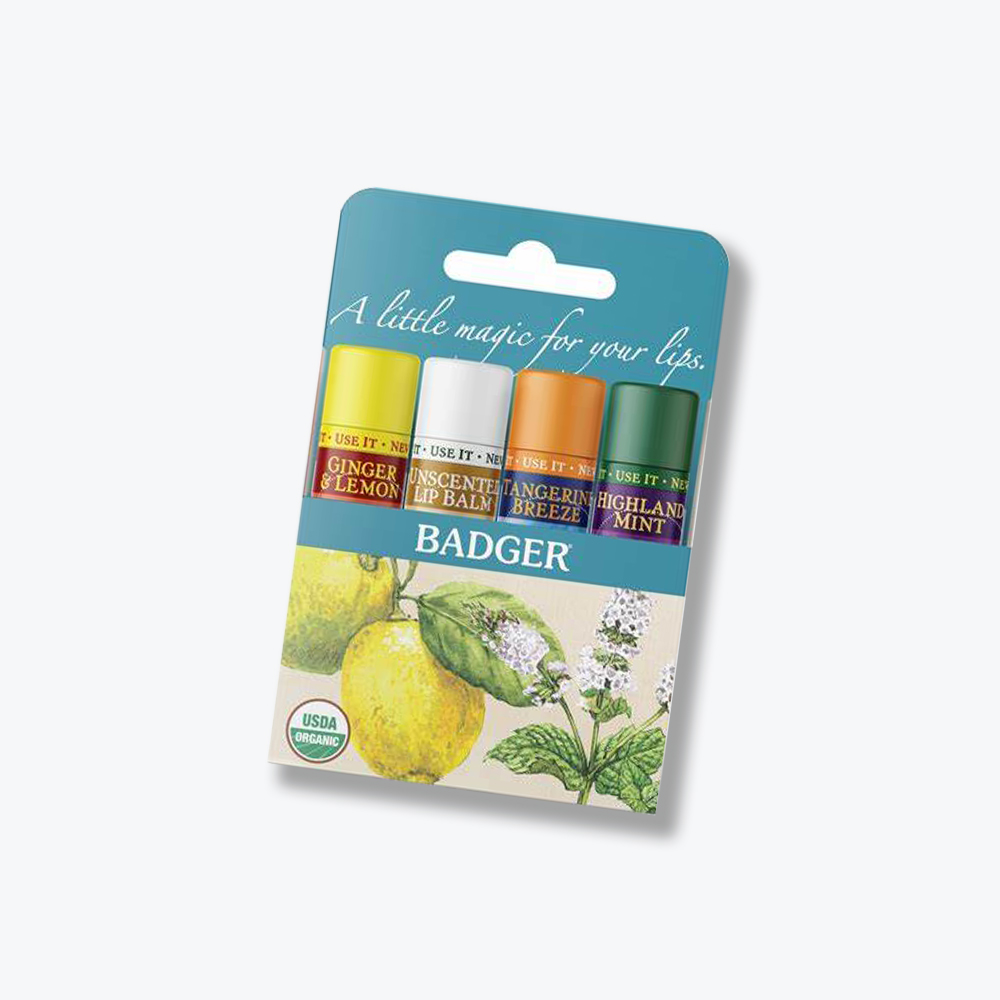
In customized packaging, every detail, including brand colors, printed logos, and personalized messaging, reinforces your brand identity.
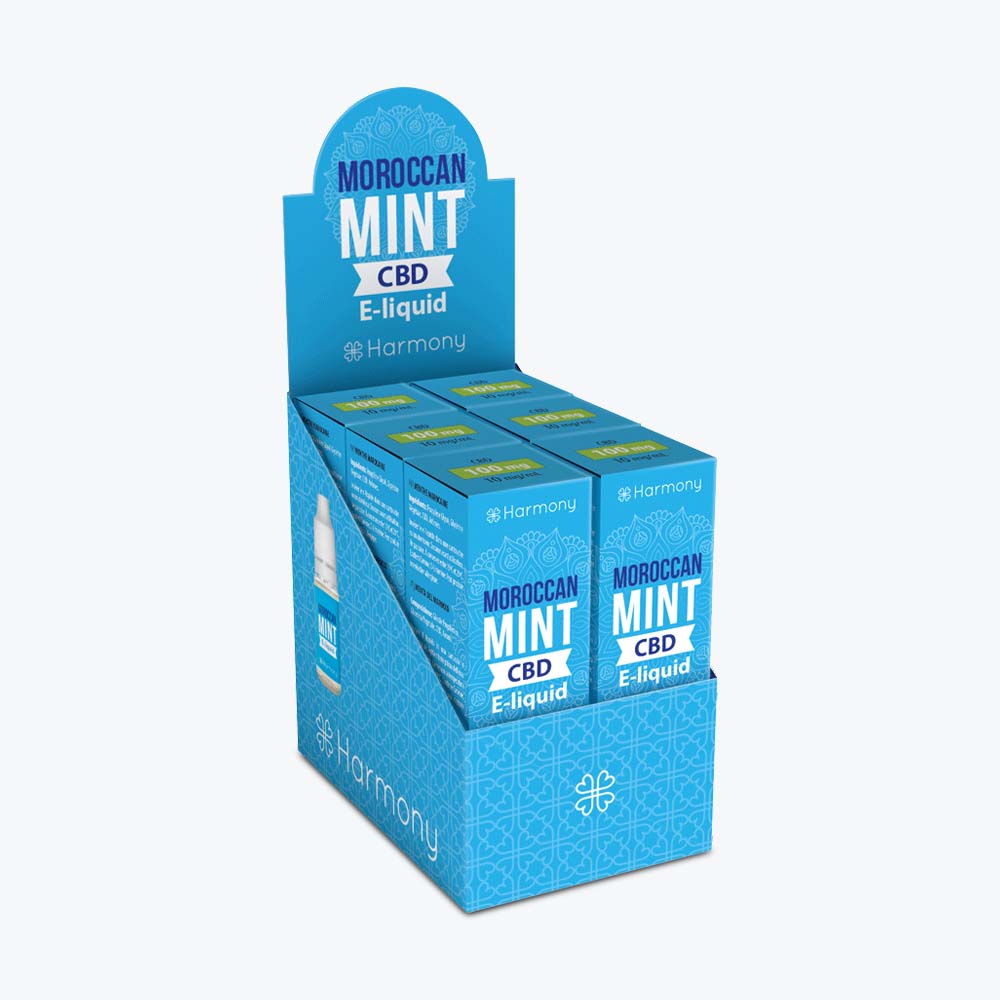
When well-designed, product packaging carrying your brand identity increases the perceived value of your product, especially for subscription boxes and items displayed on retail shelves. In fact, onestudy revealed that packaging type and branding influence consumer perceptions of quality and preferences.
Over time, consumers instantly recognize your brand the moment they see your packaging. They’re also more likely to choose your products because of the higher perceived value created by the custom packaging.
Although you can personalize stock boxes with stickers, ribbons, and other branded elements, they still can’t carry the same premium appeal as custom boxes.
Customer Experience
This is where custom packaging benefits become hard to ignore.
With stock boxes, your product arrives safely, but unboxing generic packaging isn’t something customers truly remember. Stock packaging serves its function, but it’s forgettable.
In contrast, personalized or customized packaging creates memorable unboxing experiences. With aDeloitte study indicating that 80% of consumers prefer brands that offer personalized experiences and are willing to spend 50% more with those brands, extending such experiences up to product delivery can be a powerful driver for revenue.
Indeed, in a competitive market, packaging isn’t just a protective box; it’s a marketing tool thattells your story and directly impacts brand recognition and customer loyalty.
Delivery Time
If you need boxes ASAP, stock boxes are the fastest to source. Since they’re pre-made and mass-produced, they’re ready to ship immediately. This makes them ideal for:
Time-sensitive product launch
Testing product demand
Unpredictable order volumes
Custom packaging, on the other hand, requires time. Designing the box structure and producing the actual boxes takes several days. Custom digital printing with brand images also adds lead time.
On average, custom-designed boxes would take at least two to four weeks from design to delivery. During that time, competitors may move ahead, which can make it a bit harder to maintain momentum in the market and keep pace with demand.
Minimum Order Quantities
Most suppliers have low MOQs for standard, non-customized boxes. Some allow stock packaging purchases with as few as 25 to 100 units, while offering lower per-unit pricing with higher order volumes.
For custom packaging, though, small order quantities are often less commonly offered. Large manufacturers may require MOQs of at least 10,000 to cover custom plate costs and other production costs.
One workaround to getting custom boxes as easily as stock boxes is to source them from custom packaging pros that offer flexible MOQs and fast turnaround times. Refine Packaging, for instance, has MOQs ranging from 100 to 500,000 and can deliver custom printed boxes in as little as four days for rush orders.
A Quick View of Key Differences: Custom Boxes vs Stock Boxes
To make the decision easier, here’s a side-by-side comparison of stock packaging vs custom packaging across the factors that matter most:
Stock vs. Custom Packaging Comparison
Metric
Stock Packaging
Custom Packaging
Upfront Cost
Lower initial cost (ideal for tight budgets)
Higher initial investment (may be prohibitive for small businesses)
Long-Term Cost
May increase due to fillers and higher shipping costs
More cost-effective over time
Shipping Efficiency
Poor (higher dimensional weight due to excess space)
Optimized (reduced dimensional weight with precise sizing)
Branding & Design
Limited customization
Full custom printing (logos, colors, images)
Brand Perception
Minimal to no impact on brand recognition
Strong brand identity and higher perceived value
Customer Experience
Generic and forgettable
Intentional, memorable, and engaging
Minimum Order Quantity (MOQ)
Low or none
Typically starts at 100+
Delivery Time
Fast (ready to ship)
Requires lead time (design, production, printing)
When to Choose Custom Packaging or Stock Packaging
Still weighing custom boxes vs stock boxes? Here’s a practical way to decide which packaging type is ideal for your business:
When to Choose Stock vs. Custom Packaging
Stock Packaging
Custom Packaging
You have standard-sized products that fit stock sizes
Your products have unique shapes or require extra protection
Your business operates on tight budgets
You want a tailored fit that reduces shipping waste
Fast delivery is important
You value strong brand identity and recognition
Branding isn’t a top priority
You want to create standout customer experiences
—
You want to build customer loyalty
In a nutshell, stock boxes are fine for small businesses starting on limited budgets, but for long-term business growth, custom boxes can help establish a strong brand presence that attracts and retains customers.
Take note, though, that you don’t have to choose just one. For example, you may use custom boxes as primary packaging and stock boxes as outer shipping boxes during delivery.
Using standard packaging for logistics and custom boxes for premium lines, subscription boxes, or high-visibility products is often the smartest move — one that many businesses today are increasingly making to balance budget and brand impact.
Frequently Asked Questions
Are custom boxes worth the cost for small businesses?
Yes, custom packaging is worth the investment, even for small businesses. The added value it brings (brand recognition, customer experience, shipping efficiency, etc.) often outweighs the initial expenses.
What are the minimum order quantities for custom packaging?
MOQs vary by supplier but typically start at 300 to 500 units. Some suppliers, like Refine Packaging, offer flexible MOQs for small businesses that start at just 100 units per order. This makes custom packaging more accessible to more businesses.
How do custom boxes improve brand recognition?
Custom boxes reinforce brand identity through the consistent use of brand colors, printed logos, and design elements. When you use branded boxes, customers recognize and remember your brand even in a crowded market.
How long does it take to produce custom packaging?
Production timelines and delivery times vary depending on the custom design, order quantity, and supplier workload. On average, it takes anywhere from two to four weeks. But some suppliers offer faster turnaround (as little as 4 days for rush orders for Refine Packaging), especially for simple designs using digital printing.
What type of packaging is best for subscription boxes?
Definitely custom packaging. Customized boxes allow for a fully branded experience that creates a strong first impression and inspires repeat purchases. Customers are also more likely to share their experiences on social media, boosting organic product referrals.
When should I switch from stock packaging to custom packaging?
Consider switching when your order volume is increasing and you want to strengthen your brand identity. Existing customers will be delighted with the improved customer experience, and potential buyers will have more awareness of your brand. When it comes to the custom vs standard boxes debate, the former is ultimately the best for business growth.
Key Takeaway
When choosing between stock and custom packaging, there’s no single choice that works for every business owner. The decision should be about alignment, and there’s no need to take just one side.
If your priority right now is speed and low upfront costs, stock packaging is the practical choice. If your goal is to build your brand and improve cost-efficiency in the long run, investing in custom packaging solutions is worth considering.
To find what’s ideal for your business, think outside the box. Don’t just look at your products; look further ahead at where you want your business to be in the future as well.
Stock boxes remain a cost-effective, easily accessible option. But if you want every purchase to make an impact on your customers, custom packaging delivers far more than just a box.
Ultimately, the right packaging solution is one that balances cost, efficiency, protection, and branding. This balance can make all the difference in building a brand that consumers instantly recognize and stay loyal to.
If you’re ready to explore custom packaging options tailored to your business needs, request a free quote from us at Refine Packaging today.
Amanda is a professional writer and brand strategist at Refine Packaging who is based in Los Angeles, California. With a background in writing and journalism, Amanda entered the manufacturing industry 6 years ago to explore her unique passion for beautifully conceptualized packaging. With years of packaging experience, Amanda has a deep understanding about how brand psychology and box design trends impact emotions and desired actions. When she’s not writing, Amanda can be found snuggling her two Beagles or outdoors sipping on sparkling white wine.








 Alex Jasin

 Amanda Jane Rivera

 Asif Muhammad
 Erica Campbell



.svg)
Share