A solid packaging strategy doesn’t start when your product is ready to ship. It starts the moment you decide what your brand is supposed to feel like to someone who’s never heard of you.
The data makes a pretty strong case for that. A 2024 survey by Mondi of 6,000 e-commerce consumers found that nearly half would not buy from an online retailer again if the packaging felt excessive or poorly considered. For e-commerce brands, that’s not a small detail to file away for later.
What makes this worth paying attention to is where the packaging decision usually sits in a founder’s priority list. Most treat it as a logistics problem, something to sort out after the product is ready and the website is live. By that point, the box gets picked for convenience, not strategy, and customers notice more than brands expect.
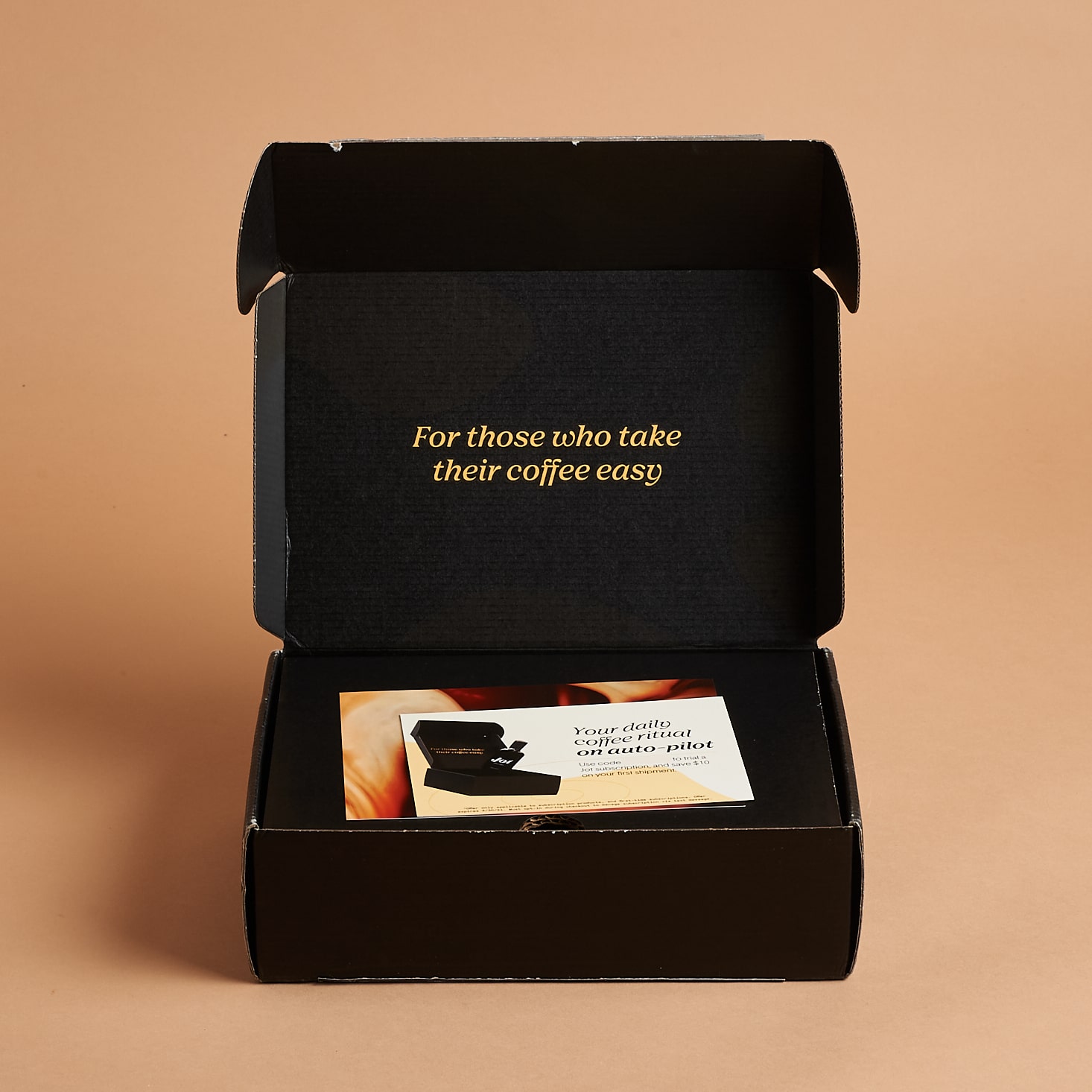
A memorable unboxing experience isn’t just a nice moment. For many e-commerce brands, it’s the only physical touchpoint customers have with the business, and if it feels rushed or generic, that impression sticks.
Branded packaging is doing image work the second it lands at someone’s door, well before they’ve even gotten to the product packaging inside. It signals quality, care, and whether a business takes itself seriously. Great packaging doesn’t require a huge budget, but it does require a plan.
This guide covers how to build a packaging strategy that fits where your business is right now, how AI tools are changing the workflow, how major suppliers compare, and what the actual ROI looks like when brands stop filing packaging under “necessary expense” and start asking what it can actually do for them.
How Packaging Impacts Business Growth
Most conversations about packaging ROI start and stop at first impressions, which misses the bulk of the story. The first purchase is where packaging gets noticed. The second one is where it earns its keep.
First Impressions and Perceived Value
Before consumers read product details or check reviews, package design is already shaping expectations. It signals price point, quality, and whether a brand has put any real thought into what it’s selling. A 2025 systematic review published in Nature’s Humanities and Social Sciences Communications confirmed that packaging design consistently functions as a key driver of purchase intent, often ahead of other product attributes. That has real effects on sales.
With 80.4% of Americans shopping online and 18.4% of U.S. retail sales revenue in 2024 coming from e-commerce, packaging plays a larger role than ever in protecting products throughout the shipping process. E-commerce packaging must absorb shock, resist crushing, and maintain a cohesive visual language across product lines to strengthen brand recognition as packaging demand continues to grow.
Branded Packaging and the Repeat Purchase Problem
Getting someone to buy once is mostly a traffic and pricing problem. Getting them to come back is where branded packaging really works, where nothing else in your marketing stack can. When the box arrives and feels considered, customers file that away. Forgettable or poorly executed ecommerce packaging reduces the likelihood of a second order. Repeat purchases don’t happen in a vacuum. They happen because nothing about the first order gave the customer a reason to look elsewhere next time.
Brand Identity Through Package Design
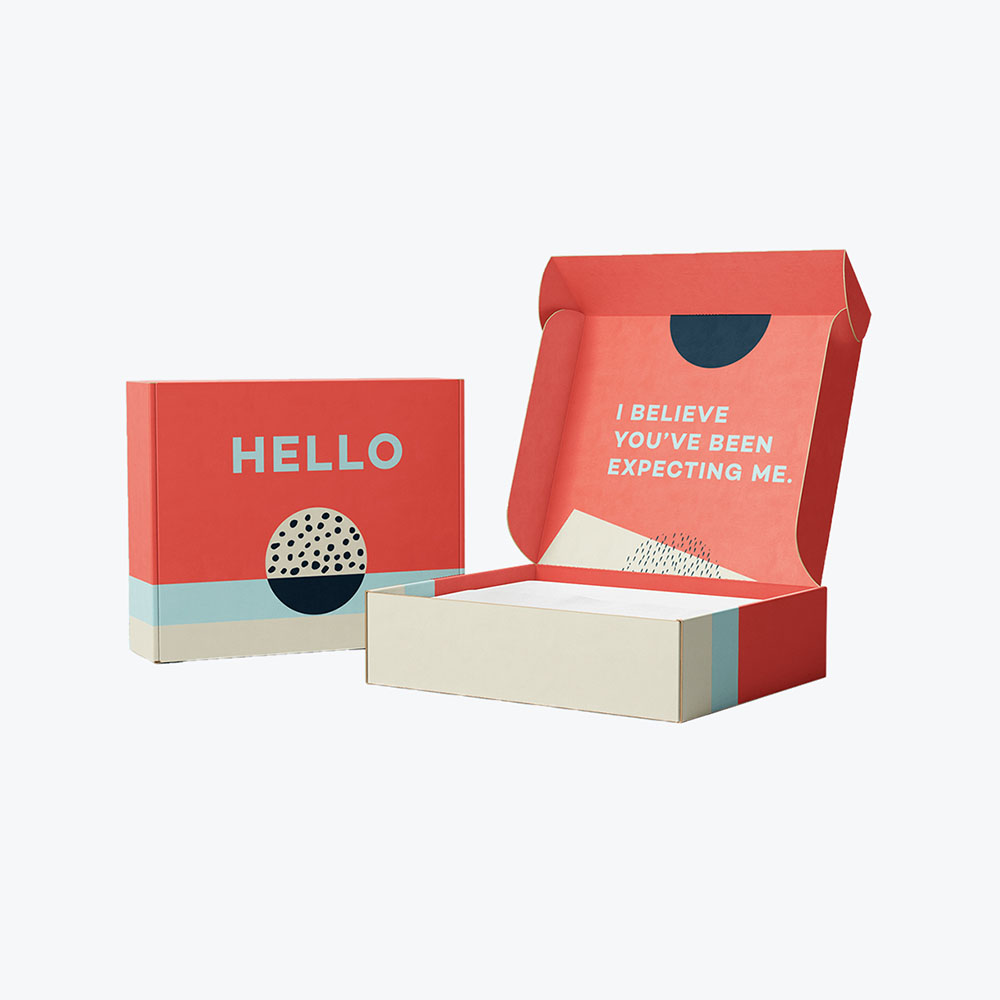
Branded packaging is one of the few touchpoints where a brand’s personality shows up without a media budget. Color, finish, inside-the-lid copy, whether there’s any voice in the writing at all. These details communicate brand identity to satisfied customers in ways a retargeting ad can’t replicate. For e-commerce brands trying to build loyalty where switching costs are low, packaging is often the only thing that makes one brand feel different from another.
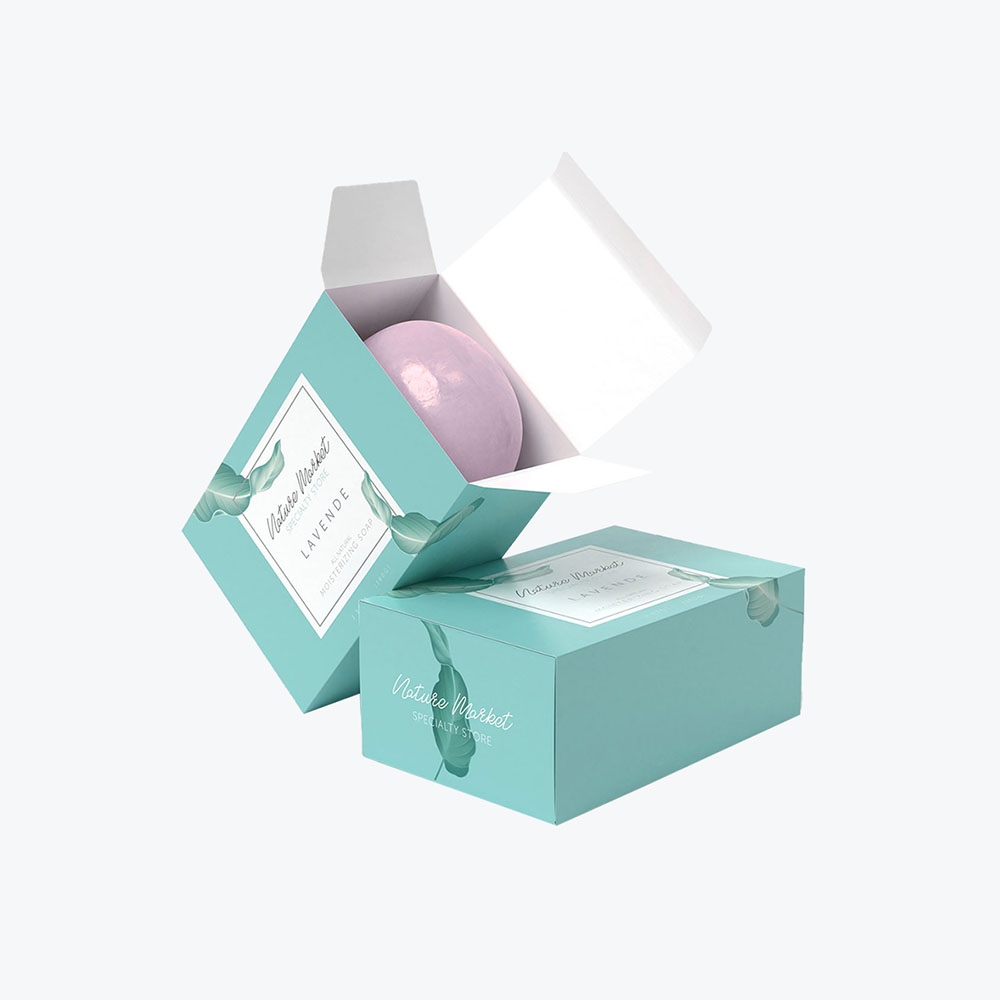
To create packaging that stands out, brands should focus on more than just the product by designing a memorable unboxing experience that reflects current trends and reinforces the brand. Whether packaging bags, beverage, food, or accessories, every example should balance protection, functionality, and presentation to succeed in today’s competitive world of e-commerce.
Packaging as a Social and Marketing Channel
The #unboxing hashtag has crossed 150 billion views on TikTok, and not all of the content came from paid influencers. Regular customers filmed it because the package design gave them something worth showing. That’s a form of packaging ROI most business owners aren’t calculating yet. For ecommerce brands, that’s basically free acquisition. It requires packaging that people genuinely want to interact with, which is a different design brief than “gets the product there safely.”
How to Start an Online Business: A Packaging-Focused Guide
Most e-commerce packaging advice shows up at step nine of a ten-step launch guide, between “set up your returns policy” and “start marketing.” By that point, the business has already picked a supplier, locked in a price, and committed to a shipping box that doesn’t fit the product without a fistful of void fill. The packaging strategy decisions that are hardest to undo tend to get made the fastest.
Here’s a launch checklist that treats packaging as a business input rather than a last-minute logistics call.
Step-by-Step Product Launch Checklist
Validate your product idea before ordering anything. Test demand first, even if that means shipping in plain stock boxes initially. A lot of small businesses over-commit to custom packaging orders before they’ve confirmed anyone wants what they’re selling.
Define your target audience with specificity. Knowing whether your buyer shops at Target or Aesop changes what box styles, finishes, and custom sizes make sense. “Women aged 25-40” is not enough information to make good packaging materials decisions.
Choose your packaging type and materials early.Corrugated packaginghandles transit stress differently than folding cartons. Mailer boxeswork for soft goods but can be overkill for dense, heavy products. The weight and dimensions of your e-commerce packaging affect your shipping rates on every order, so this is a decision with compounding cost implications.
Design your branded packaging with future growth in mind—not just your first production run. A design that works at low minimums often needs reworking at scale. Check whether your logo placement and printing specs hold up at higher volumes before finalizing.
Test with samples before committing to bulk. Ship them. Check whether the product inside moves around and whether the custom packaging looks as good in person as it did in the mockup. This step is commonly skipped, and accounts for a significant number of costly reorders.
Set up fulfillment and shipping with your box dimensions locked in. Carriers price by dimensional weight. Right-sized custom boxes can cut shipping costs by 20-30% compared to oversized alternatives.
Launch and treat packaging as a process improvement project. Watch what customers say in reviews, note what gets damaged in transit, and build in a review cycle every six months.
Why Packaging Decisions Made Early Matter
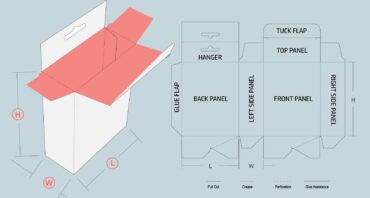
Changing packaging materials or branded packaging after you’ve scaled means new dielines, revised custom packaging orders, and, in some cases, a full rebrand. Small businesses that treat packaging as a strategic input from day one spend less fixing it later, and that’s a direct effect on margin.
Using AI for Packaging and Retail
Most of the conversation around AI and packaging lands on the obvious stuff: generate a design concept, write some insert copy, done. That’s useful enough, but it’s not where AI is actually saving brands in real time. The more useful application is earlier, before a supplier is chosen or a dieline is approved, when the wrong packaging strategy call can add cost to every order for the next two years.
How ChatGPT Helps Custom Packaging Workflows
For brands without a dedicated packaging team, AI compresses much of the early-stage research and ideation work that is usually skipped or outsourced. Some of the more practical uses:
Building out initial packaging concepts based on product type, audience, and business goals before a single supplier conversation happens.
Drafting insert copy and unboxing messaging without the back-and-forth of a full creative brief.
Flagging factors that might affect cost or custom packaging orders at volume, things a business owner wouldn’t necessarily think to ask about.
ChatGPT doesn’t replace an experienced structural packaging designer. For a small team juggling a product launch, getting to a better starting point faster is the actual value.
Use Cases for E-Commerce and CPG Brands
A 2026 report by Packaging Digest found that 89% of CPG compliance and marketing executives named approval delays as their top barrier to production timelines, with some review cycles stretching six to 18 months. While this often affects large brands, smaller e-commerce businesses experience similar delays on a different scale, just with one person making all the calls instead of a team.
For a business owner managing custom packaging orders alongside everything else, AI is most useful as a decision-support tool. It can flag inconsistencies in branded packaging copy across SKUs before anything goes to print. AI can map out where the customer experience breaks down between shipping and unboxing. ChatGPT can put together a supplier brief detailed enough that the first sample reflects what was asked for. These aren’t headline AI use cases, but they’re where the real time savings show up in a packaging strategy workflow.
Why AI Matters for Packaging Strategy
The speed is the thing. Fewer revision rounds on e-commerce packaging briefs means less time between a decision and a sample. Better upfront clarity on packaging materials and cost tradeoffs means fewer expensive corrections. For growing brands, those savings compound with every product launch, and the brands that figure that out earlier tend to spend less fixing packaging decisions made under pressure. AI can also help keep packaging consistent with your other marketing materials.
Competitor Comparison
Choosing a custom packaging supplier is treated like a price comparison exercise.
Minimum order quantities (MOQs), turnaround times, and cost per unit – those numbers matter. But they don’t tell you what happens six months in when you’re scaling bulk orders and need more than a self-serve portal.
Requirements also vary by industry, so supplier strengths should be matched to your product category.
Custom Packaging Boxes: Side-by-Side Comparison
Feature
Refine Packaging
Packlane
Arka
Best for
Growing brands and Fortune 500 companies alike in need of custom packaging and expert guidance
Prototypes, small runs, self-serve ordering
Sustainable focused packaging
Minimum Order Quantity (MOQ)
100 boxes
1 unit (HDPrint), 50 units (HDPrint Gloss)*
10 units**
Turnaround
8-10 business days standard, 4-6 rush
7-10 business days production time, plus 1-7 business days transit time
7-10 business days production time, plus 2-7 business days transit time
Online customization with 3D preview, but fewer structural options
MOQ
100 boxes, well suited for production runs and scaling brands
1 unit (HDPrint), 50 units (HDPrint Gloss)*, good for prototypes and very small production runs
Turnaround
8-10 business days standard, 4-6 rush, fast production with expedited capabilities
7-10 business days production time, plus 1-7 business days transit time
Ordering Experience
Consultative packaging experts guide the project
Fully self-service online ordering platform
Best For
Growing and established brands wanting a long-term packaging partner
Businesses testing products or ordering smaller quantities
Pricing flexibility
Packlane is built around instant online quotes, with pricing changing by size, material, quantity, box style, and ink coverage. Bulk pricing begins at higher order volumes, with Packlane Plus noting bulk product box pricing for 3,000+ units. Refine Packaging is better suited for brands that want quote-based pricing, volume discounts, and guided support rather than a purely self-serve checkout flow.
Customization options
Packlane offers mailer boxes, shipping boxes, product boxes, pouches, rigid mailers, tissue paper, wrapping paper, and tapes, with an interactive 3D design tool for online customization. Refine Packaging stands out for broader structural flexibility, free design support, and hands-on dedicated packaging specialist guidance across material, size, color, shape, and product fit.
MOQ differences
Packlane is suited for very small runs and prototypes, with some products available at low quantities, though HDPrint Gloss starts at 50 units. Refine Packaging delivers low minimums starting at 100 boxes, which is a stronger fit for growing brands that are ready to move beyond one-off testing into repeatable branded packaging production.
Turnaround time
Packlane’s turnaround time is around 7-10 business days, plus 1-7 business days transit time. Refine Packaging delivers a faster turnaround of 8-10 business days, free shipping, and full support from design through delivery, which can be more useful for brands that need packaging help, not just production.
Arka vs Refine Packaging
Feature
Refine Packaging
Arka
Material Options
Wide selection including corrugated, kraft, rigid, retail, and eco-friendly materials
Selection of FSC-certified, recycled, and compostable materials
Arka focuses on sustainability, with offerings including FSC-certified paper, compostable options, recycled mailers, poly mailers, bubble mailers, honeycomb mailers, and other ecommerce-focused materials. Refine Packaging also supports sustainability goals, and combines material flexibility with broader custom box strategy, structural engineering, and brand-focused production support.
Branding capabilities
Arka offers custom boxes, full print coverage, double-sided printing on some products, downloadable dielines, instant proofing, and Shopify-connected ordering. Refine Packaging is a stronger option for brands that need more hands-on creative support, custom sizing, custom structures, high-quality printing, and guidance on how packaging should function for retail, ecommerce, shipping, and product presentation.
Customer support
Arka is ecommerce-friendly and offers a streamlined ordering process, including digital proofing before production. Refine Packaging’s support is more consultative, with free design support, dedicated packaging specialists, and quality review built into every step of the process, making it a stronger fit for brands that want expert guidance instead of managing packaging decisions alone.
Key Takeaways: When to Choose Each
Provider
Best Choice When…
Refine Packaging
You want expert guidance, premium custom packaging, structural design assistance, scalable production, free design support, free shipping, and a long-term packaging partner.
Packlane
You need a prototype, very small production run, or prefer designing and ordering entirely online.
Arka
Sustainability and low MOQs are your highest priorities.
What makes Refine Packaging stand out
Refine Packaging is strongest for brands that want a true custom packaging partner, not just an online box builder. Its advantages include free design support, free shipping, fast turnaround, low minimums, broad customization, packaging specialist support, structural engineering guidance, and quality review. That combination makes Refine a better fit for growing brands that need packaging to support brand presentation, product protection, and scalable ecommerce or retail operations.
When to choose each provider
Choose Packlane for one prototype, a small test run, or self-serve online ordering. The self-serve design tool is straightforward, but structural options are limited. Choose Arka when sustainability, compostable materials, recycled mailers, or Shopify-connected ecommerce packaging are the top priority. The Shopify integration and low MOQ make entry easy, but complex custom product packaging structures aren’t really its strength. Choose Refine Packaging when the brand has moved past testing and needs more than a portal: custom structure, design support, strategic guidance, strong production quality, and a true packaging partner. While the 100-box MOQ is higher at entry, free design support, free shipping, a wider range of branded packaging structures, and durable production quality make it the more complete solution for growing ecommerce and retail packaging operations.
Most packaging strategy guides present growth as a straight line. Start with something simple, add branding when you can afford it, and scale when the time is right. The problem is that packaging decisions don’t compound the same way at every stage, and optimizing for the wrong stage costs more than most brands realize until it’s too late to fix cheaply.
Step-by-Step: Building a Packaging Strategy That Scales
Define your packaging-specific business goals. Not “grow sales,” but something more specific: reduce return rates, improve unboxing shareability, cut shipping cost per order by a measurable amount.
Align your packaging with your brand identity at your current volume. A startup with 200 orders a month has different branded packaging priorities than a brand doing 5,000. Brand identity should show up from day one, but how much you invest in it should reflect what your production numbers support right now.
Choose your packaging materials based on product requirements first, then brand. Sustainable materials and eco-friendly materials are worth pursuing if they genuinely fit the product and budget. Choosing them for optics tends to create expensive, and possibly legal, problems downstream. Flexible packaging, corrugated packaging, and rigid boxes have different cost profiles and environmental impacts that need to align with the products they contain.
Optimize for cost and shipping simultaneously. Custom sizes that reduce dimensional weight affect shipping rates on every order. Packaging materials choices affect both unit cost and carrier fees. These two decisions interact and treating them as separate line items is where much of the packaging ROI gets lost.
Test before you commit to scale. Order physical samples, ship them through your actual carrier, and check what arrives. Discovering a structural flaw or a printing misalignment at 1,000 units costs significantly more to fix than catching it at 10.
Scale production deliberately. When volume justifies larger custom packaging orders, revisit every component of the brief. Ink coverage that looked fine at 200 units can show inconsistencies at 2,000. Cost per unit shifts too, and those changes sometimes open better packaging materials or structural options that weren’t viable at lower quantities. Worth walking through the full ordering process before placing a scaled run.
Packaging ROI: Measuring Impact
Most brands think about packaging ROI in terms of what good packaging adds: higher perceived value, more repeat purchases, and better social engagement. Those returns are real, but they’re slow to materialize and harder to attribute directly. The more immediate ROI case is on the cost side, specifically the costs that poor packaging is already taking out of the business.
A 2025 survey of 2,013 American consumers by Shorr found that 73% had returned an item because it arrived damaged during shipping. Processing a return costs between 20% and 65% of the item’s original value, including all expenses. For e-commerce packaging operations running at any real volume, that math adds up fast, and most of it is preventable with the right structural decisions upfront.
The sales and retention side of packaging ROI is worth tracking, too, though the metrics take longer to build. The ones worth monitoring:
Repeat purchase rate before and after a packaging update
Return rate attributed to damage or poor fit of the product inside the box
Social shares and UGC are tied to the unboxing experience
Perceived value signals in customer feedback, such as comments about quality, before they’ve tried the product.
These aren’t hard to track if they’re set up from the start. The problem is that most brands treat branded packaging as a fixed cost and never build a feedback loop around it. Satisfied customers don’t usually explain why they came back, but dissatisfied ones tend to say exactly what went wrong, and packaging shows up as a reason more often than most brands expect.
Common Business Mistakes in Packaging
The four mistakes below come up at every growth stage, and most of them aren’t about budget. They’re about timing and what gets prioritized when packaging strategy decisions get made in a hurry.
Treating packaging as an afterthought. Most brands finalize their shipping box choice after everything else is locked in, which means structural and branding decisions get made under time pressure with whatever’s available. By the time the first order ships, there’s no budget or appetite to revisit it, and that rushed call is now what every customer physically receives.
Overinvesting in packaging before volume supports it. A brand doing 80 orders a month doesn’t need the same custom packaging spend as one doing 3,000. Committing to expensive bulk orders of premium packaging materials before demand is confirmed is a cash flow problem disguised as a branding decision. The stage a brand is at now should drive the spend, not where it hopes to be in 18 months.
Letting branding consistency slip across SKUs. Different suppliers and inconsistent print specs across production batches will make your branded packaging look like it came from three different companies. Customers pick up on that inconsistency even when they can’t name it, and it undercuts perceived value.
Choosing packaging that ignores shipping cost. E-commerce packaging decisions need carrier pricing built in from the start, not added after the design is locked. Dimensional weight charges are calculated on box volume, so an oversized shipping box can cost significantly more to ship than a right-sized one even if the product inside weighs the same.
Grow Your Brand with Refine Packaging
Refine Packaging works with brands at every stage – from a business placing its first custom packaging orders to an established e-commerce packaging operation running bulk orders monthly.
Custom Product Packaging for Every Business Stage
Our range of packaging products, including custom packaging boxes, covers what a growing brand needs at each stage, not just what looks good in a catalog.
Starting out: MOQ from 100 boxes, so you can test custom product packaging without sitting on inventory. Flexible packaging options across mailer boxes, corrugated packaging, and retail formats are available from the start
Scaling up: Custom sizes across a wide range of box styles and durable packaging materials, with volume pricing that improves as bulk orders grow
Established brands: High-volume production runs with consistent printing quality, sustainable materials, and eco-friendly materials options for brands where that’s part of the story
Custom Branding, Design, and Cost Support
Good packaging should also reflect a brand’s values, not just its visual identity.
Our in-house design team works from a logo, rough concept, or existing brand guidelines, at no extra cost. We handle the detail work, dielines, structural choices, and finish options, so the branded packaging that goes to print actually reflects the brand rather than whatever the default template produces.
Right-sized custom packaging boxes also mean better shipping economics. We help brands choose packaging materials and custom sizes that reduce dimensional weight, keeping per-order costs lower across every shipment.
End-to-End Solution from Concept to Delivery
From the first brief through sample approval and production, a packaging specialist is involved. That’s the competitive advantage for brands that have moved past the self-serve stage and need a real solution partner for their e-commerce packaging operation.
If your ecommerce packaging strategy needs work, or you’re building it from scratch, get a free quote and talk to one of our specialists about what custom packaging makes sense for your business.
Step-by-Step: Building a Packaging Strategy
Before you place your next custom packaging orders, work through this checklist:
□ Define your business goals for packaging specifically, not just “look better.”
□ Align your box choice, finishes, and printing with your brand identity.
□ Choose packaging materials and box styles based on your product requirements and shipping costs.
□ Optimize custom sizes to reduce dimensional weight and per-order cost.
□ Order samples and test through your actual carrier before committing to a full run.
□ Scale production volume only after samples pass and demand supports the order size.
Conclusion
The brands that get packaging strategy right aren’t always spending more than everyone else. They’re just making the decision earlier, with enough information to avoid the expensive fixes later.
Branded packaging shapes perceived value before a customer has tried anything inside the box. A good unboxing experience influences second-order effects, the review, and whether someone posts about it. These connect directly to business goals that have actual numbers behind them, and packaging ROI shows up across all of them when brands are paying attention.
Great ecommerce packaging comes down to treating it as a strategic business investment rather than an afterthought. Brands that build loyalty and hold onto satisfied customers in competitive markets tend to be the ones that figured that out before it got expensive not to. That’s where brand identity and packaging innovation actually start.
Erica is a professional writer and brand strategist at Refine Packaging who is based in Denver, Colorado. With a background in writing and journalism, Erica entered the manufacturing industry 8 years ago to deepen her passion to demystify difficult packaging concepts. With years of in-the-field printing experience, Erica is uniquely suited to help unpack the custom packaging process for beginners looking for an impactful box style that resonates with their target audience. When she’s not writing, Erica can be found with her nose in a fantasy novel or climbing The Rocky Mountains (and sometimes, doing both at the same time).







 Alex Jasin

 Asif Muhammad



 Erica Campbell

.svg)
Share