Folding cartons vs. rigid boxes – they may sound similar, but they serve different roles in packaging strategy. Brands often compare the two when balancing presentation, protection, and efficiency in product packaging.
These two types of packaging boxes differ in structure, cost, and overall impact on brand perception. Understanding these differences can help you identify which packaging solution is best for your product.
Material: Folding Cartons vs. Rigid Boxes
Let’s start with what they have in common. Both folding cartons and rigid boxes are paper-based packaging materials, but rigid boxes are typically made from thick chipboard that is wrapped in printed paper for a premium finish.
Paperboard is produced from recycled paper pulp or virgin wood pulp. It offers more structure than standard paper while remaining lighter and more flexible than regular cardboard, making it a popular choice for brands. You can see paperboard packaging in cosmetics, food and beverage (ex. cereal boxes), pharmaceuticals, and many others.
While both folding and rigid boxes use paperboard, the thickness and structure differ. Since folding cartons, as their name implies, are “foldable” and can be laid flat (and re-formed again as needed), they use a thinner kind of paperboard. Rigid boxes, on the other hand, use a thicker kind of paperboard to give them their sturdy characteristic.
Before we go deeper into folding cartons vs. rigid boxes, let’s look at each of these types of packaging boxes individually.
Understanding Folding Cartons
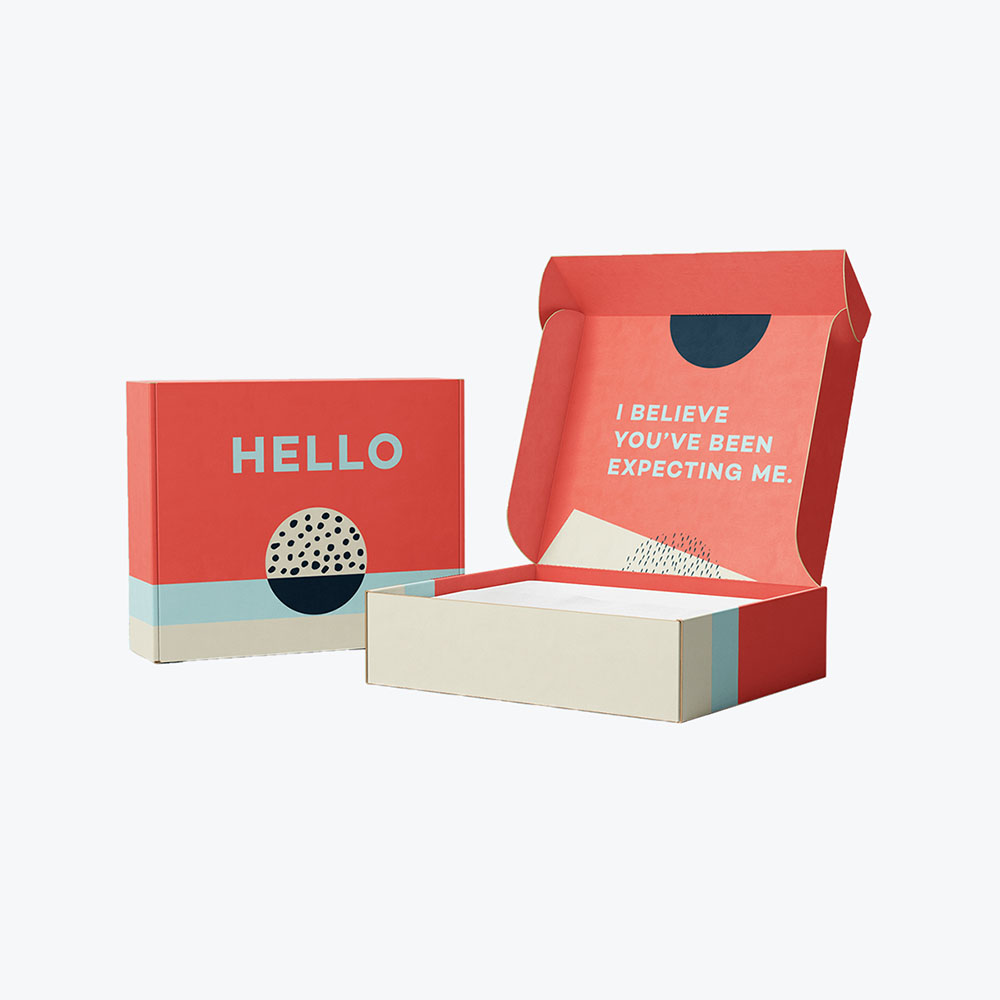
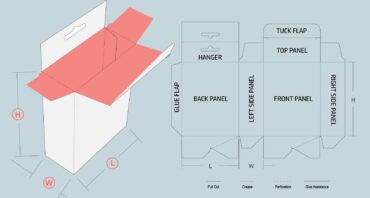
Folding cartons are one of the most common formats used for consumer goods. Folding carton boxes are usually made from paperboard cartons that are die-cut, printed, folded, and glued into shape. They can be laid flat for transport and assembled into a structured box when needed.
Since folding cartons ship flat, they require less storage space and are more efficient to transport.
Folding cartons have a straightforward manufacturing process. It involves printing graphics on flat paperboard sheets, cutting said sheets into shape, and folding the cartons into their finished form. Because of the simpler process, it’s more cost-effective to manufacture, making it suitable for high-volume products.
Common Types of Folding Carton Boxes
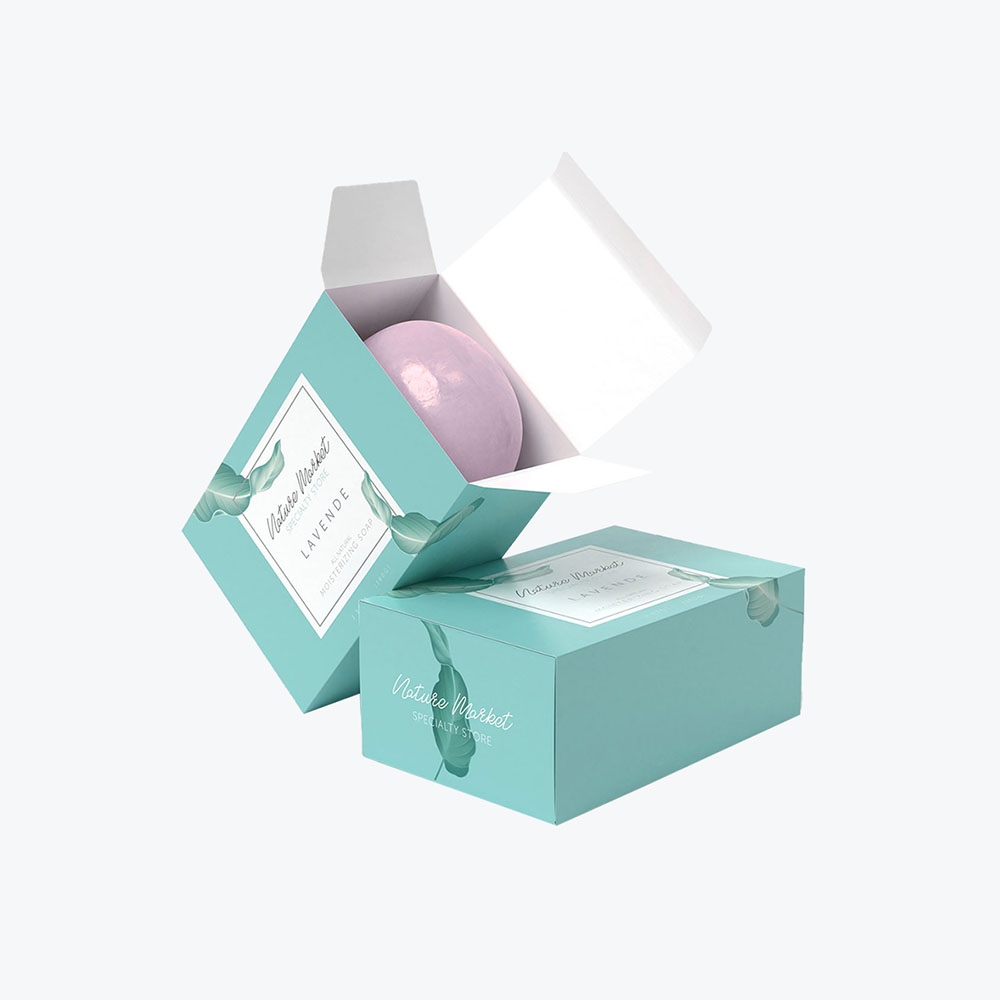
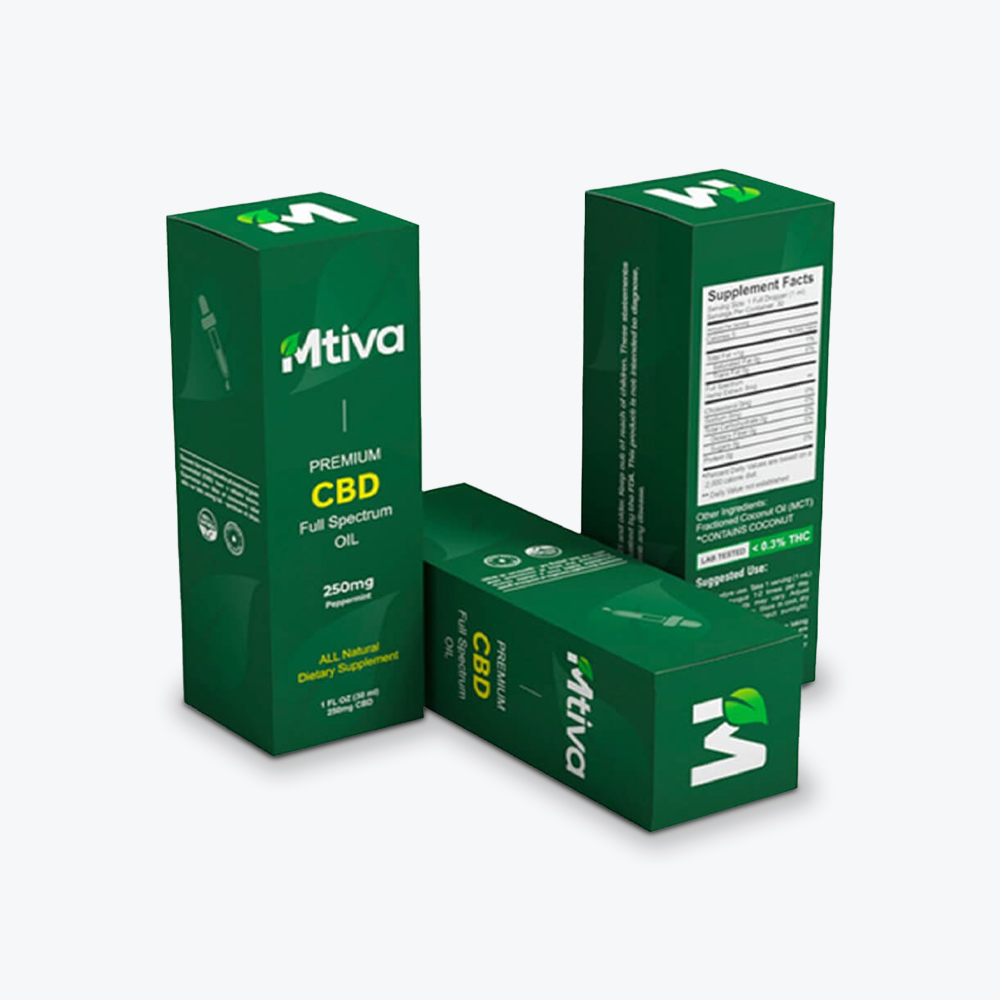
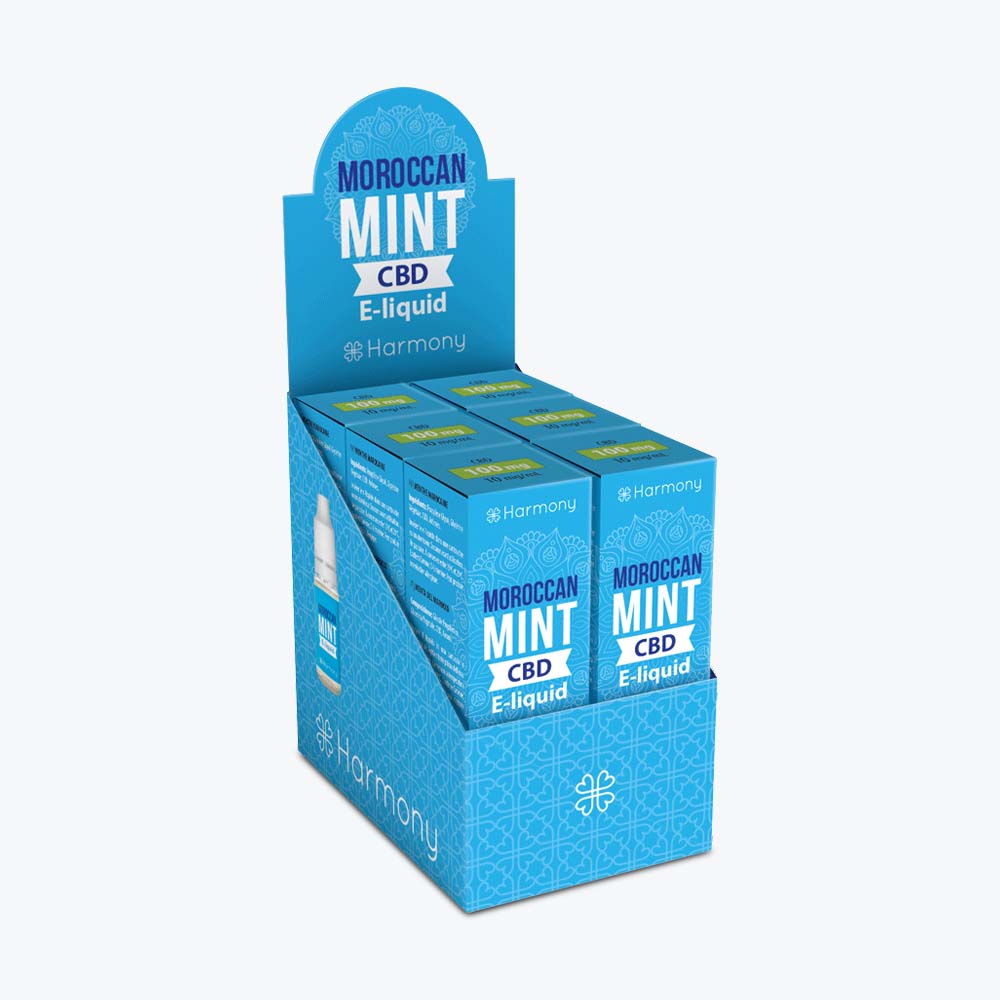
In evaluating folding cartons vs. rigid boxes, note that folding cartons are versatile and highly customizable. They can be printed with graphics and made in custom sizes and formats, like the following:
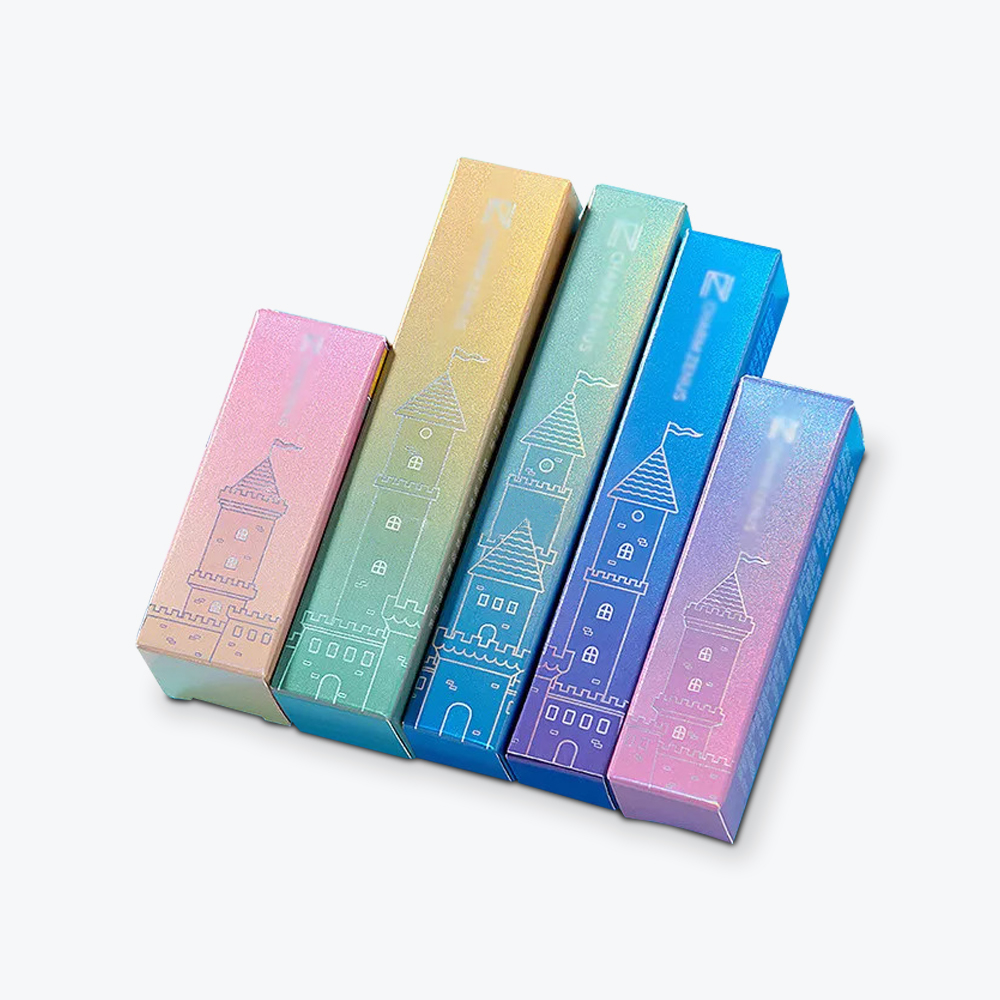
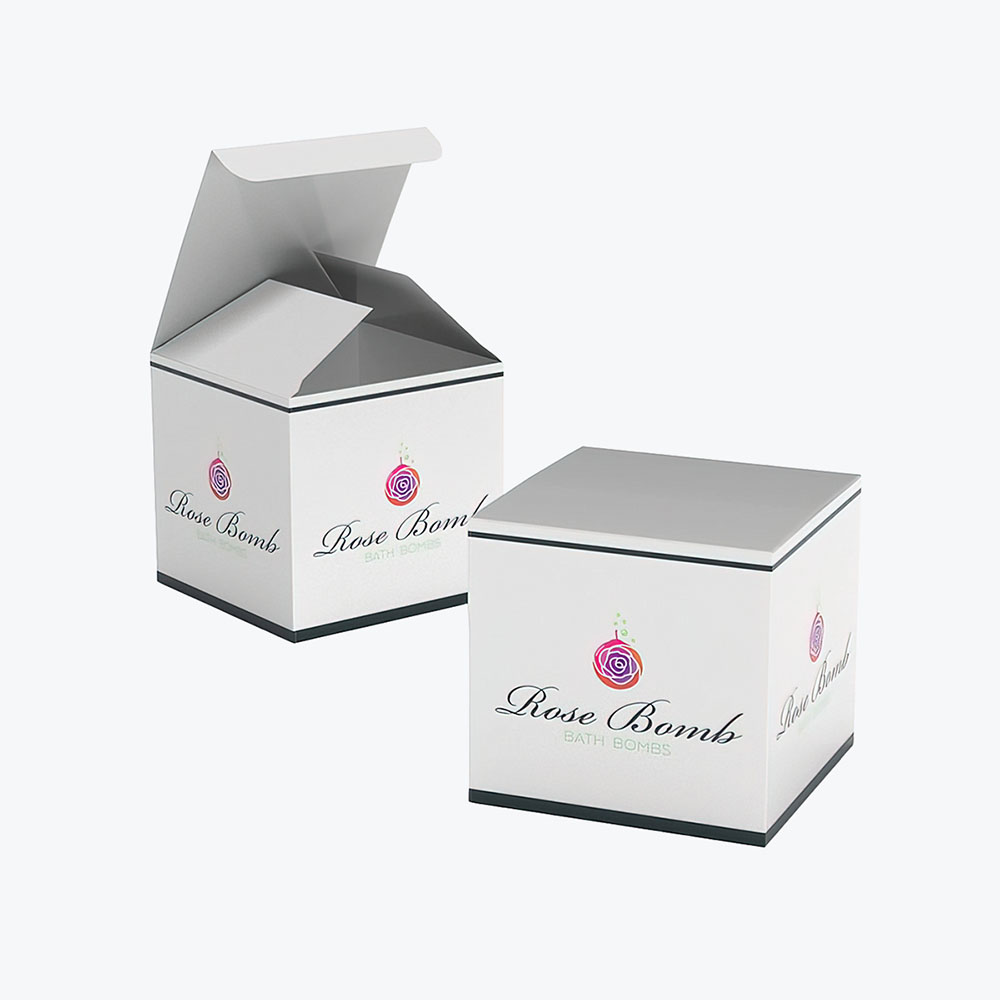
Reverse tuck end (RTE) cartons: Boxes with top and bottom flaps fold in opposite directions; this prevents accidental opening
Straight tuck cartons: Both top and bottom closures fold in the same direction; ideal when you want a packaging that looks clean and polished
Auto-lock bottom cartons: Flaps on the bottom of the box lock when sides are pushed together; best for fragile, heavy, or high-end products because it offers more durability than standard boxes
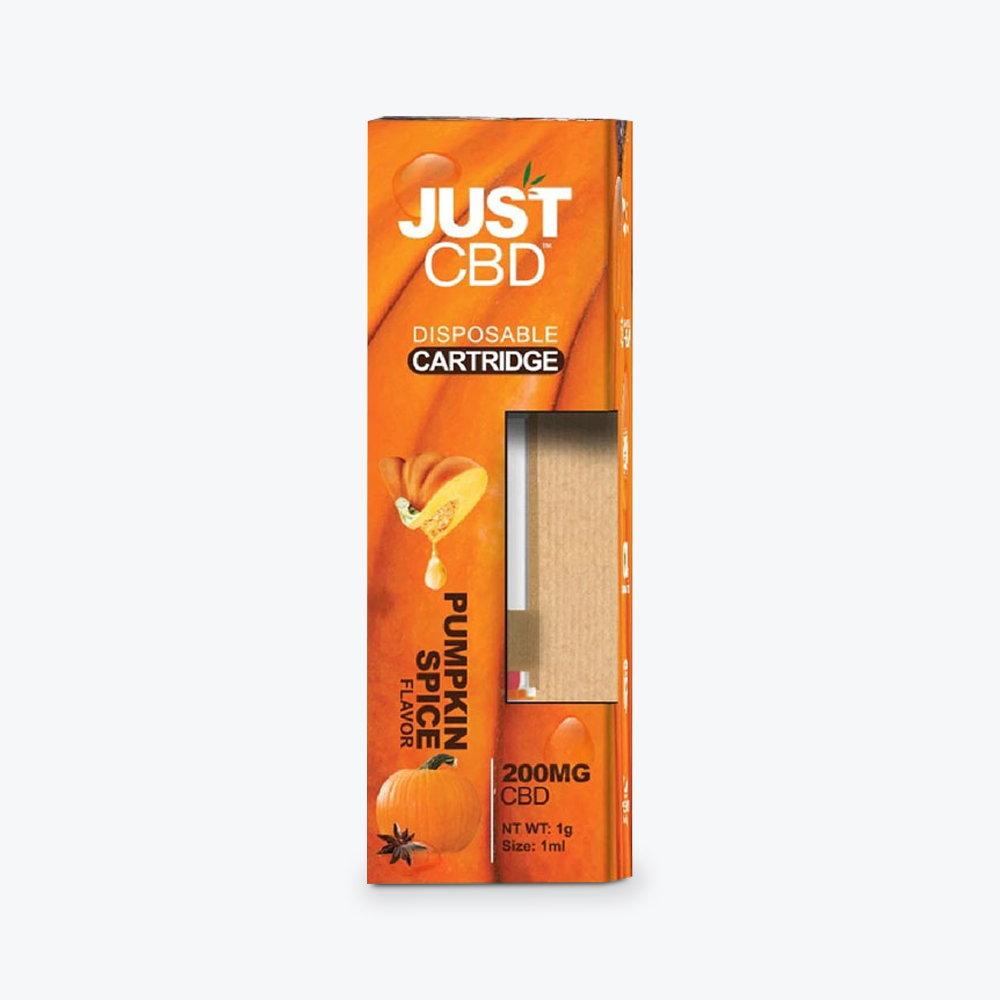
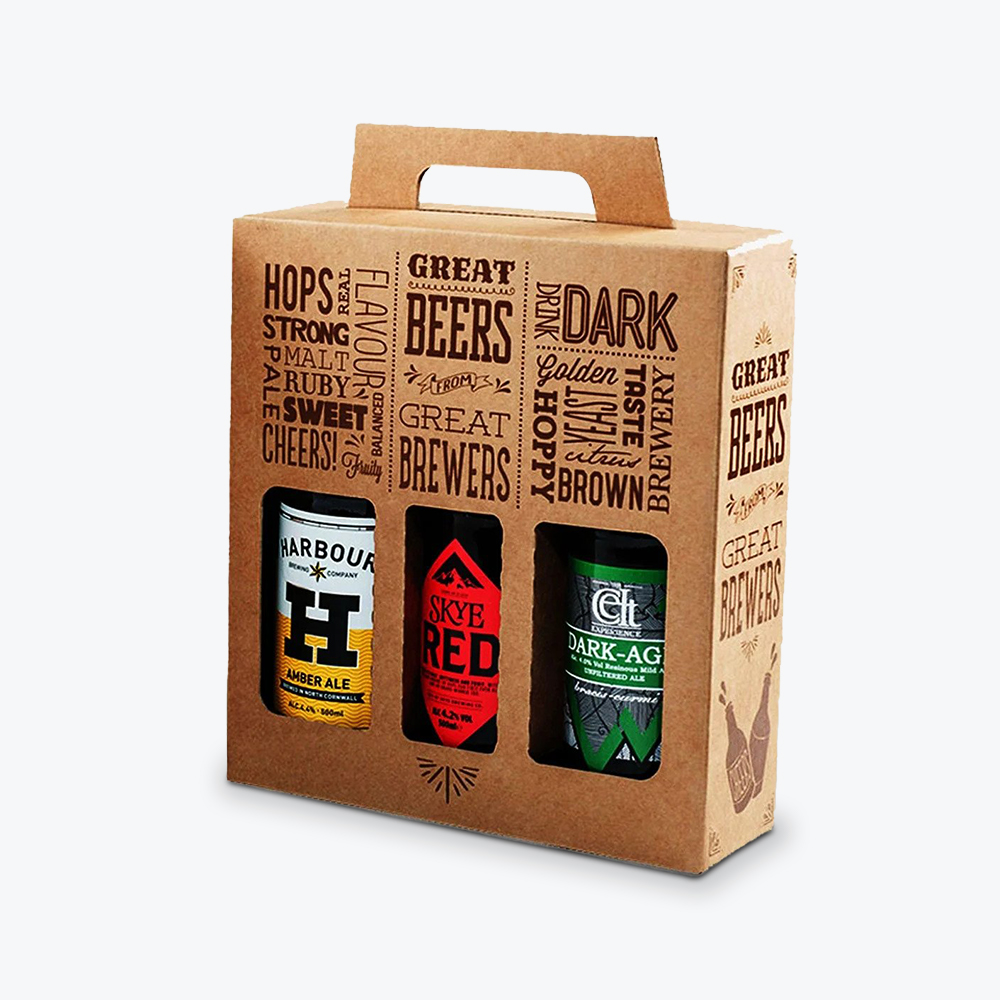
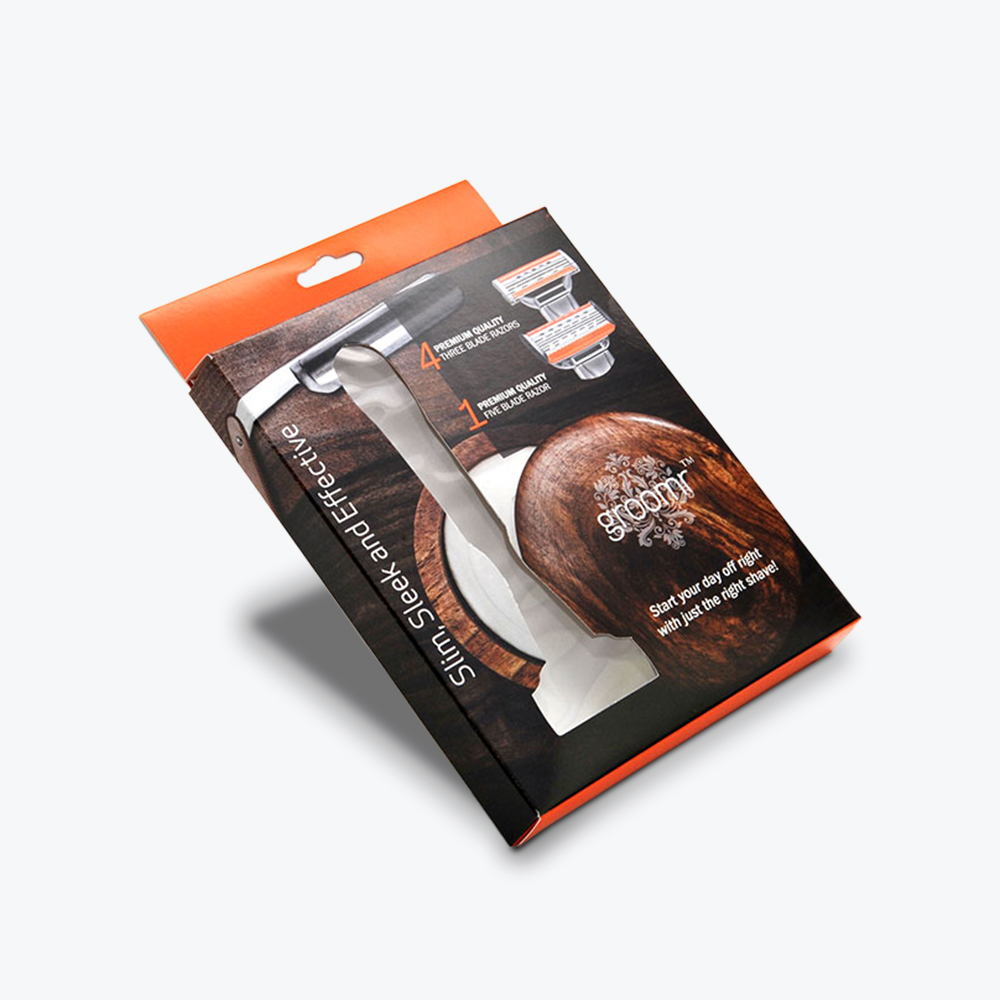
Window carton boxes: A box that features a transparent panel that allows the contents of the box to be visible
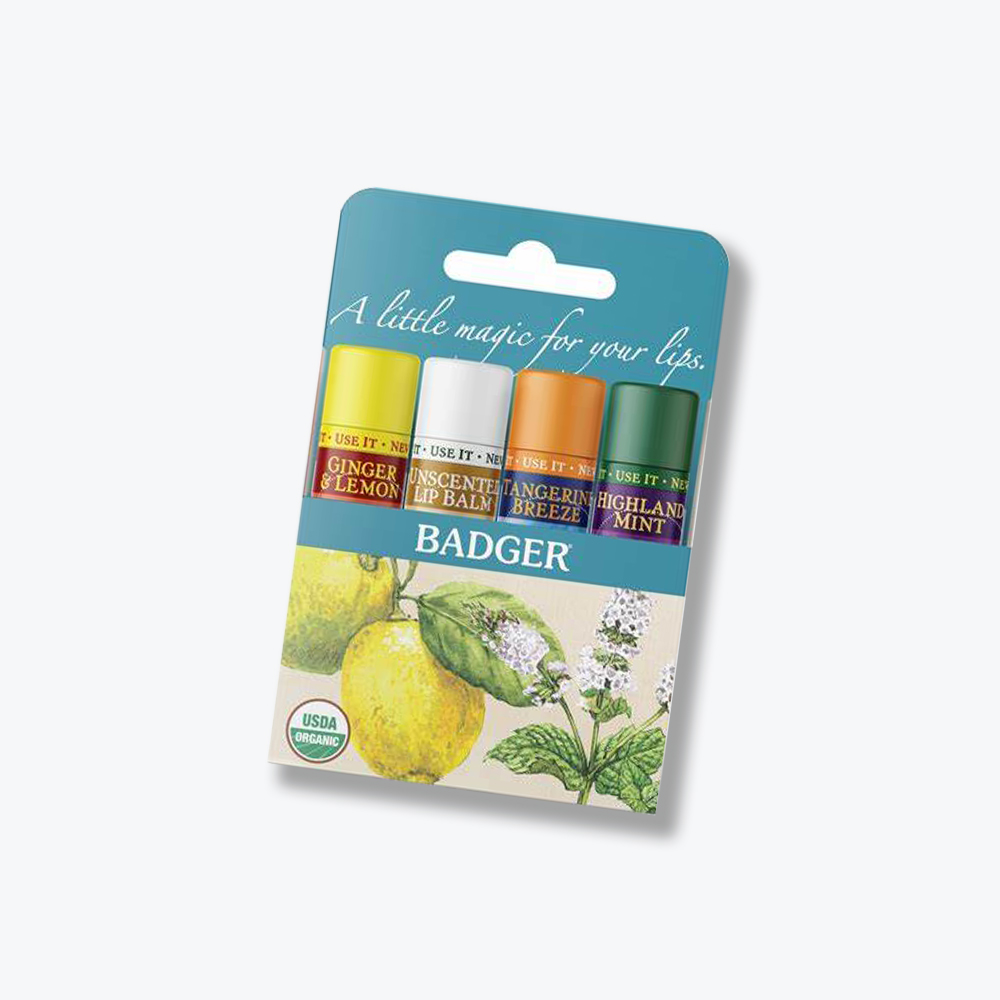
Sleeve cartons: Printed carton that wraps around a product, box, or sealed container (works exactly like a sleeve)
Each of these carton boxes serves a different purpose. Reverse tuck end styles are common for cosmetics and smaller retail products, while auto-lock bottom designs add extra support. The latter locks automatically during assembly, which can make a difference for slightly heavier items.
Folding cartons are everywhere, from cereal aisles to skincare shelves, and from medicine boxes to lightweight electronics. Because of their ease of manufacture and use, they’re often the more practical option when it comes to everyday packaging.
Environmental Considerations
Paperboard boxes like folding ones are highly recyclable. According to the Environmental Protection Agency,paperboard and paper have a recycling rate of 68.2%, which is the highest among all the recyclable materials comprising municipal solid waste (MSW).
As for sustainability, paperboard is renewable and recyclable. They’re manufactured from responsibly managed tree farms and recycled paperboard materials, making the supply virtually endless.
Besides their high potential for recycling and reuse, folding cartons can also help lower transportation emissions since they take up less space and weight during transit. In the folding cartons vs. rigid boxes comparison, folding cartons may offer a slight sustainability advantage due to lower material weight and more efficient transport.
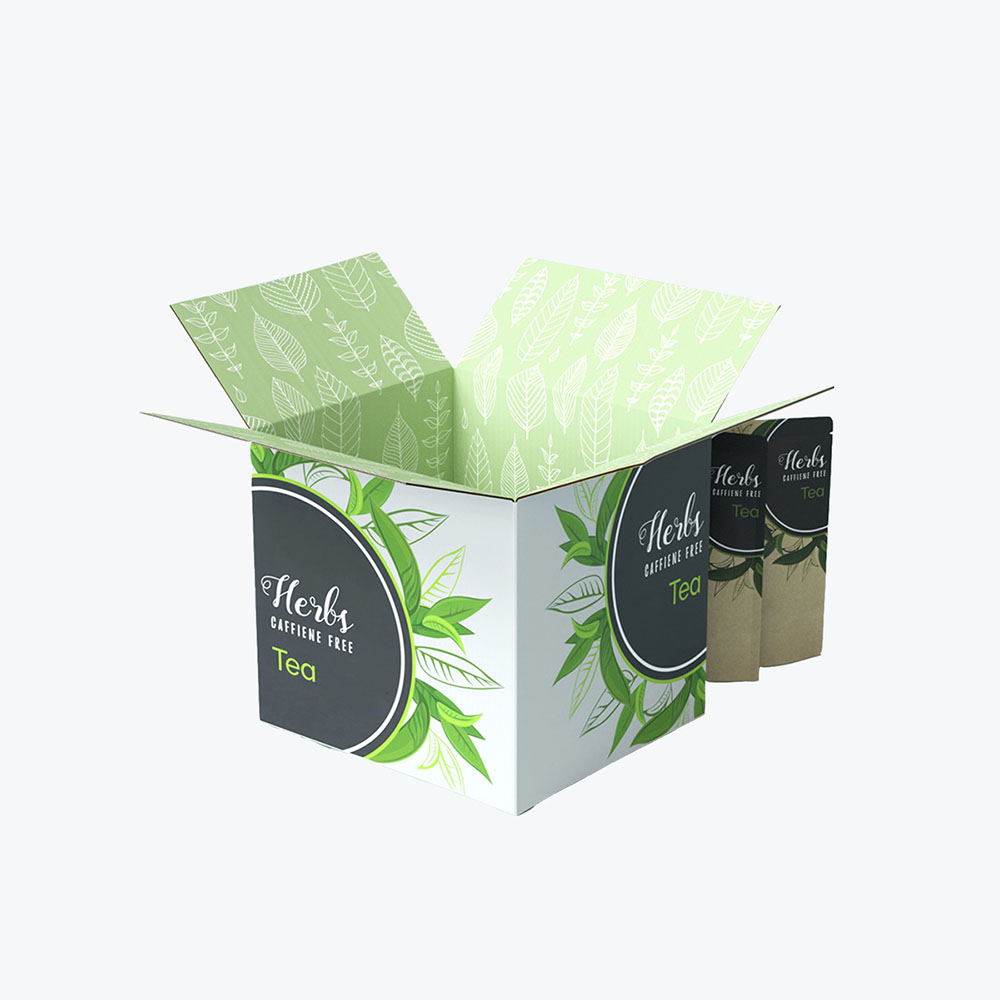
But what about corrugated boxes? Corrugated boxes are technically “folding” boxes because they’re also shipped in folded form. However, they’re different from folding cartons because corrugated boxes have an additional wavy layer between sheets of paperboard for added strength. Folding carton boxes only have a single layer.
Understanding Rigid Boxes
If folding cartons are built around efficiency, rigid boxes are built around presentation.
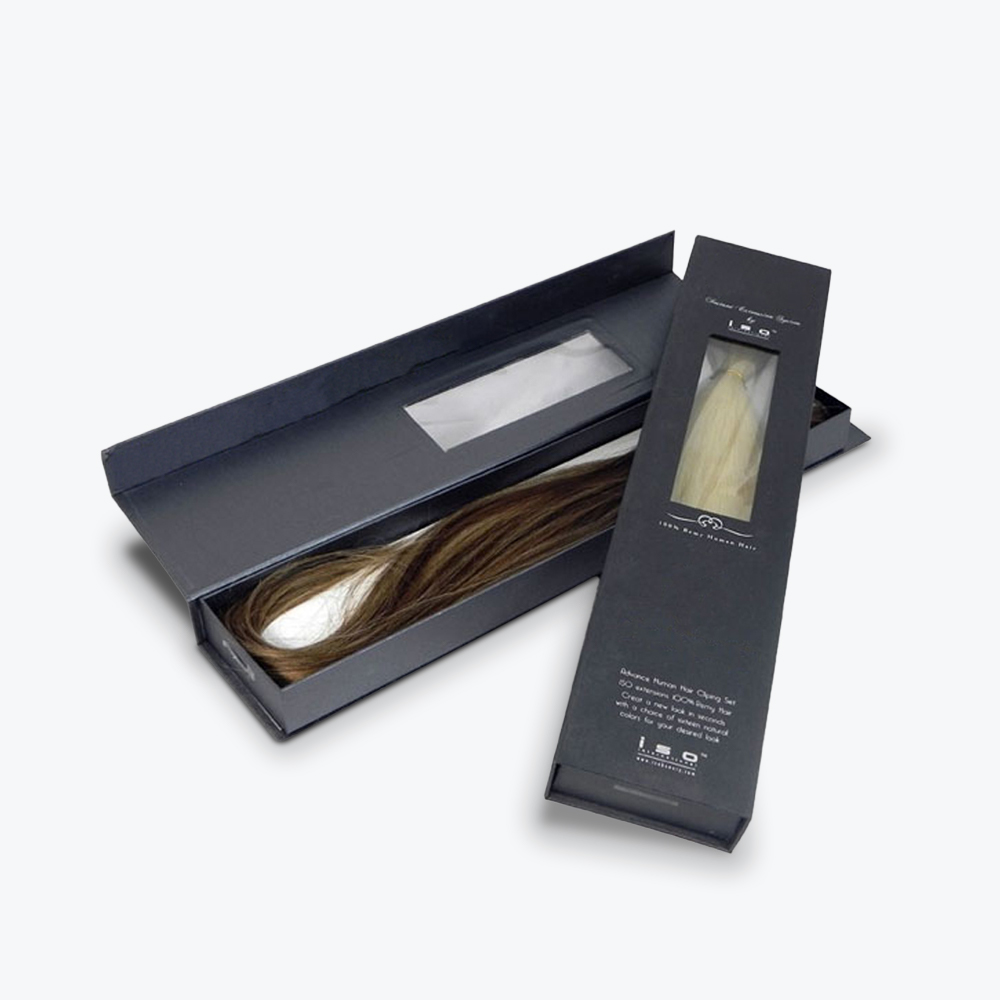
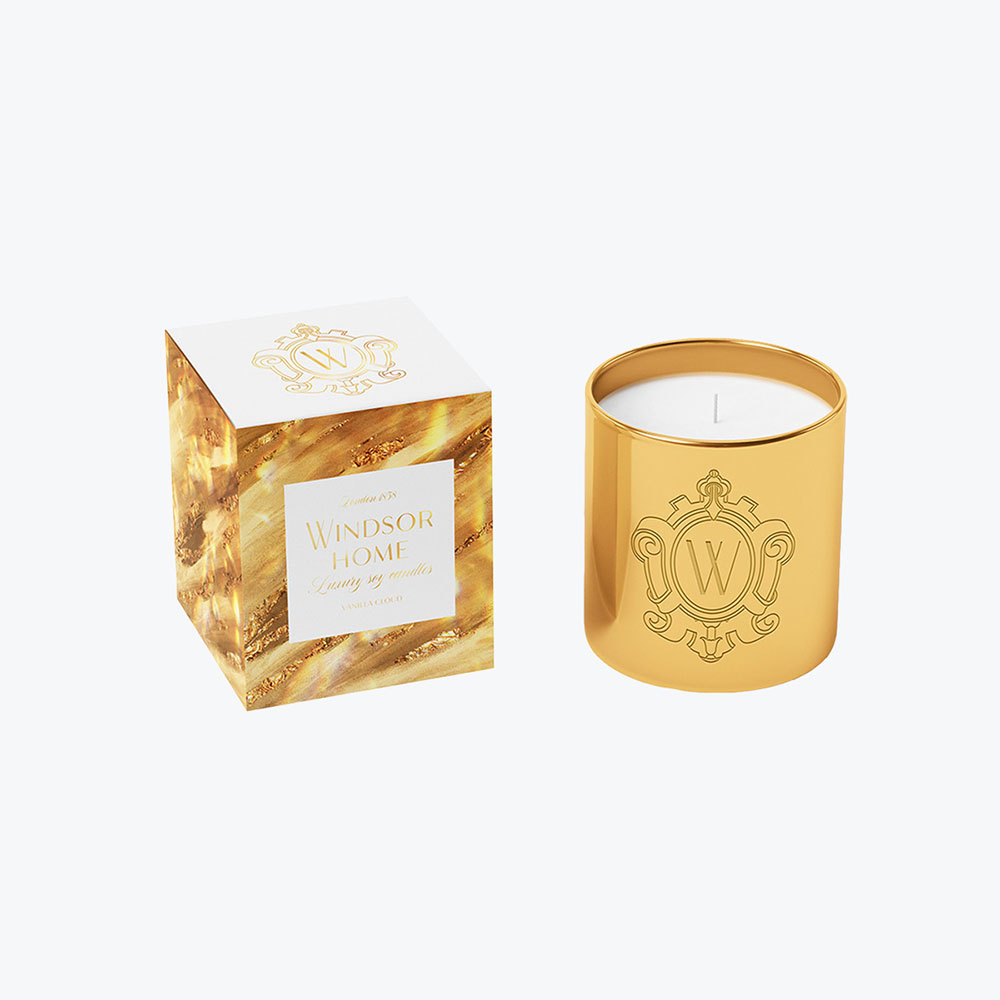
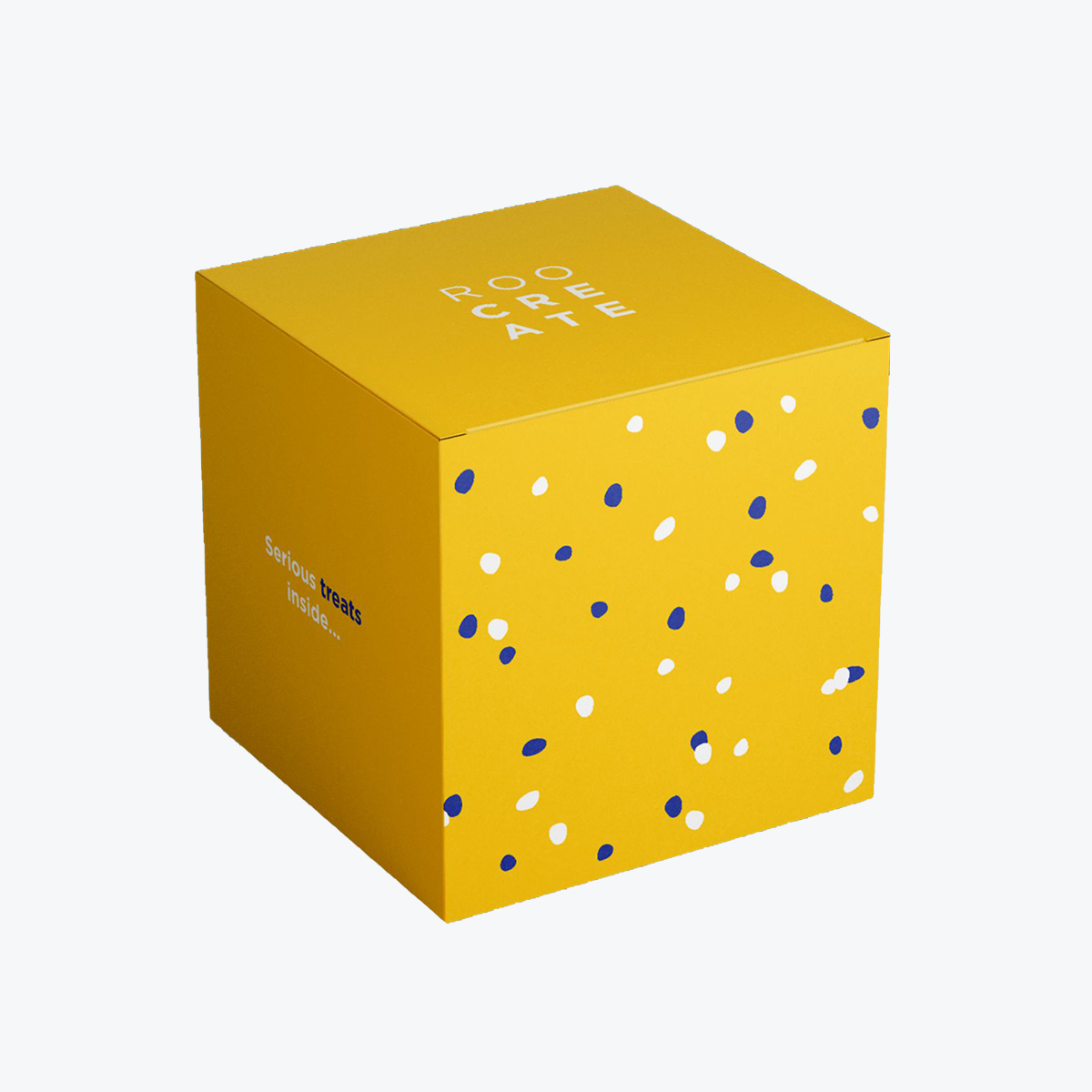
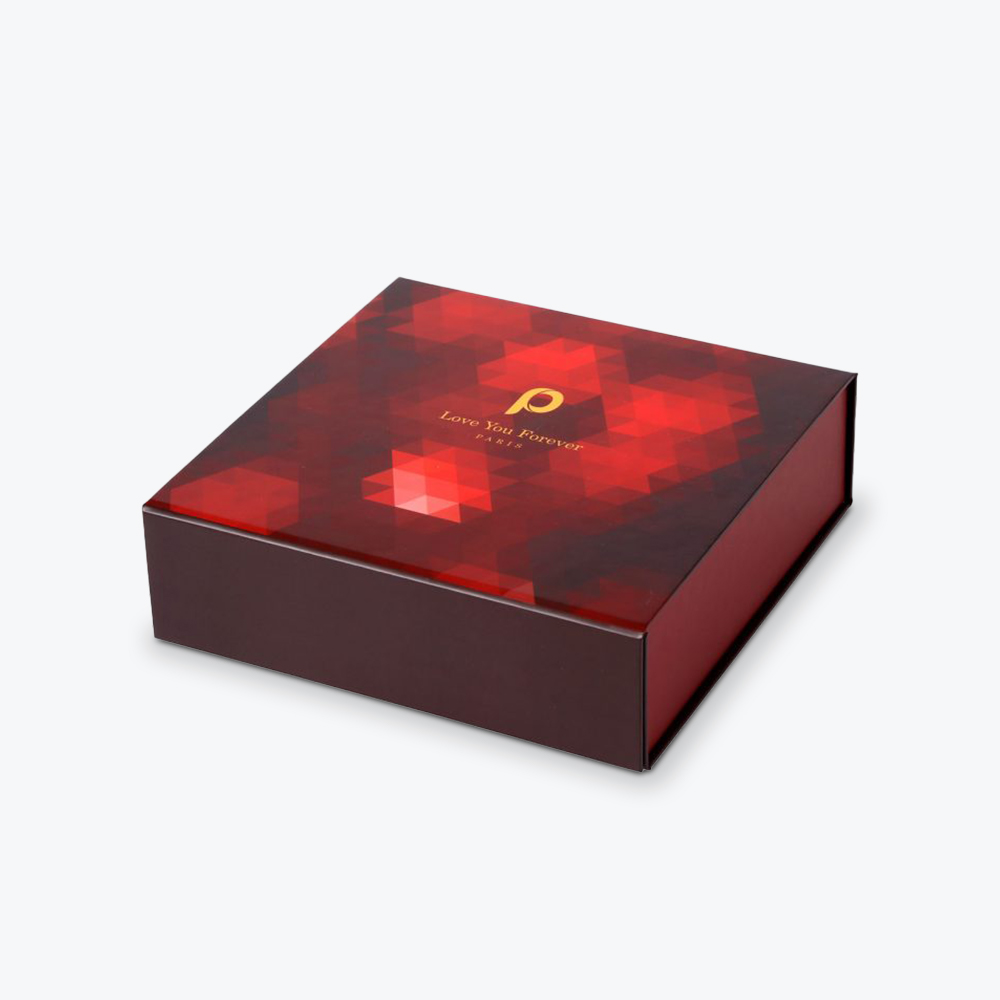
Also called rigid setup boxes, setup boxes, or set up boxes, these are made from thick chipboard that does not fold. Instead, the box is created as a permanent structure, which gives it more weight, a sturdier feel, and a more premium finish.
Most rigid packaging boxes are wrapped in printed paper wrap, which opens the door to more texture, detail, and decorative treatments. Some are finished in smooth matte paper, while others use materials that mimic fabric, leather, or other high-end surfaces.
Because they’re made from thicker board, rigid boxes offer stronger structural integrity and superior protection than folding cartons. They’re often the go-to option for luxury items, electronics, jewelry, and other high-value products where the box is part of the experience and packaging plays an important role in brand perception.
Common Features of Rigid Packaging
Rigid setup boxes can include features that add both function and brand image appeal:
Magnetic closures
Ribbon ties
Hinged lids
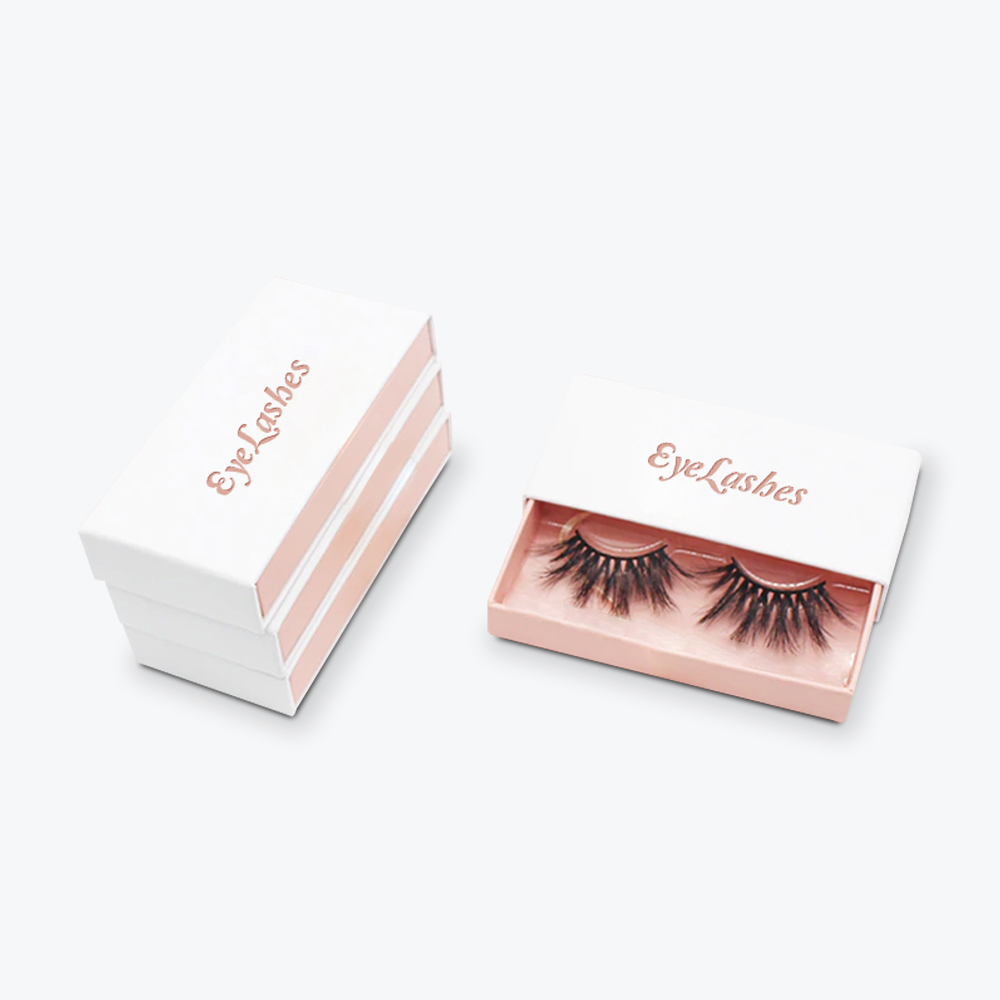
Drawer-style designs with an inner tray
Custom inserts for protection and presentation
These details help create the kind of unboxing moment people remember. They also support premium branding, which is why rigid boxes are so popular for premium packaging of luxury goods and upscale retail.
Rigid boxes offer a more premium presence than folding cartons. They’re often chosen when a brand wants the box itself to communicate quality before the product is even touched.
Luxury rigid boxes also incorporate advanced finishing techniques. Details like foil stamping, embossing, and soft touch coating can create a more refined, visually appealing result. That said, those upgrades usually come at a higher cost.
Environmental Considerations
Rigid packaging is also made of recyclable and biodegradable materials, like paperboard. However, compared to folding cartons, rigid boxes are more difficult to recycle. The paperboard part of the rigid boxes is recyclable, but their non-paper components (like adhesives, plastic wrap, and magnets) are not.
While rigid boxes aren’t easily recyclable, they’re usually repurposed as storage boxes because of their durability.
Rigid Boxes vs Folding Cartons: Pros and Cons
As we mentioned earlier, both rigid boxes and folding cartons have their own advantages and disadvantages. No packaging solution is a better option, but they both have strengths that certain brands might find useful.
Both packaging types can work well. The final choice depends on factors like cost, product protection, easier shipping and storage, or a more premium customer experience.
Cost and Production Time
In most cases, folding cartons are the more cost-effective packaging choice. The materials are lighter, manufacturing is faster, and the flat format keeps storage and freight more manageable.
Rigid boxes take more time and labor to produce. Because setup boxes are built as fully assembled structures, they use more material and require additional assembly. That pushes the cost up.
This is where budgets start to matter. For businesses that mass-produce products but are trying to keep costs low, folding cartons are more favorable. For brands focused on premium presentation, rigid boxes, albeit more expensive, are preferable.
Another major consideration is storage and freight efficiency. Folding cartons ship flat, reducing warehouse and transport costs, while rigid boxes are shipped fully assembled and require more space.
For businesses focused on cost-effectiveness, folding cartons may be the way to go. For brands with products that need more protection or a stronger first impression, rigid boxes are preferable.
Folding cartons stand out for flexibility. They support strong printing options, bold color, detailed graphics, and shapes that work well for retail displays. If your goal is shelf presence and efficient production, they make a lot of sense.
Rigid packaging is more about finish and feel. Luxury rigid boxes are more suitable when you want a premium look, stronger brand image, and design details that feel elevated. This is where features like foil stamping, textured paper wrap, magnetic closures, and ribbon ties really matter.
Both box types can support visual appeal, but they create different kinds of impact. Folding cartons feel functional and retail-ready. Rigid boxes feel giftable, substantial, and more aligned with luxury presentation.
Packaging plays a direct role in how customers perceive product quality. Rigid packaging often signals exclusivity, while folding cartons communicate practicality and accessibility. The choice can subtly shape brand perception before the product is even opened.
Ideal Product Applications
Different products call for different box styles.
Folding cartons are commonly used for retail packaging of:
Consumer goods
Cosmetics
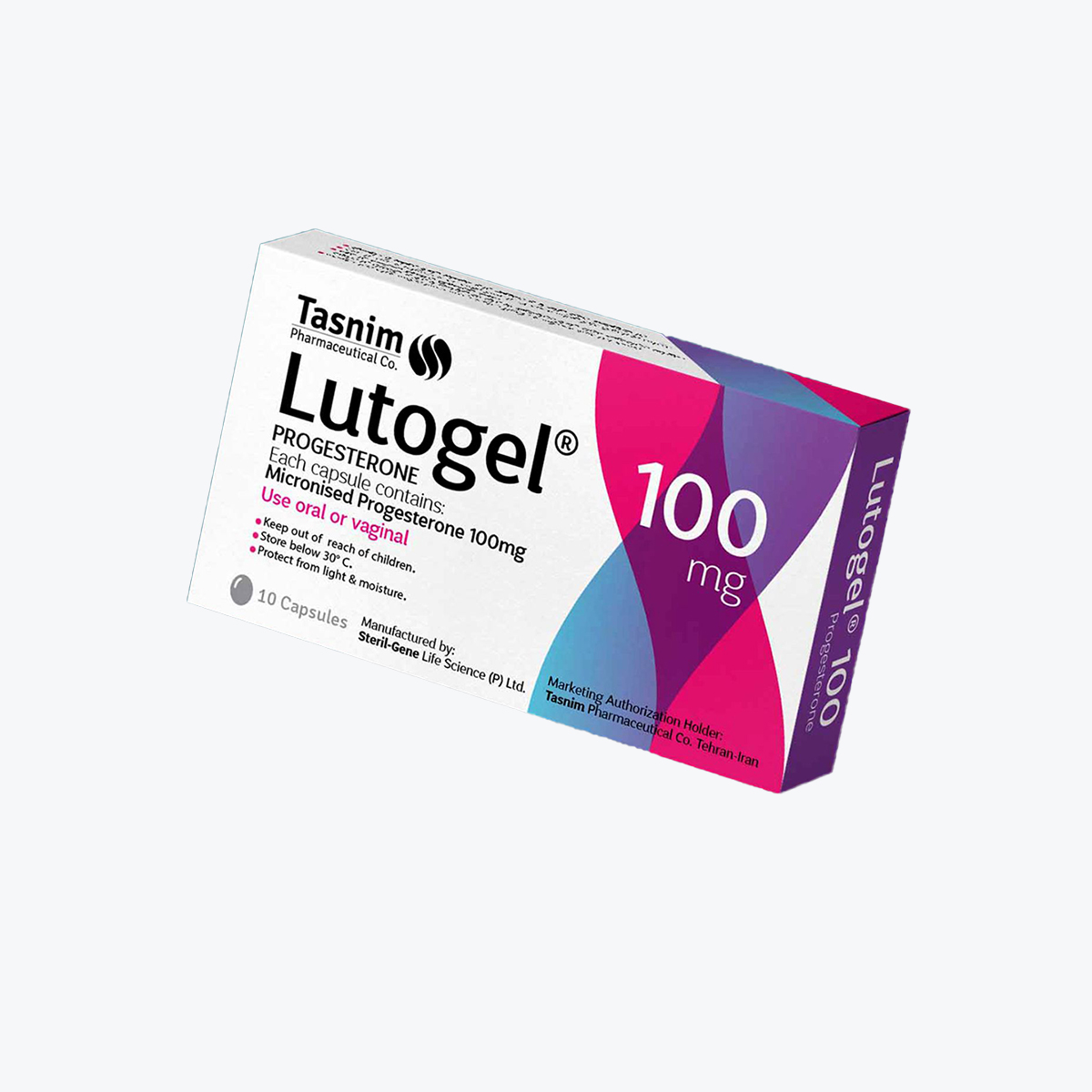
Pharmaceuticals
Food products
Lightweight electronics
These boxes provide solid product safety for many everyday products while keeping costs manageable.
Rigid boxes, on the other hand, are often used as premium packaging for:
Luxury goods
Jewelry and watches
Electronics
Gifts
Premium cosmetics
They’re especially useful for high-value items where durability and presentation go hand in hand. If the product needs a more durable design, or if the unboxing experience matters as much as the item itself, rigid boxes are often the better call.
The table below summarizes the key differences between folding cartons vs. rigid boxes.
Feature
Folding Cartons
Rigid Boxes
Material
Paperboard cartons
Thick rigid board
Cost
Cost effective
Higher cost
Shipping
Folding cartons ship flat
Shipped assembled
Storage
Saves space
Requires more space
Protection
Moderate
Superior protection
Types of Packaging Boxes: Which to Choose?
In my experience working with brands, there isn’t one right answer in the rigid boxes vs. folding cartons debate.
The best choice depends on how you want your packaging to perform. If you’re deciding between these two formats, start with these questions:
How much does my product weigh? How much protection does it need? Lightweight items usually work well with folding cartons. Fragile or high-value products often need the sturdier structure of rigid boxes.
What is my budget? Do I need something cost-effective? If cost is a major concern, folding carton boxes are usually the safer choice, especially for mass-produced products.
Do I need to focus on brand identity? Do I want to increase my product’s perceived value? Better packaging can make a product feel more polished, more premium, and more worth picking up. That can matter a lot for luxury items, premium products, or gift-oriented brands.
Do I need a packaging that I can ship and store efficiently? Folding boxes typically offer greater logistical efficiency, especially for brands managing large production volumes and limited warehouse space.
Do I want an eco-friendly packaging solution? Folding cartons are generally easier to recycle, while rigid packaging may require more processing after disposal.
If speed, efficiency, and volume matter most, I would lean toward folding cartons vs. rigid boxes as the more practical packaging solution. If presentation, protection, and a more premium feel are priorities, rigid boxes vs. folding cartons may better support your brand goals.
Amanda is a professional writer and brand strategist at Refine Packaging who is based in Los Angeles, California. With a background in writing and journalism, Amanda entered the manufacturing industry 6 years ago to explore her unique passion for beautifully conceptualized packaging. With years of packaging experience, Amanda has a deep understanding about how brand psychology and box design trends impact emotions and desired actions. When she’s not writing, Amanda can be found snuggling her two Beagles or outdoors sipping on sparkling white wine.








 Alex Jasin

 Amanda Jane Rivera

 Asif Muhammad
 Erica Campbell



.svg)
Share