The die-cut vs standard boxes conversation becomes serious once returns start eating into margins. According to Capital One Shopping, U.S. retail returns reached nearly $850 billion in 2025. Not all of that ties back to packaging, but damage in transit, poor fit, and inadequate product protection play a role.
Whether you’re using custom die-cut boxes or traditional RSC boxes, the structure of your packaging boxes can influence how well your products hold up once they leave the warehouse.
What Are Die-Cut Boxes?
When I talk about die-cut boxes, I’m referring to packaging boxes built specifically for a product, unlike standard boxes with fixed dimensions that the product should fit into.
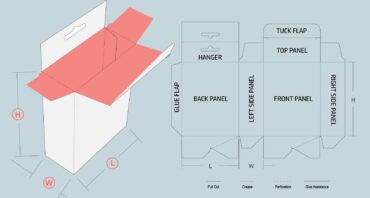
There are different types of custom boxes, but each custom box starts with a custom die – a steel rule formed into the exact outline the box needs. That die goes into a press, and sheets of corrugated cardboard or paperboard are cut and scored in one pass.
What comes out isn’t a generic rectangle. It’s a flat layout with the folds, tabs, cutouts, and locking points already in place. Later, it folds into shape without fighting the structure.
That’s the core of a custom die-cut. You’re deciding the size and shape first, then the material follows. In practice, that usually means control over things like:
Internal support
Footprint efficiency
Opening mechanics
Functional details
If you’ve ever opened a package where the product slides around and needs layers of bubble wrap or packing peanuts to survive shipping, you’ve seen the opposite approach.
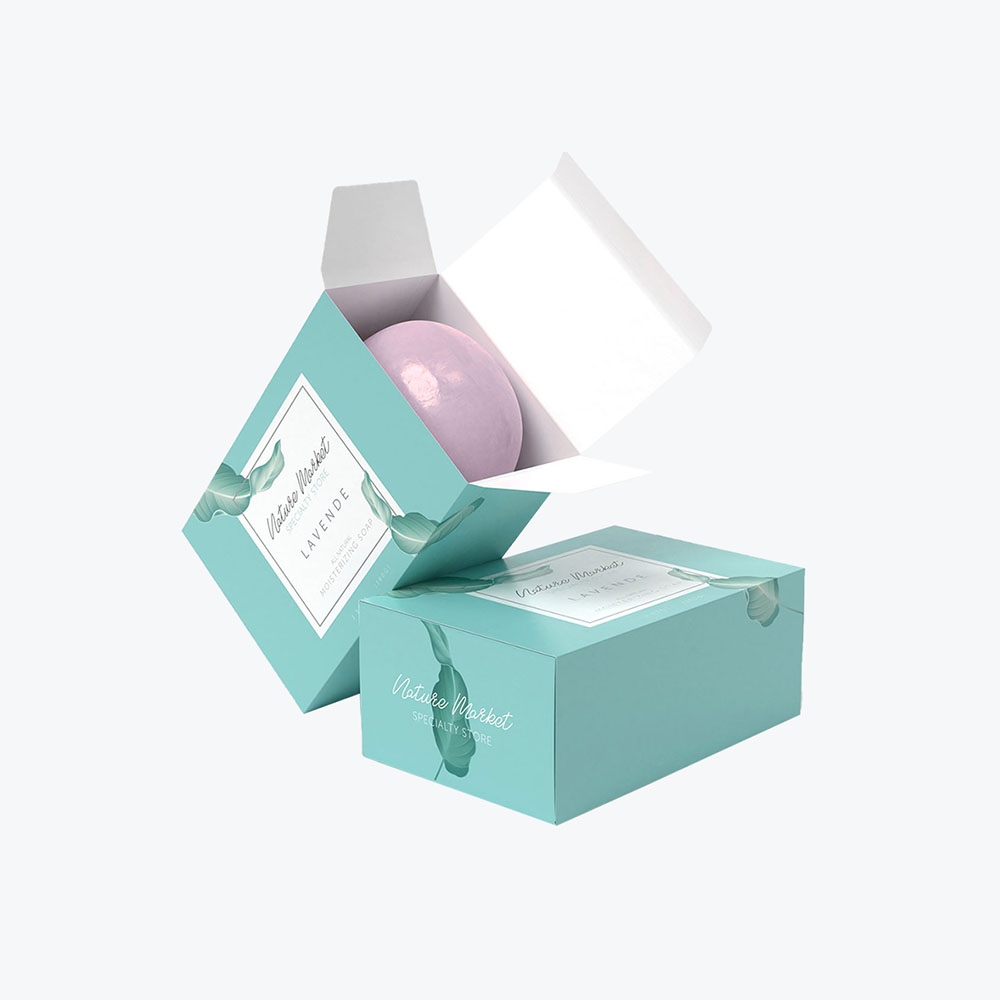
With custom die-cut boxes, the internal layout can hold items in place. Custom dimensions match content, and inserts can be part of the structure. Therefore, with die-cut boxes, there’s less wasted space, filler, and sometimes tape.
Many brands have switched from plain cardboard boxes to different types of custom boxes because their products didn’t fit well in standard alternatives. Small glass bottles, oddly shaped electronics, anything that isn’t a neat rectangle – those tend to benefit from a custom die design. Once the structure matched the product, damage rates dropped.
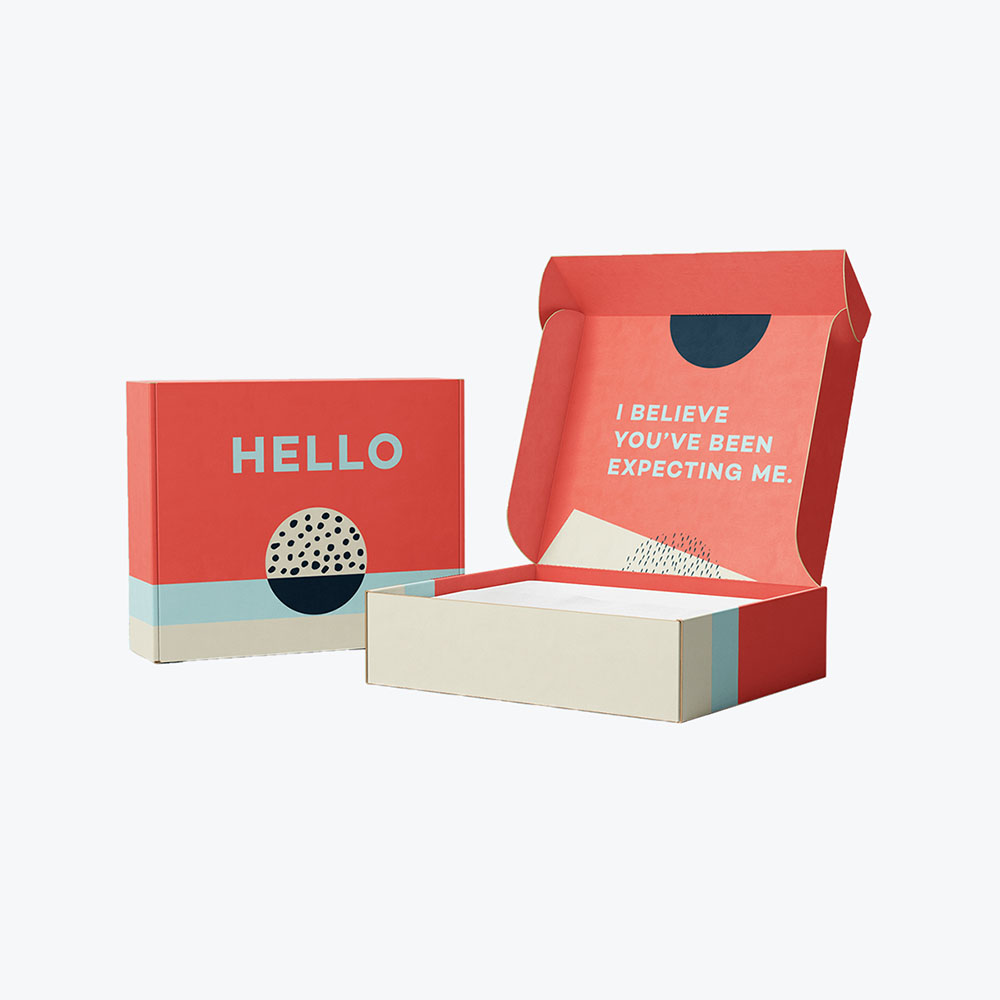
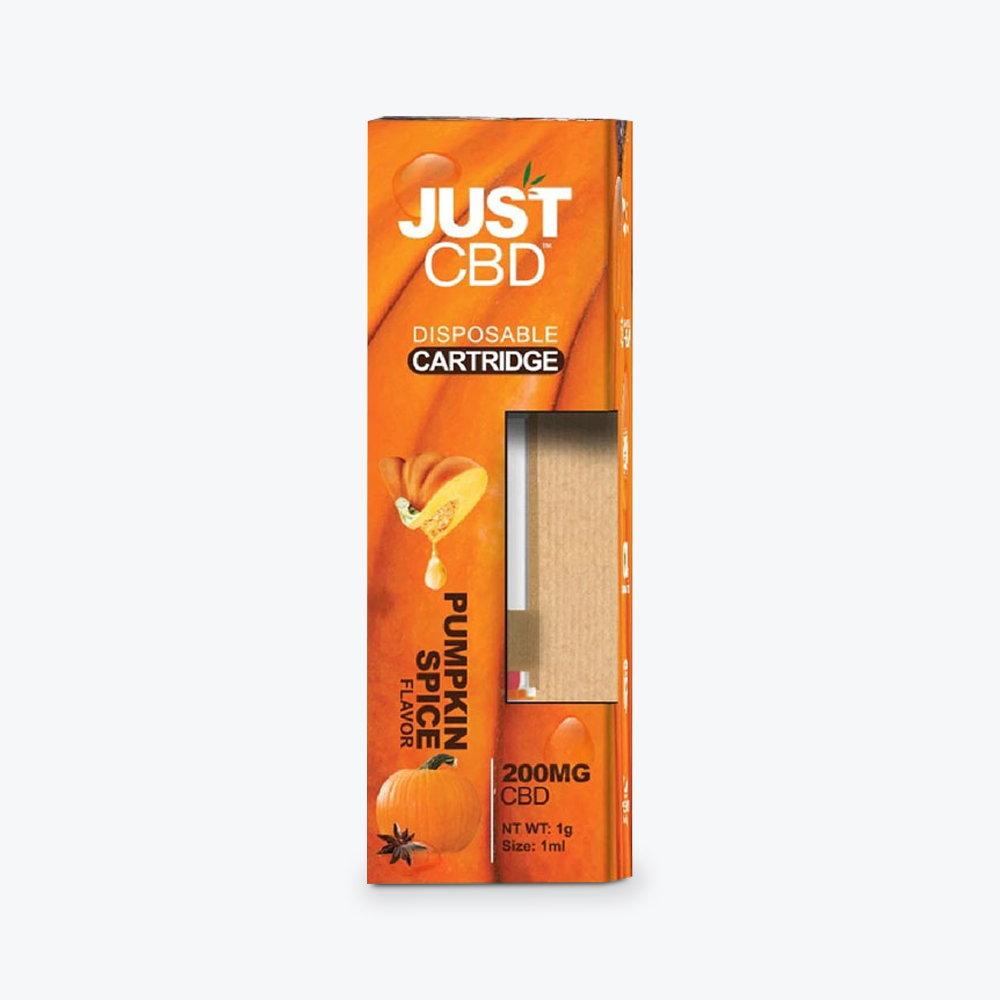
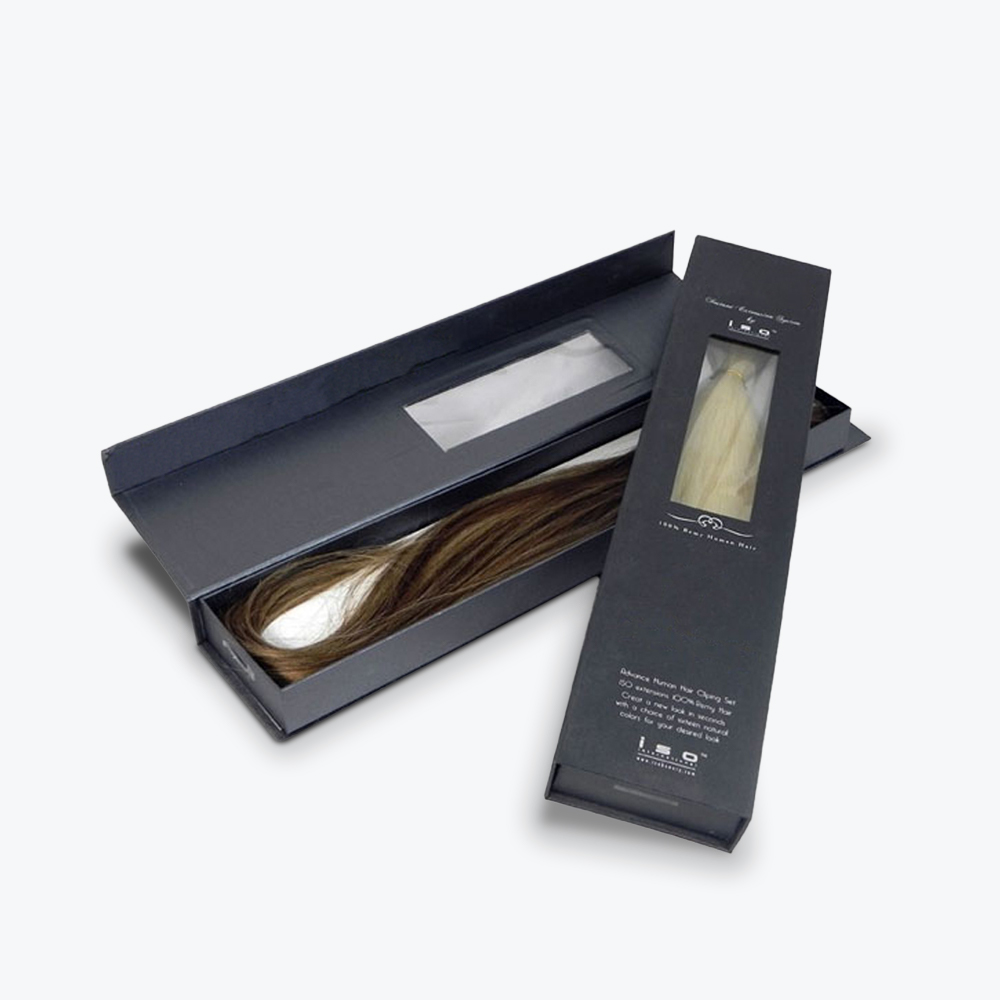
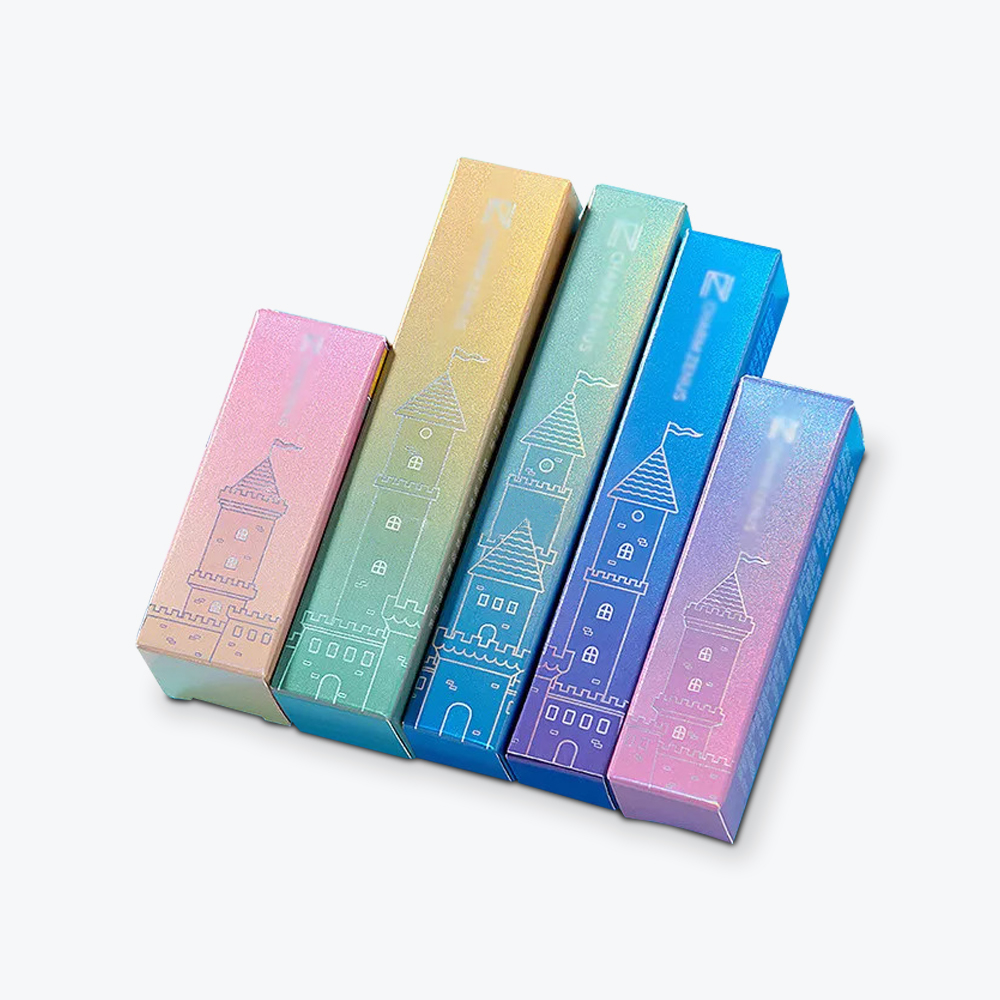
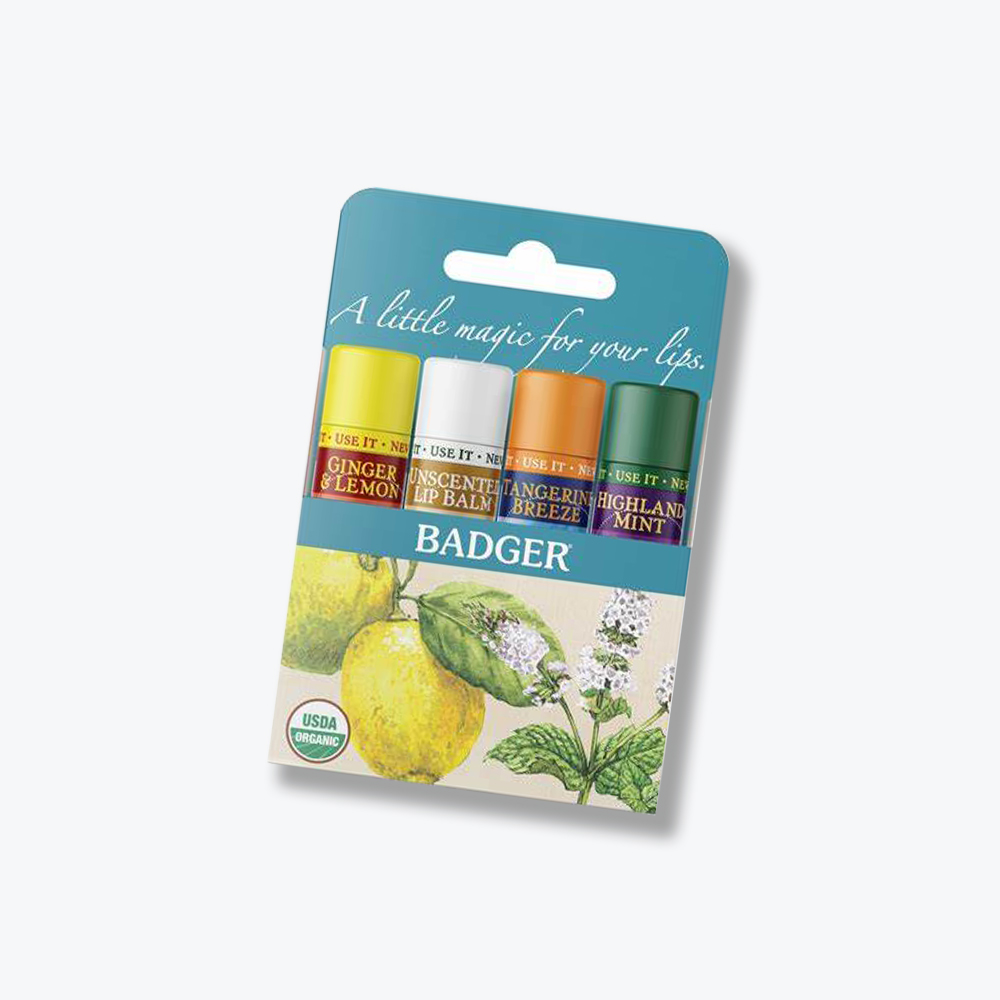
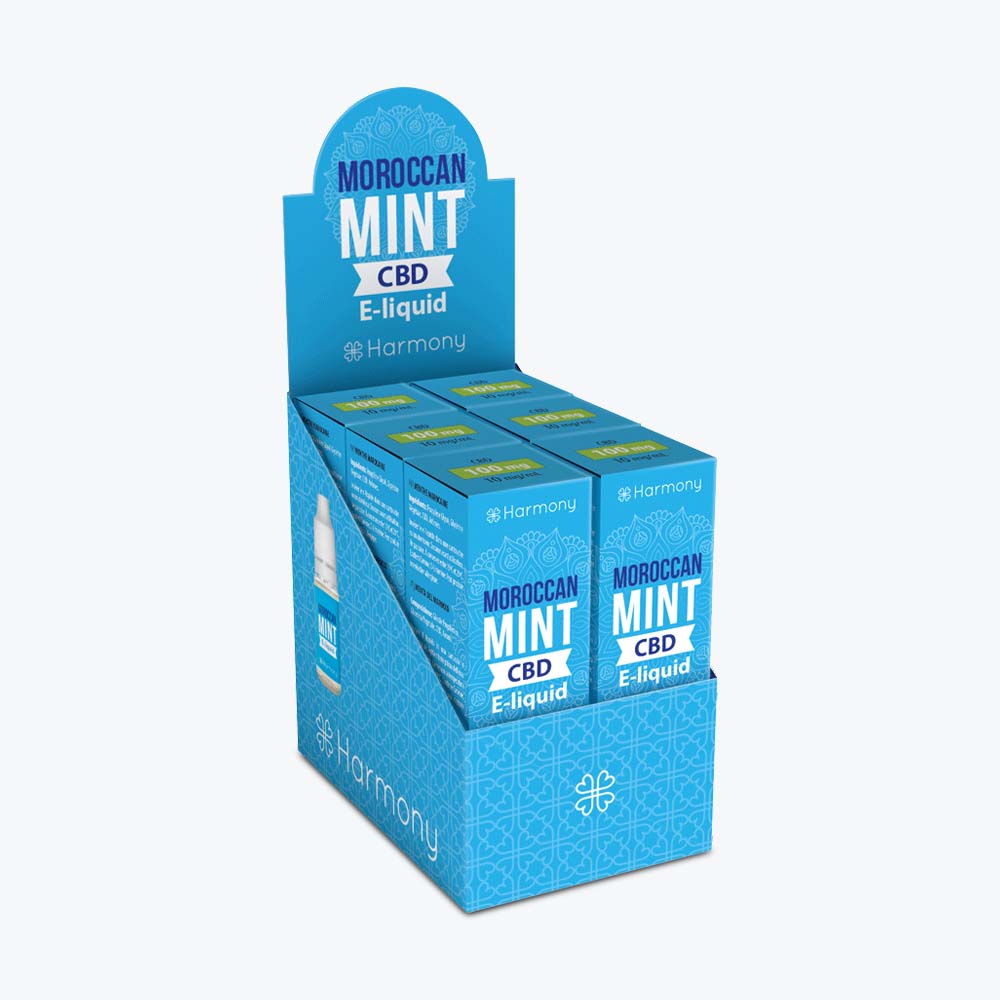
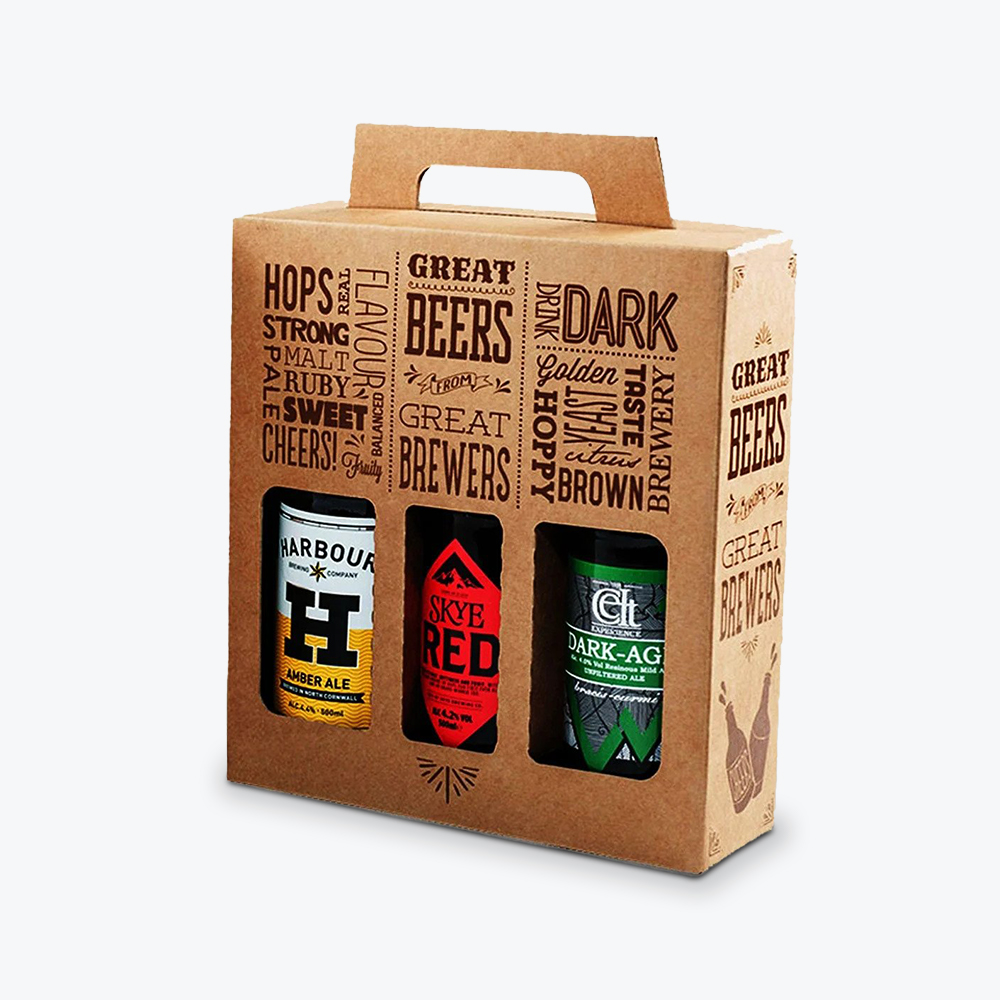
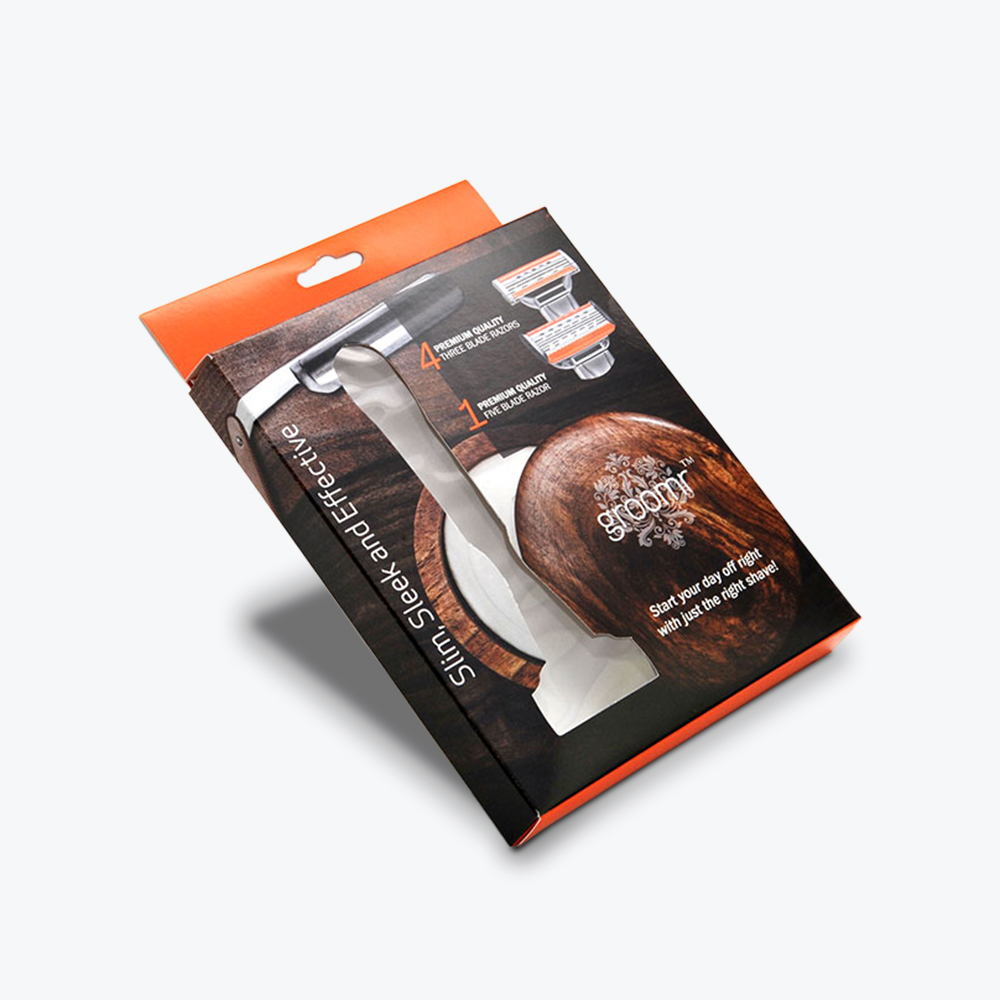
You’ll also see custom-printedboxes paired with die-cut designs, windows to show the product, handles that cut into the top panel, and mailer boxes that lock without extra adhesives. These aren’t random design tricks–they are deliberate parts of how the box functions.
If you want unique shapes, a snug fit, or packaging that doubles as part of the product experience, customized die-cut boxes give you that control. Choosing die-cut vs standard boxes does take planning.
Tooling for die-cut boxes isn’t instant, and it’s not always the cheapest route. However, when it comes to shipping boxes – when structure matters for protection, presentation, or how the box opens in a customer’s hands, this is usually where the conversation goes.
What Are Standard Boxes?
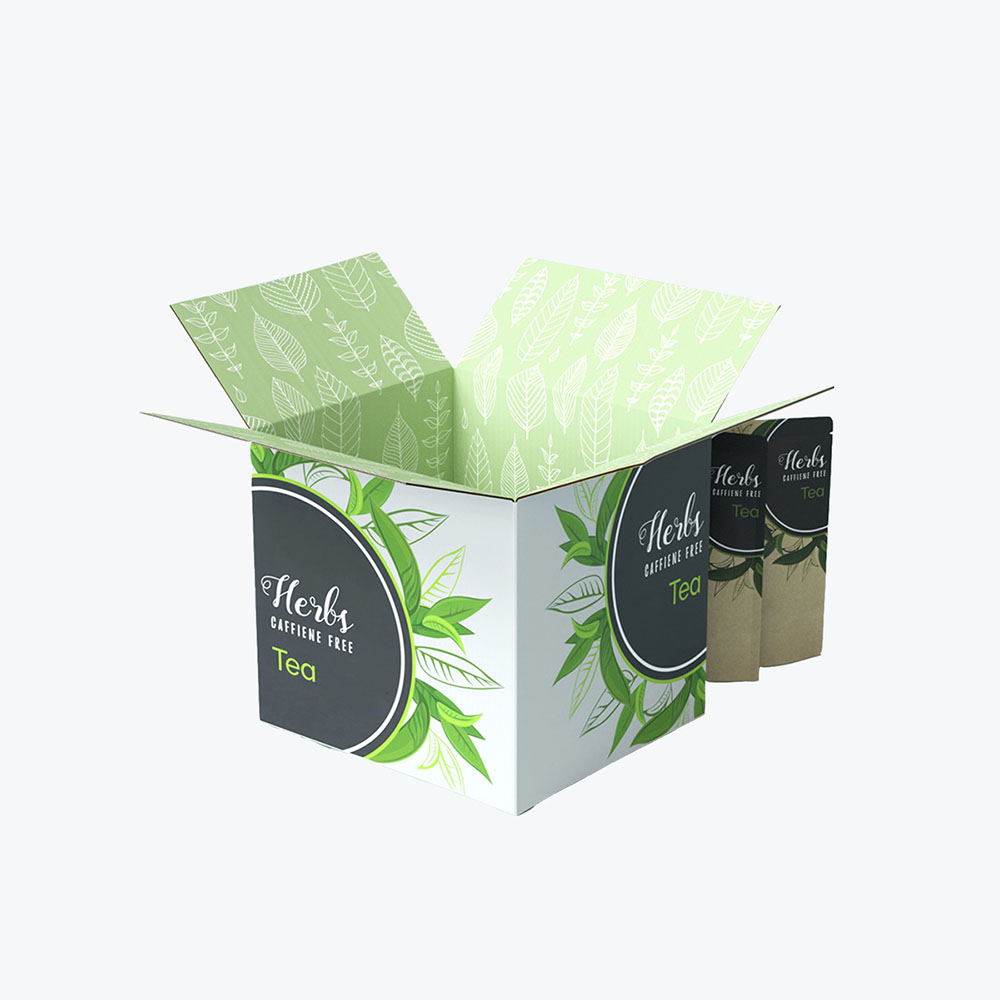
When suppliers refer to standard packaging boxes, they’re talking about RSC boxes – regular slotted containers. Four flaps on top, four on the bottom, fold, tape, ship. That structure hasn’t changed much because it doesn’t need to. It’s simple, and it holds up.
I’ve walked through distribution floors stacked ceiling-high with corrugated boxes, all the same footprint. That’s where RSC boxes shine. In most operations, that advantage shows up in a few practical ways:
Stacking consistency
Procurement ease
Packing speed
Volume scalability
They don’t require a special setup. You can order multiple sizes of standard packaging boxes in larger quantities, keep them flat in storage, and scale up fast when orders spike. For businesses that need shipping boxes for consistent SKUs, that predictability matters more than design flexibility.
The market numbers reflect that. Revenue tied to RSC packaging is projected to climb past $55 billion over the next decade, according to Precedence Research. That kind of growth doesn’t happen because a box looks nice. It happens because RSC boxes have durable construction and fit most shipping workflows without adding complexity.
From a material standpoint, standard corrugated cardboard boxes are more cost-effective than commissioning a custom die. No tooling. No waiting for a custom die-cut layout. If your product already has its own internal packaging or it’s sturdy enough to handle transit with basic packing, a properly sized RSC box does the job without overengineering it.
I’ve seen apparel brands go through this decision in real time. They invest in presentation for retail–something like custom fashion apparel packaging boxes that speak to the brand or premium gift packaging. However, once inventory moves into warehouse circulation, the brands rely on custom RSC boxes for outbound shipping. It’s a split approach.
Retail packaging handles the experience, and branded boxes carry the story. Standard shipping boxes handle the volume.
Key Differences Between Die-Cut vs Standard Boxes
The die-cut vs standard boxes debate is not just theoretical. Someone’s looking at freight invoices. Someone else is looking at damaged returns. And so, the box’s structure starts to matter.
Customization and Design Options
When packaging affects buying decisions, structure isn’t just aesthetic. Research shows roughly 72% of consumers say it does.
A custom die-cut box is built around a specific shape. Die-cut boxes let you control folds, lock tabs, and set internal supports rather than relying on generic box styles.
Once you cut steel for that die, you’re committing to it. That structure often stays tied to the SKU for its lifecycle, whether sales accelerate or slow.
For retail environments, especially when paired with custom retail packaging boxes, that structural difference is visible before the product is even opened.
RSC boxes don’t compete structurally. You can add logos and graphics through custom-printed boxes, but the shape stays conventional and easier to replicate across product lines.
If shelf presence or unboxing experience directly influences conversion, that control can justify the rigidity.
Cost and Material Flexibility
Die-cut boxes require a custom box setup, which adds tooling and setup costs. Those expenses land before revenue from the packaged product fully scales.
If product dimensions shift six months later, you’re not tweaking a template – you’re revisiting tooling, approving new samples, and adjusting timelines.
With RSC boxes, if a SKU grows by half an inch, you can use a larger available size.
Standard corrugated cardboard boxes are easier to source in larger quantities. Supply chains for corrugated boxes are already built around volume forecasting.
One builds around precision early. The other preserves room to adapt without resetting the process.
Durability and Shipping Use
A well-designed custom die-cut box can reduce wasted space and limit internal movement, reducing the need for bubble wrap or packing peanuts for fragile items. That can reduce return rates when transit handling isn’t gentle.
Standard corrugated boxes handle bulk shipments well because their dimensions are consistent and easy to palletize, which simplifies warehouse throughput.
If you’ve dealt with freight shipping, you know consistency reduces friction, especially when moving inventory across regions.
Many operations reserve die-cut boxes for customer-facing packaging and rely on RSC boxes for high-volume distribution.
Both can keep products safe when appropriately sized. The practical difference in die-cut vs standard boxes shows up in how much structural control you’re willing to trade for speed, sourcing flexibility, and operational stability.
Which Type of Custom Boxes Is Right for You?
This isn’t just a question about branding or branded boxes. It’s a workflow question. When teams struggle with choosing between die-cut boxes and standard options, it’s usually because they’re trying to solve two different problems with one structure.
Instead of asking which box is better, it helps to ask what pressure your business is under right now.
Here’s a practical way to think about it:
If your priority is…
You’ll likely lean toward…
Fast scaling across multiple SKUs
RSC boxes in various sizes that are easy to source and store
Tight product fit for irregular shapes
Custom die-cut boxes built around specific dimensions
Reducing shipping costs tied to dimensional weight
A well-optimized custom die-cut layout
Moving bulk inventory through freight networks
Standard corrugated boxes that palletize cleanly
Retail visibility and structure presentation
Die-cut packaging paired with display-ready formats
The real decision happens in the details. Suppose you’re shipping electronics – like a laptop – extra protection and internal support matter more than exterior shape. In that case, a custom die insert that’s inside corrugated boards may make sense.
If you’re launching a seasonal product or testing demand, the bigger risk isn’t tooling, but timing. A fully engineered die-cut box requires coordination across packaging design, approvals, and production. That’s fine when timelines are stable. It’s harder when you’re racing to hit a launch window or responding to a spike in orders. In those cases, RSC boxes can buy you speed.
There are also hybrid cases. Brands using a double-wall tuck front style for premium presentation might still rely on custom RSC boxes for warehouse distribution. One handles brand perception, while the other handles volume and freight shipping.
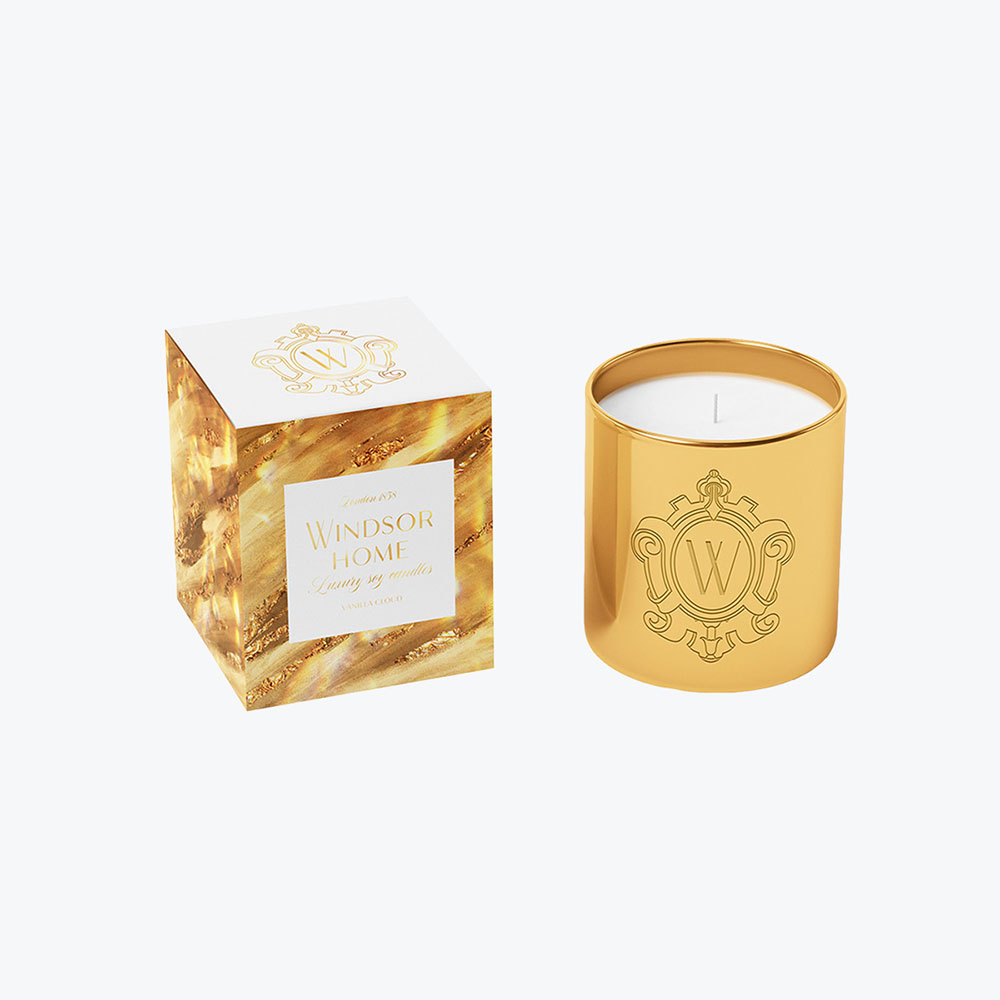
Another factor that isn’t taken into account enough in thedie-cut boxes and standard packaging boxes comparison is customer expectation. If you position a product as premium but it arrives in a basic brown RSC box, the disconnect can affect perceived value – even if the product itself is fine. Structure communicates the price tier before the product is even handled. In those cases, custom die-cut boxes aren’t just about fit; they signal intent.
At the same time, over-engineering packaging can backfire. If your margins are tight or your customers prioritize price over presentation, investing heavily in a complex custom die-cut structure can inflate costs without increasing conversion.
The decision to use standard or die-cut boxes depends on what failure would cost you more: lost brand impact or operational slowdown?
Final Thoughts
In the standard versus die cut boxes discussion, the real advantage of custom die cut boxes is control, especially over how your product is experienced from the first touch. Standard RSC boxes, on the other hand, win in terms of reliability. They’re the backbone of modern shipping because they integrate seamlessly into corrugated supply chains and scale without drama.
Your pick should rely on where your business is headed next. If you’re weighing that decision, working with a packaging partner like Refine Packaging can help align structure, materials, and long-term growth.
Asif Muhammad is a Co-Founder and Partner at the custom packaging box company, Refine Packaging. Recognized as a recommended packaging firm by Shopify and 99designs, thousands of companies nationwide choose Refine Packaging for their custom boxes and wholesale product packaging needs – including T-Mobile, Adidas, MetLife, Pandora, and Marriott Hotels. Asif’s leadership in the manufacturing industry stems from a mission to make the custom packaging process easier for businesses of all sizes. With 10+ years of packaging and engineering experience, Asif is uniquely suited to help companies think outside the box to create memorable retail packaging.






 Alex Jasin

 Amanda Jane Rivera

 Asif Muhammad
 Erica Campbell



.svg)
Share