Freight shipping refers to the process of moving goods that are too heavy, bulky, or numerous for standard parcel carriers. Think pallets of inventory, raw materials, or oversized items like furniture. If it can’t fit in aregular parcel box, it probably needs freight.
Why does this matter? Becausethe way you ship freight directly impacts delivery speed and shipping costs. It also affects your entire supply chain. A well-planned freight shipment can cut costs by consolidating loads and reducing delays through smarter routing. It keeps your business running smoothly, even across borders.
Whether you’re sending a single pallet across state lines or a container overseas, understanding freight shipping delivery times and processes can mean the difference between hitting deadlines and missing opportunities.
In this guide, we’ll break down how freight shipping works, typical shipping methods and delivery timelines, and the best practices for freight shipments. By the end, you’ll be able to answer what is freight shipping and understand how to plan smarter and keep your supply chain moving smoothly.
When people think about shipping, they often imaginesmall parcels moving through UPS, FedEx, or USPS.
But once a shipment exceeds 150 pounds, going up to 15,000 pounds, or takes up more space than a standard parcel box, it’s no longer considered parcel shipping.
It’s freight.
Key Differences Between Freight Shipping and Parcel Shipping
The choice between parcel and freight shipping depends on what you’re moving. Here are the major differences to guide your decision.
Parcel Shipping. Best for packages under 150 lbs., shipped individually, and delivered quickly to consumers. Widely available through UPS, USPS, and FedEx.
Freight Shipping. Designed for bulk shipments, pallets, or large items. These are often consolidated into full truckloads (FTL), less-than-truckloads (LTL), or containers for global shipments.
Think of freight shipping as the heavy-duty cousin of parcel delivery. It’s designed for volume, efficiency, and cost-effectiveness when shipment size exceeds normal parcel limits.
For example, asmall online retailer might use parcel shipping for individual customer orders but rely on freight shipping to replenish their warehouse inventory.
The shipping process also looks different: freight shipments require freight classification, specialized carriers, bills of lading, and sometimes customs clearance.
Overview of Factors Affecting Freight Shipping Times
Several factors determine how long freight takes:
Distance between origin and the final destination
Choice of transportation modes
Service level (standard, priority, or expedited freight shipping)
Customs clearance for international shipments
Weather, traffic, carrier-specific delays, and other unexpected disruptions
Understanding these elements helps businesses plan realistic timelines and control logistics costs.
Understanding Freight Delivery
What Is Freight Delivery?
Freight delivery is the transportation of large shipments by truckload (FTL), less-than-truckload (LTL freight shipping), air freight, rail freight, or ocean freight. In some cases, expedited freight or intermodal shipping(using multiple carriers or transportation modes) is used to balance speed and cost.
Less-than-truckload (LTL freight shipping). Multiple shipments from different companies share one truck. It’s cost effective because you only pay for the goods stored in the truck, but it is slightly slower.
Full truckload (FTL). A dedicated truck moves only your shipment (bulk or pallet loads). This alternative is faster and more secure.
Air freight shipments. This is the fastest option, but entails higher shipping costs. According to theInternational Air Transport Association (IATA), airlines transport over 62 million cargo tonnes of goods annually. That’s 33% of global trade by value. When you look at it in terms of value, air freight enables global trade on such a huge scale. In fact, $22.7 billion worth of goods are being transported by air freight every day.
Ocean freight. Best for international trade of large quantities; very cost effective but slow. It’s worth noting, though, that 80% of all goods are transported by sea, according toStatista.
Rail freight. Reliable and efficient for bulk shipments across long distances. More affordable but could take longer than trucking options.
Expedited freightrefers to services that prioritize speed via air or dedicated trucks; it can get very expensive, but it gets your goods to you quicker.
If you ship often but not enough for a full truck, LTL carriers offer an ideal balance oflower shipping costs and more flexible delivery speed.
You can also look into partial truckload (PTL), which is like a cross between LTL and FTL. It’s a good option if you regularly ship between 6 and 18 pallets or goods that weigh from 8,000 to 27,000 lbs. (or shipments that don’t fill an entire truck). It’s quicker than LTL and is usually more affordable than FTL too.
If you’re transporting hazardous materials, look into carriers offering hazmat freight services.
How Does Freight Delivery Work?
Now that you know what is a freight delivery, we’ll also discuss the steps the freight shipment process usually follows:
Booking. Shippers determine freight shipping rates by shipment size, weight, freight class, and distance.
Pickup. A freight carrier collects the goods, typically on pallets or in shipping containers.
Transit. Shipments may pass through freight forwarders, hubs, or intermodal shipping terminals.
Customs (for international shipments). Paperwork and duties are reviewed. Delays here can affect delivery speed.
Final Mile Delivery. Freight is delivered to the consignee’s warehouse or retail location.
Always double-check shipping regulations and freight documentation before pickup. Incorrect or incomplete paperwork is one of the biggest causes of delays. If you’re shipping internationally, consider partnering with a reliable freight forwarder. They can help with handling customs documentation and clearance, reducing the risk of delays.
What Does Freight Delivery Mean for Businesses and Individuals?
For businesses. Freight transportationenables companies to scale operations, lower per-unit shipping costs, and maintain steady supply chains.
For individuals. It’s the only way to ship oversized or heavy personal items that parcel carriers can’t handle.
For example, consolidatingmultiple boxes into a palletized freight shipment is often significantly more cost-effective per pound than sending those sameboxes individually via parcel carriers.
Freight Shipping Delivery Times
Apart from understanding what is freight shipping and what is a freight delivery, you might be wondering how long is freight shipping.
Delivery times vary dramatically. Choosing air transportation, rail freight, or ocean freight can mean the difference between 1 day and 45 days.
How Long Does Freight Shipping Take?
Ground freight (domestic, short distance): 1–3 days
Ground freight (domestic, long distance): 3–7 days
Air freight (domestic): 1–3 days
International air freight: 1–10 days plus customs
Ocean freight shipping: 20–45 days, according toMaersk, depending on origin and ports; shipments during peak season may take longer
Rail freight: 2–14 days depending on distance
Here’s a tip: If speed is critical, always choose express or expedited freight shipping, but balance it against higher transportation costs. And if you’re shipping internationally, check not just how long is freight shipping but also port congestion updates. Waiting at port can add several days or more to your shipment.
Logistics companies or freight shippers like DHL (DHL SameDay, an air freight service) and FedEx (FedEx SameDay Freight), for instance, offer same-day shipping for freight.
Factors Affecting Freight Delivery Speed
Distance and shipping route. Cross-country shipments naturally take longer than regional (longer routes = longer transit times = higher costs).
Mode of transportation. Air freight shipments are fastest; ocean freight is slowest.
Customs clearance. Missing paperwork can stall an entire shipment.
Weather and delays. Hurricanes, snowstorms, orholidays can push back delivery.
Carrier policies and service levels. Expedited shipping can cut delivery times in half, but it comes at a premium.
Whether you’re shipping domestically or internationally, always build buffer time into your supply chain planning if using ocean freight or multiple carriers. Even well-prepared cargo can face customs or regulatory delays.
Freight Shipping Processes and Best Practices
Understanding what is freight shipping is can seem overwhelming if you’re new to it. The good news? By following a few best practices, you can simplify the shipping process and avoid costly delays. These may even help you secure better freight quotes.
Booking and Scheduling Freight Shipments
Compare freight quotes across carriers to determine the best shipping method. Check their delivery times and insurance policies. Also consider their reputation and customer service (check customer reviews or testimonials). Ask them if they’ve had prior experience handling goods similar to yours.
Use freight forwarding companies for shipping internationally as they can help streamline paperwork.
Know your freight classification (used to classify different freight types) under theNational Motor Freight Classification (NMFC) if using LTL freight shipping.
Now, if you’re consistently shipping bulk or pallet loads, negotiating long-term freight shipping rates or contracts with a trusted carrier can lead to considerable cost savings.
Incorrect freight classification is one of the biggest reasons for billing disputes, delays, and even damage, so double-check your freight class (used by carriers to determine shipping cost) before booking. Doing so can also make your shipping more efficient and cost-effective.
Freight Tracking and Status Updates
Modern freight carriers provide detailed shipment tracking, similar to parcel carriers, so you can monitor your shipment. Tracking helps you:
Plan staffing at warehouses
Anticipate delivery delays (make sure to communicate with your carrier)
Provide accurate ETAs to customers and keep them informed
Ask your carrier if they offer API-based tracking integrations. This allows your system to automatically update shipment statuses (real-time tracking).
Handling and Receiving Freight Shipments
When a shipment arrives:
Inspect it before signing the bill of lading. According toMaersk, if you’re the consignee or buyer, you’ll need to present this to receive your goods.
Document the condition of your shipment upon arrival with photos and file an insurance claim in case of loss or damage. In addition to the photos, prepare documents like the shipment’s bill of lading, proof of delivery, and inspection report when filing a claim.
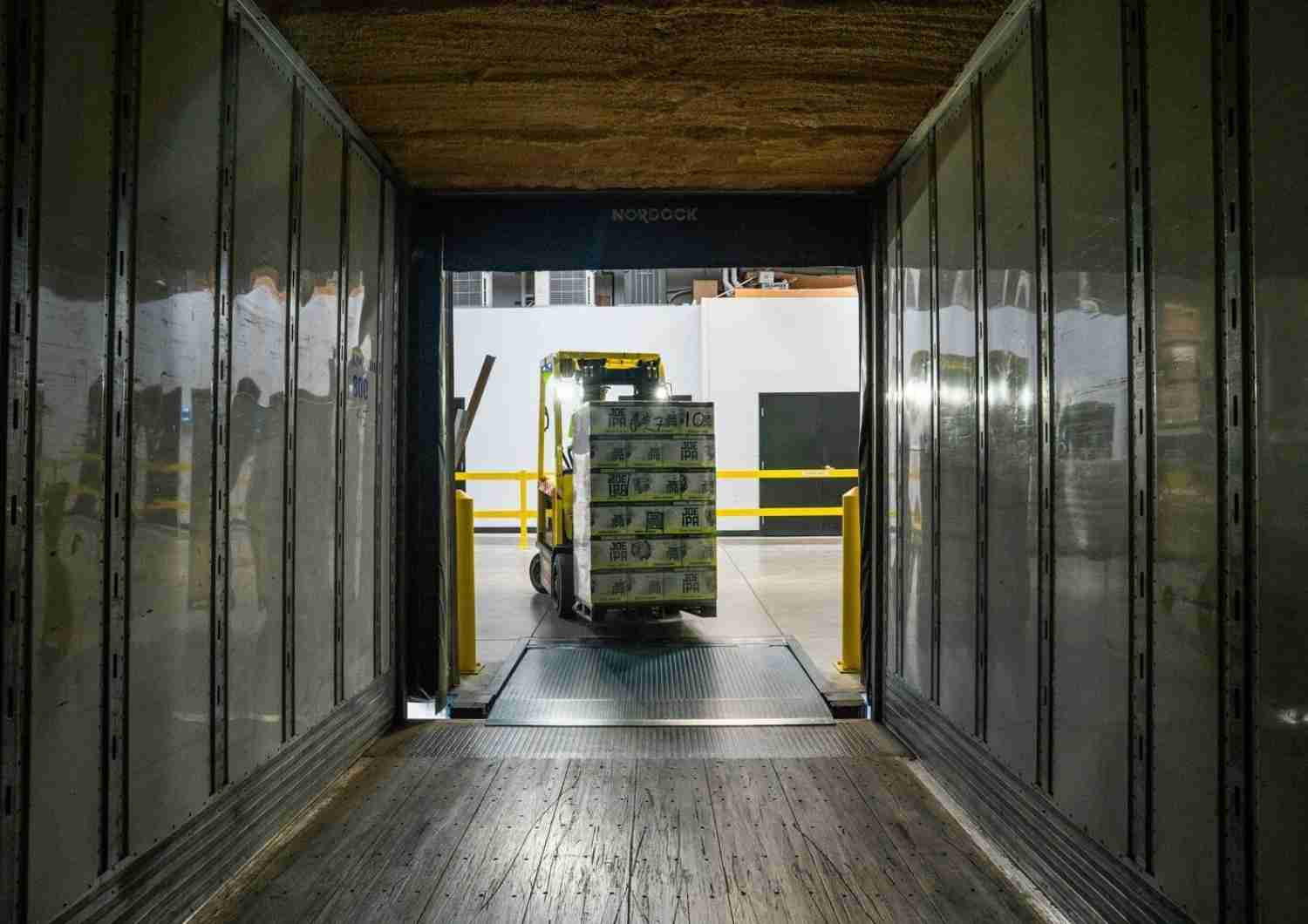
Have the right equipment ready, such as forklifts for pallets and dollies for crates.
For country-to-country shipments, you need to pay the applicable duties and taxes. You’ll also need to comply with your country’s and the destination country’s import and export regulations.
So, what is freight shipping really about and what does freight delivery mean for businesses? It goes beyond just moving large loads from point A to point B. It keeps supply chains moving and enables international trade to flow.
Whether you’re relying on air freight to meet a tight deadline, ocean freight to stretch your budget, or LTL freight shipping to balance both, knowing the delivery times and processes gives you an edge.
The businesses that thrive aren’t the ones that simply ship freight. They’re the ones thatship it smarter. That means understanding your options and planning for potential delays. It also means working with packaging and logistics partners who make sure yourproducts arrive safely and on time.
Ready to take the guesswork out of freight shipping? Refine Packaging can help. Fromcustom shipping boxes that withstand international transit totailored packaging solutions that lower shipping costs, we’ll help you keep your goods protected so they arrive at their destination in the best condition.
FAQs
1.How long does freight shipping take?
Freight shipping timelines depend on the mode of transportation.
Air freight is the quickest option, taking 1–3 days domestically and 1–10 days internationally, not including customs. Lastly, ocean freight is the slowest, taking 20–45 days depending on routes and port congestion.
2.What is freight delivery?
Freight delivery is the transportation of heavy or oversized goods. These are shipped in pallets or containers and ensure safer handling during transport. Plus, this makes it easier to load or unload.
3.How does freight delivery work?
It follows a structured shipping process that begins with preparing and classifying the goods to be shipped. A freight carrier picks up the shipment, which will then move through terminals, hubs, or ports, sometimes using intermodal shipping across trucks, trains, ships, or planes. If international, customs clearance must be completed. Freight is delivered to the final destination, usually a warehouse or retail store.
4.What affects the speed of freight shipping?
Several factors affect the speed of delivery, such as the mode of transport, customs clearance, and distance and route.
5.Is freight shipping more expensive than parcel shipping?
Not always. While the shipping cost for small items is lower with parcel services, once shipments exceed 150 lbs., freight shipping rates typically offer significant cost savings per pound.
6.Can I expedite a freight shipment?
Yes. Expedited freight shipping options are available for both domestic and international shipments. Note that expedited shipping is considered a premium service. Costs tend to be higher, but it’s a good option for time-sensitive deliveries like product launches or restocking before peak shopping seasons.
Asif Muhammad is a Co-Founder and Partner at the custom packaging box company, Refine Packaging. Recognized as a recommended packaging firm by Shopify and 99designs, thousands of companies nationwide choose Refine Packaging for their custom boxes and wholesale product packaging needs – including T-Mobile, Adidas, MetLife, Pandora, and Marriott Hotels. Asif’s leadership in the manufacturing industry stems from a mission to make the custom packaging process easier for businesses of all sizes. With 10+ years of packaging and engineering experience, Asif is uniquely suited to help companies think outside the box to create memorable retail packaging.









 Alex Jasin

 Amanda Jane Rivera

 Asif Muhammad
 Erica Campbell



.svg)
Share