Quick Take: Which Packaging Finish Should You Choose?
Choosing packaging finishes gets easier when you start with the goal. If you need basic protection against light wear, dust, and smudges, aqueous coating or varnish is usually a practical choice. If you want bright color, shine, and a glossy surface, UV coating or gloss lamination can help images and ink stand out.
For a subtle, more professional look, matte lamination gives packaging a smooth, low-shine finish. For a more high end tactile experience, soft-touch lamination adds a velvety texture that works well for luxury packaging. If you want to highlight a logo, pattern, or product name, spot UV can create contrast without coating the entire surface.
Packaging finishes can make the difference between product packaging that looks “just fine” and product packaging that feels polished, durable, and worth remembering. The box structure matters, of course, but the surface is what customers see and touch first.
A matte finish can make a box look sleek and understated. A glossy coating can make colors and images stand out. Spot UV can highlight a logo or pattern with contrast, while soft-touch lamination can create a smooth, high-end tactile experience. None of these choices are just decorative. They affect durability, cost, customer perception, and how professional the final printed piece looks.
In this guide, we’ll explain what coatings and laminations do, how options like UV coating, matte lamination, spot UV, and soft-touch lamination compare, and how to choose the right finish based on your packaging design, product use, and budget.
Packaging finishes are the final surface treatments applied after printing. They can protect printed materials, change the appearance of the box, or add texture that makes the packaging feel more premium.
A coating is usually a thinner liquid layer applied to the printed surface. It may add gloss, matte texture, scratch resistance, or moisture protection. Common options include aqueous coating, varnish, UV coating, and spot UV. A lamination is usually a thin film applied over the paper or cardboard surface. It adds more thickness, durability, and a smoother feel than many basic coatings.
Think of it this way: printing creates the design, while finishing controls how that design looks, feels, and holds up in the customer’s hands.
Finishes and coatings typically help with:
Protection: Reducing scuffs, scratches, fingerprints, moisture exposure, and surface wear
Visual effect: Creating a matte, gloss, shiny, subtle, or high-contrast appearance
Texture: Adding a smooth, natural, soft touch, or glossy tactile experience
Brand perception: Helping the package feel more professional, premium, or sophisticated
Packaging quality matters because customers notice more than the product itself. Mondi’s Fifth Annual eCommerce Report found that 88% of surveyed consumers value protective packaging, which is a useful reminder that the best finish should support both appearance and performance. A box can look beautiful, but if the ink scratches easily or the surface scuffs before delivery, the customer will still feel like it’s not high quality.
Types of Packaging Coatings
Coatings are often used when brands want surface protection, visual polish, or a specific sheen without adding the thickness of a laminate. They’re commonly used on product packaging, book binding, brochures, folding cartons, and other printed materials.
Packaging finishes range from simple protective coatings to complex 3D visual effects that enhance shelf appeal. Common options include embossing, which creates raised or recessed designs for a three-dimensional effect; foil stamping, which uses heat and pressure to apply metallic or pigmented foil; hot foil stamping for a reflective metallic finish; holographic foils and holographic packaging, which create color-shifting, light-refracting 3D effects; metallic finishes that attract attention and convey a celebratory feel; and matte varnish, which produces a non-reflective surface that diffuses light.
Aqueous Coating
Aqueous coating is a water-based coating that adds light protection and a smooth finish. It’s often considered a cost-effective and more environmentally friendly option compared with some solvent-based coatings.
It works well when you want:
Basic protection from dust, smudges, and fingerprints
A clean matte or gloss appearance
A practical coating for retail packaging or paper-based boxes
A finish that supports a more natural packaging look
UV Coating
UV coating is cured using ultraviolet light. The process uses uv light to trigger a chemical reaction that hardens the coating on the surface of the printed piece. This creates a glossy, durable finish that can protect ink and make colors appear sharper.
This method works well for brands that want:
A shiny, high-impact surface
Stronger resistance to wear and handling
Bolder color and image quality
A more professional look on retail packaging
Spot UV
Spot UV is a specialty technique that applies UV coating only to selected areas of the packaging, such as a logo, product name, image, or pattern. The technique involves applying the coating with precision, often using mask files to control where the glossy effect appears.
Spot UV is most effective on thicker paper stocks such as 16PT and 19PT, while UV coatings can be applied at production speeds exceeding 800 feet per minute and formulated with 100% solids, reducing pollution during the printing process.
Use spot UV when you want to:
Highlight a logo, pattern, or design element
Create contrast on matte lamination
Add a premium look without coating the entire box
Make luxury packaging feel more tactile and memorable
Varnish
Varnish is a clear coating that can create a gloss, matte, or satin effect. It’s often more flexible and cost-conscious than some premium finishes, making it useful for printed materials where the goal is a simple protective layer or subtle visual effect.
A spot varnish can also be used on specific areas, though it may not create the same sharp contrast or high-gloss impact as spot UV. Varnish is a practical option when you want a cleaner surface, light protection, and a finished appearance without overcomplicating production.
Types of Packaging Laminations
Lamination adds a thin film over the printed surface. Compared with many coatings, it usually adds more thickness, durability, and a smoother feel. It’s often used when product packaging needs a more premium or protective finish.
Gloss Lamination
Gloss lamination creates a shiny, reflective surface that makes colors, images, and ink look brighter. It’s a strong choice for packaging that needs to stand out fast, especially in retail.
Use gloss lamination for:
Bold food packaging
Bright product boxes
Promotional packaging
Designs with colorful images or high contrast
The trade-off is glare. A glossy surface can look eye-catching under light, but direct lighting may create a reflection that makes small text harder to read.
Matte Lamination
Matte lamination creates a smooth, low-shine surface with a more subtle appearance. It gives packaging a cleaner, softer, and more sophisticated look without the shine of gloss.
Use matte lamination for:
Luxury packaging
Minimalist product packaging
Cosmetics, wellness, and skincare boxes
Packaging that needs a sleek, professional appearance
A matte finish can make a printed piece feel more premium, but it may show fingerprints, dust, or scratches more easily than gloss. If durability is a concern, ask whether the material needs extra protection.
Soft-Touch Lamination
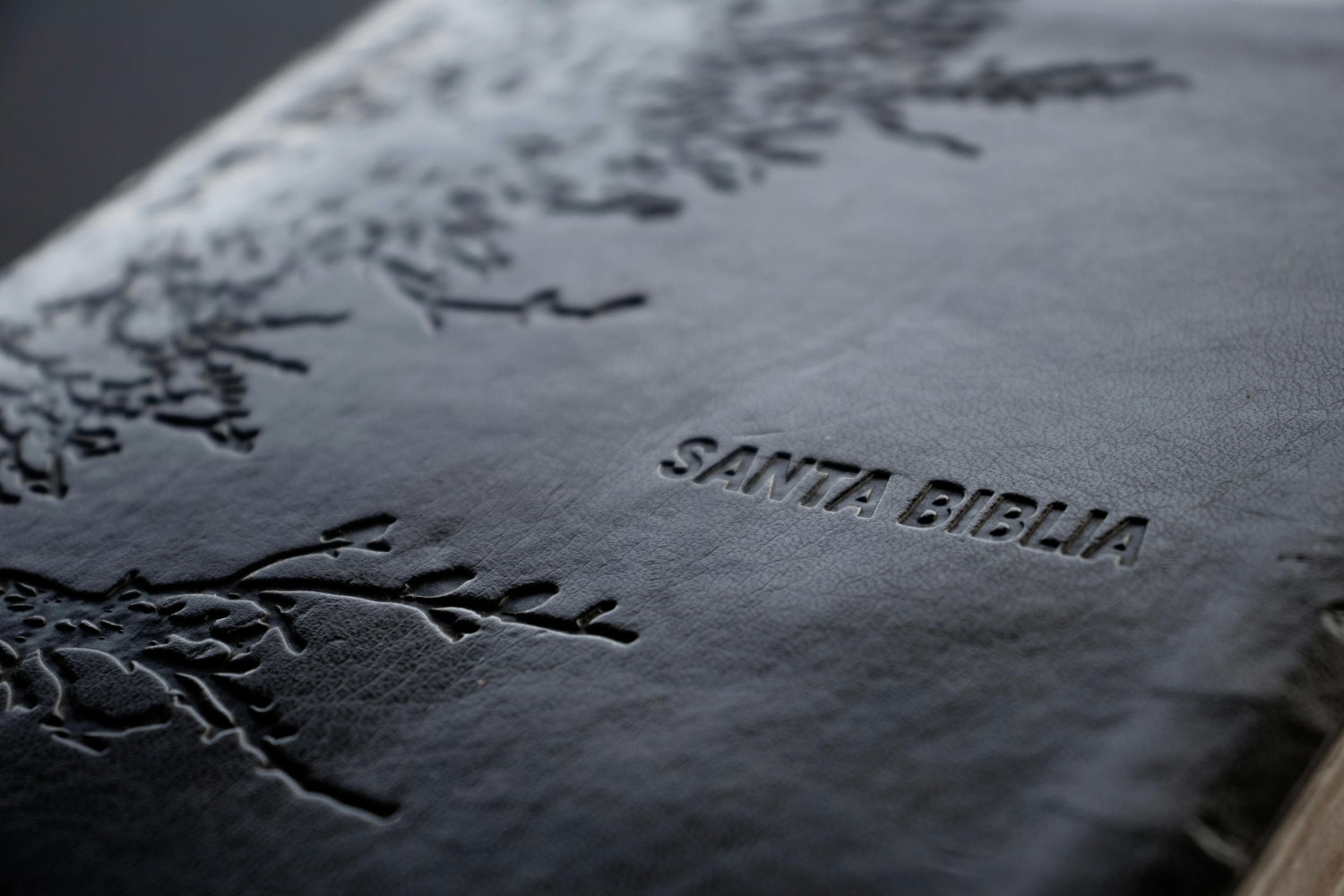
Soft-touch lamination adds a velvety, smooth texture that customers can feel right away. It’s one of the best options when the goal is a high-end tactile experience.
Use soft-touch lamination for:
Premium cosmetics
Electronics packaging
Gift boxes
Luxury subscription boxes
Products where the unboxing experience matters
Coatings vs. Lamination
Coatings and laminations can both protect packaging and improve appearance, but they don’t work the same way.
Feature
Coatings
Laminations
How it’s applied
Liquid coating applied to the printed surface
Thin film laminated over the material
Thickness
Thinner
Thicker
Durability
Good for light to moderate protection
Stronger protection against wear, tear, and handling
Visual effect
Gloss, matte, satin, spot effects
Gloss, matte, soft-touch, premium texture
Cost
Usually more cost-effective
Usually higher cost
Best for
Every day retail boxes, brochures, printed materials
Choose a coating when you need practical protection, a clean finish, or a more cost-effective method. Aqueous coating, varnish, and UV coating can protect the printed surface while keeping production simpler.
Choose lamination when the packaging needs extra durability, a premium texture, or a more professional look. Matte lamination and soft-touch lamination are especially useful for high-end packaging where the surface feel matters as much as the design.
How to Choose the Right Finish or Coating
The best finish depends on the product, how the packaging will be handled, and what the brand needs customers to feel. A shiny finish might be perfect for one box and completely wrong for another. Use this quick process to help you decide:
Start with the packaging type. Shipping boxes need durability-focused coatings that can handle scuffs and moisture. Retail packaging may need a balance of protection and visual appeal. Luxury packaging may call for premium laminations, foil stamping, embossing, or spot UV.
Think about product use. High-handling products need stronger protection against wear, dust, scratches, and fingerprints. Food packaging may need suitable coatings that match safety, storage, and handling requirements.
Match the finish to the brand. A minimalist brand may prefer matte lamination for a subtle effect. A premium brand may use soft-touch lamination or foil stamping for texture. A bold retail product may use gloss or UV coating for a bright, polished surface.
Consider the design details. If the logo, title, or pattern needs emphasis, spot UV or spot varnish can create contrast without covering the full box. This is where precision matters, especially when mask files are needed for specialty printing techniques.
Check the budget. Basic coatings are usually more affordable. Premium laminates and special finishes cost more, but they can be worth it when they improve durability, shelf appeal, or customer perception.
Cost Considerations for Packaging Finishes
Packaging finishes can raise the total cost of a custom box, but the right finish can also make the packaging feel more professional, durable, and worth the purchase.
Basic coatings like aqueous coating or varnish are usually more cost-effective for everyday protection. Premium options like matte lamination, soft-touch lamination, foil stamping, embossing, and spot UV often cost more because they add materials, setup, precision, or production time.
Use this simple rule:
Choose coatings when you need basic protection, gloss, or a smoother surface.
Choose lamination when you need more durability, thickness, or a premium tactile experience.
Choose specialty printing techniques when the visual effect supports the brand and price point.
Cost matters even when sustainability is the goal. Reports from Manufacturing Asia point out how some consumer goods and ecommerce companies have been slower to switch to more sustainable packaging because of cost concerns. When determining your packaging design, balance out cost, protection, appearance, and customer expectations.
A finish can improve packaging, but it can also create problems if it’s chosen for the wrong reason. Watch out for these common mistakes:
Using too many finishes at once. Foil, gloss, embossing, and spot UV can all look great, but combining everything can make the packaging feel busy instead of premium.
Choosing appearance over function. A shiny surface may look good, but high-handling product packaging may need better scratch, moisture, or fingerprint resistance.
Skipping samples. A matte finish may look different on kraft paper than it does on standard whiteboard. A gloss coating may change how the ink appears under light.
Ignoring production details.Spot UV printing requires precision, and mask files need to line up with the artwork. If they don’t, the desired effect can look slightly off.
Forgetting the product environment. Food, cosmetics, book binding, brochures, dust jackets, and ecommerce boxes all have different handling and durability needs.
How Finishes Impact Customer Experience
The finish is one of the first things customers notice because it affects both look and touch. A glossy surface can feel bright and energetic. A matte surface can feel sleek and natural. A soft touch finish can create a smooth, premium tactile experience that makes the box feel more expensive before the customer even opens it.
Mondi’s 2024 online shopping insights found that 47% of shoppers said oversized packaging could discourage them from buying again, while 45% were put off by hard-to-recycle packaging and excess internal packaging material. That’s a good reminder that a great finish should support the full experience, not cover up a poor packaging decision.
Finishes can help packaging:
Protect the printed piece from wear, dust, scratches, and fingerprints
Create contrast between matte and gloss elements
Make a logo, image, or texture stand out
Support a premium look for luxury packaging
Leave a lasting impression during the unboxing moment
For brands focused on sustainability, finish selection also matters. McKinsey’s 2025 packaging research found that some consumers are still willing to pay more for sustainable packaging, but price sensitivity remains real. If sustainability is part of the brand promise, ask how coatings, laminations, and materials affect recycling, durability, and the overall environmental impact.
Get Premium Finishes and Coatings With Refine Packaging
Refine Packaging helps brands choose packaging finishes that match the product, budget, and packaging design. Available options can include aqueous coatings, varnish, UV coating, spot UV, matte lamination, gloss lamination, soft-touch lamination, foil stamping, and embossing. These finishes can be used on different types of custom packaging, from folding cartons and retail boxes to premium rigid boxes and ecommerce packaging.
Refine Packaging can also help with:
Finish recommendations based on product use and handling
Material and coating selection for durability
Premium finish combinations for luxury packaging
Sampling to confirm the desired appearance and texture
Production guidance before full manufacturing
If you’re interested in a specific finish, Refine Packaging’s customer service representatives can help you compare options and request a quote. You can also explorecustom packaging, custom mailer boxes, and custom retail boxes for more packaging solutions.
FAQs
What is the difference between UV coating and spot UV?
UV coating usually covers the full printed surface and is cured with ultraviolet light. Spot UV is applied only to specific areas, such as a logo or pattern, to create contrast.
Is matte lamination better than gloss?
Not always. Matte lamination gives packaging a smooth, subtle, sophisticated look, while gloss makes colors and images appear brighter and shinier.
What finish is best for luxury packaging?
Soft-touch lamination, foil stamping, embossing, and spot UV are common choices for luxury packaging because they create texture, contrast, and a more premium appearance.
Amanda is a professional writer and brand strategist at Refine Packaging who is based in Los Angeles, California. With a background in writing and journalism, Amanda entered the manufacturing industry 6 years ago to explore her unique passion for beautifully conceptualized packaging. With years of packaging experience, Amanda has a deep understanding about how brand psychology and box design trends impact emotions and desired actions. When she’s not writing, Amanda can be found snuggling her two Beagles or outdoors sipping on sparkling white wine.





 Alex Jasin

 Asif Muhammad


 Erica Campbell

.svg)
Share