Shipping a cake is part baking skill, part packing savvy, and part crossed fingers. There are so many things that could go wrong in transit that you often leave it to luck or send it off on a prayer.
Here’s how to ship a cake to give it the best chance of arriving intact:
Pick a sturdy cake—dense is best.
Chill or freeze it before packing.
Choose the right cake packaging materials.
Label the box “Perishable” and “Fragile”.
Send it through a reliable courier.
Imagine you’ve baked a scrumptious cake and poured your heart into decorating it. Now it’s ready to be the show-stopping dessert that makes a gathering that much more memorable. However, now it needs to get to its recipient.
Here comes the real challenge: how to ship cakes so they arrive looking just as perfect as they did fresh from the chiller.
Sounds easy, right? Not quite. Cakes are extremely fragile, highly perishable, and incredibly temperature-sensitive. They take hours to create but can get ruined in a single second by the likes of conveyor belts, bumpy roads, a delivery man who couldn’t care less about what’s in the box.
However, with the right strategies, you can still tip the odds in your favor. Read on for expert tips on how to ship cake safely so it arrives in one piece and ready to impress.
In this article, we explore how to ship a cake overnight, how to send cake in the mail, and everything else you need to know about shipping cake.
Choosing the Right Cake for Shipping
Some cakes are made to travel, while others, not so much. If your cake can barely make it from the kitchen counter to the dining table without drama, it’s not a good shipping candidate.
The best cakes for shipping are dense, moist, and sturdy.
These guys hold their own:
Pound cake is practically indestructible if packed well.
Chocolate cake with a high chocolate ratio and rich ingredients (like Devil’s food cake) can withstand light jostling during transit.
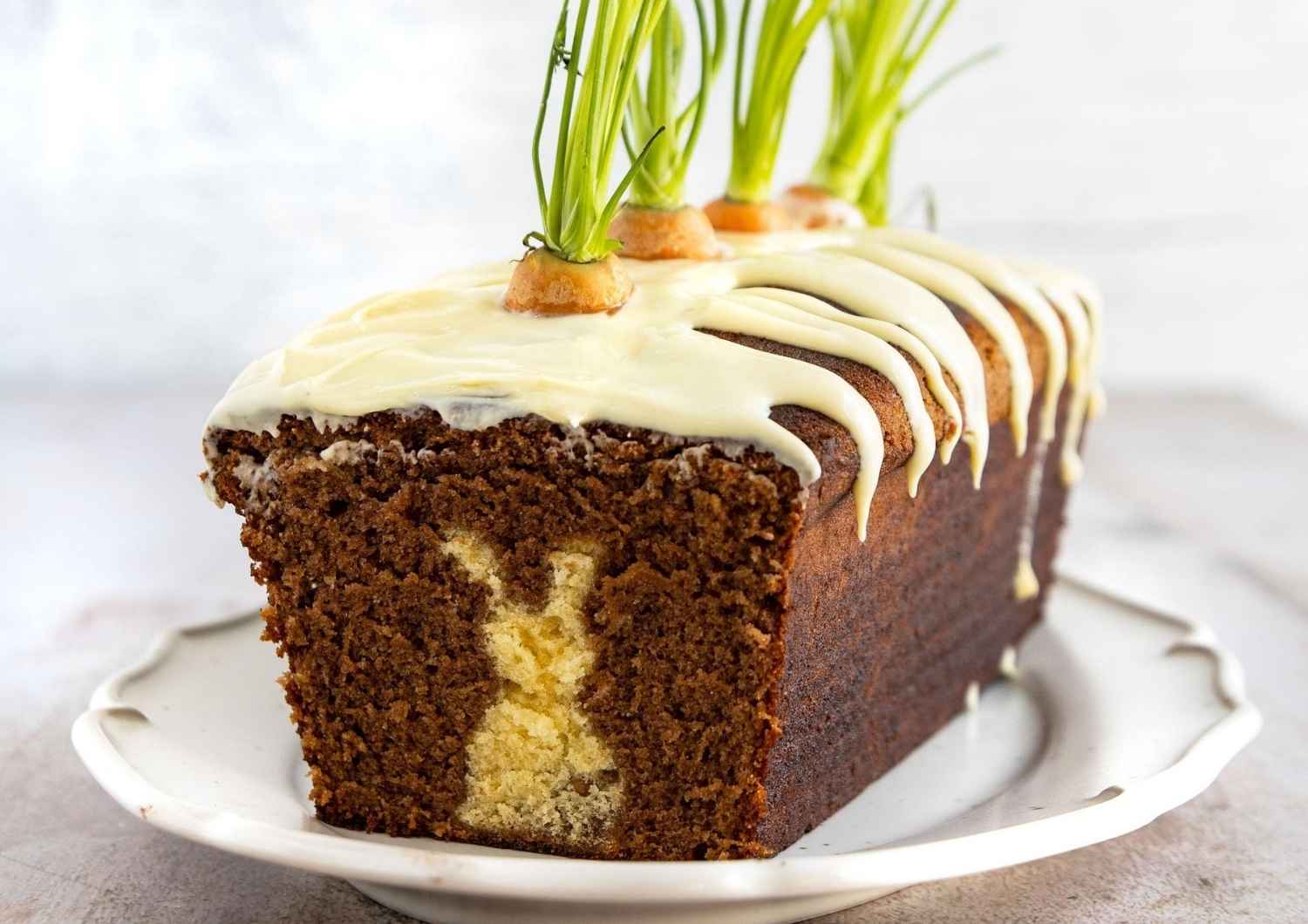
Carrot cake has a dense structure that holds up. Just make sure to use stable cream cheese frosting.
Banana bread, a denser version of banana cake, can last a couple of days without refrigeration, making it a great option when same-day or next-day shipping is not possible.
Bundt cake has a fluted shape that gives it built-in stability, even when the cake is a bit light and airy.
You can also ship other, less dense cakes by bolstering them with dowels or supports. Still, there are cake types that you should avoid shipping:
Fresh whipped cream-topped cakes. Whipped cream is unstable and can deflate or melt quickly once taken out of the fridge. It also can’t keep the cake intact while on the move.
Fruit-topped cakes. Fresh fruits on cakes are lovely, but the juice will betray you. Juices can seep into frosting and cake layers, making your cake soggy.
Multi-tier cakes without internal supports. Tiered cakes without dowels are dangerously delicate. Bumpy rides can send tiers sliding off or collapsing under their own weight.
On the other hand, these are frostings and fillings that have the most chances of surviving the trip:
Buttercream is perhaps the most stable frosting for transport. It firms up well once chilled and holds its shape even if it gets a little jostled. It’s also easy to smooth in case it gets minor nicks in transit.
Ganache forms a thick coating that acts like a protective shell. Its smooth, clean finish keeps your cake looking elegant even after transport.
Cream cheese frosting is dense and holds well once chilled. This one’s a winner if kept cold.
Skip mousse, custard, or whipped cream unless you’re doing same-day shipping with cold packs or dry ice. Delicate frosting and multiple layers are best delivered personally or via local courier.
How to Properly Package a Cake for Shipping
Packaging is where most cake shipping attempts succeed or fail. A beautifully baked cake in the wrong box is just a very expensive pile of crumbs.
Get it right by following the steps below.
Step 1: Prepping the Cake
Place your cake on a solid base or cake board. If it’s tiered, add internal supports (like dowels) to prevent it from leaning.
Always chill first before packaging, but let the cake cool completely before popping it inside the fridge or freezer. Even a little warmth can create condensation, which leads to soggy cakes.
If shipping will take more than a couple of hours, freeze the cake overnight, at least. A frozen cake is more stable than a room-temperature one.
Step 2: Choosing the Right Packaging Materials
Now that you have a better idea of how to ship a cake, note that the packaging materials you use will be the difference between a cake that arrives intact and one that ends up a frosted mess.
Here are some of the materials you’d want to have on hand:
Before placing the cake in its container, wrap the sides with a cake collar to protect decorations and maintain structure. If possible, wrap the entire cake in cling film to create an airtight seal that keeps it moist and fresh. For added insulation, add a layer of aluminum foil around the wrapped cake.
Next, place the cake in a sturdy bakery box or an airtight plastic container. For temperature-sensitive cakes, use an insulated foam container that’s thick enough to keep things cool. Then, place that inside a corrugated cardboard shipping box.
This double-boxing method adds extra protection from bumps and helps maintain a stable temperature during transit, especially if you’re using coolants.
Step 3: Securing the Cake for Transit
How do you ship a cake in one piece? To make sure the cake is secure for transit, cushion everything around it. Less space means less movement.
Cushion the cake in the inner box by using bubble wrap, packing paper, or foam liners. This will also prevent the cake from shifting. Surround with gel packs or dry ice wrapped in parchment paper before placing the boxed cake inside the shipping box.
Fill up the space between the two boxes with packing peanuts or more gel packs if needed. Then, clearly label the box as perishable and fragile. Indicate the top of the box with an arrow if the outer box does not have a “this side up” marking. Add a “handle with care” sticker for good measure.
How to Select the Best Shipping Service and Method
For same-day deliveries within your city, local couriers are your best options. Many of them have booking apps that allow you to have your cake picked up and delivered within an hour or so. If your cake is delicate or has intricate decorations, choose a shipping service that uses four-wheelers for deliveries.
How to ship a cake to another state? UPS, FedEx, and USPS all have services that let you ship perishable items like cake. However, they do have certain restrictions for these, so always check their terms before booking a shipment.
Here is some helpful information about these carriers:
UPS has overnight two-day shipping options, but suggests a maximum transit time of 30 hours for perishables. They offer flat-rate shipping, which is great economy-wise. A better cake shipping option for those with tight budgets.
FedEx’s temperature-controlled services make it a great option for shipping cakes. They offer a shipping box with a built-in chilling unit so you can keep your cake at an ideal temperature. They also have overnight shipping and one-day delivery options.
If you’ve been wondering how to ship cakes in the mail, the postal service is your answer. USPS has priority mail that’s good enough for smaller, less delicate cakes. Just make sure the cake packaging is strong and sealed securely.
Remember, speed is your best friend. So, choose a carrier that can deliver it the fastest, at reasonable costs.
What are the Cost Considerations for Cake Shipping
Shipping cake isn’t cheap, especially with faster speeds, cold packs, and long distances. Weight affects the price, which means dense cakes cost more. Overnight priority shipping is also pricier.
To give you an idea of how much cake shipping costs, here are average prices for top carriers:
You can reduce shipping costs by using flat-rate boxes when possible. You can also break large cakes into smaller sections and ship them separately. If sending within short distances, opt out of temperature-control units and just ship the cakes frozen, boxed, and in insulated containers.
Tips for Ensuring a Successful Cake Delivery
The little things make a big difference when it comes to how to ship a cake. Here are some tricks seasoned bakers swear by:
Use a sturdy box and seal the cake with plastic wrap or bubble wrap so it stays in good shape.
Insulate with ice packs to maintain low temperatures and keep the cake fresh.
Test first. Send yourself a cake before sending it to a customer or loved one.
Coordinate delivery. Make sure someone is home to receive and refrigerate it.
Go simple. Intricate piping is beautiful until it’s smudged in transit.
Plan for the worst. If it’s a wedding or major event, have a backup cake ready just in case.
Always choose overnight or next-day delivery. You risk the quality the longer your cake is out there.
Avoid shipping on and right before weekends and holidays, or risk your cake arriving stale due to extended transit time.
Always get a tracking number so you can monitor your cake’s journey online.
Now that you know how to ship cakes, fire up your ovens. Send a wedding cake to a dear friend, baked goods to customers, or frozen cakes to family in other states.
FAQs
How do you ship a cake to another state?
You can ship a cake to another state through carriers like FedEx, UPS, and USPS. These carriers allow you to send baked goods as long as they are packed and sealed securely. Use both a bakery box and a shipping box to keep the cake secure. Fill up empty spaces with ice packs or dry ice and packing peanuts or foam so the cake arrives fresh.
How much does it cost to ship a cake overnight?
The cost of overnight shipping for a cake depends on the weight and dimensions of the package, the distance, and many other factors. On average, expect to pay anywhere from $20 to $60 for a small cake.
What is the best way to send a cake in the mail?
The best way to send a cake in the mail is inside a sturdy corrugated cardboard box—frozen, sealed tight, and cushioned in a cake packaging box.
Can you ship a cake with dry ice?
Yes, but check your carrier’s rules. Most carriers have packaging and labeling requirements for dry ice because it’s considered a hazardous material. You may need custom food packaging boxes that allow carbon dioxide to dissipate safely during transit.
How long can a cake last during shipping?
Unfrosted pound cakes, butter cakes, and banana bread can last without refrigeration for about three to four days. However, most cakes, especially frosted ones, must be delivered within one to two days.
Erica is a professional writer and brand strategist at Refine Packaging who is based in Denver, Colorado. With a background in writing and journalism, Erica entered the manufacturing industry 8 years ago to deepen her passion to demystify difficult packaging concepts. With years of in-the-field printing experience, Erica is uniquely suited to help unpack the custom packaging process for beginners looking for an impactful box style that resonates with their target audience. When she’s not writing, Erica can be found with her nose in a fantasy novel or climbing The Rocky Mountains (and sometimes, doing both at the same time).










 Alex Jasin

 Amanda Jane Rivera

 Asif Muhammad

 Erica Campbell



.svg)
Share