A well-sized box cuts more costs than most people expect. Carriers charge for space you don’t use, so the tighter the fit, the lower the bill. A snug build keeps products from shifting and getting beaten up during shipping. That means fewer breakages, which also results in fewer refunds, fewer angry emails, and fewer “why is this in a giant box?” posts online.
Where brands actually save:
A closer fit keeps DIM fees down
Solid structure reduces breakage and the return cycle that follows
Stronger materials ease dependence on filler
Better sizing keeps customers from mentioning waste in reviews
Good packaging blocks the small leaks that drain money over time. It’s not about spending more, but about choosing something that works.
You’ve got a great product, so don’t skimp on your packaging.
Shelling out money on boxes may not sound glamorous, but it can lead to big savings. Sometimes you need to spend a little extra up front, in order to save money down the line.
It may sound surprising, but investing in something as seemingly mundane as custom boxes can end up saving you big bucks in the long run.
Your boxes and packaging need to fulfill several purposes. At a bare minimum, they should protect your items in transit, look good and not be wasteful. Custom boxes can fill this tall order.
Let’s take a look at how custom boxes can save you money:
Reduce Your Shipping Prices
eCommerce has exploded in recent years, so it’s no surprise that shippers want their piece of the pie.
Shippers understandably want to fill their trucks. And they don’t want to waste space with a bunch of air. If you insist on using an oversized box, you’re going to have to pay a premium.
First off, it’s important to understand how shipping prices are calculated.
Shipping costs are easy, right?
You just weigh your item and then you know how much postage you need. Not so fast.
That may have worked in the old days, but now there’s a more complicated formula you need to understand.
Are you familiar with dimensional weight? If not, you need to be, because this can pump up your costs. Even if you’re shipping something as light as a feather.
Nowadays, most major carriers use something called “dimensional weight” (DIM) pricing. This takes into account the package volume, as well as its weight.
The formula to find the dimensional weight of a box is the length times the width times the height, divided by the DIM factor (Length x Width x Height / DIM Factor).
So, how do custom boxes reduce your shipping costs?
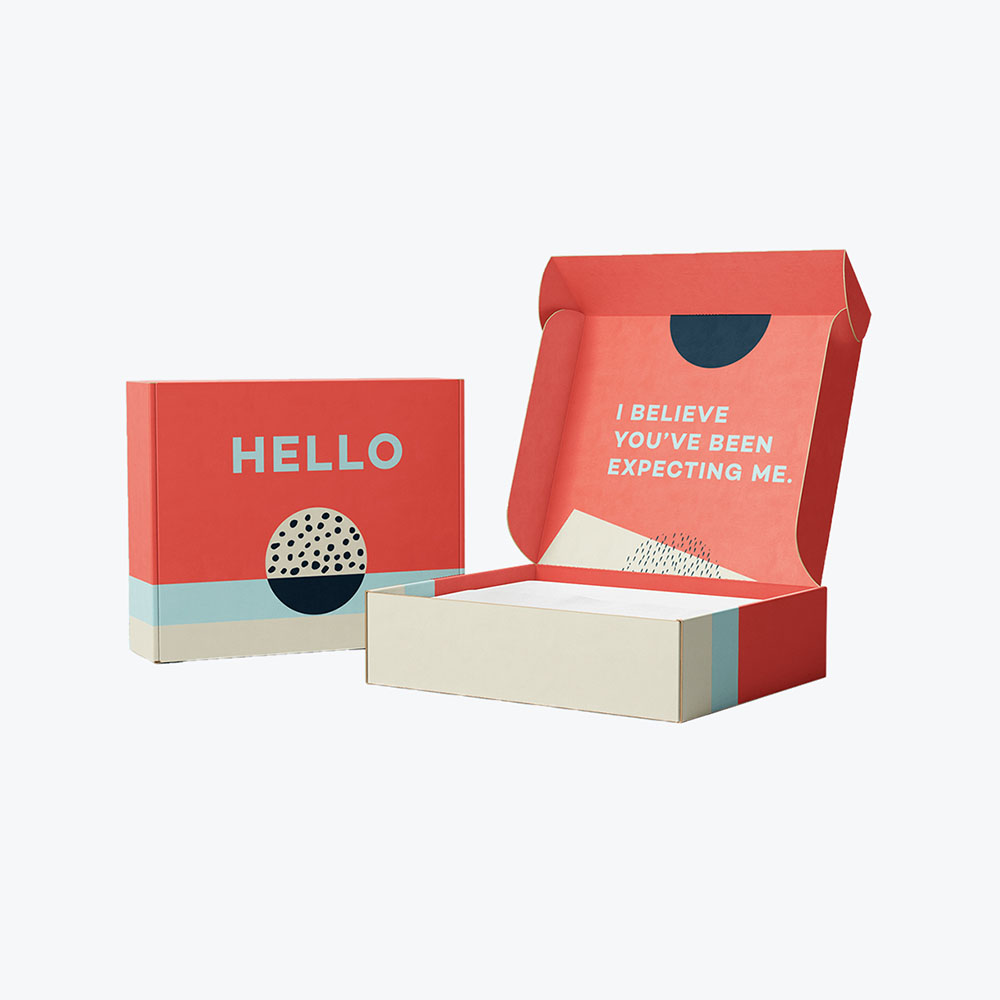
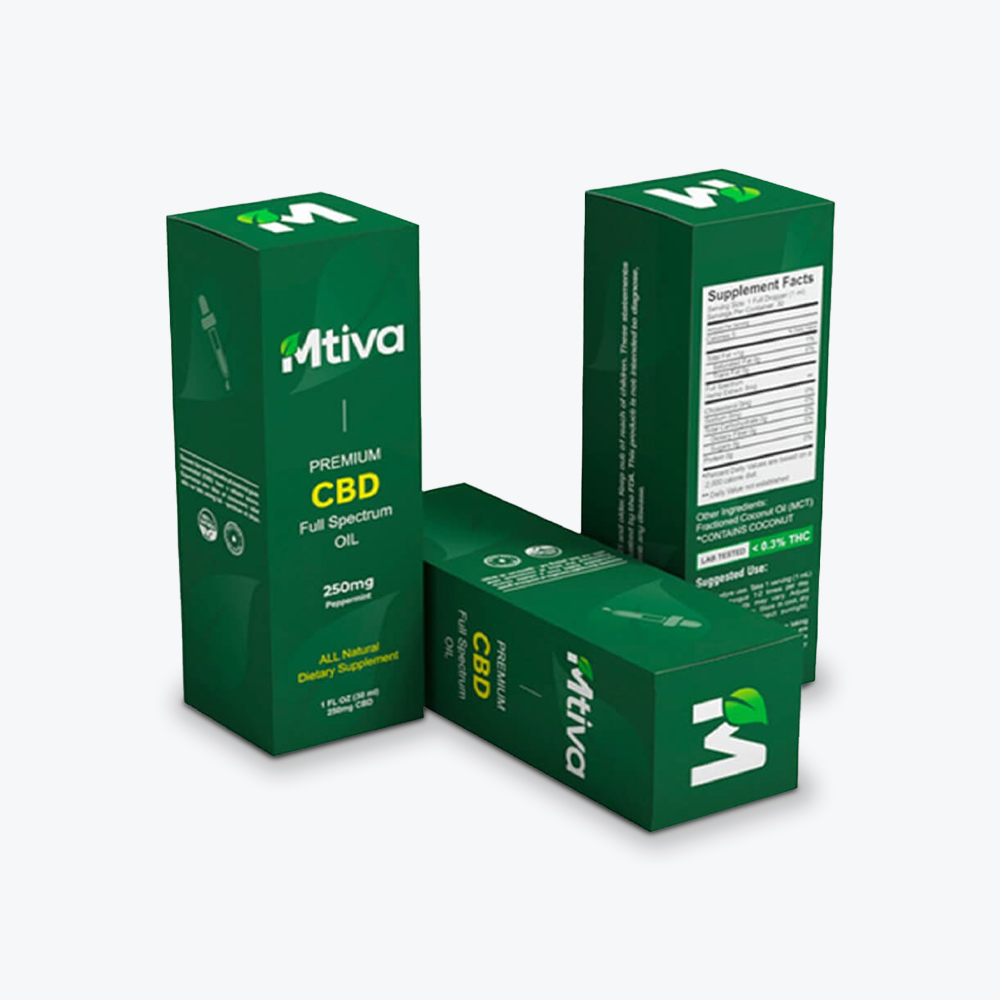
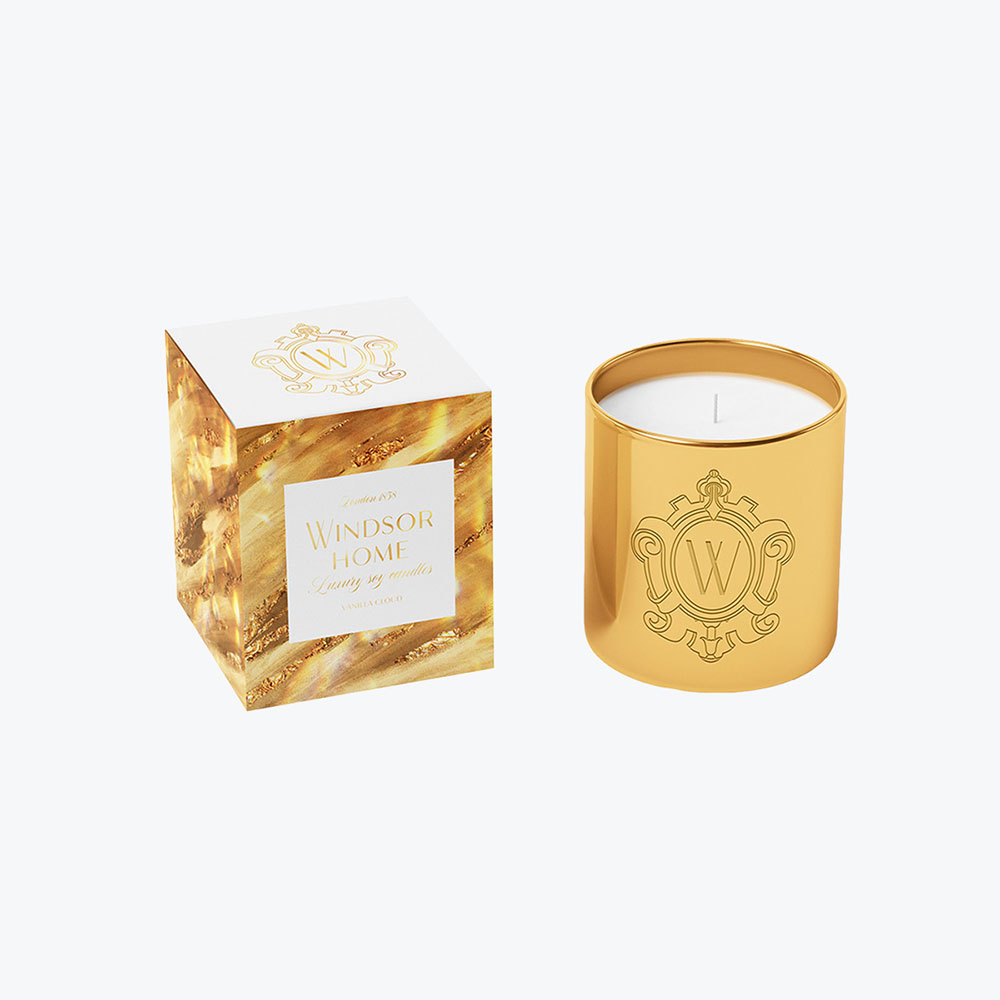
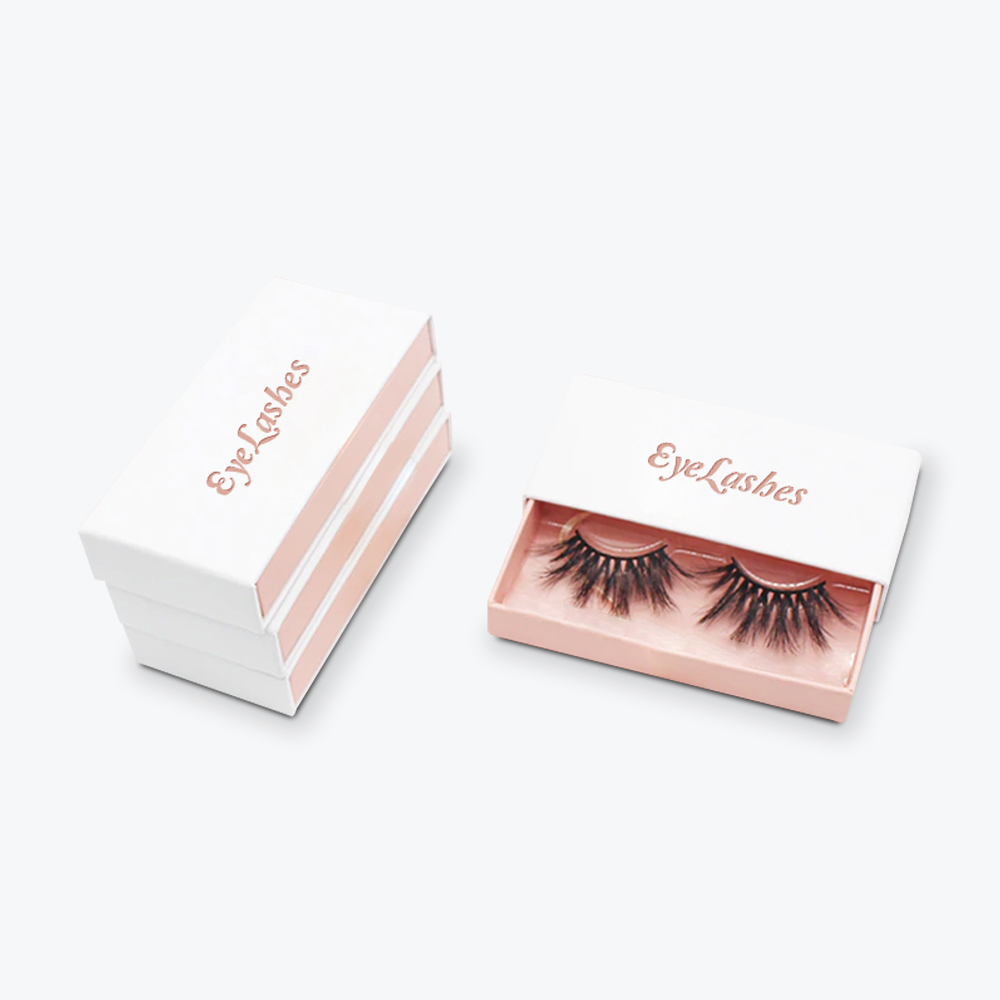
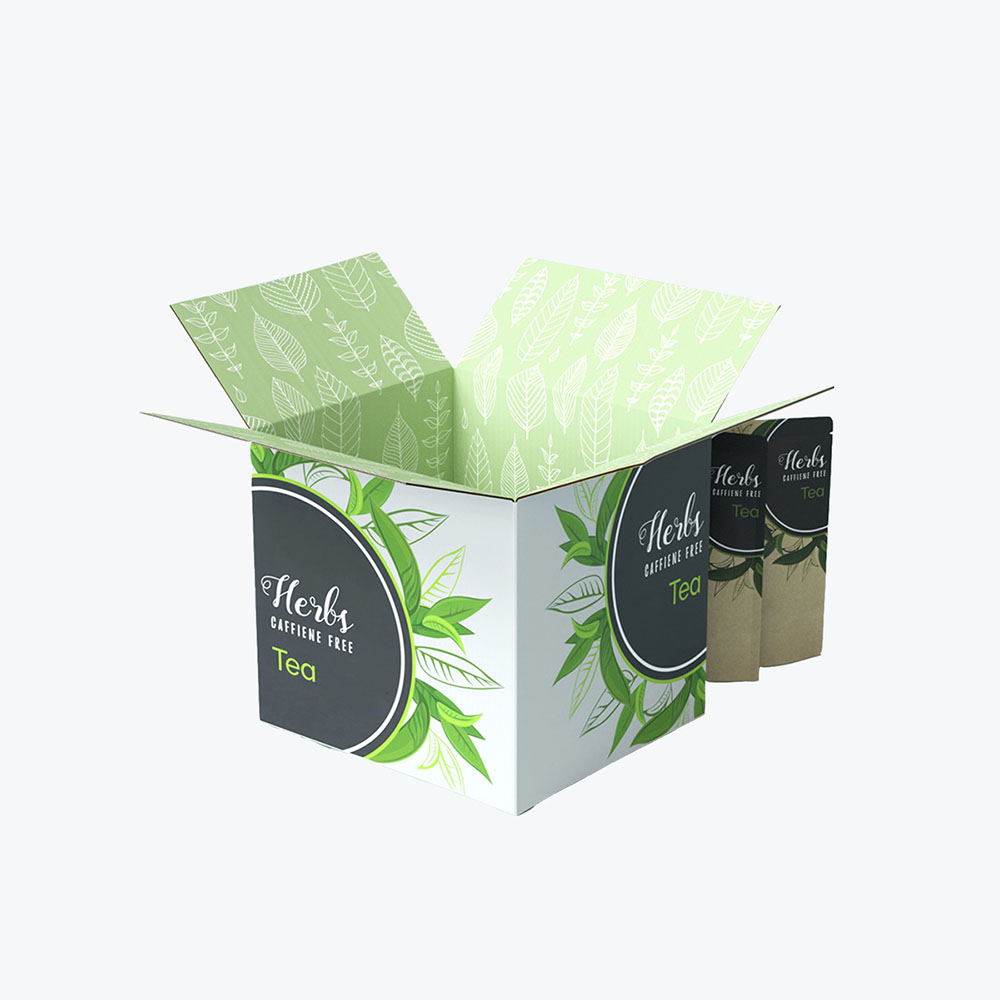
Custom boxes and packaging save you money on shipping by avoiding the one-size-fits all boxes you can buy anywhere and everywhere. When your boxes have the exact dimensions for your specific products, your shipping costs go down.
Minimize Returns by Avoiding Damaged Products
Ever receive a damaged item that was obviously packaged with little thought or care? Did you order from that company again? My guess would be no.
Damaged goods is an easy way to lose customers. It’s also one of the main reasons for returns. In a recent survey, 52 percent of respondents reported damaged goods as a major challenge and frustration with returned items.
Not only will you potentially lose a customer by shipping broken merchandise, but it’s going to cost you in other ways, too. Return shipping is yet another cost you’ll likely have to eat if a customer returns a damaged item.
It’s easy to get caught up with the pretty side of custom boxes, but ultimately the most important role of your box is to protect what’s inside the box. Custom box sizes can afford you this protection since the boxes are designed to fit the particular shape and size of the enclosed items.
Think about if you’re using a large box to ship a small item. With extra space in the box, goods will move around more during transportation, which increases the chance of damage. An oversized box filled with a lot of air also runs the risk of being compressed if a heavier box is piled on top.
Of course, you can fill your large box with all kinds of extra padding – bubble wrap, peanuts, air pillows, and paper – but this will also drive up your costs. Why waste money on void fill you don’t need.
Don’t Be Wasteful and Spark Negative Reviews
You want to offer protection, but not too much air and peanuts. You don’t want your customers opening ridiculously-oversized boxes.
No one wants to see a bunch of waste, much less have to deal with getting rid of it.
Stuffing your boxes with a bunch of added fillers is not going to impress anyone and only costs you more money.
Plus, it can embarrass your company.
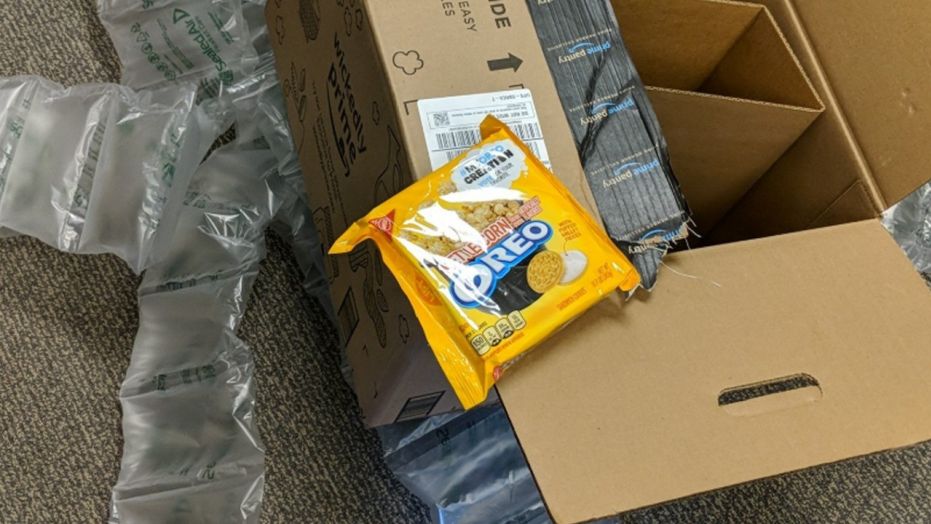
Just look at Amazon, who recently got called out for shipping asmall container of Oreos in a massive box, filled with all kinds of bubble wrap and other plastic protection. The customer wasted no time jumping on Twitter and YouTube to share his laughable unboxing experience.
Not the type of publicity or customer review that looks good for a company.
Custom boxes are produced with your specific product in mind. This makes your brand look more professional – and avoids the embarrassment, waste and annoyance that larger boxes cause your customers.
Repeat After Me: Your Box Size Matters
We’ve touched on this earlier, but it bears repeating: An oversized box is going to cost you.
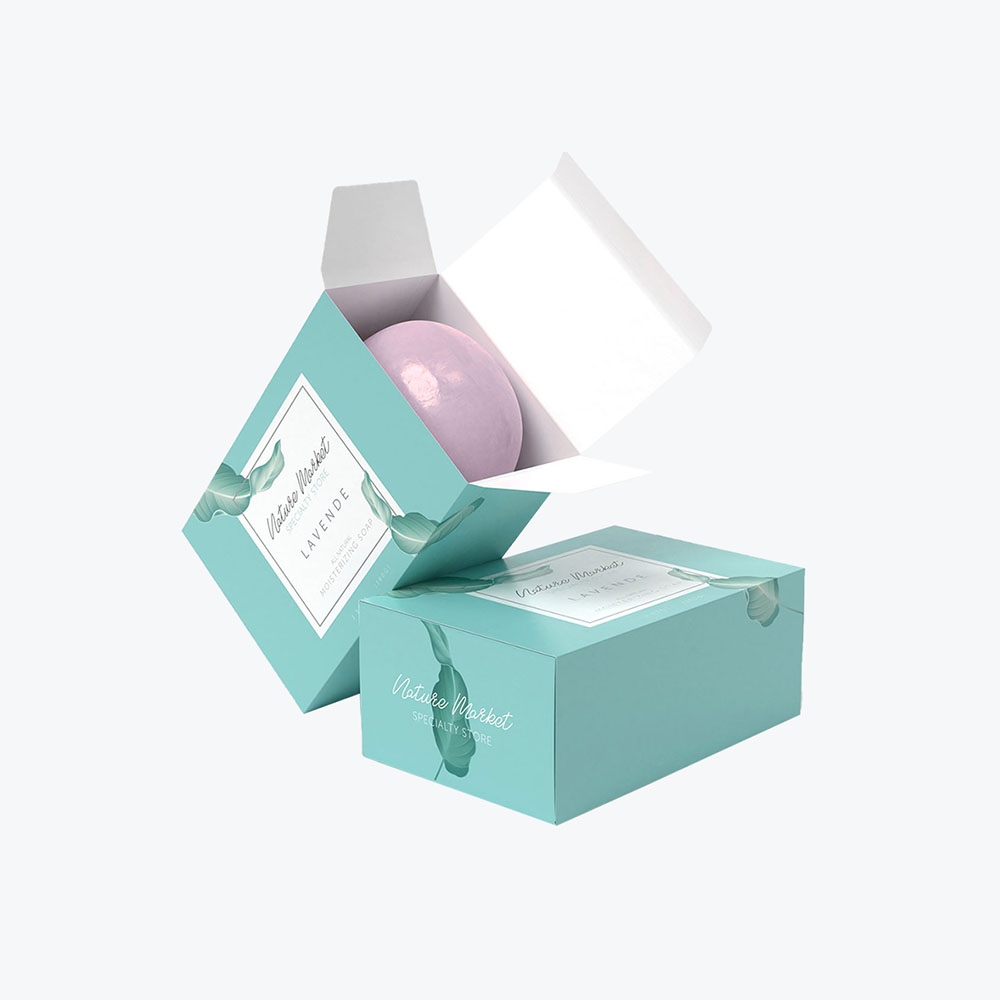
Most retailers sell a variety of products, from cosmetics to soap, which come in all different shapes and box sizes.
Retailers need to figure out what they’re selling, and what size box these items will fit into. As a business, you need to have a range of different sizes to accommodate all of your products.
You may be tempted to just stock one size of retail boxes for all of your goods. Obviously, these boxes will have to be on the larger size, so they’ll fit your biggest items. But does it really make sense to have lipstick packaging in a box sized for an aquarium?
That would be a resounding no. An oversized box is going to cost you with both higher shipping costs and unnecessary inner packaging.
Imagine if you have to pay a few dollars more in shipping for every box you pack. If you’re only shipping a few boxes it might not feel like a big deal, but what if business starts booming and you’re shipping hundreds or thousands of boxes over the course of the year.
Let’s do some simple math. Just paying a few extra dollars on each box can quickly translate to thousands of wasted dollars over the course of a year.
Plus, if you’re using the wrong size box, you’re going to have to shell out extra for all of the paper, bubble wrap, peanuts etc. needed to fill the extra space.
Material Choices and What They End Up Costing You Later
Materials look similar when you’re reviewing samples, but they perform differently once they’re put to work. Shipping, humidity, pressure from stacking, and long storage periods can turn small differences in material into real costs of custom boxes.
Strength under weight: Weak paperboard gives way when stacked, while corrugated holds firm. One collapsed package wipes out whatever you saved on cheaper stock.
What moisture does: Humid storage softens thin walls and smudges print. A coated surface or stronger board keeps its shape and keeps your branding legible.
Color accuracy: Some sheets absorb ink, which can mute colors, while others keep finishes vibrant. Rigid builds protect finishes, especially heavy color work or full-panel designs.
How much filler you end up using: When a box isn’t strong enough to support the contents, you need more padding. Stronger materials cut that bad practice quickly.
Cutting waste: Thin sheets warp after trimming, and once they warp, you lose whole stacks to reject piles. Stiffer materials stay flat and reduce scrap.
Storage and handling: Folding cartons stack efficiently but don’t like rough handling. Corrugated takes a beating. Rigid boxes eat shelf space but shield fragile products in a way that lighter builds can’t.
Refine Packaging offers corrugated mailers, folding cartons, and rigid boxes, so you can test materials that align with how your product actually moves through the real world. A dieline or sample can show you more than a spec sheet ever will.
Material choice shapes durability, but it also shapes returns, brand perception, and how often you have to reorder. That’s where the real cost is felt.
Conclusion
The moral of the story?
Find a box that properly fits your goods, so you save money on shipping, you don’t waste money on your inner packaging, and you don’t annoy your customers.
For many businesses, this means custom is the way to go.
You may pay a little more initially, but down the road, you’ll enjoy the returns.
Alex Jasin is a Co-Founder and CMO at custom packaging box company, Refine Packaging. Thousands of companies including T-Mobile, Adidas, MetLife, Pandora, Marriott Hotels, and small businesses nationwide choose Refine Packaging for their custom boxes and wholesale product packaging needs. Recognized as a published thought leader by Dieline, Business Insider, and Entrepreneur, Jasin works tirelessly to help companies create eye-catching custom shipping boxes that stand out from the crowd. Jasin also serves as a consultant for a Blackstone-backed digital marketing agency in New York, where he works with Fortune 500 clients such as Ferrari, Allstate and Wells Fargo.













 Amanda Jane Rivera

 Alex Jasin
 Asif Muhammad

 Erica Campbell



.svg)
Share